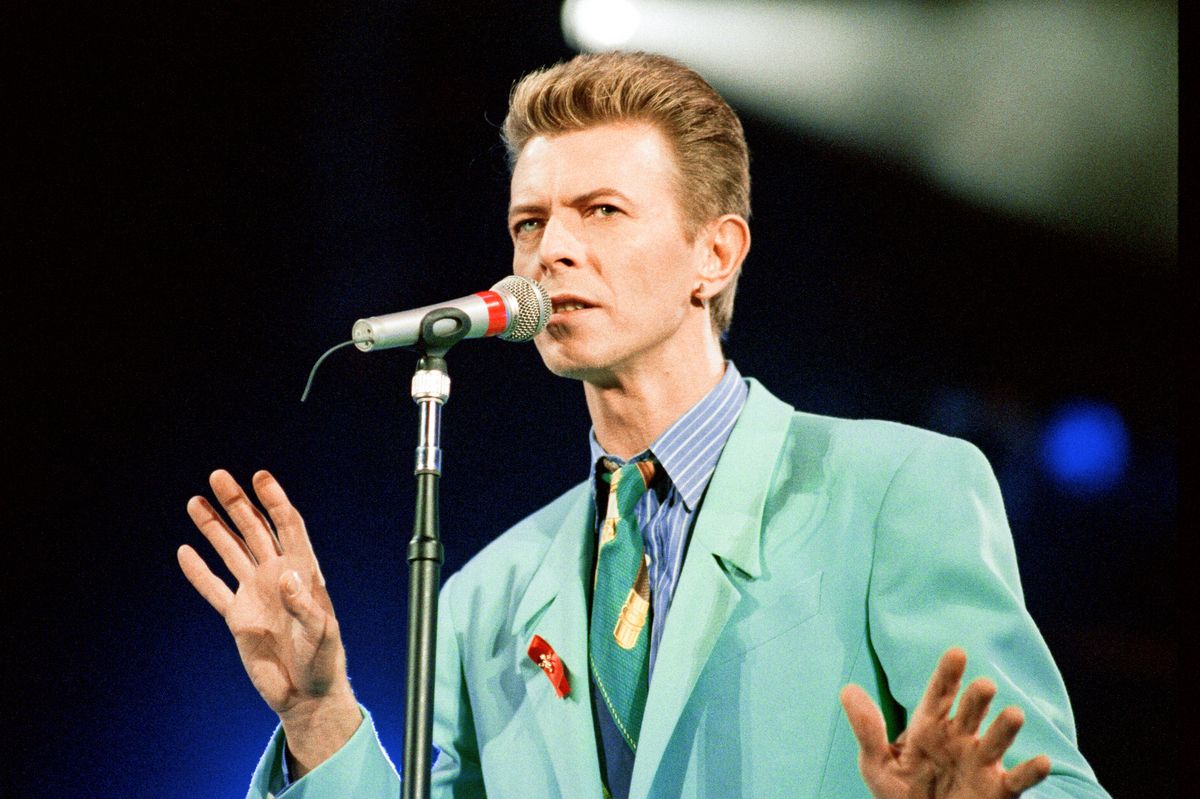
Despite it being 10 years since David Bowie died, the Starman singer’s presence and influence is often still felt today. From music, to fashion and film – and there’s are some big reasons for that
It’s officially been ten years since we lost the musical genius that is David Bowie today (January 10), with the icon dying age 69 from liver cancer. However, despite the Starman singer no longer being around, his presence and influence is often still felt today. From music, to fashion and film, David Bowie – whose real name was David Robert Jones – is still hugely influential to many thanks to his futuristics ideas and concepts.
However, rather than being a relic of the past, Bowie still feels like he’s ahead of his time. This is because his understanding of the future was never about gadgets or trends – it was about permission, and that ages differently than sound or fashion.
Here are a few reasons why this feeling persists, even ten years on:
1. He viewed identity as an experiment, not a final product
Bowie lived as if one’s self were something to be continually developed and refined. Ziggy Stardust, the Thin White Duke, Berlin-era Bowie – none of these were “eras” in the traditional sense.
They were experiments. In today’s world, defined by fluid identities, avatars, handles, and reinvention, this mindset feels remarkably relevant.
2. Bowie emotionally foresaw the internet age, not technically
Long before the advent of social media, Bowie understood fragmentation: personas, masks, performance, the gap between the private and public self. He grasped what it feels like to live life mediated through images and signals.
That’s why his work resonates more now than when it was first created.
3. He didn’t pursue relevance – he engineered obsolescence
While most artists strive to stay current, Bowie deliberately left versions of himself behind. This is rare, and it aligns with the rapid pace at which culture moves today.
He was practicing cultural agility before the term even existed.
4. Bowie was a pioneer in breaking down barriers
Bowie didn’t see genre, gender, race, or the divide between high art and pop as limitations, but rather as suggestions. He normalised hybridity long before it became a trend of our current era.
Even when we think we’ve caught up with him, he still seems ahead.
5. His final work transformed death into an artistic concept
Blackstar wasn’t a call for mourning; it was an invitation to interpret. The idea of turning death into a conceptual act feels contemporary in an era where legacy, archives, and digital afterlives are as significant as physical presence.
6. He was driven by curiosity, not nostalgia
Source: Mirror

Leave a Reply