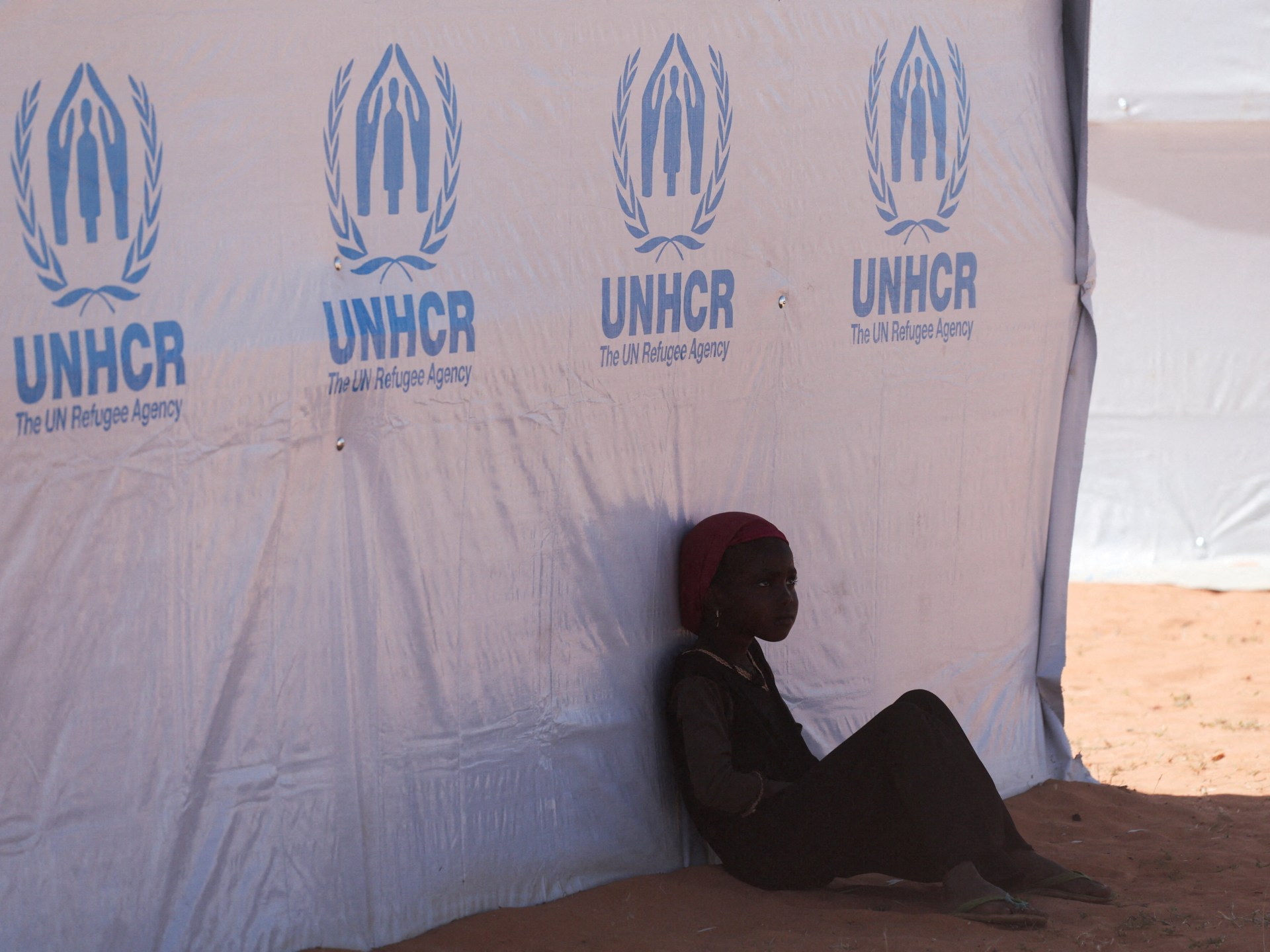
On October 14, the Swedish government announced it was nominating the CEO of IKEA, Jesper Brodin, as its candidate for United Nations High Commissioner for Refugees (UNHCR). Less than a month later, as the current high commissioner, Filippo Grandi, approached the end of his mandate, Brodin resigned from his position at the Swedish furniture giant, which he had led for eight years. In January 2026, the office of the UN secretary-general is expected to present a preferred candidate to the General Assembly for what former UNHCR head of research Jeff Crisp has called a “pro forma election”. Can the former chief of an iconic multinational company become the world’s highest authority on refugees — and what will it mean if he does?
In interviews, Jesper Brodin often refers to a small pamphlet by IKEA founder Ingvar Kamprad, titled The Testament of a Furniture Dealer, as outlining the values that inspire his way of doing business: innovation, sustainability and collective effort over individualism. Does the UNHCR need to learn lessons from a “furniture dealer”? The question matters because Brodin’s appeal is often framed in terms of corporate values, yet it remains unclear how — or whether — these translate into the protection of refugees. Whether Brodin has any chance of making it to the Geneva post or not, the question is worth asking, for the role of IKEA as a donor and operational partner of the UNHCR is significant and is likely to grow.
While humanitarianism and business have historically been companions, particularly since the end of the Cold War, this is the first time a business leader has been proposed to head the UN refugee agency. The nomination comes at a time when the UNHCR faces a dramatic cash crunch, and when political pressures and anti-refugee sentiment are increasing globally. Many scholars and practitioners believe the future of the global refugee regime itself may be at stake. Understanding the implications of Sweden’s choice, then, requires examining how corporate humanitarianism now shapes refugee protection.
Many were taken aback by the nomination. Yet the move by Sweden is anything but surprising. Over the past three decades, corporations have taken on increased responsibility for responding to humanitarian crises, while traditional organisations compete for a rapidly diminishing pool of resources. Research on the commodification of compassion has shown how, increasingly, “doing good” and “doing well” have become one and the same. This kind of “brand aid” involved both promoting commercial brands (from Toms shoes to Starbucks) through their involvement in humanitarian causes, and turning aid itself into a branded activity — something most effectively done through corporate partnerships. It began around two decades ago but has now become the dominant model of humanitarian engagement. As one major humanitarian donor in Kinshasa told us, “It’s now all about collaborations between the private sector, businesses and philanthropists.” Indeed, when the desire to help becomes something you can sell, corporations such as IKEA can profit from involvement in global helping that builds their ethical branding. But can the UNHCR profit from being led by IKEA’s CEO? The question goes to the heart of a growing unease about the direction of the refugee regime.
We see three main problems here. First, UNHCR is caught between contradictory demands from donor states in the Global North and hosting states in the South. Brodin and IKEA’s brand of feel-good capitalism cannot reconcile these fundamental tensions over sovereignty. Jesper Brodin has been lauded as a businessman and touts his credibility as a leader and negotiator. “Trump likes people in the business world,” we are told. However, the challenges to the agency’s protection mandate require a vision that goes well beyond the smiling face of compassionate capitalism. While formally remaining the guardian of the 1951 Refugee Convention, UNHCR has been operating in what scholars such as Bhupinder Chimni have described as an “erosion” of the international refugee regime — a long-term weakening of asylum norms and burden-sharing commitments. Donor governments in the Global North have used their limited support for UNHCR’s humanitarian activities in the Global South as a way to deflect attention from the disregard for refugee rights within their own borders. How will Brodin fare in navigating these competing pressures — from containment agendas in the Global North to protection obligations that lie at the heart of UNHCR’s mandate?
Second, Brodin often mentions his experience as a supply chain manager in a company that has put logistical innovation at the core of its business strategy as an important asset for the job. Indeed, this aligns with UNHCR’s current focus on renewing its own supply chain strategy. He also talks about “bringing the values and the assets of refugees to the business community,” a phrase he uses to refer to refugees’ skills and labour potential. However, this endeavour has proved far more complex than he makes it sound. Almost 10 years after IKEA’s first attempt to integrate refugees into its own supply chains in Jordan, the number of people the programme involves remains small, and refugees in the country still face significant barriers to work and social security.
A study we published in 2021 highlighted that a focus on refugee logistics actually meant working towards integrating displaced people into global supply chains rather than providing them with material support or infrastructure. Whether for business or for disaster relief, logistics depend on networks of infrastructure and rules that only function through ongoing negotiation with governments.
Finally, the contradictions of IKEA’s corporate and foundation ownership structure — what makes it work well as a business — embody the paradox of mixing public needs for refugee protection with private objectives for profit. The IKEA Foundation, the company’s philanthropic arm, has been working with UNHCR since 2010, supporting its operations in 16 countries. The UN agency defines the collaboration as “transformative”, highlighting how it has become a model for all its partnerships with the private sector. Moreover, the nomination comes at a time when major donor states, including the US, the United Kingdom and Germany, are slashing their budgets. In this geopolitical context, Sweden, while facing its own economic challenges, may well be seeking to stake its position as one of the last remaining humanitarian powers in the Western world. Brodin’s bid draws on Sweden’s perceived reputation for frugality and sustainability.
However, there is an unspoken yet fundamental contradiction between Brodin’s promise to address UNHCR’s crisis by “holding the purse strings” and the position of IKEA within global economic structures that have contributed to the humanitarian funding crisis in the first place. In 2017, following calls from EU parliamentary groups, the European Commission opened an in-depth investigation into the Netherlands — where the company is headquartered — for its tax treatment of Inter IKEA, one of the two groups operating the IKEA business. The company’s ownership structure, which benefits its commercial operations, may also reduce its tax burden, thereby reducing contributions to public finances. Here, as in many other cases, big business promises to fix global inequality it has helped create.
In the present global climate of hostility to migrants and refugees, Brodin and IKEA’s brand of feel-good capitalism risks further hollowing out UNHCR’s protection mandate, reducing humanitarianism to a matter of well-managed supply chains. The stakes are high: when humanitarian priorities are shaped by corporate logic, core protections — from asylum access to basic assistance — risk being eroded. What benefits a business organisation does not necessarily serve the rights or needs of refugees.
Source: Aljazeera

Leave a Reply