A newfound ‘ openness ‘
The trouble with prosecutorial independence, however, is that it has not been codified in US law.
Instead, it is a norm that has developed over more than a century, stretching back to the earliest days of the Justice Department.
While the role of the attorney general dates back to 1789, the Justice Department itself is a more recent creation. It was established in 1870, during the Reconstruction period following the US Civil War.
That period was marked by an increasing rejection of political patronage: the system of rewarding political allies with favours and jobs.
Reformers argued that, rather than having law enforcement officers scattered across various government agencies, consolidating them in one department would make them less susceptible to political influence.
That premise, however, has been tested over the subsequent decades, most notably in the early 1970s under then-President Richard Nixon.
Nixon courted scandal by appearing to wield the threat of prosecutions against his political rivals — while dropping cases that harmed his allies.
In one instance, he allegedly ordered the Justice Department to drop its antitrust case against the company International Telephone and Telegraph (ITT) in exchange for financial backing at the Republican National Convention.
Key Justice Department officials were also implicated in the Watergate scandal, which involved an attempted break-in at Democratic Party headquarters.
But Sklansky, the Stanford Law professor, noted that Nixon tended to operate through back channels. He avoided any public calls to prosecute his rivals.
“He believed that, if he called for that openly, he would’ve been pilloried not just by Democrats but by Republicans”, Sklansky said. “And that was undoubtedly true at the time”.
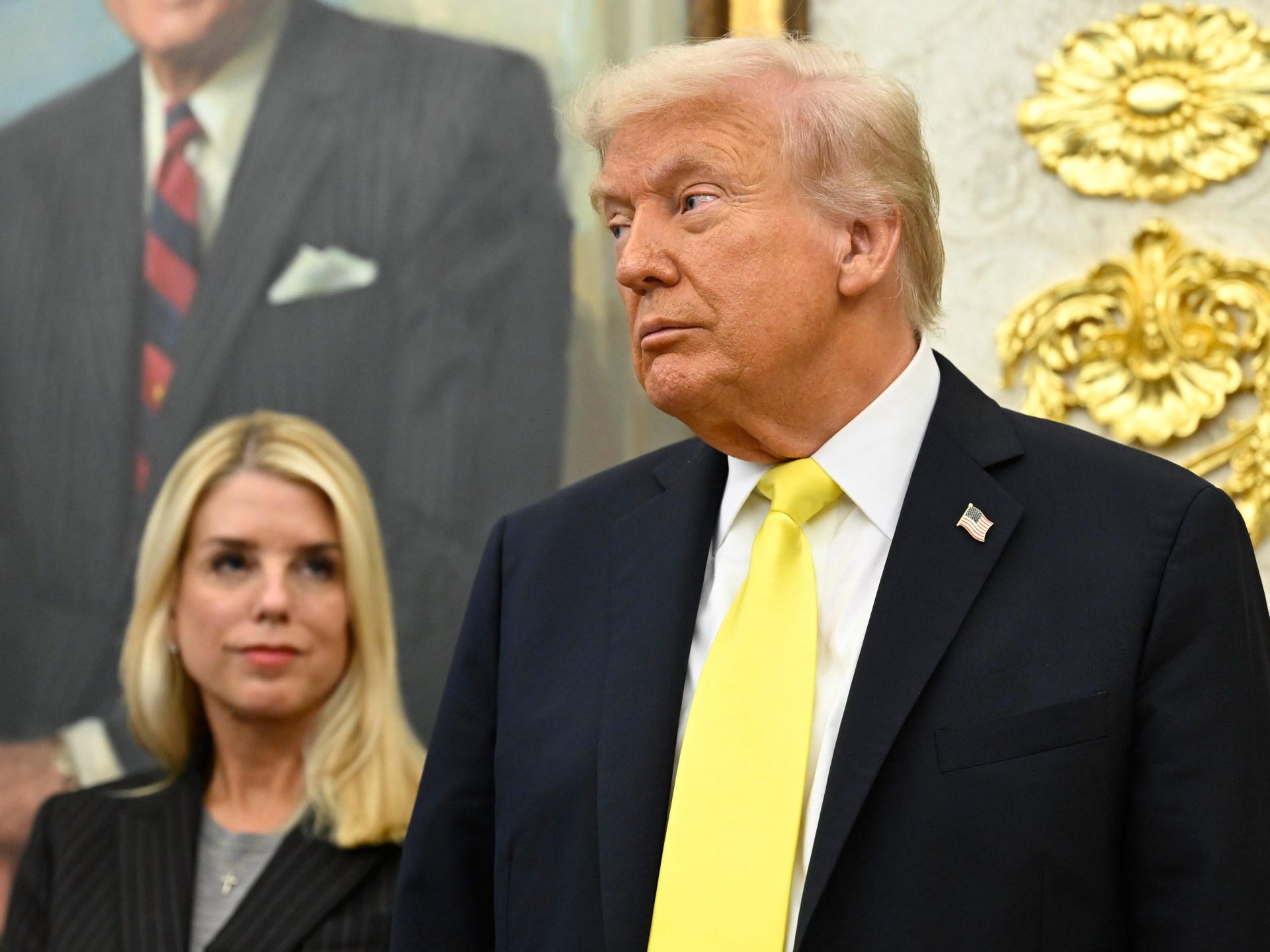
But Sklansky believes the second Trump administration has abandoned such discretion in favour of a public display of power over the Justice Department.
Source: Aljazeera

Leave a Reply