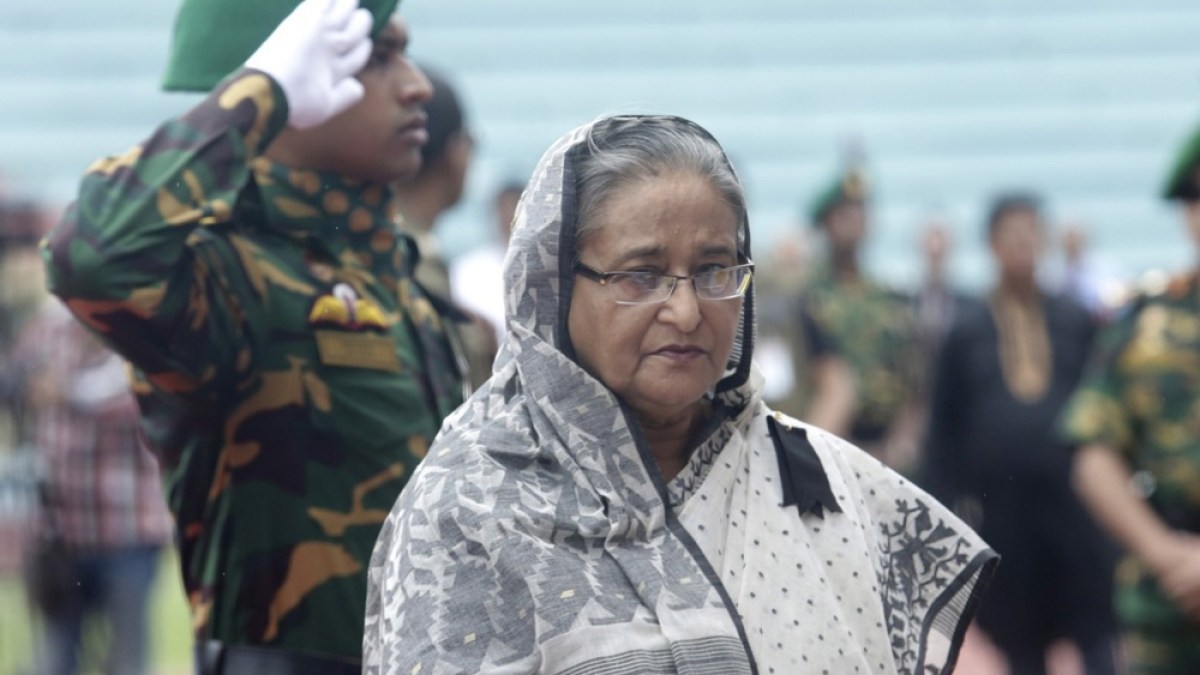
Car ramming at largest synagogue in Brooklyn

NewsFeed

A man has been arrested after repeatedly ramming his car into Brooklyn’s largest synagogue, the Chabad-Lubavitch World Headquarters. New York police are investigating the incident as a possible hate crime.

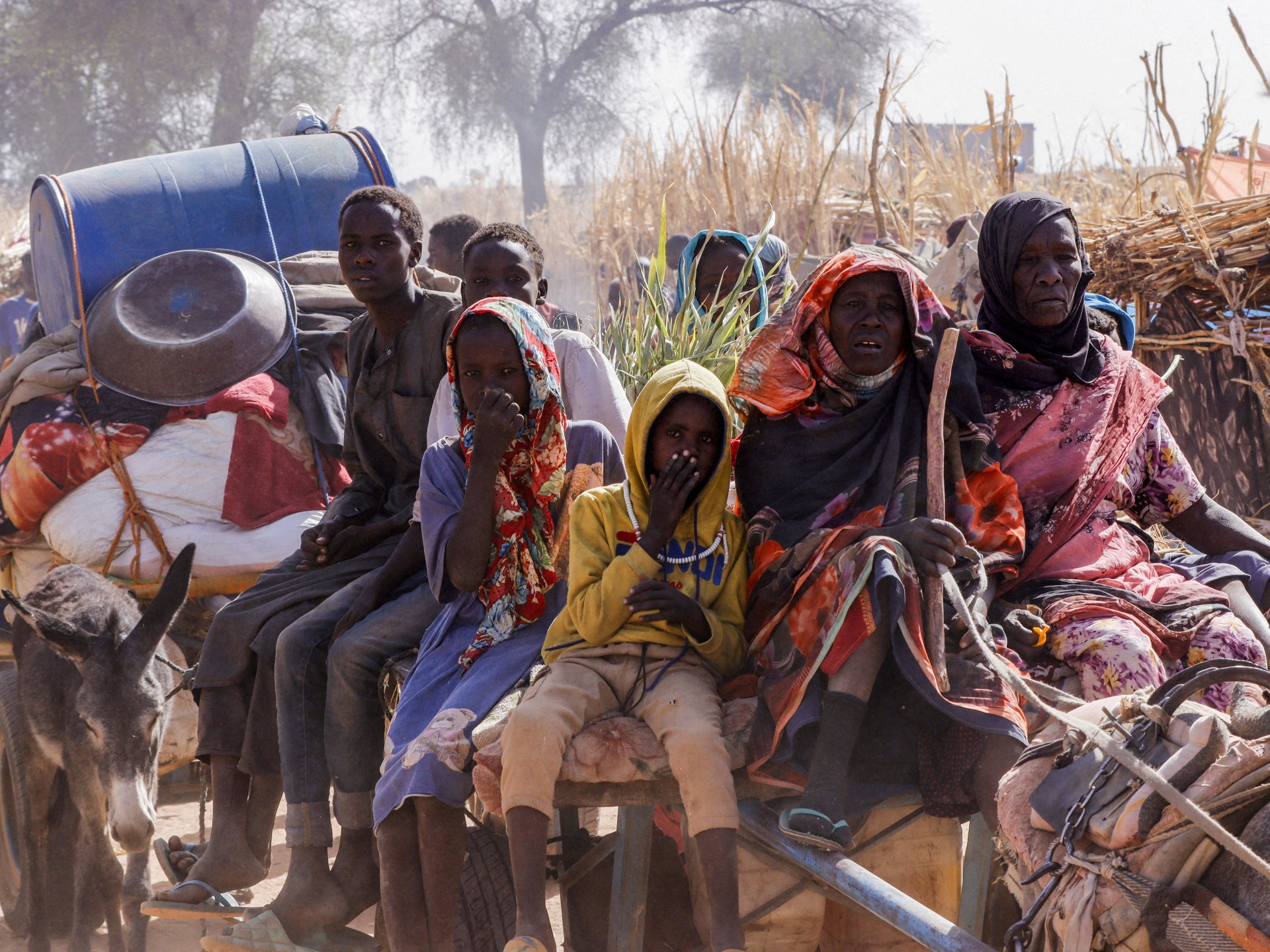
Dozens killed in RSF drone attack in war-torn Sudan’s South Kordofan

Dozens of people have been killed in a drone attack by the paramilitary Rapid Support Forces (RSF) on a key town in war-torn Sudan’s South Kordofan state, according to local media reports.

Multiple areas of Dilling, including the headquarters of the Sudanese army’s 54th Brigade and the central market, were struck by suicide drones during Wednesday’s attack, the Sudan Tribune reported, citing local sources and medical groups.

Recommended Stories

list of 3 itemsend of list

Al Jazeera could not independently verify the latest RSF attack, which came a day after the government-aligned Sudanese Armed Forces (SAF) announced that it had broken a nearly two-year-long RSF siege on Dilling, gaining control over key supply lines.

Dilling lies halfway between Kadugli – the besieged state capital – and el-Obeid, the capital of neighbouring North Kordofan province, which the RSF has sought to encircle.

The RSF and the SAF have been waging a brutal civil war for control of Sudan since April 2023, which has killed thousands of people and displaced millions.

Since the siege was lifted, Dilling has endured a wave of drone attacks that have destroyed service facilities and caused several casualties.

Military sources told the Sudan Tribune that the RSF was attempting to reinstate the blockade, though the SAF continues to hold the area and repel assaults near the strategic town of Habila in North Kordofan state.

Amid these clashes, the Sudan Doctors Network has called for an urgent humanitarian corridor to deliver life-saving food and medicine. Local sources said the situation on the ground remains desperate, with a severe lack of health services and a critical shortage of essential supplies, particularly intravenous fluids.

After being forced out of the capital, Khartoum, in March, the RSF has focused on the Kordofan region and el-Fasher city in North Darfur state, which was the military’s last stronghold in the sprawling Darfur region until the RSF seized it in October.

Reports of the paramilitary carrying out mass killings, rape, abductions and looting emerged after el-Fasher’s takeover, and the International Criminal Court (ICC) launched a formal investigation into “war crimes” by both sides.

Dilling has reportedly experienced severe hunger, but the world’s leading authority on food security, the Integrated Food Security Phase Classification, did not declare famine there in its November report because of a lack of data.

A United Nations-backed assessment last year confirmed famine in Kadugli, which has been under RSF siege for more than a year and a half.

More than 65,000 people have fled the Kordofan region since October, according to the latest UN figures.

The conflict has created what the UN describes as the world’s largest displacement and hunger crisis, though some people have returned to their homes despite shattered infrastructure.

At its peak, the war has displaced about 14 million people, both internally and across borders.

Heavy gunfire and explosions near airport in Niger’s capital

NewsFeed

Heavy gunfire and explosions were heard near Niger’s international airport in Niamey on Thursday, with videos showing flashes lighting up the sky and vehicles engulfed in flames. Authorities are yet to confirm the cause of the violence or report casualties.

‘You’re not human:’ A legal limbo for Russian nationals in Ukraine

Kyiv, Ukraine – Taras always resented his dark-red Russian passport – and was happy to replace it with a blue Ukrainian one. But it was a process that took him 11 years and two trials.

He is one of more than 150,000 Russian nationals living in Ukraine as the war with Russia continues. Most are relatives or spouses of Ukrainians or were born in Ukraine. Some are dissidents seeking refuge or volunteers with the Ukrainian army.

Recommended Stories

list of 4 itemsend of list

They go through several rounds of bureaucratic quagmire to have their residence permits renewed or get Ukrainian citizenship, and face mistreatment anywhere they have to show the colour of their passport.

“If you have a red passport here, you’re not human, even if you have Ukrainian blood, speak Ukrainian and donate to the armed forces of Ukraine,” the bespectacled 45-year-old graphic designer told Al Jazeera.

Taras asked to withhold his last name that he shares with his siblings living in Russia, because he does not want them to “get into more trouble than they already are” because of their Ukrainian background.

Born in the city of Poltava in Soviet Ukraine in 1980, Taras, the son of a colonel, grew up 500km (310 miles) to the east, in what is now the western Russian city of Bryansk; his father headed a tank regiment.

He spent his summers in a village outside Poltava, where his grandparents taught him to speak Ukrainian and “be a regular Cossack”, Taras said with a smile, referring to the medieval warrior caste.

He received the Russian passport after turning 16 and studied art history and design in St Petersburg, Russia’s former imperial capital and President Vladimir Putin’s hometown.

With a freelance job to design brochures, posters and calendars, he decided to move to Poltava a year after Russia’s 2014 annexation of the Crimean Peninsula.

Getting residence papers and a “permit to migrate” and obtaining citizenship was easy, but he made a mistake of “procrastinating for too long” about getting the blue passport.

“That was a stupid mistake that cost me a lot of time, money and nerves,” Taras sighed.

“I nagged him every day for years, but he waited until the full-scale [invasion] began” in 2022, his wife Tetiana, whom he married in 2019, told Al Jazeera.

Kyiv immediately severed diplomatic ties with Moscow, complicating a key condition for Taras’s full-fledged Ukrainian citizenship.

Until June 2025, Ukraine banned dual citizenship, and aspiring nationals had two years to prove they had withdrawn from their previous citizenship.

In the case of Russians, they have to prove they face no criminal or administrative charges, have no debt and are not registered in somebody’s apartment or house.

To submit and get the papers, Taras took an overnight train to neighbouring Moldova, where Russian embassy officials snubbed his requests, “lost” his papers and whispered “traitor” and “fascist”, Taras said.

He was luckier than many other Russians living in Ukraine.

There have been cases of Ukraine’s migration services refusing to renew expired residence permits, Kyiv-based migration lawyer Daria Tarasenko told Al Jazeera.

The stranded Russians’ problems worsen when their passport expires. It takes up to three trips to a third country to renew it, submit it and receive the documents to get the passport they hope to abandon soon.

And if the two-year deadline is not met, there have been cases when the migration service strips people of their Ukrainian citizenship, Tarasenko said.

She said she had won two cases when courts deemed the decisions illegal, and several similar cases were pending.

In late 2024, the Verkhovna Rada, Ukraine’s lower house of parliament, voted to change the migration law, allowing Russian nationals to wait for the war’s end plus one more month to start the termination of their red passports, she said.

By that time, Taras was tired of trains to Moldova and endless bickering inside the Russian embassy’s sprawling, white building.

He was told that a “declarative rejection” of his Russian citizenship could suffice, but the migration services rejected his “declaration”.

He sued them, and a court ruled that he could finally get the blue passport.

The Poltava migration service disagreed, and Taras sued again. This time, the court ruled that the officials in charge of issuing his passport should be fined.

“And as soon as it became money out of their pocket, they were like, ‘Good, come get the passport,’” Taras said.

He did – last August.

He cannot be drafted because of severe, progressing myopia coupled with astigmatism, while many other men with Russian passports prefer to hold on to their residence permits and obtain their Ukrainian passports after the war.

Others are so desperate that they resort to symbolic vandalism.

In early January, Andriy Kramar, an advertising executive in Kyiv, burned his wife Valery’s Russian passport on a gas stove in the kitchen of their apartment in Hostomel, a suburb that was briefly seized by Russia in 2022.

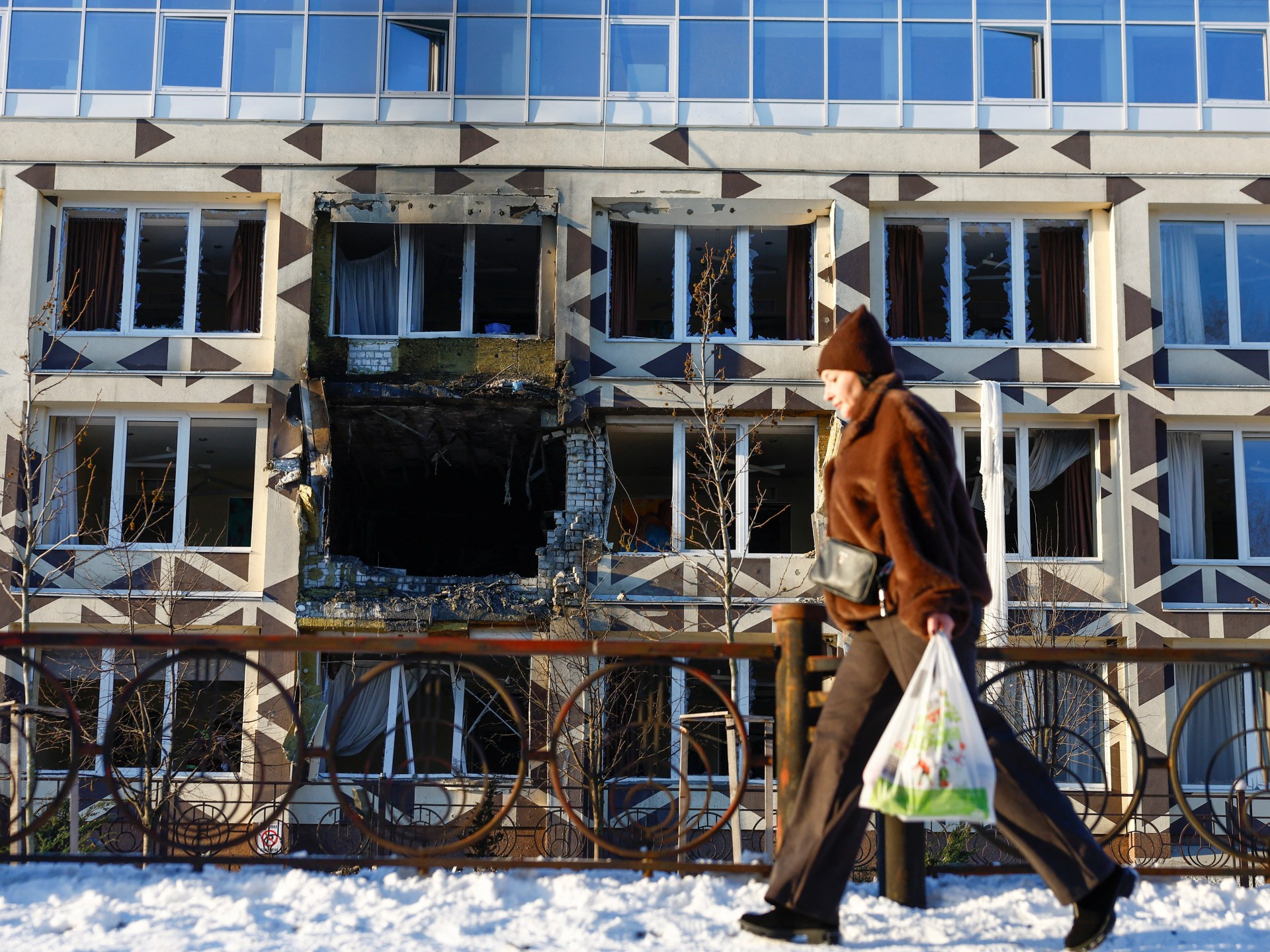
They live with their newborn daughter, Oleksandra, amid days-long blackouts caused by Russian shelling and with no running water.

“That alone could drive you crazy,” he told Al Jazeera.
Police probe explosive device thrown at Indigenous protest in Australia

Police may investigate an alleged bombing attempt during an Indigenous rights protest in Perth, Western Australia, as a possible “terrorist” incident, following calls from Indigenous leaders and human rights groups for a more robust response from authorities.

The Australian Broadcasting Corporation (ABC) reported on Thursday that the incident was now being investigated by police as a “potential terrorist act”, two days after a 31-year-old man was charged with throwing a “homemade improvised explosive device” at an Invasion Day protest attended by thousands of people on Monday.

Recommended Stories

list of 4 itemsend of list

The device did not explode and there were no injuries, police said.

Police charged the man with throwing the device, which consisted of nails and ball bearings, into a large crowd during a protest on Australia’s national holiday, Australia Day, which is also referred to as Invasion Day, since it commemorates the 1788 arrival of a British fleet in Sydney Harbour.

A search of the suspect’s home was conducted, where it was further alleged that a combination of chemicals and materials consistent with the manufacture of homemade explosives was found, Western Australia Police Force said in a statement.

The suspect was charged with an attempt to cause harm and with making or possessing explosives under suspicious circumstances.

Hannah McGlade, a member of the Indigenous Noongar community, told national broadcaster ABC on Thursday that it appeared police had “heard our concerns” regarding the attack.

“A lot of people have been adding concern that it hasn’t been looked at properly as a hate crime or even possibly as a terror crime,” said McGlade, an associate professor of law at Curtin University in Australia.

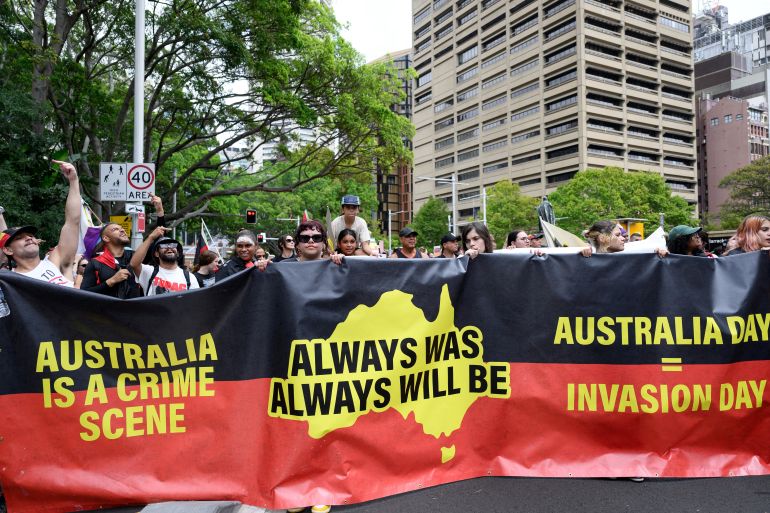
Demonstrators take part in the annual "Invasion Day" rally through the streets of Sydney on Australia Day on January 26, 2026. Tens of thousands of Australians protested over the treatment of Indigenous people as they rallied on a contentious national holiday that also marks the arrival of European colonists more than 200 years ago. (Photo by Steven Markham / AFP)
Demonstrators take part in the annual ‘Invasion Day’ rally through the streets of Sydney on Australia Day on January 26, 2026 [Steven Markham/AFP]

Indigenous people felt “absolute horror that so many people could have been injured and killed at an event like this, a peaceful gathering”, McGlade added.

The Human Rights Law Centre also called for “the violent, racist attack on First Nations people” to be “investigated as an act of terrorism or hate crime”.

“Reports by rally organisers and witnesses raise serious questions about [Western Australia] Police’s response and communication with organisers, both before and after the attack,” the legal group said in a statement.

The group also said reports that police failed “to address credible threats received ahead of the rally” should be “fully and independently investigated”.

Police alleged that the suspect removed the device from his bag and threw it from a walkway into a crowd of more than 2,000 people during the Invasion Day protest in Perth on Monday.

Alerted by a member of the public, police took the man into custody and bomb response officers inspected the device, the Western Australia Police Force said in a statement.

Exiled leader Hasina denounces upcoming Bangladesh polls after party ban

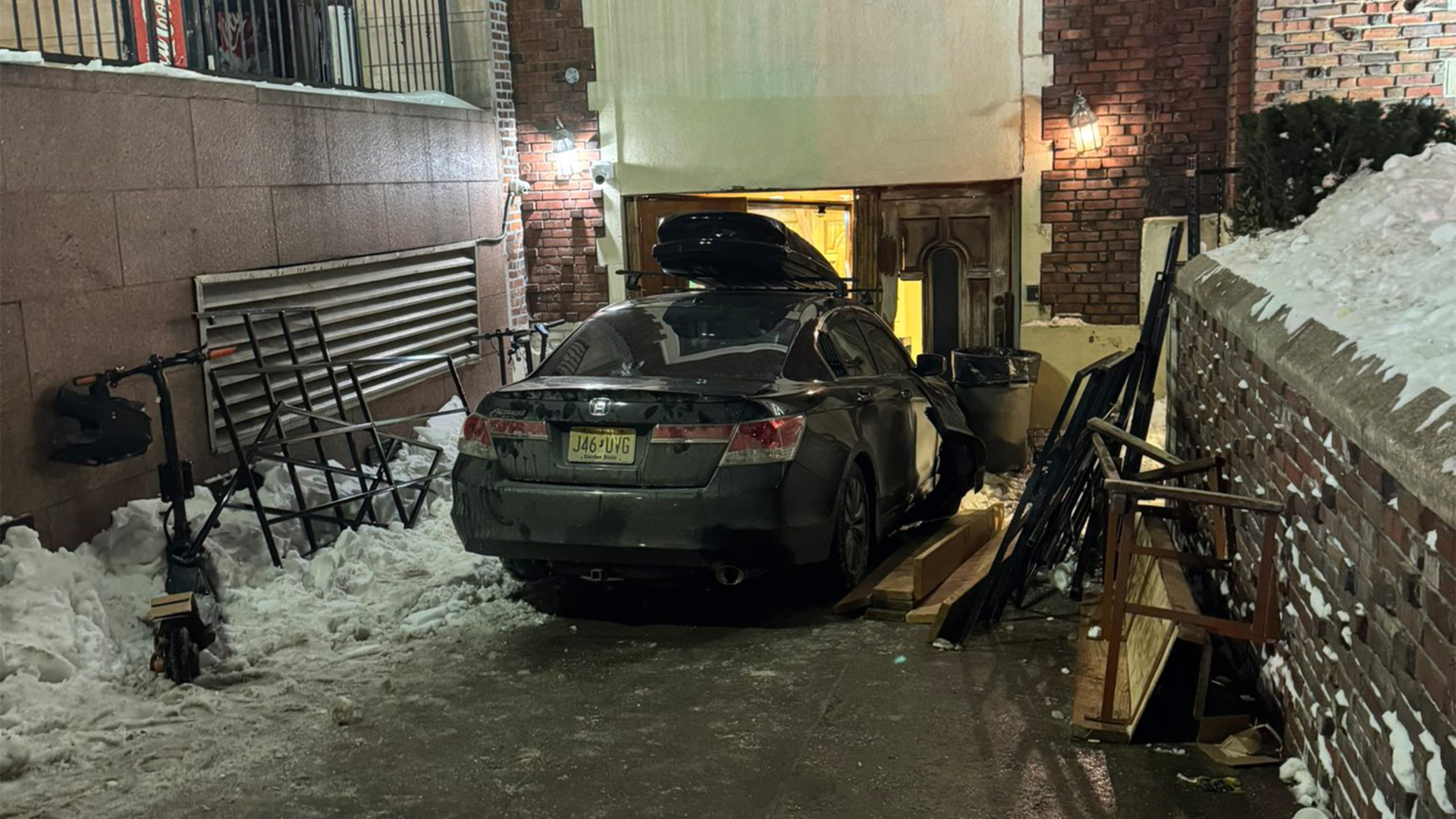
Bangladesh’s toppled leader Sheikh Hasina has denounced her country’s election next month after her party was barred from participating in the polls, raising fears of wider political division and possible unrest.

In a message published by The Associated Press news agency on Thursday, Hasina said “a government born of exclusion cannot unite a divided nation.”

Recommended Stories

list of 3 itemsend of list

Hasina, who was sentenced to death in absentia for her crackdown on a student uprising in 2024 that killed hundreds of people and led to the fall of her 15-year government, has been sharpening her critique of the interim government of Nobel Peace winner Muhammad Yunus in recent days, as the election that will shape the nation’s next chapter looms.

“Each time political participation is denied to a significant portion of the population, it deepens resentment, delegitimises institutions and creates the conditions for future instability,” the former leader, who is living in exile in India, warned in her email to the AP.

She also claimed that the current Bangladesh government deliberately disenfranchised millions of her supporters by excluding her party – the former governing Awami League – from the election.

More than 127 million people in Bangladesh are eligible to vote in the February 12 election, widely seen as the country’s most consequential in decades and the first since Hasina’s removal from power after the mass uprising.

Yunus’s government is overseeing the process, with voters also weighing a proposed constitutional referendum on sweeping political reforms.

Campaigning started last week, with rallies in the capital, Dhaka, and elsewhere.

Yunus returned to Bangladesh and took over three days after Hasina fled to India on August 5, 2024, following weeks of violent unrest.

He has promised a free and fair election, but critics question whether the process will meet democratic standards and whether it will be genuinely inclusive after the ban on Hasina’s Awami League.

There are also concerns over security and uncertainty surrounding the referendum, which could bring about major changes to the constitution.

Yunus’s office said in a statement to the AP that security forces will ensure an orderly election and will not allow anyone to influence the outcome through coercion or violence. International observers and human rights groups have been invited to monitor the process, the statement added.

Tarique Rahman, the son of former prime minister and Hasina rival, Khaleda Zia, returned to Bangladesh after his mother’s death in December.

Rahman, the acting chairman of Khaleda’s Bangladesh Nationalist Party, is a strong candidate to win the forthcoming election.

On Friday, Hasina made her first public speech since her ouster, telling a packed press club in Delhi that Bangladesh “will never experience free and fair elections” under Yunus’s watch.

Her remarks on Friday were broadcast online and streamed live to more than 100,000 of her supporters.

The statement was criticised by Bangladesh’s Ministry of Foreign Affairs, which issued a statement saying it was “surprised” and “shocked” that India had allowed her to make a public address.

Bangladesh has been asking India to extradite Hasina, but New Delhi has yet to comment on the request.