A Russian drone strike on a passenger train in Ukraine’s northeastern Kharkiv region has killed at least five people. President Volodymyr Zelenskyy denounced the attack as an act of terrorism.
Passengers killed in drone attack on Ukraine train
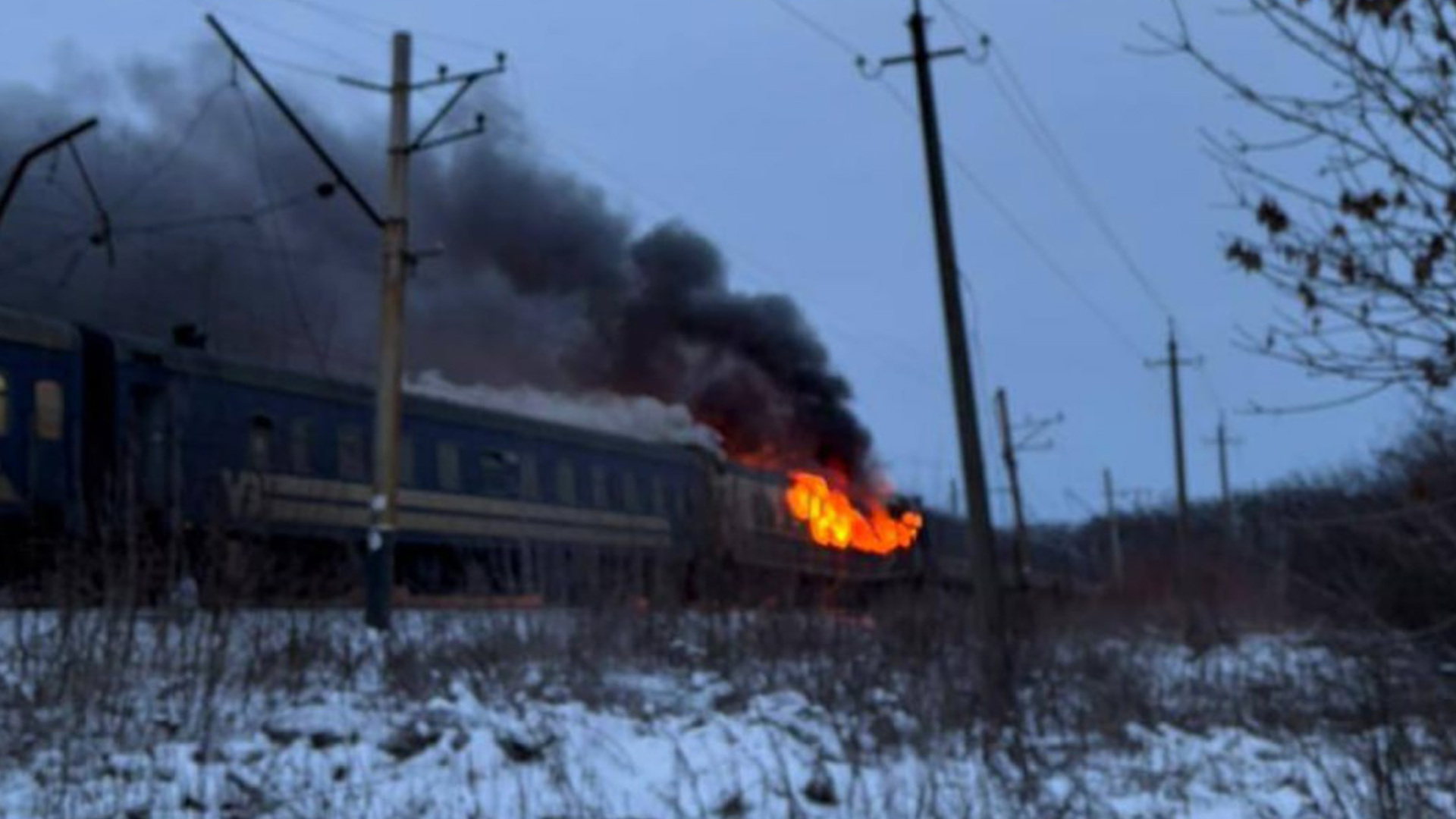
A Russian drone strike on a passenger train in Ukraine’s northeastern Kharkiv region has killed at least five people. President Volodymyr Zelenskyy denounced the attack as an act of terrorism.
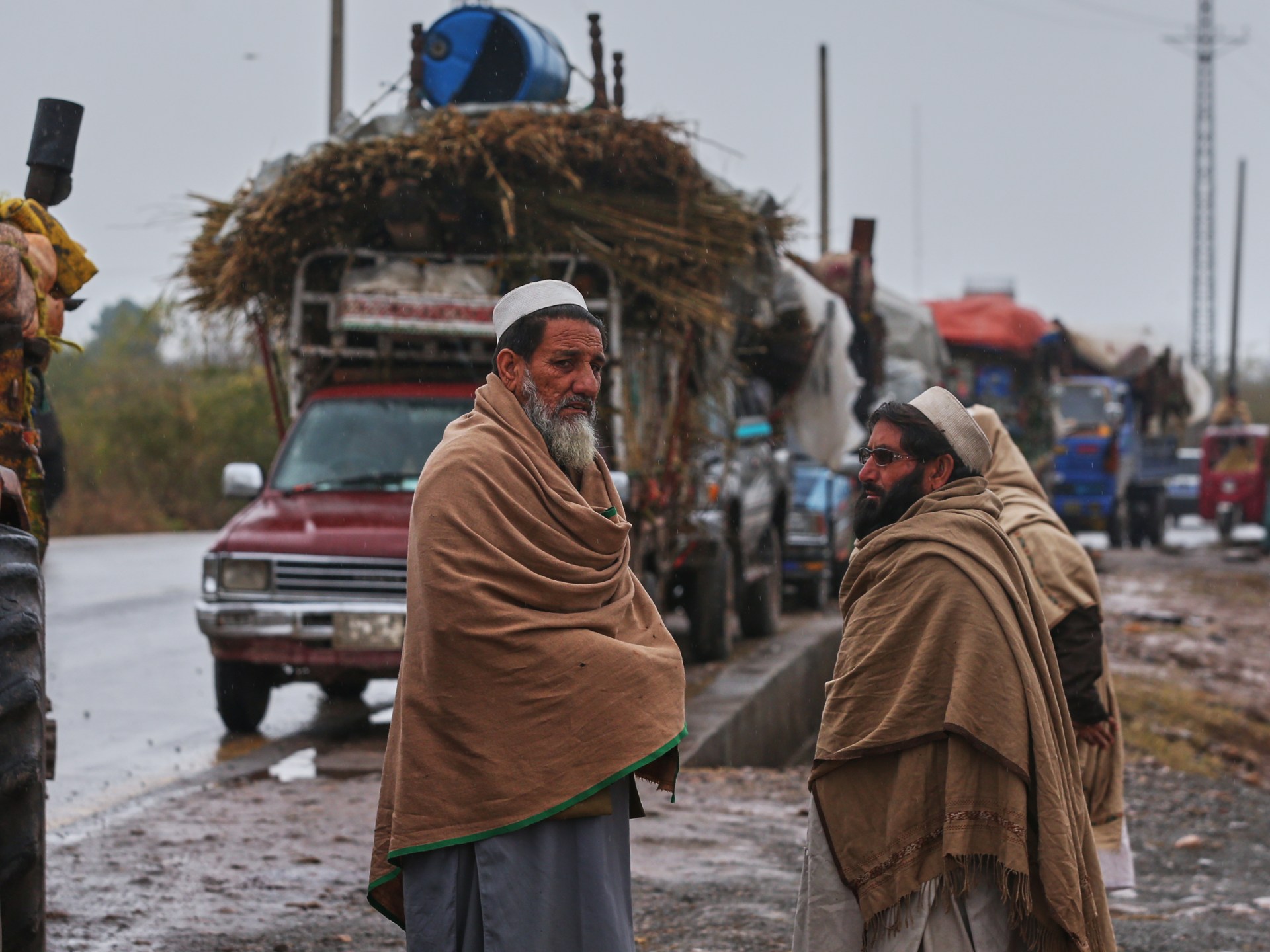
More than 70,000 people, mostly women and children, have fled from Tirah, a remote region in northwestern Pakistan bordering Afghanistan, as fears grow of an imminent military offensive against the Pakistan Taliban, according to local residents and officials.
Pakistan’s Defence Minister Khawaja Muhammad Asif has contradicted claims made by locals and provincial authorities, insisting no military operation is occurring or planned in the Khyber Pakhtunkhwa province town.
During an Islamabad news conference, he attributed the mass migration to harsh weather conditions rather than military actions, despite residents fleeing for weeks over fears of an impending army operation.
The exodus began after mosque announcements in December last year urged residents to vacate Tirah by January 23 to avoid possible conflict. This follows Pakistan’s August military campaign against Taliban forces in the northwestern Bajaur district, which displaced hundreds of thousands.
Shafi Jan, a provincial government spokesman, blamed federal authorities via social media for the displaced people’s hardships, accusing the Islamabad government of changing its position regarding military operations.
Meanwhile, Khyber Pakhtunkhwa Chief Minister Sohail Afridi, from imprisoned former Prime Minister Imran Khan’s party, has opposed military intervention and pledged to prevent a full-scale operation in Tirah.
Military officials maintain they will continue targeted intelligence operations against Tehrik-e-Taliban Pakistan (TTP). They claim many TTP fighters have found refuge in Afghanistan since the Afghan Taliban’s 2021 return to power, with hundreds crossing into Tirah and using residents as human shields during raids.
Local government administrator Talha Rafiq Alam reported that approximately 10,000 families – about 70,000 people – from Tirah’s 150,000 population have registered as displaced. The registration deadline has been extended from January 23 to February 5, with assurances that residents can return once security improves.
Zar Badshah, 35, who fled with his family, said mortar explosions in villages recently killed one woman and injured four children in his community. “Community elders told us to leave. They instructed us to evacuate to safer places,” he said.
At a Bara government school, hundreds waited in registration lines for government assistance, many complaining about slow processing. Narendra Singh, 27, explained that members of the Sikh minority also fled Tirah due to food shortages worsened by heavy snowfall and security concerns.
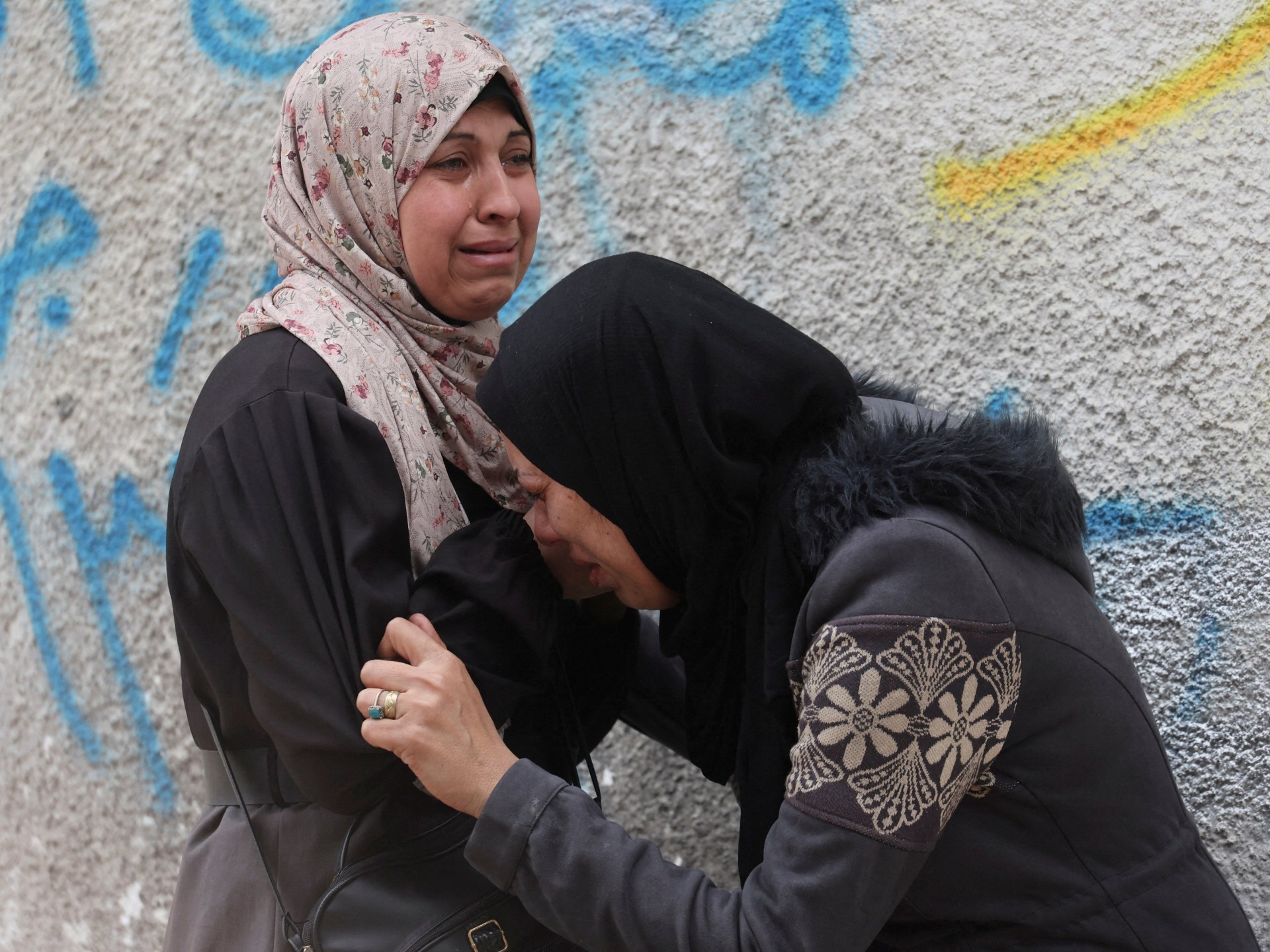
Oxfam says it will not disclose the personal details of its Palestinian staff to Israel, citing its army’s deadly attacks in Gaza that have killed hundreds of aid workers.
As part of a crackdown on NGOs providing life-saving aid to Palestinians, Israel last year demanded that some of the world’s best-known charities working in Gaza, the occupied West Bank and occupied East Jerusalem hand over detailed information about their Palestinian and international staff, operations and funding.
list of 4 itemsend of list
On January 1, Israel withdrew the licences of 37 aid groups, including the Norwegian Refugee Council, International Rescue Committee and Oxfam, saying they failed to adhere to the new “security and transparency standards”.
But Oxfam has said it will not share data about its Palestinian employees.
“We will not transfer sensitive personal data to a party to the conflict since this would breach humanitarian principles, duty of care and data protection obligations,” an Oxfam spokesperson told Al Jazeera. “More than 500 humanitarian workers have been killed since October 7, 2023.”
“We call on the government of Israel to immediately halt deregistration proceedings and lift measures obstructing humanitarian assistance,” the spokesperson said. “We urge donor governments to use all available leverage to secure the suspension and reversal of these actions.”
According to rules set out by Israel’s Ministry for Diaspora Affairs, the information to be handed over includes passport copies, resumes and names of family members, including children. It said it would reject organisations it suspected of inciting racism, denying the state of Israel’s existence or the holocaust. It would also ban those it deems as supporting “an armed struggle by an enemy state or a terrorist organisation against the State of Israel”.
Israel says 23 organisations have agreed to the new registration rules. The others are understood to have refused or are weighing their decisions.
The Palestinian NGOs Network (PNGO) condemned the organisations that have adhered to Israel’s demands.
“PNGO underscores the grave risks inherent in this measure, which constitutes a clear violation of the principles of international humanitarian law and established humanitarian work standards,” it said, adding that complying with Israel’s order poses a “direct threat” to the safety and security of local staff.
On Saturday, Doctors Without Borders, known by its French initials MSF, said it was prepared to share a “defined list of Palestinian and international staff names, subject to clear parameters with staff safety at its core” to Israel, while acknowledging that the demands were “unreasonable”.
MSF’s decision was condemned by some doctors, activists and campaigners, saying it could endanger Palestinians, given Israel has targeted aid workers throughout the genocide in Gaza.
A former MSF employee, requesting anonymity, told Al Jazeera, “It is extremely concerning … that MSF would make a decision like this.
“MSF faces profoundly difficult decisions – concede to the demands of a genocidal regime, or refuse and face complete expulsion and an abrupt end to all health activities in the coming weeks. But what is humanitarianism under genocide? There must be alternatives – alternatives that demand a much bolder and more disruptive approach to humanitarianism amid such brutal political decline.”
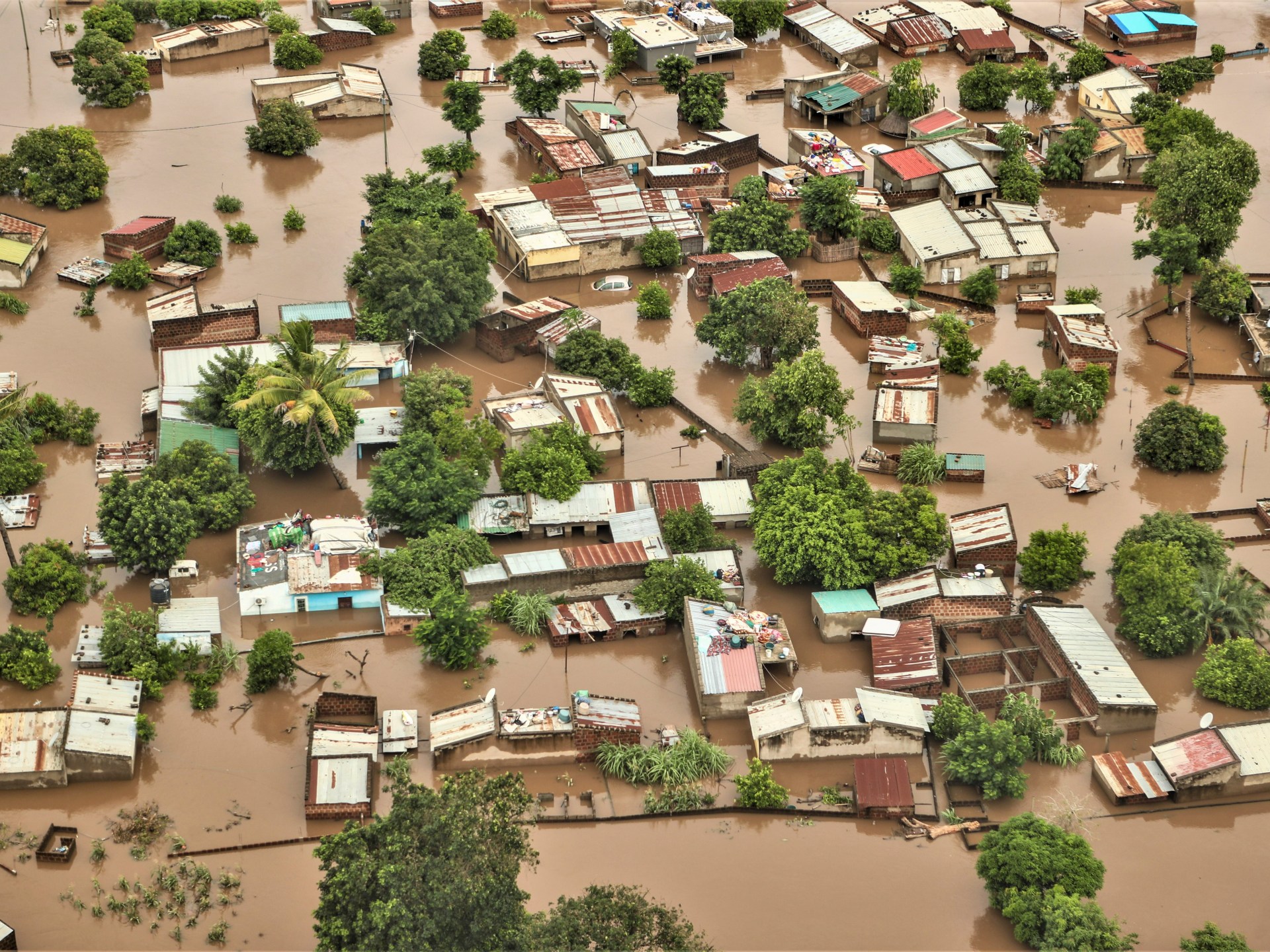
Chokwe District, Mozambique – I have been reporting on climate change stories for nearly all of this month. It wasn’t planned – it just ended up like that. A routine deployment to Kenya saw me head to the Kenya-Somalia border in Mandera town for a drought story.
At the time, there was hardly any international news coverage on this drought in the Horn of Africa. I was not expecting anything dramatic. I was wrong. The drought is bad.
list of 3 itemsend of list
As soon as we drove to really remote parts of Mandera County, I started seeing signs that something was wrong.
The team drove past several dry riverbeds. The camels were thin. Then, we saw the communal graveyards where dead livestock had been dumped and burned.
I spoke to a local chief in Mandera, Adan Molu Kike. He was a quiet, unassuming elderly man who went out of his way to explain to me how devastating the recent drought is.
“Our animals started dying in July last year, and they are still dying,” he told me. Then, he asked what country I had come from. I told him Zimbabwe.
“Have you seen a drought this bad in your country?” he asked me.
We were moving with a team from the Kenya Red Cross Society. They were keen to show me more about how the drought was affecting communities.
Water was the biggest challenge. With several rivers dry, water had to be brought in every week from aid agencies. Some communities got water once a week. Others saw the water bowsers arrive twice a week.
There is usually a timetable. If you miss a delivery, that means no water until the next delivery. The water – brown in colour – also has to be shared with livestock.
I see pastoralist Mohamed Hussein dragging two containers of water he has just collected from the water bowser delivery truck. He looks tired and doesn’t look like he wants to chit-chat, but he indulges us.
“I had 100 animals, but now I have only 20 left … My crops in the field are dead,” he says.
We talk about the drought and water situation. He says three of his goats died the night before. He says it’s because of the drought.
Hussein insists on showing me the animals in his back yard. He drags one away and tosses the dead goat in a bush. I remember thinking that out here in the desert like Mandera, it’s survival of the fittest.
Yet, people can’t mourn for too long over dead livestock. He has to keep the few he has left alive or else his family goes hungry.
As journalists, we come into a country, file our reports and fly home. But some experiences stay with you. This drought story did.
I left Kenya and headed home, thinking my stint reporting on climate change stories was finished for at least a few months. I was wrong.
I got back home to learn that it’s been raining a lot. Some places in Harare, Zimbabwe, even had flash floods. I thought nothing of it – only that it was interesting coming from a very hot climate to a wet one.
Then, the next day, news started circulating about floods and very heavy rain in South Africa and Mozambique.
As journalists, we never really switch off, so I was keeping an eye on the floods in Southern Africa, but I didn’t expect to be deployed to another climate change crisis so soon.
A day or two later, the situation worsened, and I was heading to Mozambique.
Again, at the time, there wasn’t much in international media coverage about the floods in Mozambique. South Africa was getting more media attention at the time. So I had no idea of the scale of these floods.
I landed in Mozambique and went to a neighbourhood in the capital, Maputo, that was affected by floods.
I put on my gumboots and waded through dirty, smelly floodwaters in between people’s submerged homes. I was shocked – but nothing prepared me for what I later saw elsewhere in the country.
In Marracuene, I saw a huge toll gate submerged and road signs sticking out on top of the water along a major highway. The highway was now metres deep underwater.
Then, we got Xai Xai, the capital of Gaza province in the south. Swaths of agricultural land were underwater. Parts of Xai Xai city were submerged. Restaurants, shops and businesses in the city centre sat in water.
“Now, the water must go down first, and then, we must start cleaning,” Richard Sequeira, the boat captain who was showing me the devastation, said. “There are a lot of snakes and animals around. Maybe 45 days to two months, we will be out of our houses and living like this.”
He is right. It could be weeks before the water recedes and disappears. But there could be more flooding in the coming days or weeks.
Authorities in neighbouring South Africa’s Mpumalanga province have ordered people to evacuate from flood-prone areas immediately. The dam there is full and could start releasing water.
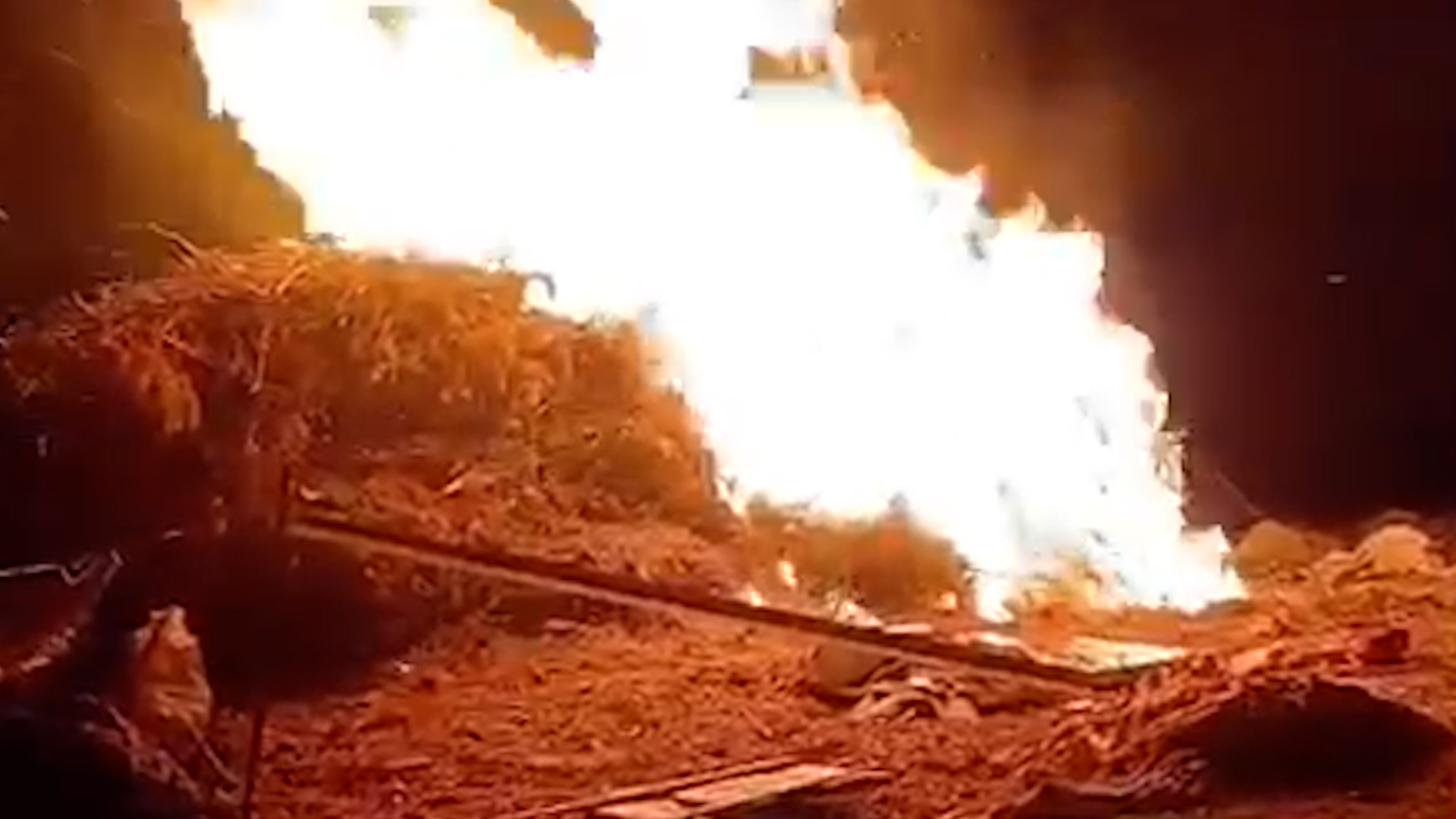
Israeli settlers in the occupied West Bank have set fire to three villages in Masafer Yatta in the occupied West Bank, where the UN says attacks against Palestinians and their property have reached unprecedented levels.
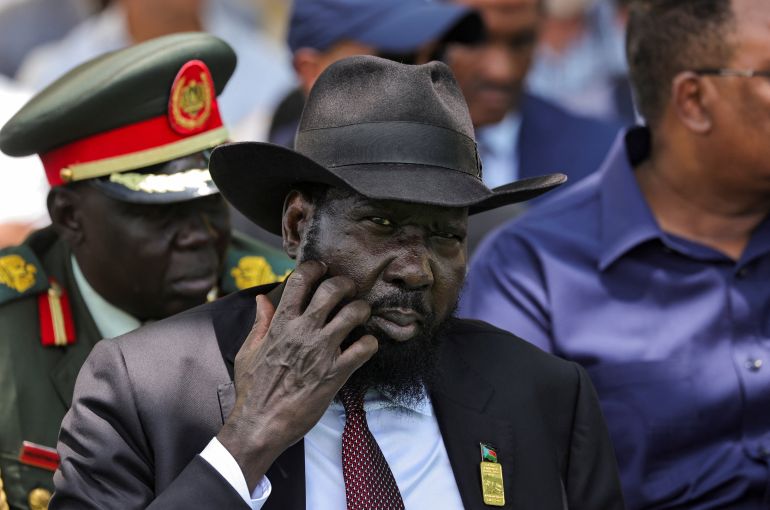
South Sudan’s army, following territorial losses in recent weeks, has announced a major military operation against opposition forces, raising fears for civilian safety.
In a statement on Sunday, army spokesman Lul Ruai Koang said Operation Enduring Peace would commence as he ordered civilians to evacuate three counties in Jonglei state immediately. He directed aid groups to leave within 48 hours.
list of 3 itemsend of list
Koang told The Associated Press news agency on Monday that the operation aims to recapture towns recently seized by opposition forces and “re-establish law and order”.
“The country is not at war,” Information Minister Ateny Wek Ateny told reporters in Juba on Tuesday. “We are only stopping the advancement” of the opposition forces, he said.
However, this came days after a senior army commander was filmed urging his troops to kill civilians and destroy property in the Jonglei offensive, drawing rebuke from the United Nations and others.
“It is now indisputable: South Sudan has returned to war,” said Alan Boswell, the International Crisis Group’s project director for the Horn of Africa. “It is incredibly tragic for a country that only grows weaker and poorer.”
Here’s what to know about the resurgence of violence in South Sudan:
Beginning in December, a coalition of opposition forces seized a string of government outposts in central Jonglei, a region that is the homeland of the Nuer ethnic group and an opposition stronghold.
Some of those forces are loyal to opposition leader Riek Machar, while others consider themselves part of an ethnic Nuer militia called the White Army. White Army fighters have historically fought alongside Machar but consider themselves a distinct group.
Machar, an ethnic Nuer, was made the most senior of five vice presidents under a 2018 peace agreement that ended fighting between his forces and those loyal to President Salva Kiir, an ethnic Dinka, the country’s largest group.
That five-year civil war was waged largely along ethnic lines, killing an estimated 400,000 people.

There has been a resurgence of violence in the past year, with sporadic fighting.
Machar was suspended last year as South Sudan’s number two after White Army fighters overran a military garrison in the town of Nasir. He now faces treason and other charges over that attack, which authorities allege Machar helped orchestrate. But Machar’s allies and some international observers say the charges are politically motivated. He remains under house arrest while his trial unfolds slowly in the capital, Juba.
Machar’s trial is widely seen as a violation of the 2018 peace agreement. Yet Kiir and his allies say the agreement is still being implemented, pointing to a faction of the opposition still in the unity government.
Forces loyal to Machar have declared the agreement dead, and have since ratcheted up pressure on the army by seizing armouries and launching hit-and-run attacks on government positions. The government has relied largely on aerial bombardments to beat back a rebellion that analysts say is gaining momentum across multiple states.
After seizing the government outpost of Pajut in Jonglei on January 16, opposition forces threatened to advance towards Juba. The government has responded by amassing fighters in nearby Poktap, while several thousand Ugandan soldiers defend Juba.
Army chief Paul Nang gave his troops one week to “crush the rebellion” in Jonglei.
On Saturday, a day before the army announced its offensive, a senior military commander was filmed urging his forces to kill all civilians and destroy property during operations in Jonglei. It was not clear who took the video, which has been shared on social media.
“Spare no lives,” General Johnson Olony told forces in Duk county, not far from Pajut. “When we arrive there, don’t spare an elderly, don’t spare a chicken, don’t spare a house or anything.”
Armed groups in South Sudan, including the military, have repeatedly been implicated in civilian abuses, including sexual violence and forced recruitment.
Olony’s comments were particularly aggressive and drew concern. “We are shocked, we are disturbed, we are surprised,” said Edmund Yakani, a prominent civic leader.
His words showed that government troops were being “empowered to commit atrocities, to commit crimes against humanity, and, potentially, even to commit a genocide,” Yakani said.

The UN Commission on Human Rights in South Sudan expressed “grave alarm” at developments that it said “significantly heighten the risk of mass violence against civilians”.
Machar’s political group said in a statement that Olony’s words were an “early indicator of genocidal intent”.
Speaking to the AP, government spokesman Ateny Wek Ateny called Olony’s comments “uncalled for” and “a slip of the tongue”.
But he also said while it was possible that Olony was “trying to boost the morale of his forces”, his words are not indicative of government policy.
Olony, appointed assistant chief of defence forces for mobilisation and disarmament a year ago, also leads a militia, known as the Agwelek, from his Shilluk tribe that agreed to integrate into the army last year.
The deployment of forces to Nuer communities by Olony is contentious because of a separate rivalry between the Shilluk and Nuer communities. In 2022, White Army fighters razed Shilluk villages and displaced thousands of civilians before the government intervened with attack helicopters.
Olony’s forces were also involved in military operations in other Nuer communities last year.