Australia captain Cummins back for third Ashes Test

Getty Images
  • 83 Comments

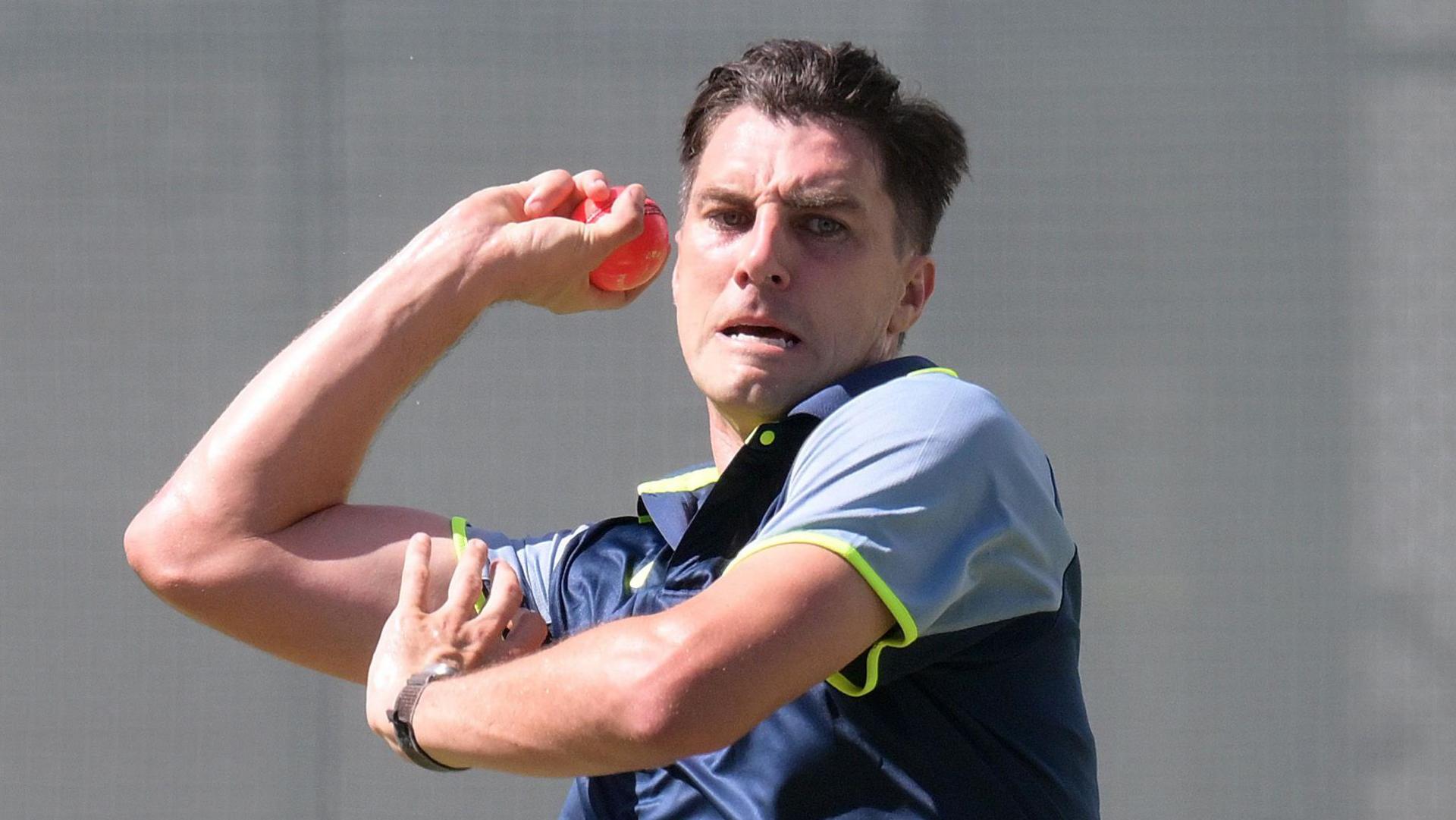
Australia captain Pat Cummins will return for what could be a decisive third Ashes Test against England in Adelaide next week.

The fast bowler missed the first two Tests – which Australia won – because of a back problem.

His addition is the only change to the Australia squad following the eight-wicket win in Brisbane.

Australia need only a draw in Adelaide to retain the Ashes, while victory will mean they win the five-Test series.

England have never come from 2-0 down to win the Ashes.

Cummins has not played since July, but trained with the rest of the squad around the first two Tests.

There was a suggestion he may have played in the second Test, and he took part in a public selection meeting the day before the game, only for Steve Smith to remain in temporary charge.

“He looks like he’s moving really well,” said Australia wicketkeeper Alex Carey. “He’s been around the group the whole time with lots of energy.”

The rest of the Australia squad is as expected, with pace bowler Josh Hazlewood absent for the rest of the series because of hamstring and Achilles problems.

Fast bowler Jhye Richardson will also train with Australia in Adelaide as he continues to recover from a shoulder injury, with a view to possibly playing later in the series.

Off-spinner Nathan Lyon missed out on the team in Brisbane and is expected to return in Adelaide. If Lyon is included along with Cummins, it could mean seamers Brendan Doggett and Michael Neser are left out.

Australia have another decision to make over Usman Khawaja. The left-hander was unable to open in the first Test because of a back problem, which then caused him to miss the second Test.

    • 26 minutes ago
    • 15 minutes ago
    • 13 hours ago

While Australia’s players have returned home between Tests, the England squad have taken a break in the beach town of Noosa. They will return to training on Sunday.

In order to get back into the series, England must end a 17-Test winless run in Australia when they take the field at the Adelaide Oval.

Although Australia have won the previous three Ashes series in this country, they squandered a 2-0 lead in England in 2023 to draw 2-2.

“The way we’ve started the series has been good,” said Carey. “To come to Adelaide 2-0 is a good position to be in, but we understand the series is definitely not over.

“You can get into trouble if you start looking at the end of the series in Sydney already.

“We know England are a very good cricket team and we know we were in a position like this in England, then we weren’t able to win that series.

To play this video you need to enable JavaScript in your browser.

Related topics

  • Australia
  • The Ashes
  • Cricket

Australia captain Cummins back for third Ashes Test

Getty Images
  • 83 Comments

Australia captain Pat Cummins will return for what could be a decisive third Ashes Test against England in Adelaide next week.

The fast bowler missed the first two Tests – which Australia won – because of a back problem.

His addition is the only change to the Australia squad following the eight-wicket win in Brisbane.

Australia need only a draw in Adelaide to retain the Ashes, while victory will mean they win the five-Test series.

England have never come from 2-0 down to win the Ashes.

Cummins has not played since July, but trained with the rest of the squad around the first two Tests.

There was a suggestion he may have played in the second Test, and he took part in a public selection meeting the day before the game, only for Steve Smith to remain in temporary charge.

“He looks like he’s moving really well,” said Australia wicketkeeper Alex Carey. “He’s been around the group the whole time with lots of energy.”

The rest of the Australia squad is as expected, with pace bowler Josh Hazlewood absent for the rest of the series because of hamstring and Achilles problems.

Fast bowler Jhye Richardson will also train with Australia in Adelaide as he continues to recover from a shoulder injury, with a view to possibly playing later in the series.

Off-spinner Nathan Lyon missed out on the team in Brisbane and is expected to return in Adelaide. If Lyon is included along with Cummins, it could mean seamers Brendan Doggett and Michael Neser are left out.

Australia have another decision to make over Usman Khawaja. The left-hander was unable to open in the first Test because of a back problem, which then caused him to miss the second Test.

    • 26 minutes ago
    • 15 minutes ago
    • 13 hours ago

While Australia’s players have returned home between Tests, the England squad have taken a break in the beach town of Noosa. They will return to training on Sunday.

In order to get back into the series, England must end a 17-Test winless run in Australia when they take the field at the Adelaide Oval.

Although Australia have won the previous three Ashes series in this country, they squandered a 2-0 lead in England in 2023 to draw 2-2.

“The way we’ve started the series has been good,” said Carey. “To come to Adelaide 2-0 is a good position to be in, but we understand the series is definitely not over.

“You can get into trouble if you start looking at the end of the series in Sydney already.

“We know England are a very good cricket team and we know we were in a position like this in England, then we weren’t able to win that series.

To play this video you need to enable JavaScript in your browser.

Related topics

  • Australia
  • The Ashes
  • Cricket

Pogba invests in Saudi Arabian camel racing team

Getty Images

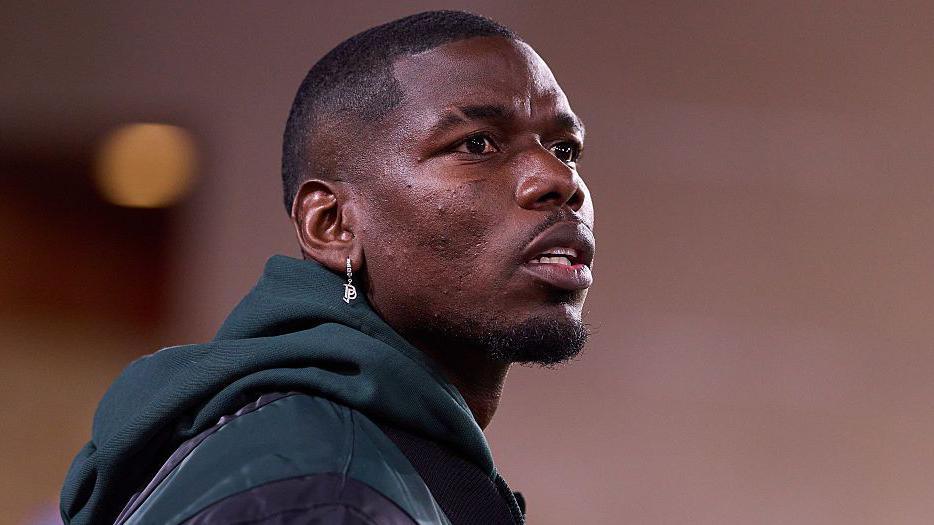
Paul Pogba has moved into the sport of camel racing after investing in Saudi Arabia-based team Al Haboob.

The Monaco midfielder has become a shareholder and ambassador for Al Haboob – the world’s first professional camel racing team competing across the United Arab Emirates and the Gulf.

Pogba, 32, told BBC Sport: “I’ve watched my fair share of [camel] races on YouTube and spent time doing research in my spare time trying to understand the techniques and strategies.

“And what stood out to me is how much dedication it takes from everyone involved. At the end of the day, sport is sport. It demands heart, sacrifice and teamwork.”

    • 21 November
    • 5 August

“People might not realise it, but sport always connects in some way,” added Frenchman Pogba.

“Whether it’s football, camel racing, boxing – the foundations are similar. You need determination, you need focus, you need discipline and grit. That’s what makes champions at the end of the day.”

Pogba, who became the world’s most expensive player when he joined Manchester United from Juventus in 2016 for £89m, added: “Being the world’s most expensive footballer was an honour, but it also came with a lot of hard work, pressure and responsibility.

“Owning the world’s most expensive camel one day would be a beautiful full-circle moment – something fun, something meaningful and something that excites me. Maybe one day we make it happen.”

Al Haboob, founded by entrepreneurs Omar Almaeena and Safwan Modir, is the world’s first modern camel racing team to compete internationally.

“Paul’s involvement is transformational,” said Almaeena.

“His influence, leadership, and passion for cultural storytelling reflect exactly what Al Haboob stands for. This partnership is about more than racing; it is about sharing a heritage that deserves global recognition.”

Pogba made his long-awaited return to professional football on 22 November after coming on as a late substitute in Monaco’s 4-1 Ligue 1 defeat by Rennes.

The 2018 World Cup winner had not played since featuring for Juventus against Empoli in September 2023, following an original four-year doping ban, that was cut to 18 months by the Court of Arbitration for Sport (Cas).

Related topics

  • Football

More on this story

    • 17 October
    A graphic of Premier League players from every team in the division in 2025-26 season, with the Premier League trophy in front of them.
    • 16 August
    BBC Sport microphone and phone

Pogba invests in Saudi Arabian camel racing team

Getty Images

Paul Pogba has moved into the sport of camel racing after investing in Saudi Arabia-based team Al Haboob.

The Monaco midfielder has become a shareholder and ambassador for Al Haboob – the world’s first professional camel racing team competing across the United Arab Emirates and the Gulf.

Pogba, 32, told BBC Sport: “I’ve watched my fair share of [camel] races on YouTube and spent time doing research in my spare time trying to understand the techniques and strategies.

“And what stood out to me is how much dedication it takes from everyone involved. At the end of the day, sport is sport. It demands heart, sacrifice and teamwork.”

    • 21 November
    • 5 August

“People might not realise it, but sport always connects in some way,” added Frenchman Pogba.

“Whether it’s football, camel racing, boxing – the foundations are similar. You need determination, you need focus, you need discipline and grit. That’s what makes champions at the end of the day.”

Pogba, who became the world’s most expensive player when he joined Manchester United from Juventus in 2016 for £89m, added: “Being the world’s most expensive footballer was an honour, but it also came with a lot of hard work, pressure and responsibility.

“Owning the world’s most expensive camel one day would be a beautiful full-circle moment – something fun, something meaningful and something that excites me. Maybe one day we make it happen.”

Al Haboob, founded by entrepreneurs Omar Almaeena and Safwan Modir, is the world’s first modern camel racing team to compete internationally.

“Paul’s involvement is transformational,” said Almaeena.

“His influence, leadership, and passion for cultural storytelling reflect exactly what Al Haboob stands for. This partnership is about more than racing; it is about sharing a heritage that deserves global recognition.”

Pogba made his long-awaited return to professional football on 22 November after coming on as a late substitute in Monaco’s 4-1 Ligue 1 defeat by Rennes.

The 2018 World Cup winner had not played since featuring for Juventus against Empoli in September 2023, following an original four-year doping ban, that was cut to 18 months by the Court of Arbitration for Sport (Cas).

Related topics

  • Football

More on this story

    • 17 October
    A graphic of Premier League players from every team in the division in 2025-26 season, with the Premier League trophy in front of them.
    • 16 August
    BBC Sport microphone and phone

Gaza and the unravelling of a world order built on power

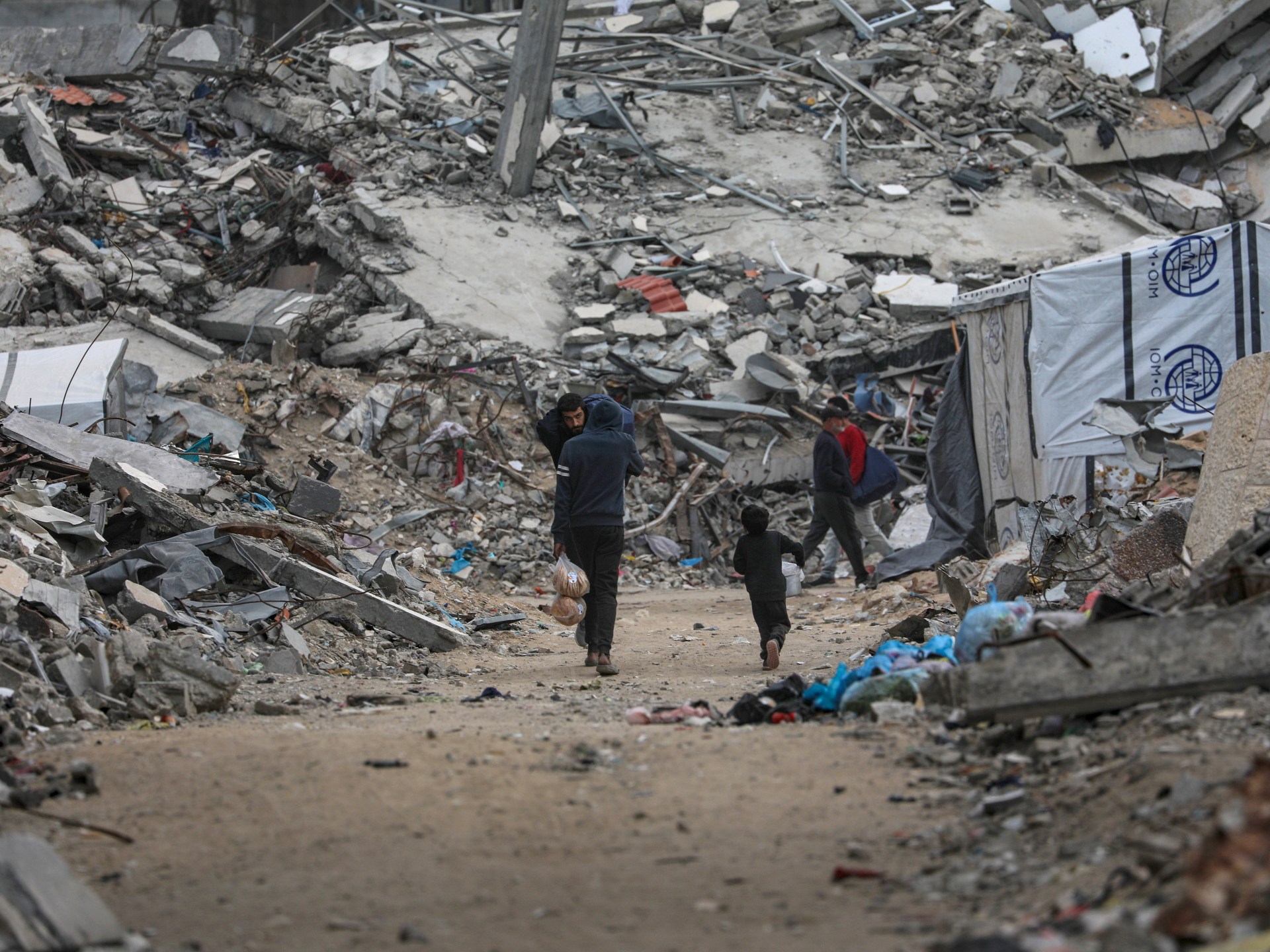
The catastrophic violence in Gaza has unfolded within an international system that was never designed to restrain the geopolitical ambitions of powerful states. Understanding why the United Nations has proved so limited in responding to what many regard as a genocidal assault requires returning to the foundations of the post–World War II order and examining how its structure has long enabled impunity rather than accountability.

After World War II, the architecture for a new international order based on respect for the UN Charter and international law was agreed upon as the normative foundation of a peaceful future. Above all, it was intended to prevent a third world war. These commitments emerged from the carnage of global conflict, the debasement of human dignity through the Nazi Holocaust, and public anxieties about nuclear weaponry.

Yet, the political imperative to accommodate the victorious states compromised these arrangements from the outset. Tensions over priorities for world order were papered over by granting the Security Council exclusive decisional authority and further limiting UN autonomy. Five states were made permanent members, each with veto power: the United States, the Soviet Union, France, the United Kingdom, and China.

In practice, this left global security largely in the hands of these states, preserving their dominance. It meant removing the strategic interests of geopolitical actors from any obligatory respect for legal constraints, with a corresponding weakening of UN capability. The Soviet Union had some justification for defending itself against a West-dominated voting majority, yet it too used the veto pragmatically and displayed a dismissive approach to international law and human rights, as did the three liberal democracies.

In 1945, these governments were understood as simply retaining the traditional freedoms of manoeuvre exercised by the so-called Great Powers. The UK and France, leading NATO members in a Euro-American alliance, interpreted the future through the lens of an emerging rivalry with the Soviet Union. China, meanwhile, was preoccupied with a civil war that continued until 1949.

Three aspects of this post-war arrangement shape our present understanding.

First, the historical aspect: Learning from the failures of the League of Nations, where the absence of influential states undermined the organisation’s relevance to questions of war and peace. In 1945, it was deemed better to acknowledge power differentials within the UN than to construct a global body based on democratic equality among sovereign states or population size.

Second, the ideological aspect: Political leaders of the more affluent and powerful states placed far greater trust in hard-power militarism than in soft-power legalism. Even nuclear weaponry was absorbed into the logic of deterrence rather than compliance with Article VI of the Non-Proliferation Treaty, which required good-faith pursuit of disarmament. International law was set aside whenever it conflicted with geopolitical interests.

Third, the economistic aspect: The profitability of arms races and wars reinforced a pre–World War II pattern of lawless global politics, sustained by an alliance of geopolitical realism, corporate media, and private-sector militarism.

Why the UN could not protect Gaza

Against this background, it is unsurprising that the UN performed in a disappointing manner during the two-plus years of genocidal assault on Gaza.

In many respects, the UN did what it was designed to do in the turmoil after October 7, and only fundamental reforms driven by the Global South and transnational civil society can alter this structural limitation. What makes these events so disturbing is the extremes of Israeli disregard for international law, the Charter, and even basic morality.

At the same time, the UN did act more constructively than is often acknowledged in exposing Israel’s flagrant violations of international law and human rights. Yet, it fell short of what was legally possible, particularly when the General Assembly failed to explore its potential self-empowerment through the Uniting for Peace resolution or the Responsibility to Protect norm.

Among the UN’s strongest contributions were the near-unanimous judicial outcomes at the International Court of Justice (ICJ) on genocide and occupation. On genocide, the ICJ granted South Africa’s request for provisional measures concerning genocidal violence and the obstruction of humanitarian aid in Gaza. A final decision is expected after further arguments in 2026.

On occupation, responding to a General Assembly request for clarification, the Court issued a historic advisory opinion on July 19, 2024, finding Israel in severe violation of its duties under international humanitarian law in administering Gaza, the West Bank, and East Jerusalem. It ordered Israel’s withdrawal within a year. The General Assembly affirmed the opinion by a large majority.

Israel responded by repudiating or ignoring the Court’s authority, backed by the US government’s extraordinary claim that recourse to the ICJ lacked legal merit.

The UN also provided far more reliable coverage of the Gaza genocide than was available in corporate media, which tended to amplify Israeli rationalisations and suppress Palestinian perspectives. For those seeking a credible analysis of genocide allegations, the Human Rights Council offered the most convincing counter to pro-Israeli distortions. A Moon Will Arise from this Darkness: Reports on Genocide in Palestine, containing the publicly submitted reports of the special rapporteur, Francesca Albanese, documents and strongly supports the genocide findings.

A further unheralded contribution came from UNRWA, the UN agency for Palestinian refugees, whose services were essential to a civilian population facing acute insecurity, devastation, starvation, disease, and cruel combat tactics. Some 281 staff members were killed while providing shelter, education, healthcare, and psychological support to beleaguered Palestinians during the course of Israel’s actions over the past two years.

UNRWA, instead of receiving deserved praise, was irresponsibly condemned by Israel and accused, without credible evidence, of allowing staff participation in the October 7 attack. Liberal democracies compounded this by cutting funding, while Israel barred international staff from entering Gaza. Nevertheless, UNRWA has sought to continue its relief work to the best of its ability and with great courage.

In light of these institutional shortcomings and partial successes, the implications for global governance become even more stark, setting the stage for a broader assessment of legitimacy and accountability.

The moral and political costs of UN paralysis

The foregoing needs to be read in light of the continuing Palestinian ordeal, which persists despite numerous Israeli violations, resulting in more than 350 Palestinian deaths since the ceasefire was agreed upon on October 10, 2025.

International law seems to have no direct impact on the behaviour of the main governmental actors, but it does influence perceptions of legitimacy. In this sense, the ICJ outcomes and the reports of the special rapporteur that take the international law dimensions seriously have the indirect effect of legitimising various forms of civil society activism in support of true and just peace, which presupposes the realisation of Palestinian basic rights – above all, the inalienable right of self-determination.

The exclusion of Palestinian participation in the US-imposed Trump Plan for shaping Gaza’s political future is a sign that liberal democracies stubbornly adhere to their unsupportable positions of complicity with Israel.

Finally, the unanimous adoption of Security Council Resolution 2803 in unacceptably endorsing the Trump Plan aligns the UN fully with the US and Israel, a demoralising evasion and repudiation of its own truth-telling procedures. It also establishes a most unfortunate precedent for the enforcement of international law and the accountability of perpetrators of international crimes.

In doing so, it deepens the crisis of confidence in global governance and underscores the urgent need for meaningful UN reform if genuine peace and justice are ever to be realised.
Zelenskyy says Ukraine ready to hold polls if US, allies ensure security

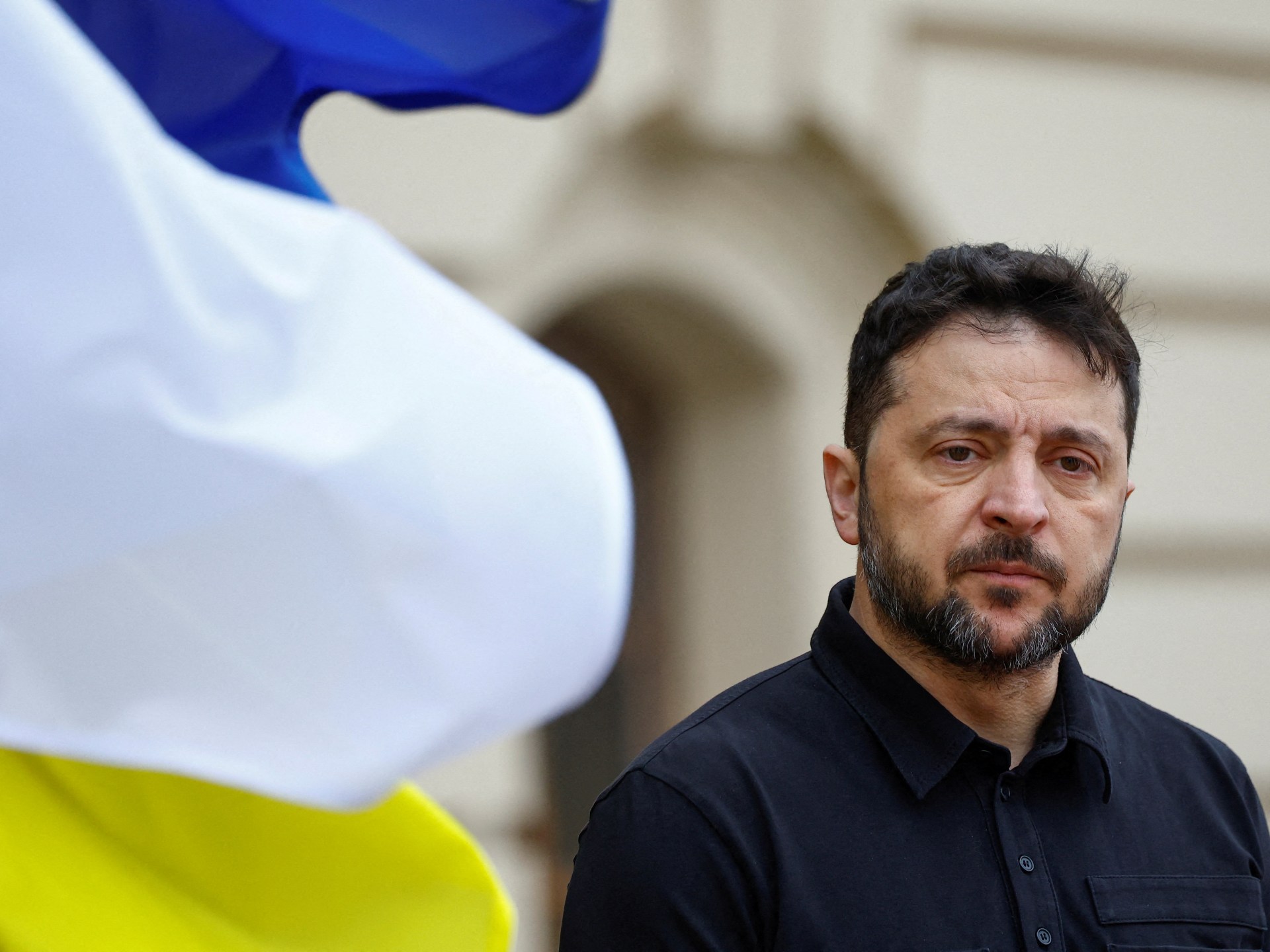
Ukrainian President Volodymyr Zelenskyy has declared that his government was prepared to hold elections within three months if the United States and Kyiv’s other allies can ensure the security of the voting process.

Zelenskyy issued his statement on Tuesday as he faced renewed pressure from US President Donald Trump, who suggested in an interview with a news outlet that the Ukrainian government was using Russia’s war on their country as an excuse to avoid elections.

Recommended Stories

list of 3 itemsend of list

Wartime elections are forbidden under Ukrainian law, and Zelenskyy’s term in office as the country’s elected president expired last year.

“I’m ready for elections, and moreover I ask… that the US help me, maybe together with European colleagues, to ensure the security of an election,” Zelenskyy said in comments to reporters.

“And then in the next 60-90 days, Ukraine will be ready to hold an election,” he said.

In a Politico news article published earlier on Tuesday, Trump was quoted as saying: “You know, they [Ukraine] talk about a democracy, but it gets to a point where it’s not a democracy any more.”

Zelenskyy dismissed the suggestion that he was clinging to power as “totally inadequate”.

He then said that he would ask parliament to prepare proposals for new legislation that could allow for elections during martial law.

Earlier this year, Ukraine’s parliament overwhelmingly approved a resolution affirming the legitimacy of Zelenskyy’s wartime stay in office, asserting the constitutionality of deferring the presidential election while the country fights Russia’s invasion.

In February, Trump also accused Zelenskyy of being a “dictator”, echoing claims previously made by Russian President Vladimir Putin.

Zelenskyy and other officials have routinely dismissed the idea of holding elections while frequent Russian air strikes take place across the country, nearly a million troops are at the front and millions more Ukrainians are displaced. Also uncertain is the voting status of those Ukrainians living in the one-fifth of the country occupied by Russia.

Polls also show that Ukrainians are against holding wartime elections, but they also want new faces in a political landscape largely unchanged since the last national elections in 2019.

Ukraine, which is pushing back on a US-backed peace plan seen as Moscow-friendly, is also seeking strong security guarantees from its allies that would prevent any new Russian invasion in the future.