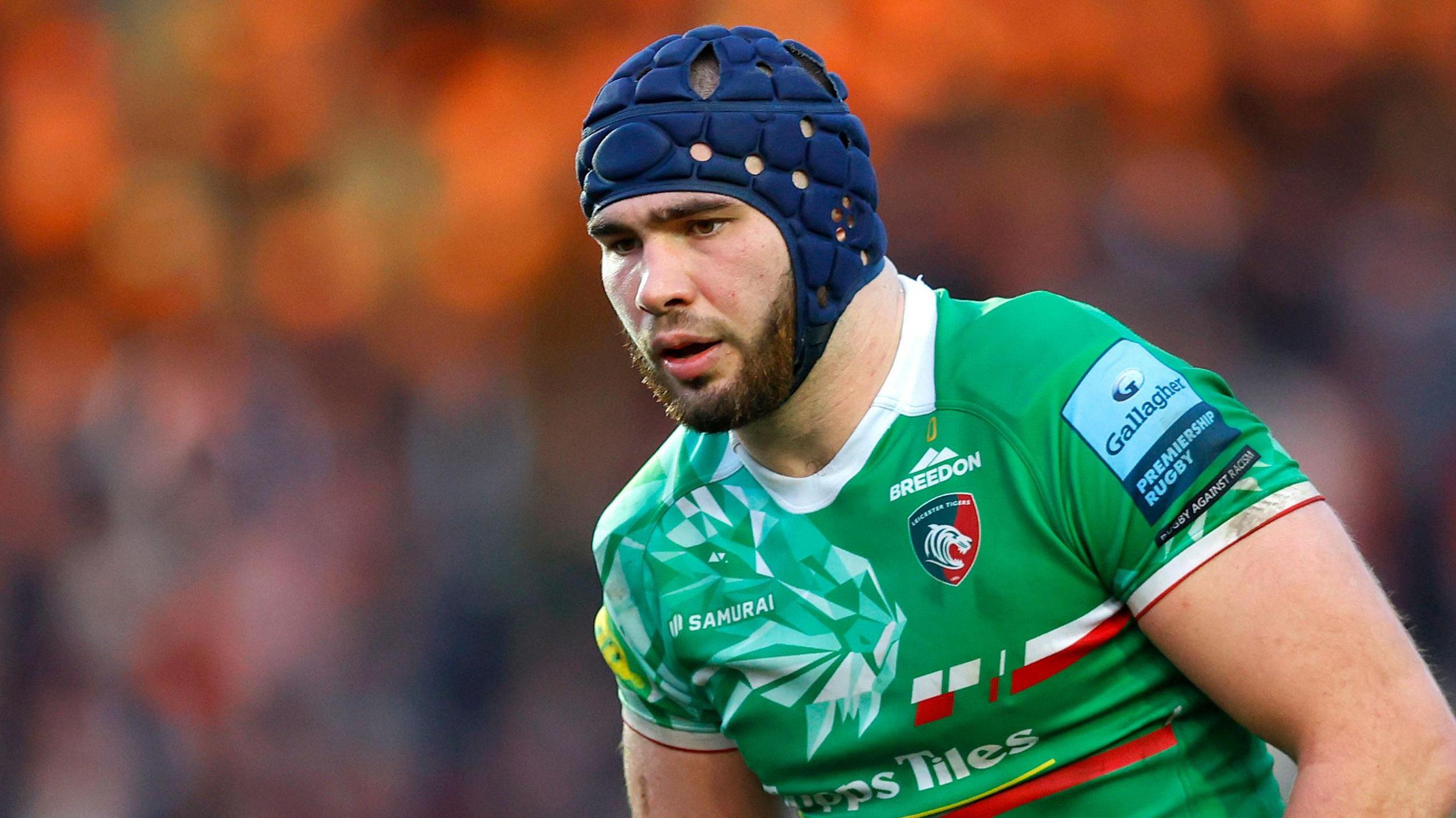
Saracens confirm signing of England lock Martin

Getty Images

Saracens have confirmed the signing of Leicester’s England lock George Martin.

The 24-year-old will join the London club in the summer, when his contract expires. He has spent his entire career so far with the Tigers.

Martin has scored nine tries in 73 appearances and was a member of Leicester’s Premiership title-winning side of 2022.

He made his England debut against Ireland in March 2021 and has won 21 caps but is currently out of action because of a shoulder injury.

“George is a highly driven young player who we are delighted to welcome to the club,” said Saracens director of rugby Mark McCall.

“His attributes and character will complement and add value to the group and we are looking forward to him realising his potential in the years ahead.”

Martin signed what was described as a “multi-year” contract with Leicester in December 2023.

The second-rower has not played since being forced off the pitch in England’s Six Nations victory against France 10 months ago, and he is not expected to be available again until the end of January.

Leicester are fourth in the Prem Rugby table after four wins from six games so far, but they began their European Champions Cup campaign with a 39-20 defeat at La Rochelle on Saturday.

“We would have liked George to stay with the club as he’s a top-quality player developed through our academy alongside many of the current team,” said Leicester head coach Geoff Parling.

Related topics

  • Saracens
  • Rugby Union
  • Leicester Tigers

More on this story

    • 1 day ago
    Finn Russell celebrates Bath's win over Munster
    • 1 day ago
    Will Stuart
  • Rugby Union Weekly

Championship should have VAR for ‘more fairness’

Shutterstock
  • 92 Comments

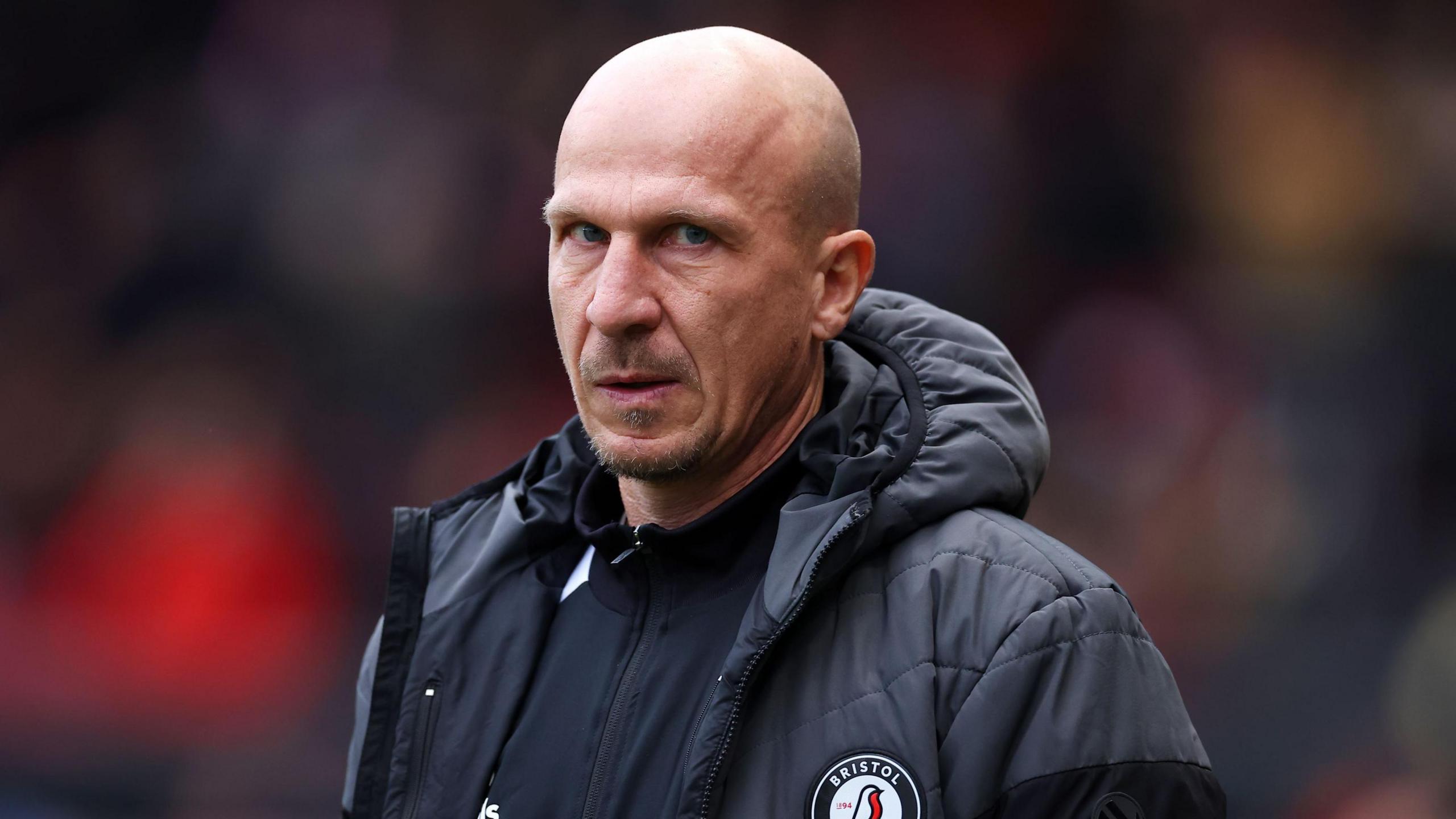
Bristol City head coach Gerhard Struber believes the Championship should have VAR brought in to create “more fairness”.

The Robins saw a late equaliser disallowed for offside in their 1-0 defeat by Millwall on Saturday, resulting in a huge post-match melee involving staff and players from both sides.

Video assistant referees were brought into the Premier League at the start of the 2019-20 season, but in the Championship the technology has only been used in play-off finals since 2022.

“I am not a fan of VAR but this shows us the many signs, evaluations that with VAR the decisions are better and more fair,” Struber told BBC Radio Bristol.

“We should do everything for more fairness and the last game showed us this on a really good picture.”

As well as the Premier League, VAR is used in all the major leagues around Europe including the Bundesliga, La Liga, Serie A and Ligue 1 and also in others including domestic competitions in the Netherlands, Turkey, Hong Kong and Saudi Arabia.

Struber said the quality of the Championship meant it should be implemented in England’s second tier.

“It’s not always so easy to deal and handle the game with [such a] high dynamic, [so] the referees they have everything in a good picture with the pressure with the atmosphere and the high dynamic,” Struber added.

“The Championship is one of the most attractive and interesting and dynamic leagues over the whole world and I would say this would deserve VAR.

To play this video you need to enable JavaScript in your browser.

City next take on Leicester at home on Wednesday, before a trip to league leaders Coventry on Saturday.

The Foxes are seven places behind the Robins in 14th but separated by just two points

“It’s completely a different opponent, a really, really good quality with the biggest strength in possession – they celebrate possession,” Struber said.

“With [Jannick] Vestergaard they have a very experienced player with top skills on [the] ball and they have in the right areas high dynamic players, strikers, also what they bring from the bench.

“This is a team from the Premier League and we know that and have really big respect for them but we have a really good energy and we have a really good roster – we have very interesting players.

Related topics

  • Championship
  • Football
  • Bristol City

More on this story

  • Bristol City
  • Bristol City crest on a corner flag

New Cambodia-Thailand clash: What’s up with the other wars Trump ‘ended’?

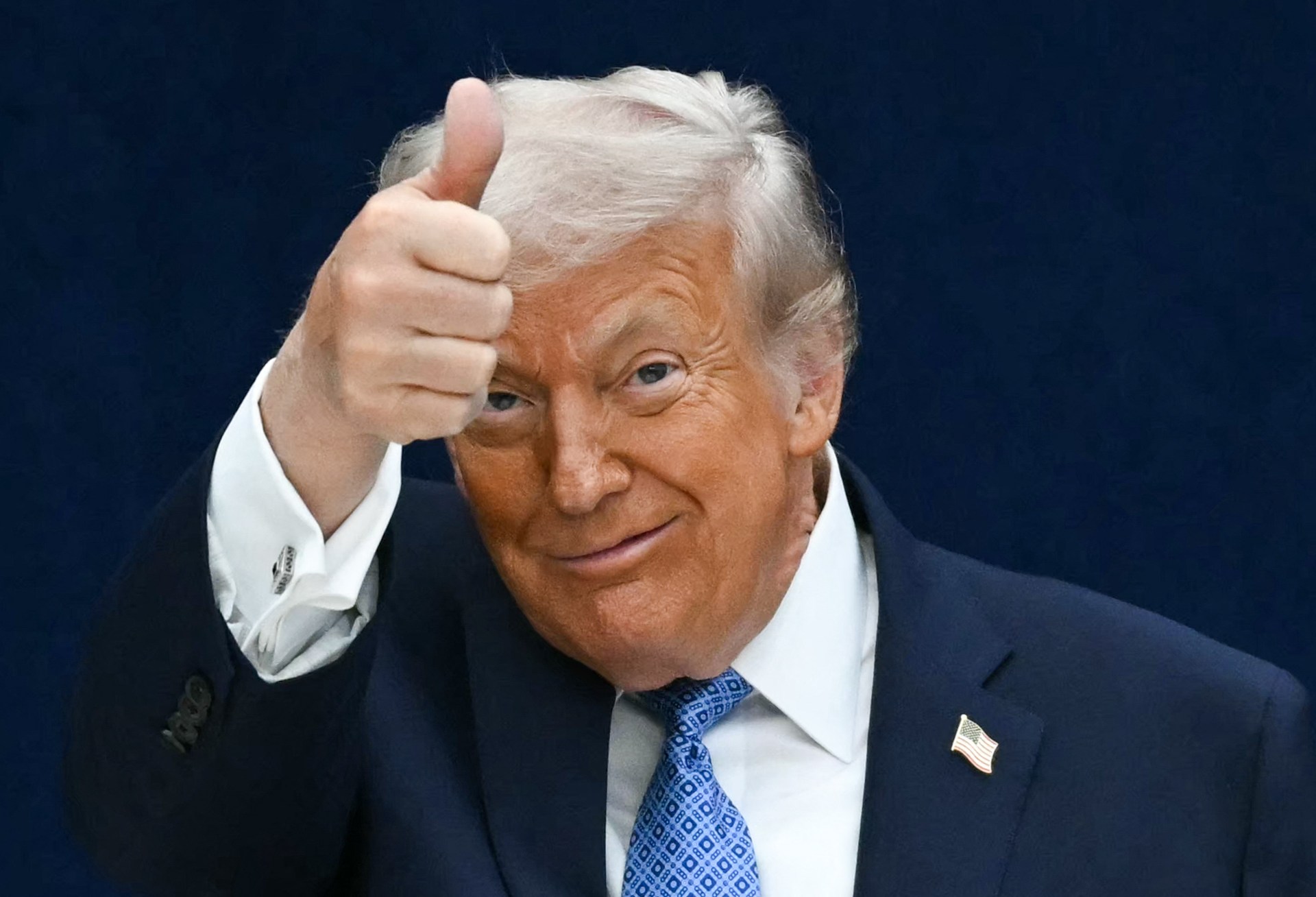
Deadly fighting has erupted between Thailand and Cambodia, weeks after the two sides signed a ceasefire deal in Malaysia presided over by United States President Donald Trump.

Now the Trump-brokered peace agreement is on the brink of collapse after soldiers from the two Southeast Asian neighbours clashed again on Monday. At least 12 people have been killed and thousands displaced from both sides as clashes continued for the second day.

Recommended Stories

list of 4 itemsend of list

Nearly 50 people were killed and 300,000 displaced during the five-day fighting in July before Trump intervened to broker a ceasefire.

Trump has claimed to have stopped at least eight wars since he took office in January. But several of the conflicts he claimed to have resolved continue to fester.

Since the multi-phase Gaza ceasefire deal was announced by the US president in October, Israel has killed more than 400 Palestinians in violation of the deal. He mediated a deal between the Democratic Republic of the Congo and Rwanda in October, but that has not ended the fighting.

What was the Kuala Lumpur joint agreement for peace?

The latest clashes have threatened to shatter Cambodia and Thailand’s delicate truce, which was first agreed in July before an expanded version was signed in October in a meeting attended by President Trump.

“I am pleased to announce that, after the involvement of President Donald J Trump, both Countries have reached a CEASEFIRE and PEACE,” Trump had posted in July. “Congratulations to all! By ending this War, we have saved thousands of lives.”

Below are the main points about the ceasefire:

  • In the deal brokered by Malaysia and the US, both countries agreed to military de-escalation, including removing heavy weaponry and landmines from the border under ASEAN supervision.
  • They also agreed to stop engaging in online information warfare, spurring the conflict.
  • Since October, however, several rounds of renewed clashes and mutual accusations have threatened the ceasefire.
  • Last month, Thailand said it would suspend its implementation of the deal after one of its soldiers was wounded in a landmine explosion.

An analyst told Al Jazeera that the fragile ceasefire was “forced” under threat of Trump tariffs.

“For all of us who are keen observers, the ceasefire was forced by the Trump administration and Trump’s involvement,” Virak Ou, the founder of Cambodian think tank Future Forum, told Al Jazeera.

When Trump got involved, Ou said, the Thai military – a powerful player in Thailand’s political landscape – was “not happy”. He added that ASEAN monitoring observation teams have not been empowered with enough resources to enforce the truce, while rising nationalism in both countries has also fanned the flames of the conflict. The Association of Southeast Asian Nations (ASEAN) is a group of 11 regional nations.

“What I fear is that we’re now going to see, potentially, much longer, much deeper fighting – and that could last longer and have far deeper consequences,” Ou said.

Which wars has Trump claimed to have stopped? Have some of the truce deals survived?

The US president has claimed to have played a role in stopping or resolving wars or conflicts as follows:

• Thai-Cambodia border clashes
• Armenia and Azerbaijan deal
• Rwanda and the Democratic Republic of the Congo agreement
• Israel and Iran ceasefire
• Israel’s genocidal war on Gaza
• India and Pakistan truce
• Egypt and Ethiopia tensions
• Serbia and Kosovo conflict.

Some of the wars Trump claims to have ended are ones he participated in himself. His role in some other ceasefires is disputed. Still, there are other conflicts where the involved parties do credit him with playing a key role as mediator.

Trump said he deserved to win the Nobel Peace Prize for ending the wars.

While US weapons and the country’s ironclad diplomatic support for Israel have been critical in Israel’s genocidal war on Gaza, Trump is also widely believed to have pressured Israeli Prime Minister Benjamin Netanyahu more than his predecessor, Joe Biden, to end the Gaza war.

The war between Iran and Israel in June ended with a ceasefire brokered by Trump. But the bout of fighting, which started with Israel striking Iranian nuclear facilities, killing scientists and bombing residential neighbourhoods, also included the US as an active participant.

Trump took part in it by ordering his military to strike three Iranian nuclear sites. Iran struck back by hitting the largest US military base in the Middle East, in Qatar, before the ceasefire was announced.

In May, India and Pakistan waged an aerial war, bombing each other’s military bases. India said it also hit “terrorist” bases in Pakistan and Pakistan-administered Kashmir, while Pakistan claimed India killed dozens of civilians.

Ultimately, Trump announced a ceasefire after four days of fighting. But while Pakistan credits the US president for helping halt the fighting, India insists he had no role.

The hostilities between Cambodia and Thailand ended after phone calls from not only Trump, but also mediation from Malaysian Prime Minister Anwar Ibrahim and a delegation of Chinese negotiators. So far, only Cambodia has thanked Trump for his role.

Relations between Serbia and Kosovo have been tense since the early 2000s. The European Union and NATO have always been key mediators in this region. Kosovo and Serbia signed a deal in 2020 under Trump during his first term. While relations remain tense, the two have not been involved in a full-blown war since Trump’s return to power.

Trump says he ended a war between Egypt and Ethiopia. But while the two nations have had tense relations, especially over a hydroelectric dam which opened on a tributary of the Nile River, they have not been in any war.

Rwanda and the DRC signed a peace deal in June, brokered by Trump. The ceasefire is fragile and tensions between the two countries remain high. DRC on Tuesday accused Rwanda of violating the peace deal.

World Cup 2026: Iran objects to ‘Pride Match’ branding for Egypt game

Iran’s football chief has objected to the “irrational” branding of its World Cup 2026 match against Egypt, which local organisers in the United States have suggested will be held in support of the LGBTQ community.

The organising committee in Seattle, Washington state, where the match is scheduled to take place next year, had previously announced their intention to hold a “Pride Match” coinciding with the northwestern city’s Pride Weekend in late June.

Recommended Stories

list of 3 itemsend of list

Following last week’s FIFA tournament draw, Egypt and Iran are now slated to face off in Seattle on June 26, the Friday before.

The head of Iran’s Football Federation, Mehdi Taj, was quoted by local news agency ISNA as saying Tehran and Cairo had both raised “objections against the issue”, which he labelled an “irrational move that supports a certain group”.

Taj did not mention the specific branding of the fixture.

On Monday, Iranian state television said Tehran would “appeal” against FIFA over the matter.

Homosexuality is illegal in Iran under Islamic law and can be punishable by death.

The Egyptian Football Association has voiced similar objections, according to local media reports citing unnamed sources.

In Egypt, homosexuality is not expressly outlawed, but is often punished under loosely worded laws prohibiting “debauchery”.

The 2026 World Cup will mark Iran’s seventh participation in the tournament, which will be jointly hosted by the US, Canada and Mexico.

Iran and the US have had no diplomatic relations since 1980, following a hostage crisis in the wake of the 1979 Islamic revolution.

Iran had initially opted out of Friday’s draw to protest against the US refusal to grant visas to several members of its delegation, but eventually reversed its decision.

On Tuesday, Taj said some Iranian players might face visa problems over their service in the Iranian military, which includes the Islamic Revolutionary Guard Corps (IRGC) – designated a “terrorist organisation” by the US in 2019.

“For the World Cup, we must work on having replacement options, and we have already started that,” he said.

Iran is drawn in Group G with Belgium, Egypt and New Zealand in the 39-day tournament, which runs from June 11 to July 19.

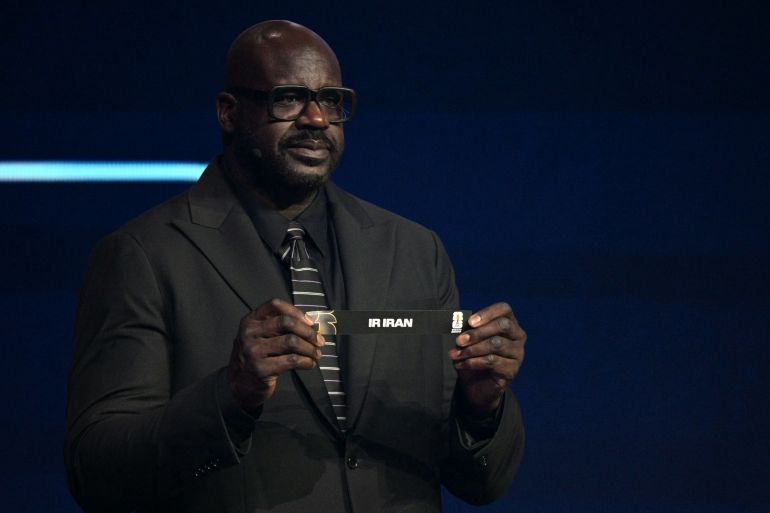
US draw assistant and former NBA player Shaquille O’Neal shows the card reading Iran during the draw for the 2026 FIFA World Cup, at the Kennedy Center, in Washington, DC, on December 5, 2025 [Jim Watson/AFP]

Why is Australia banning social media for teenagers?

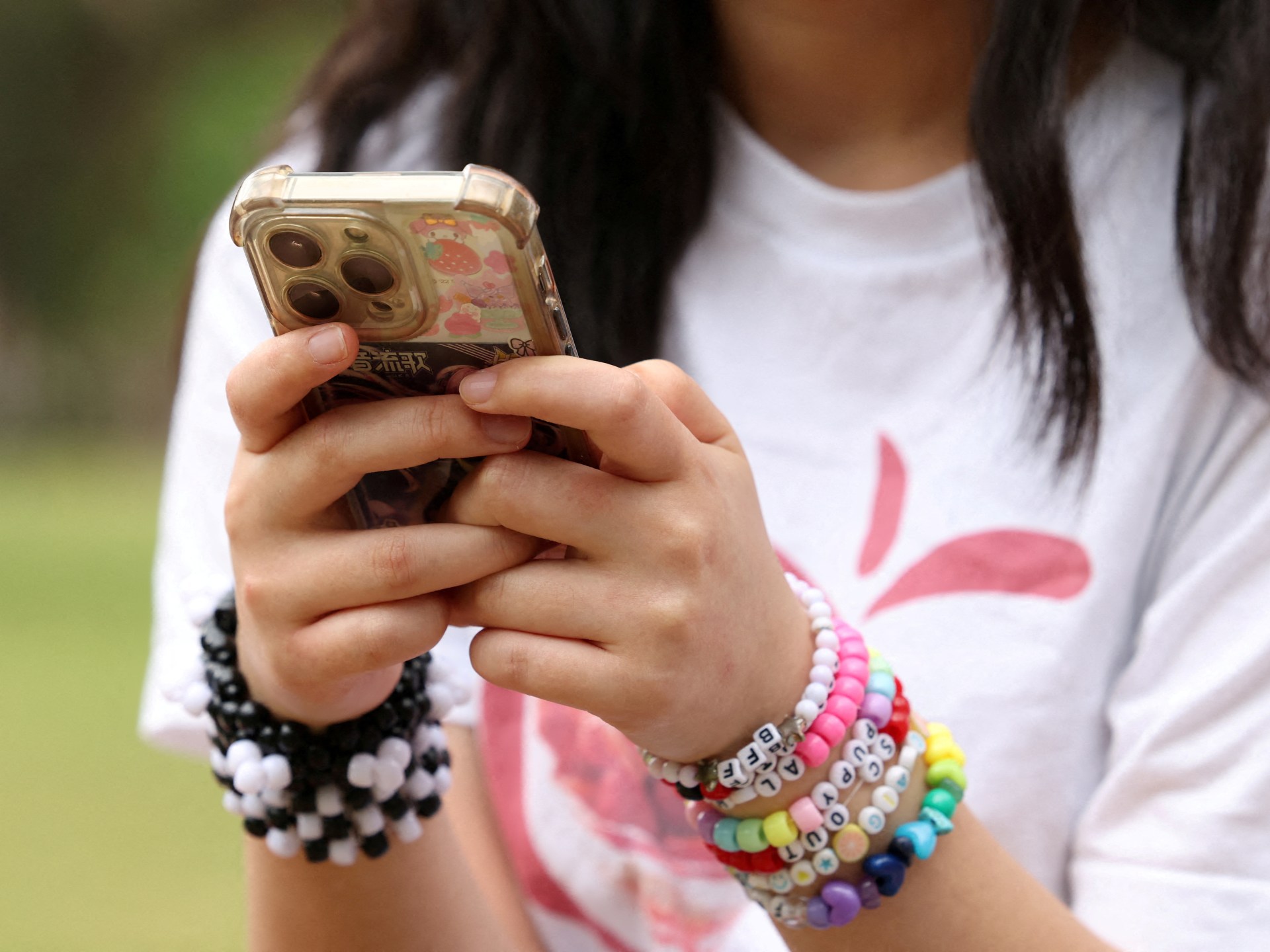
Australia will introduce the world’s first outright ban on social media for under-16s on Wednesday.

The move marks the first time a country has imposed a blanket age-based ban on social media platforms of this scale, raising questions over how it will work and whether it will protect young people.

Recommended Stories

list of 3 itemsend of list

What ban is Australia introducing?

From December 10, children below 16 years of age will be barred from opening or using accounts on popular social media platforms under new federal rules announced by Prime Minister Anthony Albanese’s government.

The policy requires platforms to block new underage accounts and to remove existing ones belonging to users younger than 16. Companies must also introduce systems to detect minors who attempt to access their services. It does not include video gaming platforms, however.

The measure comes after amendments to the Online Safety Act, overseen by Australia’s eSafety Commissioner, were announced last year. The government says the policy is its response to rising concerns about cyberbullying, sexual exploitation, self-harm content and mental health risks.

Why is Australia doing this?

Research commissioned by the Australian government in 2023 found four out of five children aged eight to 16 use social media, often beginning between the ages of 10 and 12. That report was led by former National Australia Bank CEO Andrew Thorburn, who recommended age restrictions.

The government says the ban is necessary to “keep children safe” amid rising concerns about online harms.

The eSafety Commissioner has also reported a sharp rise in the number of complaints related to child exploitation, cyberbullying and exposure to self-harm content in recent years.

The government has framed the policy as part of efforts to “lead globally” on online safety.

 How will this ban be implemented and enforced?

The eSafety Commissioner said it will issue specific standards that platforms wishing to operate in Australia must follow, including age-verification systems such as ID checks, which could include uploading an image of a user’s face, regular audits, and compulsory reporting on how platforms identify underage users.

Penalties for platforms which do not comply may include fines of up to 49.5 million Australian dollars ($31.95m). Penalties will apply to the companies, not children or parents.

But experts have warned that enforcing the ban will be extremely difficult.

Joanna Orlando, a researcher in digital wellbeing and the author of Generation Connected: How to Parent in a Digital World, told Al Jazeera: “Tech-savvy teens simply use VPNs, fake birth photos for face scans, or migrate to less regulated platforms like Lemon8, or to platforms not part of the ban like video games. Enforcement is proving to be difficult in the days leading up to the ban.”

Louise La Sala, senior research fellow in suicide prevention at Orygen – Australia’s National Centre of Excellence in Youth Mental Health – said, “Ultimately, reducing online harm would be a great outcome; however, we know from evidence that ‘banning’ anything from young people won’t work on its own.”

Aaron Mackey, the Electronic Frontier Foundation’s free speech and transparency litigation director, agreed that the ban is “quite impractical to enforce at scale”, noting that some verification methods “are often inaccurate” while others “are easily circumvented”. So, while some children below 16 will get around the restrictions, some adults may find themselves mistakenly barred.

He added inaccuracy by biometric systems can also “discriminate against people of colour and people with disabilities”.

What implications does this have for users’ privacy?

Mackey said all forms of age-gating are “a privacy nightmare that burdens the civil liberties of people both young and old”.

He explained that age verification, whether via ID uploads or biometrics, requires people “to share sensitive information about themselves that could then be abused or hacked”.

“Kids are popular targets of identity theft,” he warned.

Orlando added: “Age verification requires collecting sensitive data, including government IDs, biometrics, creating risk in terms of hackers. It is also normalising surveillance for young people.”

Leading platforms, including Meta – which owns Facebook, Instagram and Threads, in addition to WhatsApp and Messenger, which are outside the purview of the new regulation – TikTok, Snapchat, YouTube and X have all indicated that they intend to comply with the new law.

Meta said it supported efforts “to create safer online spaces for young people”, while TikTok said it was still reviewing the requirements issued by the government.

According to Meta, which is banning new accounts for under-16s, it has already begun removing underage minors from its Facebook, Instagram and Threads platforms.

What do critics of the ban say?

Supporters, including some youth mental health organisations, say social media platforms have so far failed to enforce their own age limits and that early exposure to social media can heighten the risk of bullying and being exposed to harmful content.

Australian groups such as mental health foundation Headspace and Orygen, therefore, largely welcome stronger protections for some young people who are likely to benefit from delaying social media use during vulnerable developmental stages in childhood and adolescence.

They also warn, however, that a blanket ban could pose a risk for children. “Many young people are impacted in various ways. For example, those using platforms for legitimate support networks, education, or creative expression lose access,” said Orlando.

La Sala, of Orygen, said as the ban covers only social media platforms and not video gaming, it may not work. “It’s important to recognise that harms occur on platforms not currently included in this policy. This age delay does not prevent young people from accessing content available on these platforms without an account, and we need to support young people who use these platforms to seek help or connection.

“We also cannot forget those who are 16 and older. The platforms that they use also need to be safe. Reducing exposure to harmful content and other online harms needs to be a core element of social media use for everyone.”

Critics also say the ban could end up harming the very children it aims to protect, as social media access can be life-saving for many young people.

“We’ve surveyed young people and found that access to social media can be not only beneficial but life-saving to some. Censoring such access can shut off their ability to find community and engage in self-discovery, to pursue artistic education and opportunities, and to express themselves freely and receive valuable information,” Mackay told Al Jazeera.

Young people, he added, could become “cut off from communities and information that help them grow and develop, or even that help them preserve their own domestic safety”.

“A number of young people use social media platforms to chat with their friends, stay connected, meet others, and seek support for their mental health,” said La Sala. “This is particularly true for young people from marginalised communities. It’s important that alternative places for support and connection are shared with these young people so that we do not risk further isolating them or cutting off important supports.”

Research undertaken in Australia and other countries has shown that the impact of social media on young people is complex and varies widely. Some studies link heavy use to distress and mental health problems, while others show that online platforms can provide connection and support, especially for teenagers.

Orlando said there is no research which shows social media use directly causes mental health problems. “There is no research showing that removing social media will directly improve mental health. Instead, the research shows that social media may exacerbate existing mental health issues or exploit teenagers’ vulnerabilities.

“Removing social media will likely help, but it will not cure mental health issues. Many factors influence these, such as cost of living issues, family breakdown, stress, as we know, mental health is impacted by many factors.”

However, in Australia, studies by the eSafety Commissioner have found that children who use social media frequently are more likely to be exposed to harmful content.

It found that almost three in four children aged 10 to 15 have viewed content associated with harm, including hateful material, violent videos and body-image pressure.

The regulator has also found high levels of cyberbullying, with boys and girls saying they were targeted online in the past year.

Internationally, organisations such as UNICEF have highlighted the benefits social media can offer. UNICEF’s research shows that online platforms can help young people stay connected, explore their identities and access support, especially those who live far from their peers.

Are other countries likely to follow suit?

In the United States, several states, including Utah and Arkansas, have passed laws in recent years to restrict minors’ access to social media, though many have been blocked by courts on constitutional grounds.

Malaysia has indicated it is planning to introduce a ban similar to Australia’s next year.

In the United Kingdom, the 2023 Online Safety Act imposes strict obligations on platforms to protect users below the age of 18, but does not ban them. People are required to upload proof of their age before they can view certain material deemed harmful to children.

In October, Denmark announced that it plans to ban children under the age of 15 from holding social media accounts. Those aged 13 and 14 would be allowed access with the permission of their parents. There is no timetable for this to take effect as yet.

Denmark has been jointly testing an age-verification app from the European Commission alongside France, Spain, Italy, and Greece since July this year.

In Germany, children aged 13 to 16 are only permitted to access social media with consent from their parents. However, critics say this rule is not well enforced.

In France, a 2023 law requires parental consent before children under the age of 15 can obtain social media accounts, however technical challenges mean this has not been enforced yet.
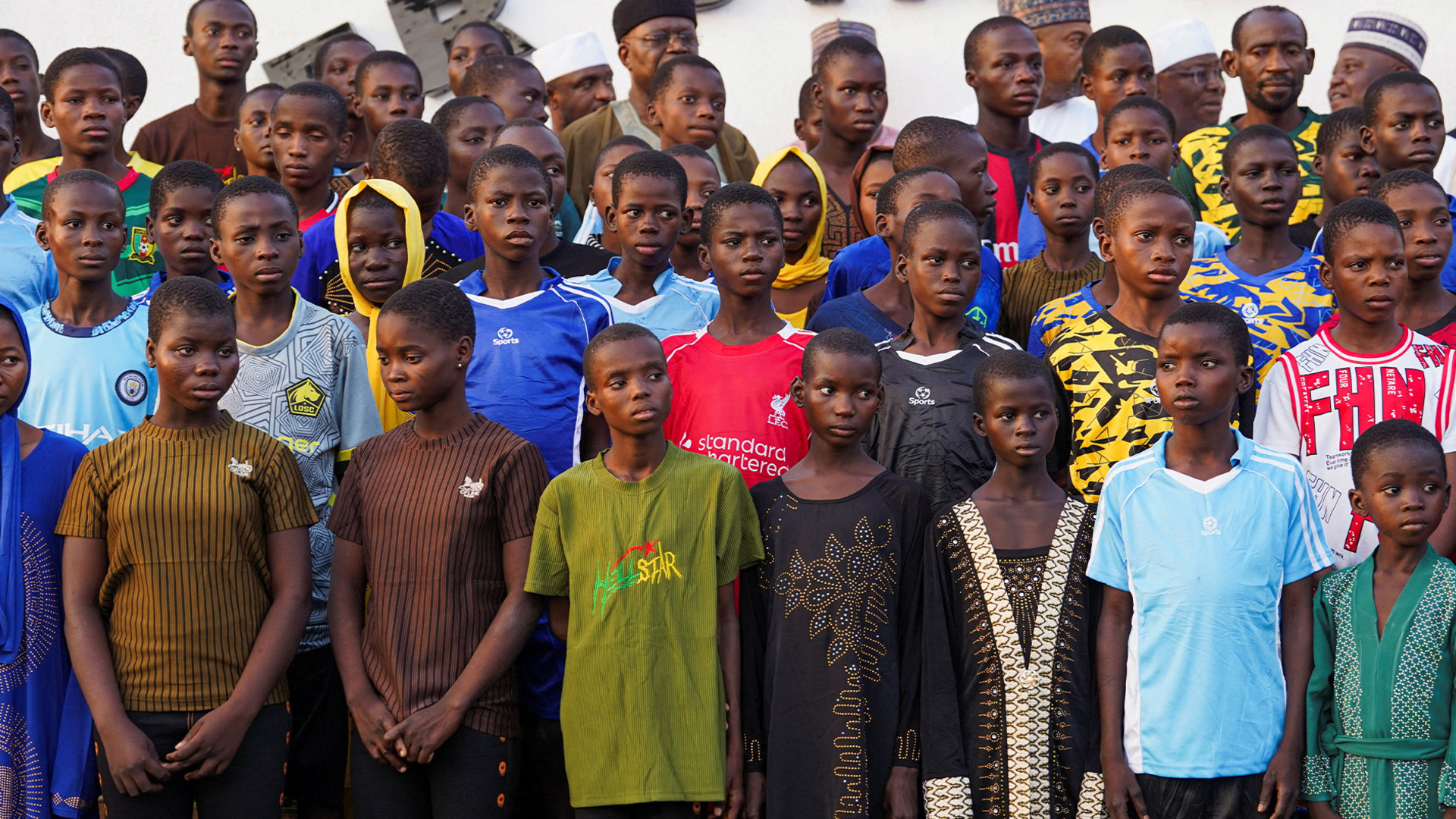
100 kidnapped children freed in Nigeria

NewsFeed

Nigeria has rescued 100 children who were abducted by gunmen from St Mary’s Catholic School in Niger state last month. The students were handed over to state officials and will undergo medical checks, while authorities continue efforts to free around 150 others still held captive.