Meghan Markle’s new photo of Princess Lilibet features hidden detail and sparks frenzy

Meghan Markle took to social media to share a photo and a short video of her daughter Princess Lilibet, delighting fans with a glimpse of the youngster

Meghan Markle has often shared small glimpses of Prince Archie and Princess Lilibet on Instagram. And fans have been treated to another snap and short video of four-year-old Lilibet as her mum the Duchess of Sussex, marked a special day.

In order to mark International Day of the Girl, Meghan shared an adorable photo of Lili running across the grass in a pink outfit. It was followed by a sweet mother-daughter picture, which showed the pair admiring the garden. It was accompanied by the caption: “To all the girls – this world is yours. Do everything you can to protect your rights, use your voice, support each other. We will do the same for you. It’s your right and our responsibility. Go get ‘em girl! Happy International Day of the Girl.”

READ MORE: Prince Harry’s weakness exposed as he ‘learns hard lesson’ in latest crushing blowREAD MORE: Kate Middleton beams on surprise outing after issuing urgent warning on family life

And yet again, fans were taken by Lilibet’s long red hair, which is tied up in a ponytail, with many remarking how much she takes after her dad, Prince Harry.

One fan wrote on X: “The cutest red headed Princess, Lilibet Diana.” While another said: “As Prince Harry said, the Spencer red gene is indeed VERY strong.

Another fan posted: “Our little red hair Princess Lilibet” and another noted: “Lili has her daddy’s height as well as his hair.”

However, it wasn’t the only detail that has been noticed in the photo. As Meghan and Lili look out to a stream, the youngster can be seen wearing her £35 rainbow bag by soft toy brand Jellycat.

The soft cuddly toys have fans all around the world and it seems it is not just Lilibet who is the only member of the Royal Family who is a fan. Earlier this year, Prince William revealed how his three children were fans of the toys and described them as ‘serious currency’ for children.

It came as he and wife Kate were reunited with the family of Liz Hatton, the teenage photographer who captured the hearts of the nation with her brave cancer fight, at a Buckingham Palace garden party.

During their meeting, Liz’s younger brother gave William and Kate lemon pie and pickled onion Jellycat toys as a gift. And it prompted the Prince of Wales to say: “My children will love these. They are children’s currency.”

Lili – the Duke and Duchess of Sussex’s youngest child – was born on June 4 2021 and was named Lilibet Diana Mountbatten-Windsor.

She only became entitled to be a princess when her grandfather the King acceded to the throne, because of rules set out by King George V in 1917.

Harry and Meghan started using prince and princess for Archie and Lili after the princess’s christening in 2023, following correspondence with Charles about the matter.

Article continues below

Lilibet is named after her great-grandmother Queen Elizabeth II. Princess Elizabeth had difficulty pronouncing her own name as a toddler and her grandfather George V would affectionately call her Lilibet, imitating her own attempts to say Elizabeth. The sweet nickname stuck and she became known as Lilibet to her family from then on.

What Trump said and did not say at the Knesset

United States President Donald Trump had the time of his life on Monday at the Israeli Knesset, where he was welcomed as “the president of peace”. His captive audience showered him with applause, laughs and too many standing ovations to count. A single protester undertook a brief outburst but was swiftly bundled out, earning the president more laughs and applause for his remark: “That was very efficient.”

It was a typical stream-of-consciousness Trump speech although he mercifully refrained from rambling about escalators and teleprompters this time.

I had initially hoped the fact that the US head of state was promptly due at a Gaza summit in Sharm el-Sheikh, Egypt, might have kept the tangents to a minimum. Such hopes were dashed, but Trump did manage to devote a good bit of time to speculating about whether his summit counterparts might have already departed Egypt by the time he arrived.

Trump’s Knesset appearance was occasioned by the ostensible end – for the moment – to the US-backed Israeli genocide in the Gaza Strip, which has over the past two years officially killed more than 67,000 Palestinians. Some scholars have suggested that the real death toll may be in the vicinity of 680,000.

Obviously, the Palestinian genocide victims were of scant concern at the Knesset spectacle, which was essentially an exercise of mutual flattery between Trump and Israeli Prime Minister Benjamin Netanyahu and a celebration of Israel’s excellence in mass slaughter. To that end, Trump informed Israel that “you’ve won” and congratulated Netanyahu on a “great job”.

As if that weren’t an obscene enough tribute to genocide, enforced starvation and terror in Gaza, Trump boasted that “we make the best weapons in the world, and we’ve given a lot to Israel, … and you used them well.”

There were also various references to what he has previously called on social media the “3,000 YEAR CATASTROPHE”, which he fancies himself as having now resolved. This on top of the “seven wars” he claims to have ended in seven months, another figure that seems to have materialised out of thin air.

But, hey, when you’re a “great president”, you don’t have to explain yourself.

In addition to self-adulation, Trump had plenty of praise for other members of his entourage, including US Middle East envoy Steve Witkoff – who merited a lengthy digression on the subject of Russian President Vladimir Putin – and Trump’s “genius” son-in-law Jared Kushner, who was also in attendance despite having no official role in the current administration.

During Trump’s first term as president, Kushner served as a senior White House adviser and a key player in the Abraham Accords, the normalisation deals between Israel and the United Arab Emirates, Bahrain, Sudan and Morocco, which essentially sidelined the Palestinian issue in the Arab political arena.

Trump’s Knesset performance included numerous sales pitches for the Abraham Accords, which he noted he preferred to pronounce “Avraham” because it was “so much sort of nicer”. Emphasising how good the normalisation deals have been for business, Trump declared that the four existing signatories have already “made a lot of money being members”.

To be sure, any expansion of the Abraham Accords in the present context would function to legitimise genocide and accelerate Palestinian dispossession. As it stands, the surviving inhabitants of Gaza have been condemned to a colonial overlordship, euphemised as a “Board of Peace” – which Trump has hailed as a “beautiful name” and which will be presided over by the US president himself.

This, apparently, is what the Palestinians need to “turn from the path of terror and violence”, as Trump put it – and never mind that the Palestinians aren’t the ones who have been waging a genocide for the past two years.

Preceding Trump at the podium was Netanyahu, adding another level of psychological torture for anyone who was forced to watch the two leaders back to back. Thanking the US president for his “pivotal leadership” in supposedly ending a war that, mind you, Netanyahu didn’t even want to end, the Israeli prime minister pronounced him the “greatest friend that the State of Israel has ever had in the White House”.

Netanyahu furthermore put up Trump as the first non-Israeli nominee for the Israel Prize and assured him he’d get his Nobel, too, soon enough.

I didn’t time Trump’s own speech although I’d calculate that it was several aneurysms long. At one point in the middle of his discussion of some topic entirely irrelevant to the matter at hand, I wondered if my anguished cries at having to listen to him speak might elicit the concern of my neighbours.

When Trump at long last decided to wrap things up, his final lines included the proclamation: “I love Israel. I’m with you all the way.”

And while US affection for a genocidal state should come as no surprise to anyone, it’s also a good indication that “peace” is not really what’s happening at all.

Scarlets sign Crusaders back-row Anderson

Getty Images

Scarlets have signed number eight Fletcher Anderson from New Zealand province Crusaders.

The 22-year-old will join Dwayne Peel’s squad in November having won the Super Rugby Pacific title.

He has also three awards for his efforts with Tasman Makos in New Zealand’s top domestic competition, the National Provincial Championship (NPC).

“He’s a powerful, abrasive carrier with a strong work-rate in defence,” said Peel.

    • 2 days ago
    • 1 day ago
    • 5 October

Fletcher said: “I have heard very good things from other players in the squad about the direction the team is heading and I’m really excited to get to Llanelli and meet everyone.

Related topics

  • Welsh Rugby
  • Scarlets
  • Rugby Union

After Israel’s war halted, who is clashing with Hamas in Gaza?

Israeli air strikes on Gaza may have halted, and a prisoner exchange between Israel and Hamas is ongoing, but tucked behind the headlines, tensions are brewing in Gaza between Hamas and armed groups.

On Sunday, clashes erupted between an armed clan and Hamas security forces, killing at least 27 people, including eight members of Hamas, according to the Ministry of Interior in Gaza.

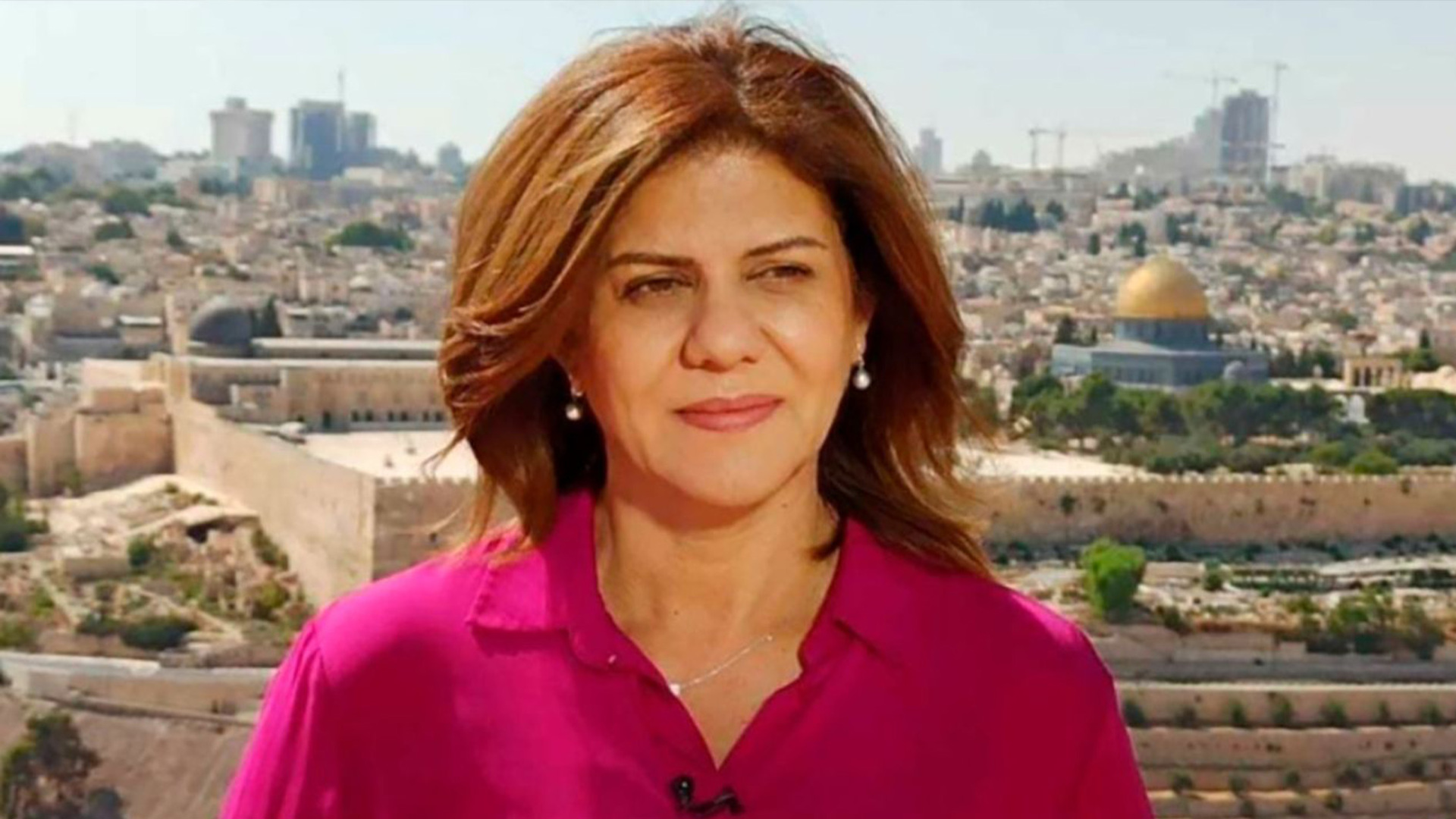
Caught in the crossfire was 28-year-old Palestinian journalist Saleh Aljafarawi, who was covering clashes in Gaza City’s Sabra neighbourhood between what security sources told Al Jazeera Arabic was an “armed militia” and Hamas.

Is that the only militia in Gaza? Who are these armed gangs? What are their goals? And are they really affiliated with Israel?

Here’s all you need to know:

Who fought Hamas on Sunday?

Media reports and sources said the clan that was fighting Hamas in Gaza City is the Doghmush clan.

The large family has members in various factions across the political spectrum in Gaza.

Momtaz Doghmush was involved in the group Jaish al-Islam’s capture of Israeli soldier Gilad Shalit in 2008. Other clan members have been in Hamas or groups affiliated with the Palestinian Authority.

Some reports claimed the Doghmush who fought Hamas on Sunday were affiliated with Israel, but other sources from Gaza deny the affiliation with Israel.

What happened?

The Sahem unit, an armed unit affiliated with the Interior Ministry, said the clashes started on Saturday when “an outlaw gang killed resistance fighters from the Qassam Brigades”, the armed wing of Hamas, near the Jordan Field Hospital in Gaza City.

Witnesses told the BBC that 300 Hamas fighters stormed a residential block where Doghmush gunmen were holed up, and a Palestinian security source told the Reuters news agency that Hamas launched a campaign in Gaza City that killed 32 members of “a gang”.

According to the Interior Ministry, eight Hamas members and 19 clan members were killed. Aljafarawi was also killed.

There was an outpouring of grief over Aljafarawi’s killing in the midst of which a video of him greeting his friend and colleague Anas al-Sharif circulated on social media.

Al-Sharif, an Al Jazeera correspondent, was killed by Israel on August 10. Aljafarawi, like al-Sharif, was reportedly threatened multiple times by the Israelis over his reporting.

Are the Doghmush really backed by Israel?

That’s still unclear.

There is conflicting information. Some reports from inside Gaza said the clan has an Israeli affiliation, but the group’s leaders have denied that.

In early October, Nizar Doghmush, head of the clan in Gaza City, told the Los Angeles Times he had been contacted by the Israeli military to manage a so-called humanitarian zone in Gaza City.

He told the newspaper he refused and added that the Israeli military then bombed his neighbourhood in Gaza City, invaded and systematically destroyed houses.

The Doghmush and Hamas have an animosity towards each other, which in the past has devolved into armed clashes.

But Israel does have a history of funding and supporting groups in an effort to foment internal tensions.

Israel does support militias in Gaza, right?

Yes.

Israel is widely recognised to be behind the Popular Forces, a militia led by Yasser Abu Shabab of Gaza’s Tarabin Bedouin tribe.

The Tarabin, however, have denounced Abu Shabab.

While Israel claimed Hamas was stealing aid from the people of Gaza, it was revealed that the Popular Forces was the one looting aid to resell to Gaza’s starving people. Hamas reportedly clashed with the Popular Forces on a few occasions since September 2024, accusing them of being Israeli collaborators.

Israel has also reportedly backed a group calling itself the Strike Force Against Terror, led by Hussam al-Astal, a member of the al-Majida clan. Al-Astal’s group also clashed with Hamas in early October before the ceasefire was announced, according to Israeli media.

Al-Astal is a former officer in the Palestinian Authority’s (PA’s) security forces but was accused by the PA and Hamas of collaborating with Israel in the 1990s. Israeli media reports said al-Astal was a member of Abu Shabab’s militia and continues to coordinate with the Popular Forces leader.

He reportedly controls a village called Qizan an-Najjar in the Khan Younis governorate in southern Gaza.

The ongoing activity of these groups against Hamas and against civilians has contributed to a sense of unrest, as several people in Gaza have told Al Jazeera.

Saleh Aljafarawi, a journalist who came to prominence through his videos covering the genocide in Gaza, was killed during clashes on October 12, 2025, according to media reports.[Abdelhakim Abu Riash/Al Jazeera]

What happens now?

The fighting has stopped, but further clashes could still erupt in a society devastated by two years of Israel’s genocidal war.

The security void could lead to confrontations between groups looking to gain influence or territory.

For its part, Hamas has denied deploying fighters to the streets.

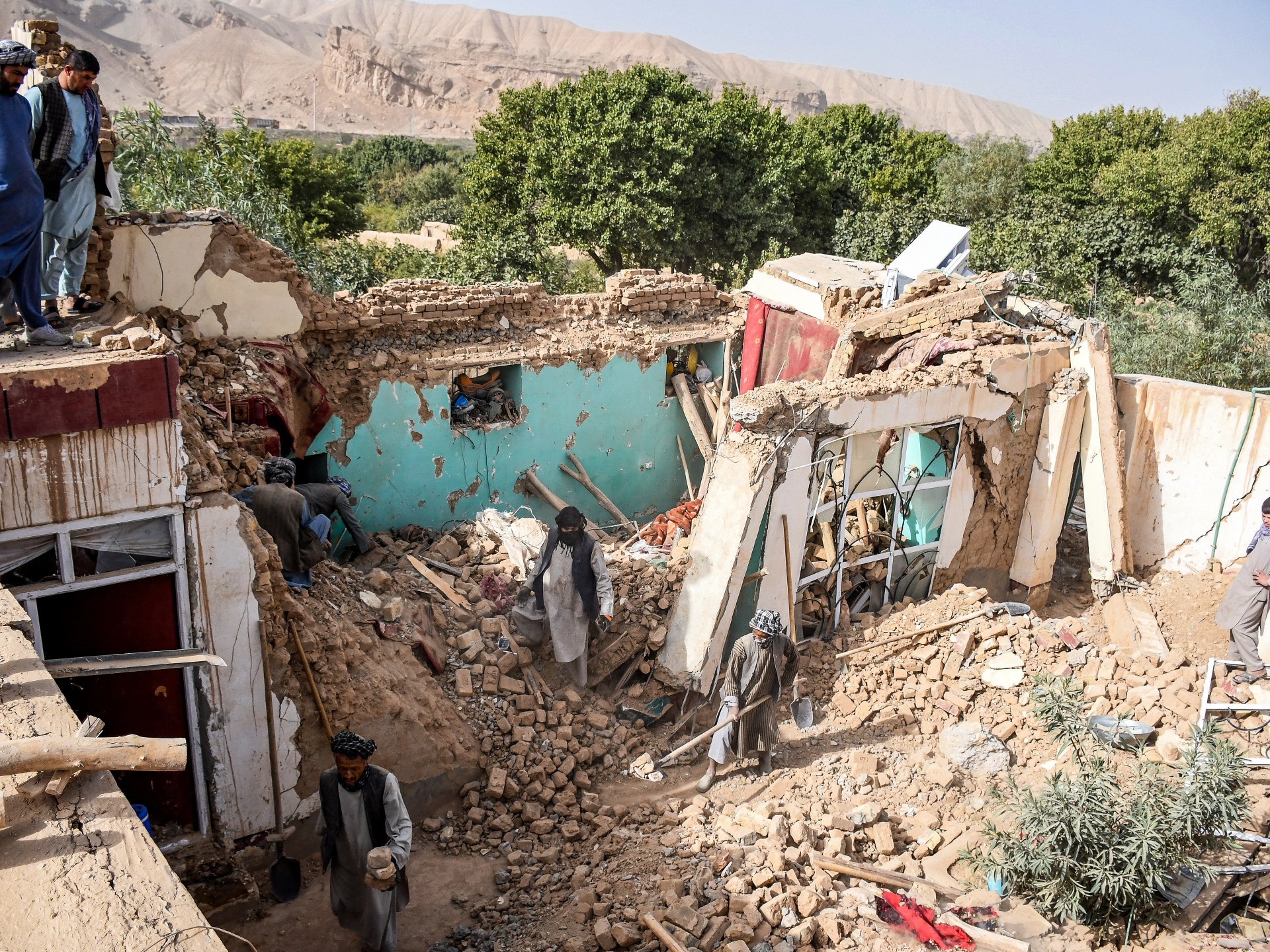
Meanwhile, Palestinians are returning to what is left of their homes in northern Gaza, and desperately needed humanitarian aid has started to enter the Gaza Strip.

England’s Bright retires from international football

Getty Images
  • 128 Comments

England defender Millie Bright has announced her retirement from international football.

The 32-year-old, who was part of England’s European Championship-winning team in 2022, made her senior debut in September 2016 and went on to win 88 caps.

“I’ve been weighing this up for a long time,” Chelsea captain Bright said on Monday’s ‘Rest is Football: Daly Brightness’ podcast.

“It’s one of those decisions no-one can make for you. It’s a feeling and I’m at peace with it.”

Bright missed out as England defended their Euros title in Switzerland in July after ruling herself out of the tournament because she would be unable to “give 100% mentally or physically”.

Over the summer she had successful knee surgery and started counselling sessions, while she said the decision to withdraw from Sarina Wiegman’s squad was “by far the best decision I have ever made”.

“Having the summer to reflect, fix my knee and get my head straight really put things into perspective. As you get older your priorities change. I’ve been craving family time, time with friends and time for myself,” Bright said.

Bright started every game as England won their first major women’s trophy at Euro 2022, and captained Wiegman’s side to the World Cup final a year later, which they lost to Spain.

“I’m incredibly proud and honoured to have played for England for so long. Every single cap has been special and the memories I’ve made – especially with this one sat opposite me – have been some of the best of my life,” Bright said on the podcast, which she co-hosts with her friend and former England team-mate Rachel Daly.

“But yeah, it’s time. It’s the right time for me to call it a day with England.”

Related topics

  • England Women’s Football Team
  • Football
  • Women’s Football

More on this story

    • 19 minutes ago
    England celebrate winning Euro 2025

Diane Keaton’s ex Woody Allen breaks silence on her death with heartfelt tribute

Woody Allen has spoken publicly for the first time following the death of his longtime muse and former partner, Diane Keaton, who sadly died on Saturday at the age of 79.

The 89-year-old director, who met Keaton in the late 1960s before their romance turned into a lifelong friendship, wrote an emotional tribute in The Free Press on Sunday.

“It’s grammatically incorrect to say ‘most unique,’ but all rules of grammar and I suppose everything else are suspended when talking about Diane Keaton,” Allen wrote. “Unlike anyone the planet has experienced or is unlikely to ever see again, her face and laugh illuminated any space she entered.”

Allen and Keaton’s connection began in 1969 when she auditioned for his Broadway play Play It Again, Sam. She landed the part, earning a Tony Award nomination for Best Featured Actress and marking the start of a creative partnership that would define both of their careers.

•• **This is a breaking showbiz news story. Join The Mirror’s ** **WhatsApp Community ** **or follow us on ** Google News **, ** Flipboard **, Apple News, ** TikTok **, ** Snapchat **, ** Instagram **, ** Twitter **, ** Facebook **, ** YouTube ** and ** Threads ** – or visit The Mirror homepage** .