Following the shocking double murder of American film director Rob Reiner and his wife Michele, disturbing details have emerged of a loud argument between his son Nick and guests at a party the night before
View 4 Images
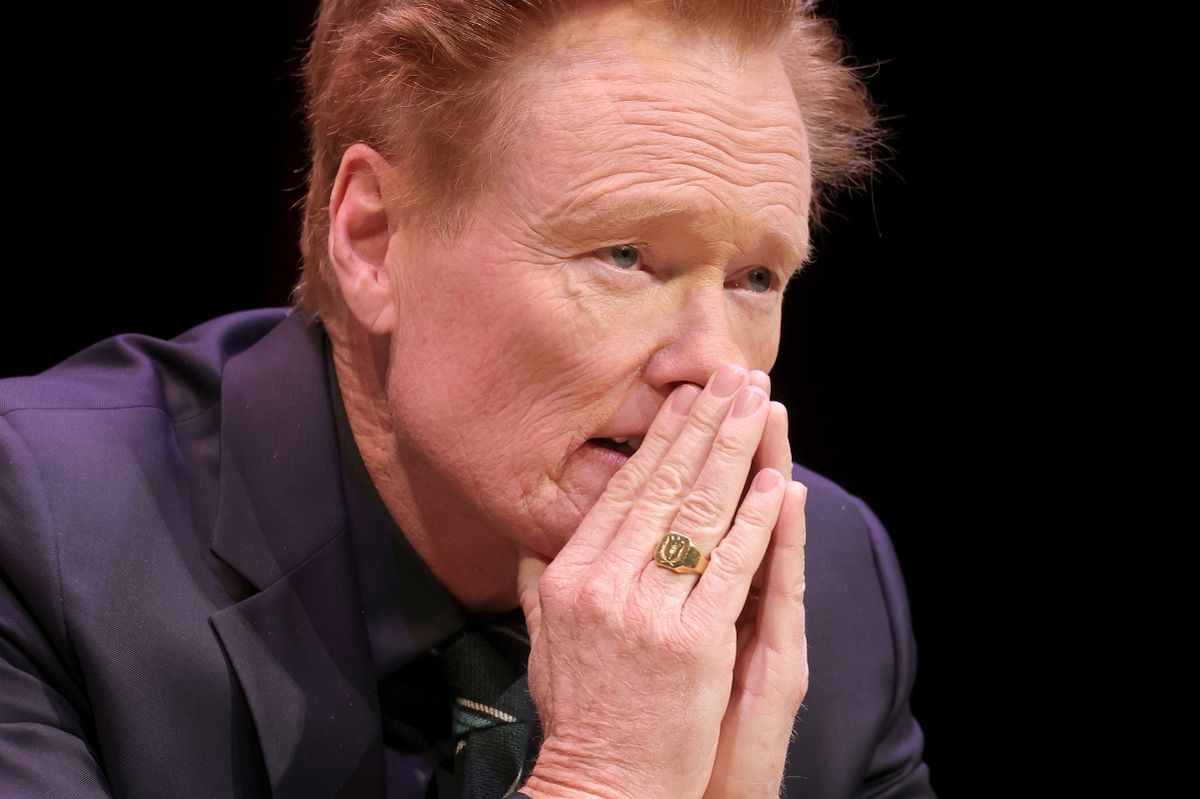
Rob Reiner’s son got into a heated argument hours before the horrific killings at Conan O’Brien’s home(Image: Getty Images)
In the wake of the chilling murders of director Rob Reiner and his wife Michelle on Sunday afternoon, disturbing details have emerged of what happened at a party hosted by US talk show king Conan O’Nrien just hours before the horrific killings.
According to police, Princess Bride director Rob Reiner, 78, and his wife of 36 years, Michele, 66, were slain in their sprawling six-bed family home in Brentwood, LA on Sunday afternoon.
And as Hollywood tries to make sense of the shocking double-murder, it has emerged that Ron and his middle son Nick Reiner, several sources have claimed to PEOPLE, got into a fiery dispute at a Christmas party the night before, hosted by Conan O’Brian.
It follows a report by TMZ on Monday which claimed that the 78-year-old Hollywood heavyweight Reiner and his son were embroiled in a “very loud argument”.
One of the sources claimed to PEOPLE: “Nick was freaking everyone out, acting crazy, kept asking people if they were famous.”
It has now been revealed that Nick became ‘disruptive and upset’ when his parents expressed their worries about his health at Conan’s party, reports NBC. It’s reported that Rob and Michele then left the party following the set-to, according to TMZ.
Nick had accompanied his parents to the event, and sources later claimed to Sky News’s US partner NBC that the couple were both upset and embarrassed by his behaviour, and expressed concert about his health, citing another source alleging that Nick’s behaviour had made other guests feel uncomfortable.
They claimed that the screenwriter had interrupted a conversation between filmmaker Bill Hader and two other guests and when told it was a private conversation – stood still and stared at the group, before storming off in a rage.
Devastatingly, just hours later, Rob and Michelle Reiner were found murdered in their Los Angeles home on Sunday, Dec. 14, their bodies allegedly found by their daughter, Romy – with the LA Fire Department called to the gruesome scene at around 3.30pm local time, to provide medical aid.
First responders discovered Rob and Michele’s bodies. Although officials did not release any further details, a police source who spoke to the Associated Press believe the couple suffered brutal stab wounds and were found with their throats slit.
Their son Nick, 32, was later arrested and charged with murder, and is now being held without bail.
Rob met his wife while directing classic romcom When Harry Met Sally… and the pair went on to marry in 1989, and have three children together – actors Jake and Romy, and screenwriter Nick.
Of all their children, Nick is the one who has been most vocal over the years – and had previously been outspoken about his battles with drug addiction, as well as homelessness – revealing that his troubles began when he was just a teen.
In 2016, he revealed that his stints in rehab began at just 15, and as his addiction battles intensified, he drifted from home and would end up on the street for stretches, in various US states.
In a 2018 podcast appearance, Nick once confessed that he had trashed the family home he was living in while high on meth.
‘It’s not much of a story. I got totally spun out on uppers — I think it was coke and something else — and I was up for days on end,’ he revealed, before adding that he ‘punched’ various appliances around the guest house.
Rob Reiner’s 2015 film which he made with Nick, Being Charlie, was partly inspired by Nick’s younger years.
The late director was the hand behind many iconic movies, including This Is Spinal Tap (1984), Stand By Me, The Princess Bride (1987), and A Few Good Men (1992). He was the son of acclaimed comedian Carl Reiner, and make his big break in Hollywood on popular sitcom All in the Family.
Article continues below
Tracy Reiner, 61, whom the director adopted during his previous marriage to Penny Marshall, said she was devastated as she had last seen the director just one day before he was killed.
‘I came from the greatest family ever,’ she told NBC News. ‘I don’t know what to say. I’m in shock.’ She added that she had seen her father at a family gathering the day before the shock attack.
The ATP will introduce a new extreme heat rule from the 2026 season which will allow players on the men’s tour to take a 10-minute cooling break during best-of-three sets singles matches.
The rule is similar to what the WTA – which governs women’s professional tennis – brought in more than 30 years ago to protect players in the heat.
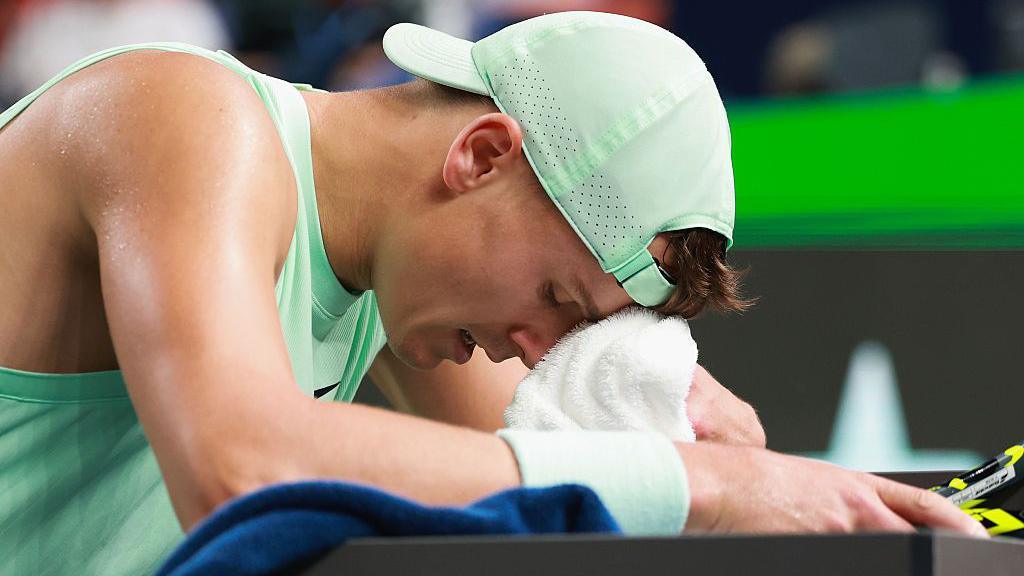
At the Shanghai Masters in October, temperatures were as high as 34C and humidity at 80% in the daytime, and after world number 15 Holger Rune needed medical treatment during his third round match, the Dane asked an official: “Do you want a player to die on court?”
The new rule is based on the Wet Bulb Globe Temperature (WBGT), which measures heat stress in direct sunlight. It involves observing temperature, humidity, wind speed, sun angle, and cloud cover.
If the WBGT reaches 30.1C or higher during the first two sets of a best-of-three match, either player can request a break of 10 minutes to cool off.
Under the supervision of ATP medical staff, players can hydrate, change clothing, shower and receive coaching.
Play will be suspended when the WBGT exceeds 32.2C.
7 October
19 January
Players have spoken out about the gruelling heat conditions at both men’s and women’s tournaments at tour level and Grand Slams in recent years, with this year’s Shanghai Masters and Wuhan Open – which was also held in October – facing harsh criticism for their sweltering conditions.
Britain’s Emma Raducanu had to retire from her first round match with dizziness, 24-time Grand Slam winner Novak Djokovic described the heat as “brutal”, Giovanni Mpetshi Perricard said he felt like he was “dying on the court” because of the humidity and Jelena Ostapenko revealed she had “suffered heat stroke” after retiring through illness from her match.
Rob Reiner made efforts to help his son in the years leading up to the director and his wife’s sad death, with Rob and son Nick making a movie about their family troubles and addiction
View 4 Images
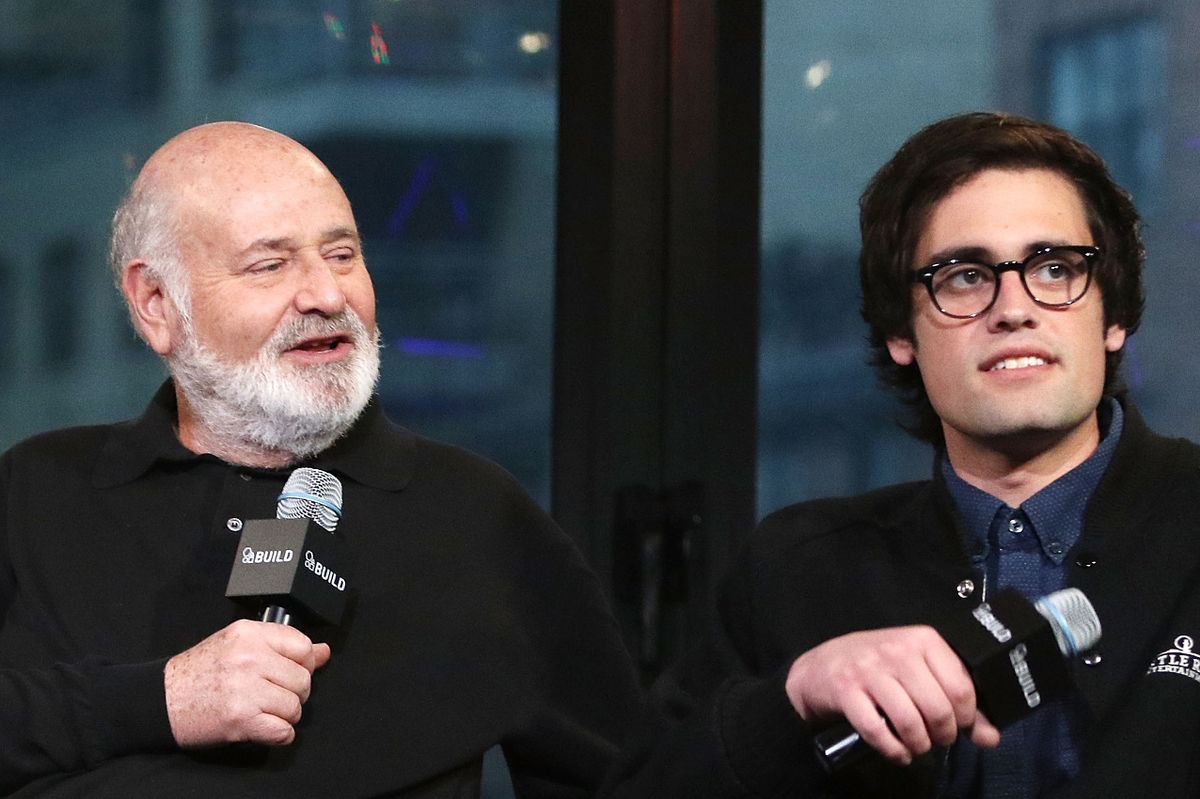
Rob and son Nick took their movie to the Toronto International Film Festival(Image: FilmMagic)
Doting father Rob Reiner made efforts to help his troubled son before his and wife Michele Singer Reiner’s shocking deaths. The Hollywood director and his wife were found dead in their home, with their son Nick having been booked for the murders.
It has been reported that Nick and Rob argued at a party hosted by an American chat show host Conan O’Brien hours before the tragedy. Reports in the US say the couple both had their throats slashed following an alleged row.
Nick is being held in custody in Los Angeles. The bodies of Rob and Michele were discovered by their daughter Romy, who allegedly went to the property when a masseuse booked in to visit the couple told her there was no answer at the door. Romy is said to have raised the alarm with police and told them that a family member “should be a suspect” as they were “dangerous”.
Before his passing, Rob took time out of his busy career to direct a movie which was written by his son Nick about their family troubles. The movie, which was called Being Charlie, documented Nick’s struggles with drug addiction and homelessness.
The script was penned by Nick and his friend Matt Elisofon, who he met in rehab. It follows the story of a fictional version of the family, with dad Rob even taking a starring role, playing a celebrity actor who is now running for governor in the movie.
At the end of the movie, Rob’s character apologises to Nick’s, something which the real-life actor and director stated had happened and was owed to his boy.
Rob and Michele admitted that they didn’t always listen to their own son and Michele said they were “influenced” by others.
Speaking to the LA Times at the Toronto International Film Festival at the time of the movie’s premiere, Rob said: “When Nick would tell us that it wasn’t working for him, we wouldn’t listen. We were desperate and because the people had diplomas on their wall, we listened to them when we should have been listening to our son.”
Speaking about her own experiences, Michele added: “We were so influenced by these people. They would tell us he’s a liar, that he was trying to manipulate us. And we believed them.”
Nick spoke of his own struggles, sharing: “I got sick of it. I got sick of doing that …. I come from a nice family. I’m not supposed to be out there on the streets and in homeless shelters doing all these things.”
In a separate interview in 2016, Nick said that he was sent to rehab around his 15th birthday but refused to go back many times after that. He said: “If I wanted to do it my way and not go to the programs they were suggesting, then I had to be homeless.”
Rob said “tough love” wasn’t in his nature. He added: “If your kid is going through rough times, as the parent, your main job is to keep your child safe. So I would do anything. At the end of the day, I know my child better than an expert does and I probably should have trusted my own instinct and that’s one of the things I did learn about the whole experience.”
Article continues below
On Monday Nick was arrested for his parents’ murder. He was met by police at a Los Angeles subway station in Exposition Park, 15 miles from his parents’ mansion in Brentwood.
It has been reported that Nick had earlier checked in to The Pierside Santa Monica, where staff allegedly discovered a shower ‘full of blood’ and a trail leading off of his bed, as well as a window, which was covered up by bedsheets.
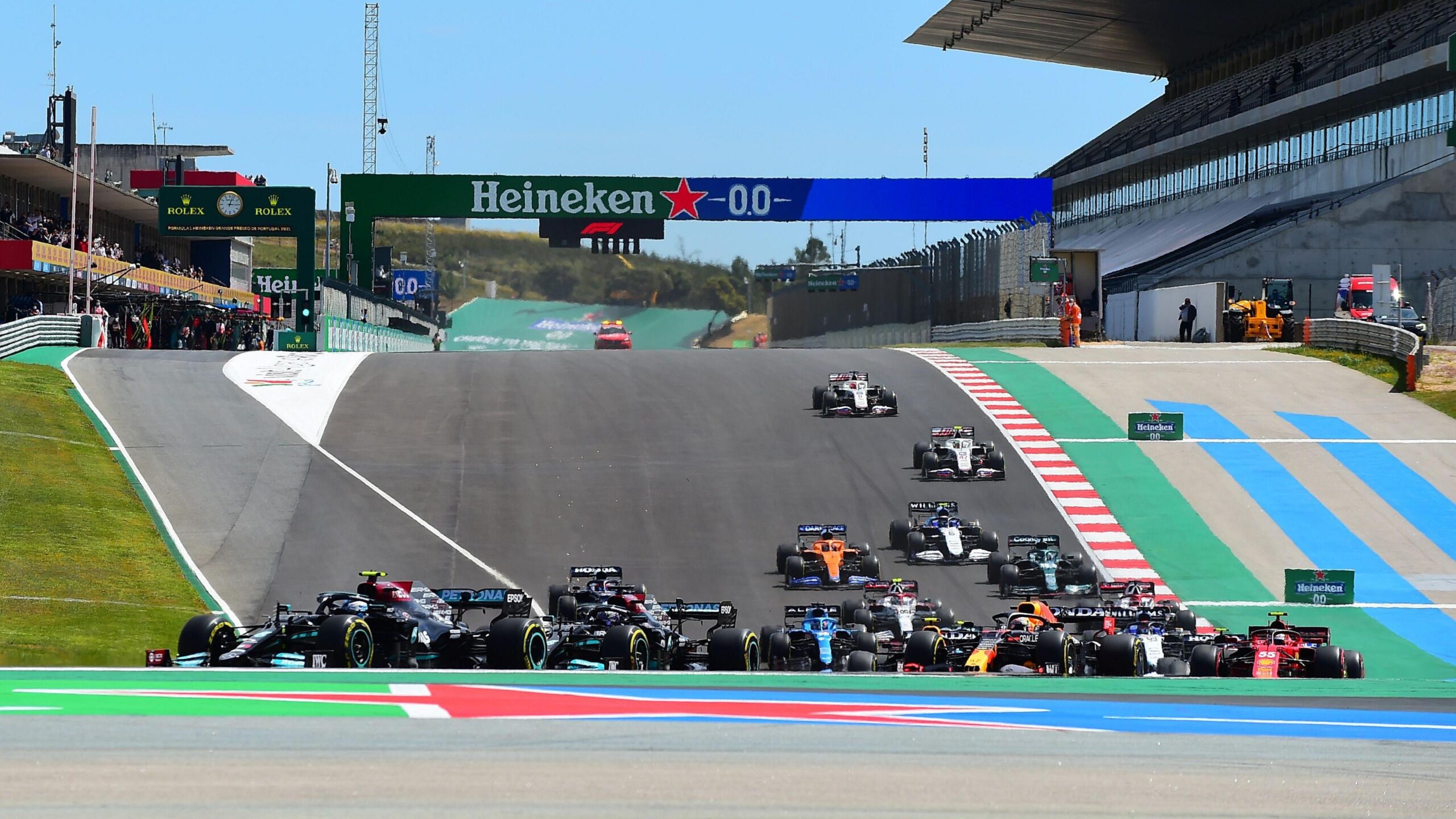
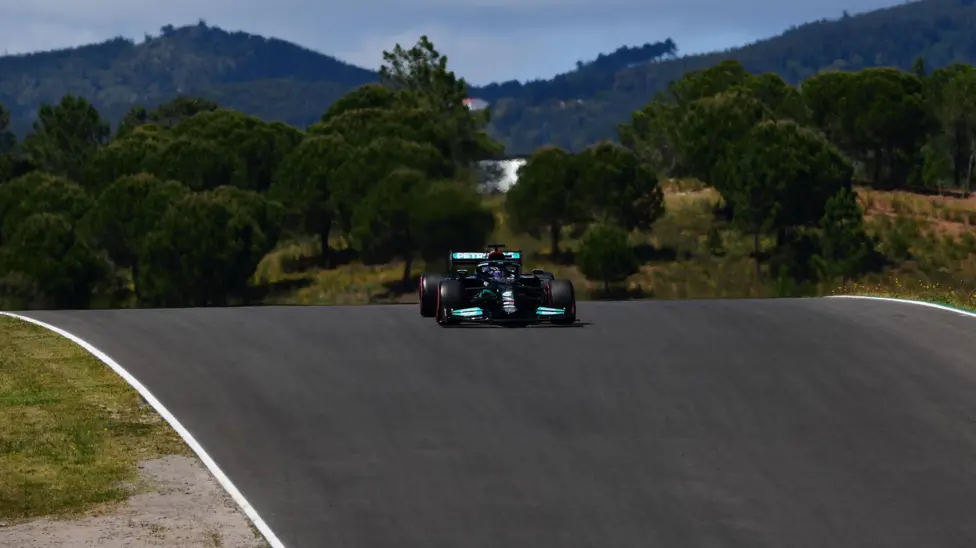
Portugal will return to the Formula 1 calendar in 2027 and 2028.
The race will be held at the Algarve International Circuit near Portimao, which held two grands prix during the Covid-19 pandemic in 2020 and 2021.
Portugal will effectively be a replacement for the Dutch Grand Prix, which will be held at Zandvoort for the last time next year.
Portimao is a 2.89-mile track that swoops over hilly terrain and is highly regarded for its driving challenge.
F1 chairman and chief executive officer Stefano Domenicali said: “I’m delighted to see Portimao return to the Formula 1 calendar and for the sport to continue to ignite the passion of our incredible Portuguese fanbase.
“The circuit delivers on-track excitement from the first corner to the chequered flag, and its energy lifts fans out of their seats. The interest and demand to host a Formula 1 grand prix is the highest that it has ever been.”
Rivers Governor, Siminalayi Fubara, has expressed optimism that his administration’s delivery of infrastructure across the state will reinforce public trust and translate into increased support for President Bola Tinubu.
Governor Fubara spoke on Tuesday during the commissioning of the 5.94-kilometre Ihuowo–Ihuama Road in Ahoada East Local Government Area, a project awarded in October 2024.
He said the road project underscores his government’s commitment to responsive governance and addressing the pressing needs of the people. He described the intervention as a basic responsibility of any people-oriented administration.
The governor noted that the road had previously served as a death trap and an epicentre of crime and kidnapping, adding that its completion would significantly improve security and safety in the area.
READ ALSO: APC Formally Registers Gov Fubara As Party Member
Governor Fubara believes that his administration remains focused on service delivery to improve the living conditions of residents across Rivers State.
According to him, while every administration has a definite lifespan, his government will beremembered for its simplicity, openness to public concerns and prompt response to the needs of the people.
The governor also assured the traditional ruler of the area that requests for additional roads and other infrastructure would be granted, pledging sustained development interventions.
When armed soldiers in the small West African nation of Benin appeared on national television on December 7 to announce they had seized power in a coup, it felt to many across the region like another episode of the ongoing coup crisis that has seen several governments toppled since 2020.
But the scenes played out differently this time.
Recommended Stories
list of 4 itemsend of list
Amid reports of gunfire and civilians scampering to safety in the economic capital, Cotonou, Beninese and others across the region waited with bated breath as conflicting intelligence emerged. The small group of putschists, on the one hand, declared victory, but Benin’s forces and government officials said the plot had failed.
By evening, the situation was clear – Benin’s government was still standing. President Patrice Talon and loyalist forces in the army had managed to hold control, thanks to help from the country’s bigger neighbours, particularly its eastern ally and regional power, Nigeria.
While Talon now enjoys victory as the president who could not be unseated, the spotlight is also on the Economic Community of West African States (ECOWAS). The regional bloc rallied to save the day in Benin after their seeming resignation in the face of the crises rocking the region, including just last month, when the military took power in Guinea-Bissau.
This time, though, after much criticism and embarrassment, ECOWAS was ready to push back against the narrative of it being an ineffective bloc by baring its teeth and biting, political analyst Ryan Cummings told Al Jazeera.
“It wanted to remind the region that it does have the power to intervene when the context allows,” Cummings said. “At some point, there needed to be a line drawn in the sand [and] what was at stake was West Africa’s most stable sovereign country falling.”
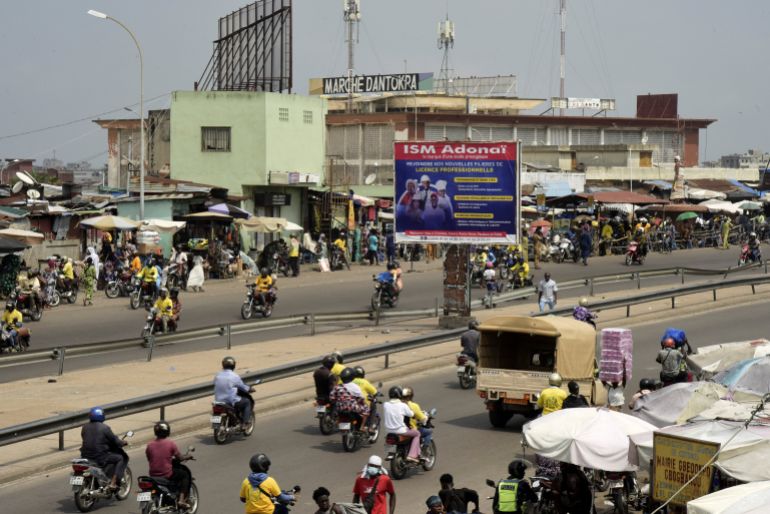
People gather at the market of Dantokpa, two days after Benin’s forces thwarted the attempted coup against the government, in Cotonou, December 9, 2025 [Charles Placide Tossou/Reuters]
Is a new ECOWAS on the horizon?
Benin’s military victory was an astonishing turnaround for an ECOWAS that has been cast as a dead weight in the region since 2020, when a coup in Mali spurred an astonishing series of military takeovers across the region in quick succession.
Between 2020 and 2025, nine coup attempts toppled five democratic governments and two military ones. The latest successful coup, in Guinea-Bissau, happened on November 28. Bissau-Guineans had voted in the presidential election some days before and were waiting for the results to be announced when the military seized the national television station, detained incumbent President Umaro Sissoco Embalo, and announced a new military leader.
ECOWAS, whose high-level delegation was in Bissau to monitor the electoral process when the coup happened, appeared on the back foot, unable to do much more than issue condemnatory statements. Those statements sounded similar to those it issued after the coups in Mali, Burkina Faso, Niger, and Guinea. The bloc appeared a far cry from the institution that, between 1990 and 2003, successfully intervened to stop the civil wars in Liberia and Sierra Leone, and later in the Ivory Coast. The last ECOWAS military intervention, in 2017, halted Gambian dictator Yahya Jammeh’s attempt to overturn the election results.
Indeed, ECOWAS’s success in its heyday hinged on the health of its members. Nigeria, arguably ECOWAS’s backbone, whose troops led the interventions in Liberia and Sierra Leone, has been mired in insecurity and economic crises of its own lately. In July 2023, when Nigeria’s President Bola Ahmed Tinubu was the ECOWAS chair, he threatened to invade Niger after the coup there.
It was disastrous timing. Faced with livelihood-eroding inflation and incessant attacks by armed groups at home, Nigerians were some of the loudest voices resisting an invasion. Many believed Tinubu, sworn in just months earlier, had misplaced his priorities. By the time ECOWAS had finished debating what to do weeks later, the military government in Niger had consolidated support throughout the armed forces and Nigeriens themselves had decided they wanted to back the military. ECOWAS and Tinubu backed off, defeated.
Niger left the alliance altogether in January this year, forming the Alliance of Sahel States (AES) with fellow military governments in Mali and Burkina Faso. All three share cultural and geographic affinities, but are also linked by their collective dislike for France, the former colonial power, which they blame for interfering in their countries. Even as they battle rampaging armed groups like Jama’at Nusrat al-Islam wal-Muslimin (JNIM), the three governments have cut ties with French forces formerly stationed there and welcomed Russian fighters whose effectiveness, security experts say, fluctuates.
Sierra Leone’s President Julius Maada Bio, who chairs ECOWAS, walks with Guinea-Bissau’s transitional president, Major-General Horta Inta-A, during a meeting in Bissau, Guinea-Bissau, on December 1, 2025 [Delcyo Sanca/Reuters]
But Benin was different, and ECOWAS appeared wide awake. Aside from the fact that it was one coup too far, Cummings said, the country’s proximity to Nigeria, and two grave mistakes the putschists made, gave ECOWAS a fighting chance.
The first mistake was that the rebels had failed to take Talon hostage, as is the modus operandi with putschists in the region. That allowed the president to directly send an SOS to his counterparts following the first failed attacks on the presidential palace at dawn.
The second mistake was perhaps even graver.
“Not all the armed forces were on board,” Cummings said, noting that the small group of about 100 rebel soldiers had likely assumed other units would fall in line but had underestimated how loyal other factions were to the president. That was a miscalculation in a country where military rule ended in 1990 and where 73 percent of Beninese believe that democracy is better than any other form of government, according to poll site Afrobarometer. Many take particular pride in their country being hailed as the region’s most stable democracy.
“There was division within the army, and that was the window of opportunity that allowed ECOWAS to deploy because there wasn’t going to be a case of ‘If we deploy, we will be targeted by the army’. I dare say that if there were no countercoup, there was no way ECOWAS would have gotten involved because it would have been a conventional war,” Cummings added.
Quickly reading the room, Benin’s neighbours reacted swiftly. For the first time in nearly a decade, the bloc deployed its standby ground forces from Nigeria, Ghana, the Ivory Coast, and Sierra Leone. Abuja authorised air attacks on rebel soldiers who were effectively cornered in a military base in Cotonou and at the national TV building, but who were putting up a last-ditch attempt at resistance. France also supported the mission by providing intelligence. By nightfall, the rebels had been completely dislodged by Nigerian jets. The battle for Cotonou was over.
At least 14 people have since been arrested. Several casualties were reported on both sides, with one civilian, the wife of a high-ranking officer marked for assassination, among the dead. On Wednesday, Beninese authorities revealed that the coup leader, Colonel Pascal Tigri, was hiding in neighbouring Togo.
At stake for ECOWAS was the risk of losing yet another member, possibly to the landlocked AES, said Kabiru Adamu, founder of Abuja-based Beacon Security intelligence firm. “I am 90 percent sure Benin would have joined the AES because they desperately need a littoral state,” he said, referring to Benin’s Cotonou port, which would have expanded AES export capabilities.
Nigeria could also not afford a military government mismanaging the deteriorating security situation in northern Benin, as has been witnessed in the AES countries, Cummings said. Armed group JNIM launched its first attack on Nigerian soil in October, adding to Abuja’s pressures as it continues to face Boko Haram in the northeast and armed bandit groups in the northwest. Abuja has also come under diplomatic fire from the US, which falsely alleges a “Christian genocide” in the country.
“We know that this insecurity is the stick with which Tinubu is being beaten, and we already know his nose is bloodied,” Cummings said.
Revelling in the glory of the Benin mission last Sunday, Tinubu praised Nigeria’s forces in a statement, saying the “Nigerian armed forces stood gallantly as a defender and protector of constitutional order”. A group of Nigerian governors also hailed the president’s action, and said it reinforced Nigeria’s regional power status and would deter further coup plotters.
Nigerian ECOWAS Ceasefire Monitoring Group (ECOMOG) soldiers guard a corner in downtown Monrovia during fighting between militias loyal to Charles Taylor and Roosevelt Johnson in Liberia in 1996. Between 1990-2003, ECOWAS successfully intervened to help stop the Liberian civil war [File: Reuters]
Not yet out of the woods
If there is a perception that ECOWAS has reawakened and future putschists will be discouraged, the reality may not be so positive, analysts say. The bloc still has much to do before it can be taken seriously again, particularly in upholding democracy and calling out sham elections before governments become vulnerable to mass uprisings or coups, Beacon Security’s Adamu said.
In Benin, for example, ECOWAS did not react as President Talon, in power since 2016, grew increasingly autocratic, barring opposition groups in two previous presidential elections. His government has again barred the main opposition challenger, Renaud Agbodjo, from elections scheduled for next April, while Talon’s pick, former finance minister Romuald Wadagni, is the obvious favourite.
“It’s clear that the elections have been engineered already,” Adamu said. “In the entire subregion, it’s difficult to point to any single country where the rule of law has not been jettisoned and where the voice of the people is heard without fear.”
ECOWAS, Adamu added, needs to proactively re-educate member states on democratic principles, hold them accountable when there are lapses, as in the Benin case, and then intervene when threats emerge.
The bloc appears to be taking heed. On December 9, two days after the failed Benin coup, ECOWAS declared a state of emergency.
“Events of the last few weeks have shown the imperative of serious introspection on the future of our democracy and the urgent need to invest in the security of our community,” Omar Touray, ECOWAS Commission president, said at a meeting in the Abuja headquarters. Touray cited situations that constitute coup risks, such as the erosion of electoral integrity and mounting geopolitical tensions, as the bloc splits along foreign influences. Currently, ECOWAS member states have stayed close to Western allies like France, while the AES is firmly pro-Russia.
Another challenge the bloc faces is managing potential fallout with the AES states amid France’s increasing closeness with Abuja. As Paris faces hostility in Francophone West Africa, it has drawn closer to Nigeria, where it does not have the same negative colonial reputation, and which it perceives as useful for protecting French business interests in the region, Cummings said. At the same time, ECOWAS is still hoping to woo the three rogue ex-members back into its fold, and countries like Ghana have already established bilateral ties with the military governments.
“The challenge with that is that the AES would see the intervention [in Benin] as an act not from ECOWAS itself but something engineered by France,” Adamu said. Seeing France instigating an intervention which could have benefitted AES reinforces their earlier complaints that Paris pokes its nose into the region’s affairs, and could push them further away, he said.