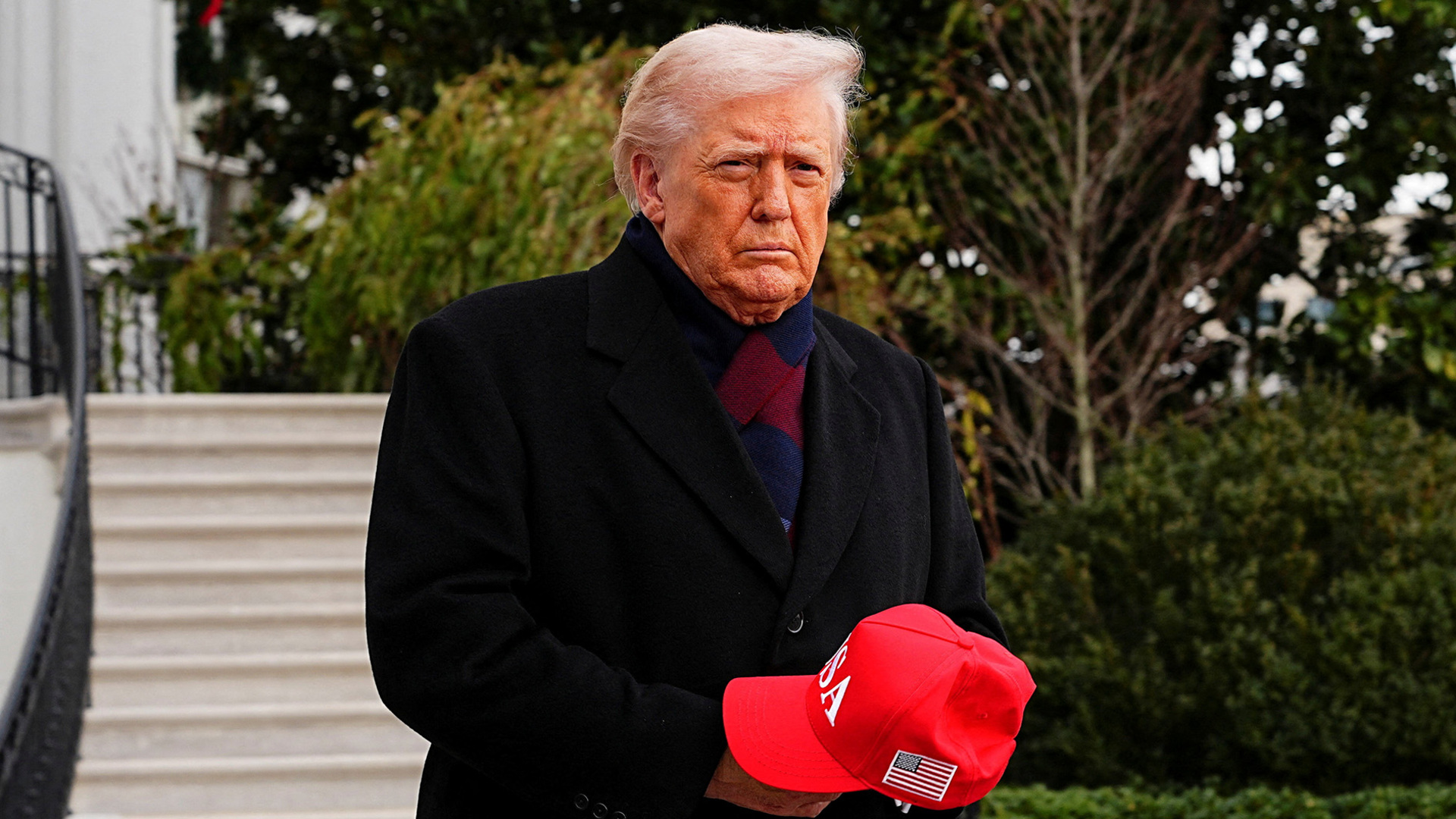
Thailand’s sudden return to the use of force along its frontier with Cambodia is a blunt reminder of how volatile one of Southeast Asia’s most enduring territorial disputes remains. The pace of the latest escalation is startling. Only weeks earlier, leaders from both countries stood before regional and international dignitaries at the Association of Southeast Asian Nations (ASEAN) summit, endorsing a ceasefire framework that was presented as a political breakthrough. The symbolism was heavy, a truce blessed by regional leaders and witnessed by United States President Donald Trump meant to signal that Southeast Asia could manage its own tensions responsibly.
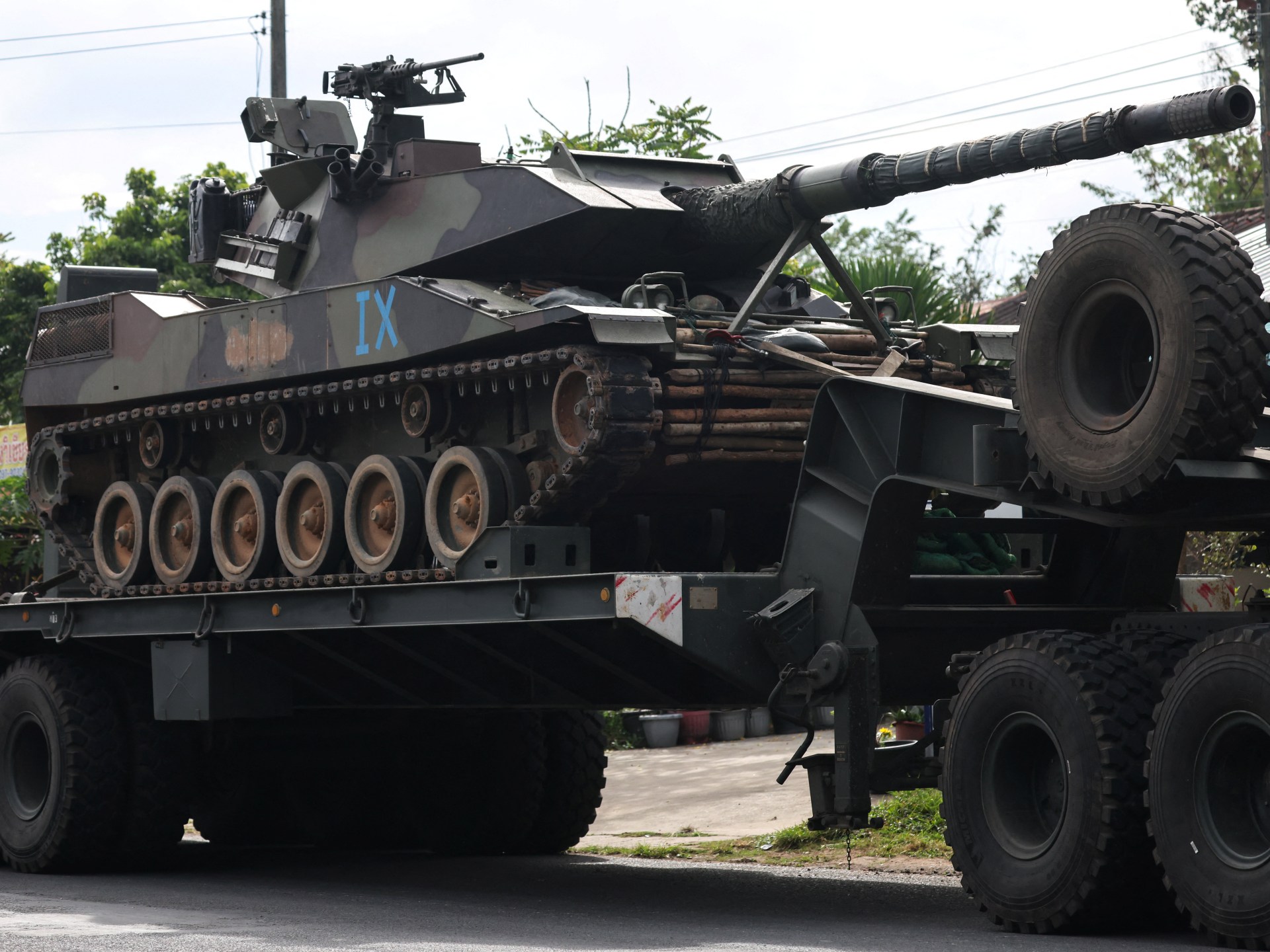
Yet that promise evaporated almost as soon as the delegations returned home. Bangkok’s air strikes on Cambodian positions in contested border pockets triggered immediate evacuations.
What this sequence reveals is painfully familiar. Ceasefires in this dispute have rarely been more than pauses in a long cycle of distrust. Agreements are signed in conference halls, but the frontier itself has its own rhythm – one shaped by longstanding grievances, competing national narratives and the difficulties of managing heavily armed forces operating in ambiguous terrain.
The ceasefire endorsed at the ASEAN summit was constructed as the foundation for a broader roadmap. It committed both sides to cease hostilities, halt troop movements and gradually scale down the deployment of heavy weapons near contested areas. Crucially, it tasked ASEAN with deploying monitoring teams to observe compliance.
On paper, these were sensible steps. In reality, they were grafted onto political soil that was nowhere near ready to sustain them. Both governments were operating under heightened global scrutiny and were eager to signal calm to foreign investors, but the core issues – unsettled borders, unresolved historical claims and mutual suspicions embedded in their security establishments – remained untouched.
The agreement thus functioned less as a resolution and more as a temporary show of goodwill to stave off international pressure. Its weaknesses were exposed almost immediately. The pact depended heavily on the momentum generated by the summit itself rather than on durable institutional mechanisms. High-profile witnesses can create ceremonial gravitas, but they cannot substitute for the painstaking work required to rebuild strategic trust.
Thailand and Cambodia entered the agreement with different interpretations of what compliance meant, particularly with regard to troop postures and patrol rights in disputed pockets.
More importantly, the proposed monitoring regime demanded close, real-time cooperation between two militaries that have long viewed one another through an adversarial lens. Monitoring missions can succeed only when field commanders respect their access, accept their findings and operate under harmonised rules of engagement. None of those conditions yet exists.
And hanging over all of this are domestic political considerations. In both Bangkok and Phnom Penh, leaders are acutely sensitive to accusations of weakness over territorial integrity. In an environment where nationalist sentiment can be easily inflamed, governments often act defensively – even preemptively – to avoid political backlash at home.
Historical grievances
To understand why this conflict repeatedly returns to the brink, one must situate it in its longer arc. The Thailand-Cambodia frontier reflects the legacies of colonial-era boundary-making. The French, who ruled over Cambodia until 1954, were heavily involved in delineation of the border, a process that left behind ambiguous lines and overlapping claims.
These ambiguities mattered little when both states were preoccupied with internal consolidation and Cold War upheavals. But as their institutions matured, as national narratives took firmer hold and as economic development transformed the strategic value of particular zones, the border dispute hardened.
Several of the contested areas carry deep cultural and symbolic significance, including the Preah Vihear temple, built by the Khmer Empire, which both Thailand and Cambodia claim to be successors of. In 1962, the International Court of Justice (ICJ) ruled that the temple is within Cambodian territory.
When disputes erupted from 2008 to 2011, marked by exchanges of artillery fire, mass displacements and duelling legal interpretations of the ICJ ruling, the political stakes crystallised. The clashes did not just damage property and displace civilians; they embedded the border issue into the nationalist consciousness of both countries. Even periods of relative quiet in the years that followed rested on an uneasy equilibrium.
This year’s resurgence of violence follows that established pattern. Domestic politics in both capitals have entered a phase in which leaders feel compelled to demonstrate resolve. Military modernisation programmes, meanwhile, have provided both sides with more tools of coercion, even if neither desires a full-scale confrontation.
The proximity of troops in disputed pockets leaves little room for error: Routine patrols can be misread as provocations, and ambiguous movements can quickly escalate into armed responses. In such an environment, ceasefires, however well intentioned, have little chance of survival unless supported by mechanisms that address the deeper structural problems.
The fact that the ASEAN-brokered truce did not grapple directly with the border’s most contentious segments left it vulnerable. Neither Thailand nor Cambodia is prepared to accept a binding demarcation that could be interpreted domestically as giving ground. Until there is clarity – legal, cartographic and political – the zone will remain one where each side feels compelled to assert its presence.
External factors have further complicated calculations. Both countries operate in a geopolitical environment marked by larger power competition. While neither Thailand nor Cambodia seeks to internationalise the dispute, there are competing incentives to showcase autonomy, avoid external pressure or signal strategic alignment. These dynamics may not directly cause clashes, but they create a political environment in which leaders feel additional pressure to project strength.
What ASEAN must do
The implications of this escalation extend beyond the bilateral relationship. If air strikes, even calibrated ones, become normalised as tools of signalling, Southeast Asia risks sliding into a period in which hardened positions become the default posture in territorial disputes. Civilian displacements could widen. Confidence-building measures – already fragile – could evaporate outright. And the political space for diplomacy, which relies on leaders having room to manoeuvre away from maximalist rhetoric, could shrink dramatically.
ASEAN now faces a test of relevance. Symbolic diplomacy, declarations of concern and offers of “good offices” will not be enough. If the organisation wishes to demonstrate that it can manage conflicts within its ranks, it must undertake three essential steps.
First, it must insist that its monitoring missions are fully deployed and granted operational autonomy. Observers need unrestricted access to flashpoints, and their assessments must be publicly reported to reduce the temptation for either side to distort facts. Transparent monitoring will not eliminate the dispute, but it can reduce opportunities for opportunistic escalation.
Second, ASEAN should establish a standing trilateral crisis group composed of Thailand, Cambodia and the ASEAN chair. This group should be mandated to intervene diplomatically within hours of any reported incident. Timely engagement could prevent misunderstandings from hardening into military responses.
Third, ASEAN must begin laying the groundwork for a longer-term negotiation on border demarcation. This would be politically sensitive and may not yield quick breakthroughs, but a structured process supported by neutral cartographers, legal experts and historical researchers could create space for gradual movement. A slow dialogue is better than no dialogue.
The United Nations could complement, though not supplant, ASEAN’s leadership. The UN’s technical expertise in boundary disputes, its experience in managing verification processes and its capacity to support humanitarian preparation could reinforce regional efforts. Crucially, UN involvement could depoliticise highly technical issues that often become entangled with nationalist rhetoric.
Yet none of these institutional tools will matter unless political leaders in Bangkok and Phnom Penh are prepared to confront the past honestly and consider compromises that may be unpopular. Sustainable peace requires more than a respite from violence; it demands constituencies willing to accept that historical grievances must be resolved through negotiation rather than through force or symbolic posturing.
The collapse of the recent ceasefire should not be viewed merely as another unfortunate episode but as a sign that Southeast Asia’s security architecture remains incomplete. The region has made impressive progress in building economic integration and diplomatic habits, but when it comes to managing high-stakes territorial disputes, structural weaknesses persist. Without meaningful investment in transparency, shared rules and credible enforcement mechanisms, even the most celebrated agreements will remain vulnerable to political winds.
Thailand and Cambodia now stand at a crossroads. They can either continue down a path where periodic escalations are normalised, or they can choose to engage in a process, even a long and imperfect one, that leads towards a final settlement. The costs of the former would be borne by civilians, border communities and regional stability. The benefits of the latter would extend far beyond their shared frontier.