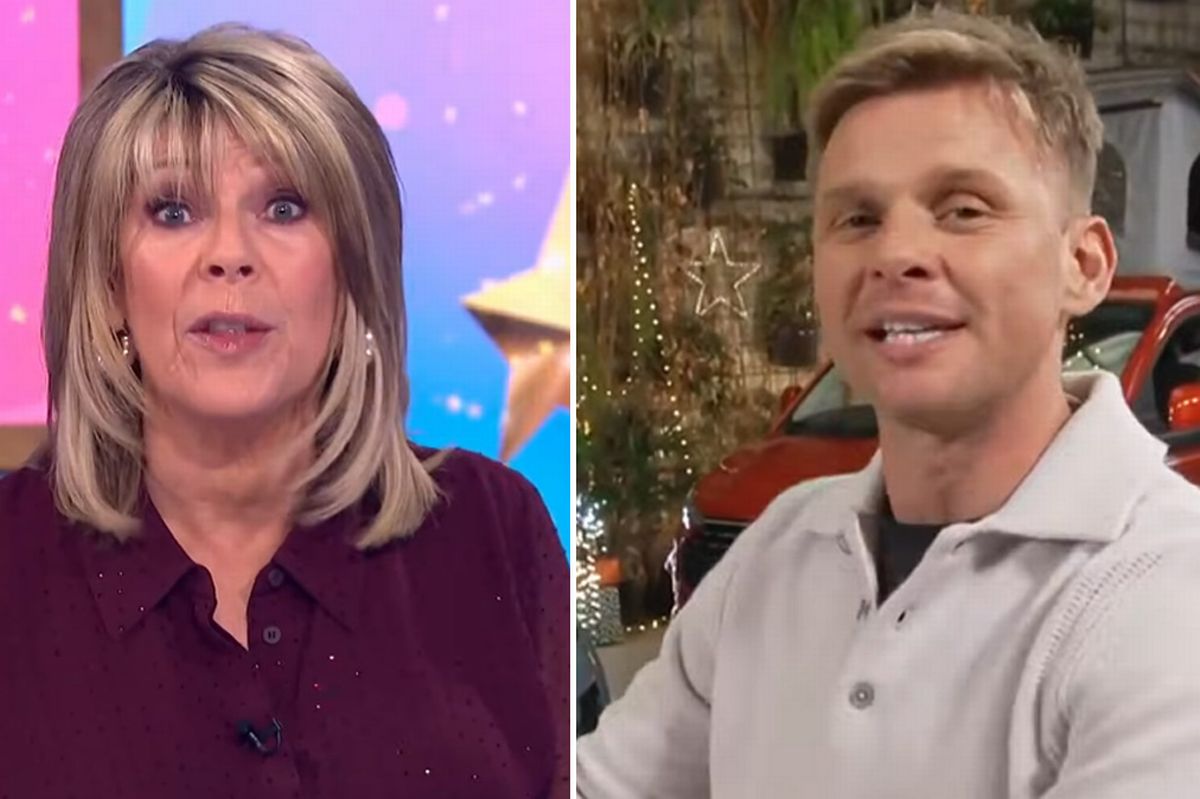
TV personality and ITV presenter Jeff Brazier and his wife split up in the summer after seven years of marriage after also separating briefly back in 2023.
Jeff Brazier is currently having a fresh start after going through a month from hell and his on-air fallout with Ruth Langsford. The TV star recently announced that he and his wife Kate had called it quits after seven years together. The ITV presenter has been away in the Caribbean where he has said he is “reflecting on life” but he is also working for ITV as well.
He also showed off a lounge makeover complete with sofa, cushions and light fitting, saying: “It’s just what I was after.” Just last month Jeff told his followers that he and Kate had split, sharing a statement where he confirmed they were no longer together and they chose to break up over the summer.
He explained that they chose to keep the news secret for some time so they could adjust to their new lives. The presenter also said that despite going their separate ways, they still keep in touch and wish each other the best. Jeff wrote: “I’m so full of love and gratitude for Kate. For all we achieved, for how much we grew, for everything we endured.
READ MORE: Davina McCall reveals Big Brother wedding ring after secret marriage to Michael DouglasREAD MORE: Tragedy of Jeff Brazier’s crumbling family after split from wife and TV outburst
“We separated in the summer and kept it private for as long as we could to give us some time to adjust. For 12 years we have been each others safe space, each others biggest supporters at a time when our lives have been busy, painful & complex.
“I’m so proud of how hard we worked, how we kept showing up, we gave everything and more. I’m also so full of respect and admiration for the successful career Kate has built and the way she cared for me unconditionally.”
Kate reportedly still keeps in touch with Jeff’s children Bobby and Freddie despite no longer spending family time with them. Jeff added: “It’s credit to the woman she is that she still checks in to ask how the boys are doing because she is so invested in their lives,” Jeff went on. “They love her and I have many friends that love her too. I will miss her family who always went above and beyond to support us.
“My words don’t tell the full picture because they don’t need to. We will carry on supporting each other and I know I’ll be celebrating her inevitable wins just like before. We both deserve complete happiness and we’re upset that we ultimately couldn’t be that for one another and It felt time to let it go.”
Jeff’s fresh start includes throwing himself into his work which consists of hosting the ITV daytime competitions. He shared a photo of himself looking out to sea on the island of St Kitts, where he had been filming for ITV before posting another shot of himself larking about in his swimming trunks.
He wrote: “Just had the perfect week in St Kitts thanks to @stkittstourism Celebrating the sunshine and time to reflect on life & work while spending time with the team filming for one of our big @itvwin January competitions.”
He also shared a collection of beaming selfies amid his return to normality and told fans he was rocking a “healthy glow” before hitting the gym.
This comes after the star shocked Loose Women viewers when he appeared to take a swipe at show host Ruth Langsford. In a very awkward exchange, the Postcode Lottery presenter warned Ruth about “eating into his screen time” as he presented the competition segment on the ITV show.
Just seconds after telling Ruth she looked gorgeous in her outfit, Jeff told the mum-of-one she was “taking up his time” on air after she replied, briefly, to his compliment.
Ruth looked stunned after Jeff’s comment, but simply said: “Whatever” before adding: “Your wish is my command.” Insiders have since claimed while Ruth did not want to make a complaint about the comment, Jeff was given a talking to about the on-screen incident.
A Loose Women insider told The Sun: “Jeff’s cross words came out of nowhere and really took Ruth aback. He was spoken to by bosses who understand he’s dealing with a lot of stress at the moment, but warned there’s no excuse for taking it out on Ruth.”
The source added that Jeff was suggested to take some time away from the show, according to the publication, given that he’s only recently announced the breakdown of his marriage.