Higgins wins decider against Zhao to reach semi-finals

Getty Images
  • 158 Comments

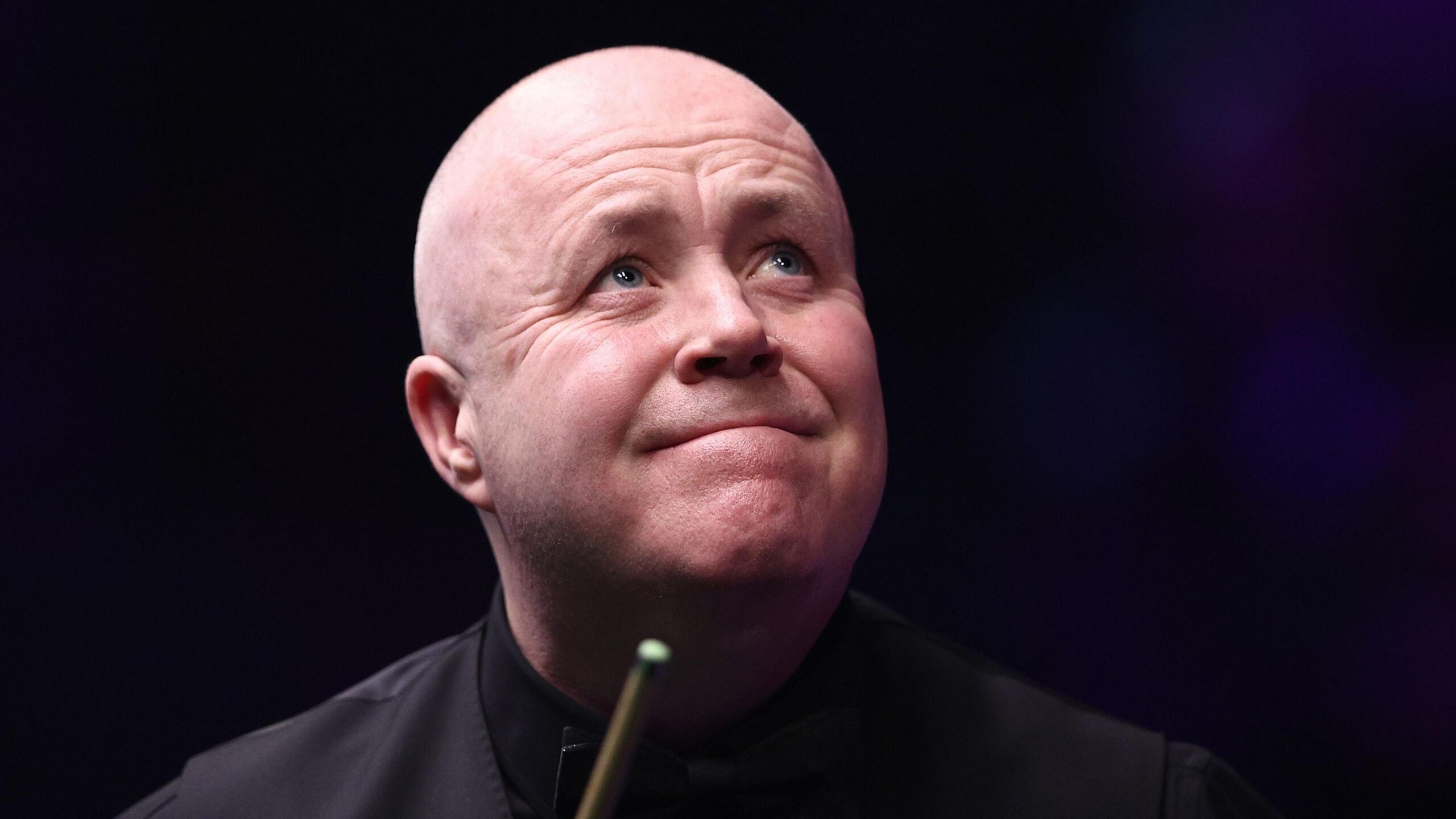
John Higgins produced a vintage fightback to defeat world champion Zhao Xintong on the black in a final-frame decider as he reached the semi-finals of the Masters.

It was a remarkable conclusion to a thrilling contest at Alexandra Palace, with two-time winner Higgins, who appeared to be down and out when he trailed 5-3, receiving a huge ovation after wrapping up a 6-5 triumph.

“I was so lucky, in the second-to-last frame I tried a plant and butchered it and fluked a ball. It was fate maybe,” Higgins told BBC Sport.

“I stayed down a little bit extra on the final black to make sure I could not miss it.”

In a high-quality encounter China’s Zhao constructed breaks of 89 and 74, while Higgins responded with a superb 114 and run of 64 as the players traded the first six frames.

Zhao, who was aiming to complete snooker’s Triple Crown, capitalised and opened up a 5-3 lead when Higgins went in-off after potting a red to the middle in the seventh frame and then missed a crucial black in the eighth frame.

However, Higgins, who is making a record-extending 32nd consecutive appearance at the Masters, rallied and benefited from some good fortune to get back to 5-4 and then force an 11th frame.

In a see-saw finale the 50-year-old Scot, who last won the invitational tournament in 2006, cleared the colours after Zhao broke down on 53 and missed a tough red to the top-right corner.

To play this video you need to enable JavaScript in your browser.

Currently ranked fifth in the world, Higgins remains one of snooker’s biggest draws and was willed on throughout as he reached the semi-finals for the first time since 2021.

He was given a rapturous reception when he emerged to the sound of The Stone Roses’ iconic track ‘I Am the Resurrection’ and he left the arena to even bigger roars.

While he was not at his absolute best and toiled positionally at times in the closing frames, his ability to turn things around against Zhao was testimony to his granite match-play.

His more relaxed demeanour perhaps also helped, with his Wednesday spent far from a practice table as he instead elected to watch a musical with his wife Denise in London’s West End.

“I did not pick up my cue yesterday and we went for a nice dinner. Sometimes it is good to just get away and relax and see where it takes you,” Higgins added.

“I am delighted and I am so proud I am still doing it. So proud I am through to another semi-final here and I will enjoy it.”

Related topics

  • Snooker

UN chief’s last annual speech slams world leaders for lack of cooperation

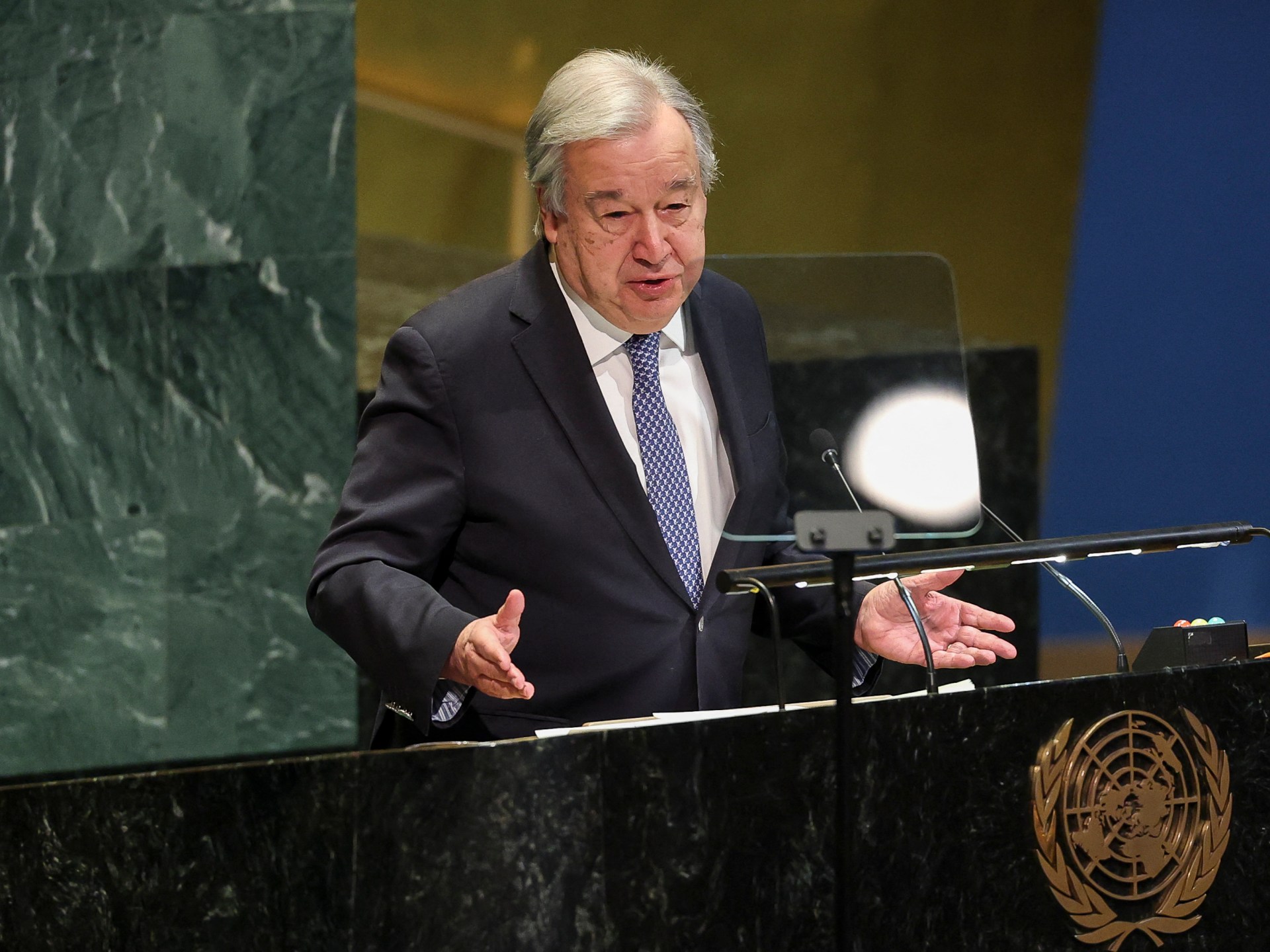
United Nations chief Antonio Guterres has lashed out at world leaders he accused of turning their backs on international cooperation amid “self-defeating geopolitical divides” and “brazen violations of international law”.

Addressing the UN General Assembly on Thursday, the UN secretary-general slammed “wholesale cuts in development and humanitarian aid”, warning that they were “shaking the foundations of global cooperation and testing the resilience of multilateralism itself”.

Recommended Stories

list of 3 itemsend of list

“At a time when we need international cooperation the most, we seem to be the least inclined to use it and invest in it. Some seek to put international cooperation on deathwatch,” he said.

Last annual speech

The secretary-general, who will step down at the end of 2026, held off naming offending countries, but appeared to refer to deep cuts to the budgets of UN agencies made by the United States under the “America First” policies of US President Donald Trump.

While other countries have also cut funding, the US announced at the end of last year that it would be allocating only $2bn to United Nations humanitarian assistance, representing a small fraction of the leading funder’s previous contributions of up to $17bn.

Trump’s administration has effectively dismantled its primary platform for foreign aid, the US Agency for International Development (USAID), calling on UN agencies to “adapt, shrink or die”.

Setting out his last annual list of priorities as secretary-general for the year ahead, Guterres said the UN was “totally committed in the cause of peace in Gaza, Ukraine, Sudan and far beyond and tireless in delivering life-saving aid to those so desperate for support”.

The UN chief insisted humanitarian aid be allowed to “flow unimpeded” into Gaza, said no effort should be spared to stop the Russia-Ukraine war, and urged a resumption of talks to bring about a lasting ceasefire in Sudan.

Those three deadly, protracted conflicts have come to define Guterres’s time at the helm of the UN, with critics arguing the organisation has proved ineffective at conflict prevention.

The UK is taking political prisoners to evade accountability for genocide

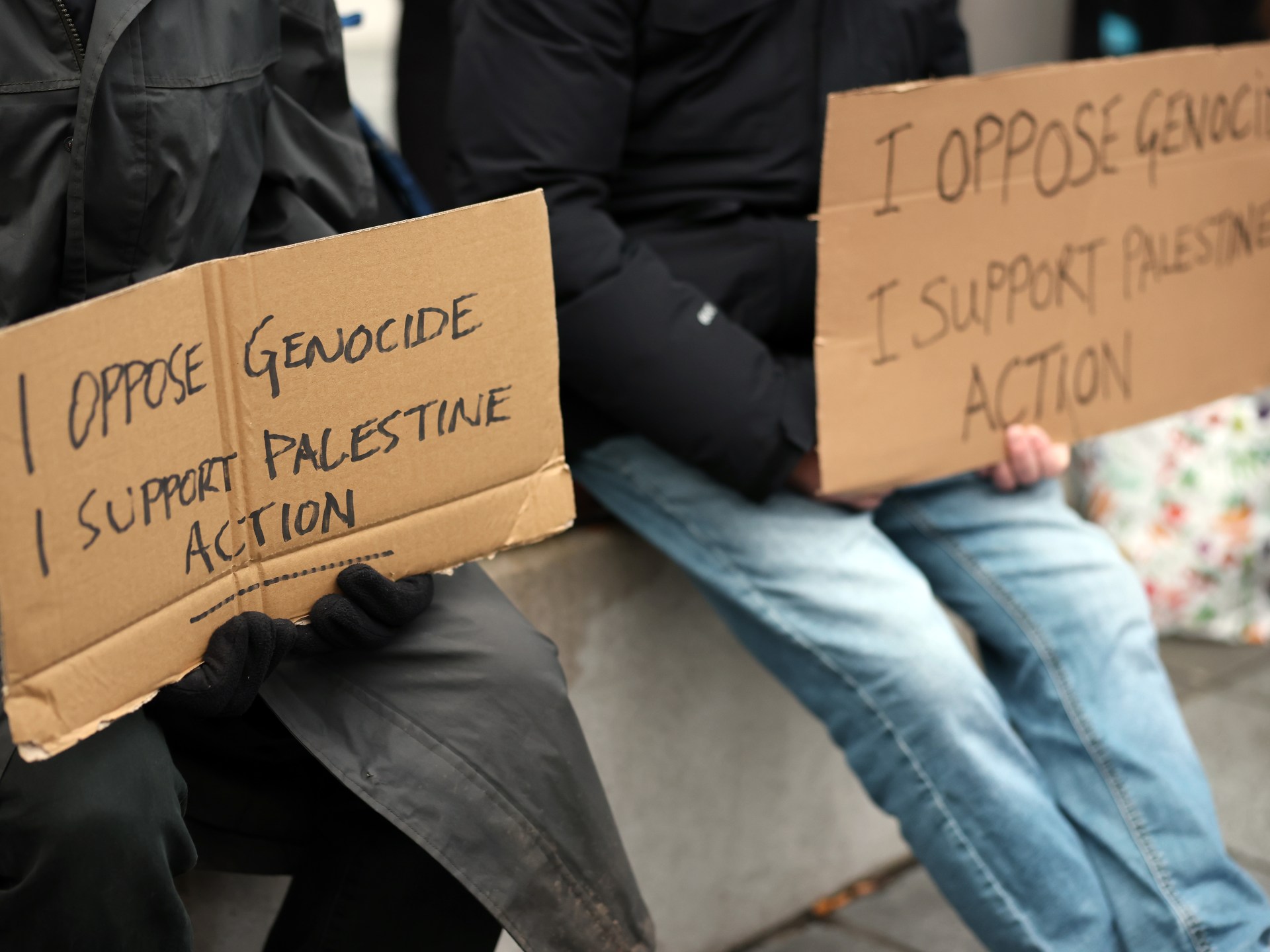
In June 2025, the UK government proscribed the UK-based group Palestine Action as a terrorist organisation under the Terrorism Act 2000. This was not a security decision, but a political one, marking an unprecedented escalation in the criminalisation of Palestine solidarity in the United Kingdom. Palestine Action members have engaged in non-violent direct action aimed at disrupting the UK’s complicity in the Gaza genocide, targeting facilities linked to Israel’s arms industry operating in the UK, including Elbit Systems sites and elements of British military infrastructure.

Rather than confronting its own actions, the government has sought to divert attention from the central issue: the UK’s role in the Gaza genocide. Throughout Israel’s assault on Gaza, the UK has provided sustained political and diplomatic support, supplied vital components for F-35 fighter jets, and conducted R1 surveillance flights over Gaza. Taken together, these actions render the British government not merely complicit, but materially involved in the violence itself.

At the same time, the UK has sought to obstruct international accountability. It has attempted to interfere with proceedings at the International Criminal Court — conduct that may constitute an offence under Article 70(1) of the ICC Statute — by intimidating the ICC Prosecutor and creating procedural obstacles designed to delay or prevent the issuance of arrest warrants against Israeli leaders. Rather than reassessing policies that expose it to legal and moral liability, the government has turned on those who insist on holding it to its own professed values — values it readily invokes when geopolitically convenient, such as in Ukraine and Greenland.

Anti-terror laws to justify political imprisonment

The persecution of individuals on political grounds through the law is by no means new. As early as 399 BCE, Socrates was tried and executed in Athens on charges of “impiety”, “not recognising the gods the state recognises”, and “corrupting the youth”, with the law itself serving as the instrument of repression.

Today, Russia’s crackdown on dissent, carried out through formally lawful means, stands as one of the most widely criticised contemporary examples of political imprisonment, routinely condemned by Western governments, including the UK.

Attempts to define and legally operationalise the concept of political imprisonment have long faced resistance. While there is no consensus on what constitutes a “political prisoner” or “prisoner of conscience”, the criteria established by the Parliamentary Assembly of the Council of Europe (PACE), of which the UK is a member, offer clear and authoritative guidance:

“a. if the detention has been imposed in violation of one of the fundamental guarantees set out in the European Convention on Human Rights and its Protocols (ECHR), in particular freedom of thought, conscience and religion, freedom of expression and information, freedom of assembly and association; 

b. if the detention has been imposed for purely political reasons without connection to any offence; 

c. if, for political motives, the length of the detention or its conditions are clearly out of proportion to the offence the person has been found guilty of or is suspected of;

d. if, for political motives, he or she is detained in a discriminatory manner as compared to other persons; or, 

e. if the detention is the result of proceedings which were clearly unfair and this appears to be connected with political motives of the authorities.”  (SG/Inf(2001)34, paragraph 10).
These criteria are directly relevant to the UK’s treatment of Palestine Action. The British government is complicit in Israel’s systematic unmaking of Palestine, including its illegal occupation, its system of apartheid, and its role in the Gaza genocide, and Palestine Action has directly challenged this complicity. Where public order and civil disobedience laws once failed to suppress this activism, the state escalated to the use of exceptional anti-terror legislation.

The government has since resorted to the Terrorism Act to preemptively criminalise activists and expose them to sentences of up to 14 years’ imprisonment, a level of punishment grossly disproportionate to non-violent direct action. This disproportionality and choice of legislation signal a political motive.

The application of the Terrorism Act 2000 to non-violent direct action strips activists of ordinary legal protections and subjects them to an exceptional penal regime, including extended pre-charge detention, heightened surveillance powers, restrictions on association and expression, and dramatically increased sentencing exposure. Such measures are ordinarily reserved for acts involving mass violence, not protest aimed at preventing harm.

Under the PACE criteria, detention may be considered political where punishment is clearly disproportionate or where legal proceedings are unfair and politically motivated. Here, non-violent activism is met with the prospect of lengthy imprisonment alongside reputational destruction through terrorist designation. This combination satisfies multiple indicators of political imprisonment, particularly criteria (c) and (e).

The use of anti-terror law in this context does not merely criminalise conduct; it redefines dissent itself as a security threat, preempting fair adjudication and conditioning the public to accept extraordinary punishment for ordinary political opposition.

The broader picture

In penology, a penal system may serve several recognised purposes, including just deserts and retribution, incapacitation, and deterrence. What is unfolding in the UK fits none of these aims. Instead, the penal system is being deployed to expand executive power and suppress political opposition, deviating from the purposes a penal system in a liberal democracy should serve.

The UK is complicit in grave violations of international law and has not only failed to meet its international legal obligations, but has actively breached them. Some British citizens, concerned with justice, international law, and human rights, have peacefully stepped in to challenge their government’s wrongdoing. The state’s response has been to criminalise dissent while presenting repression as democratic self-defence.

Let us be clear: proscribing Palestine Action as a terrorist organisation is not an isolated act. It is part of the UK’s broader complicity in Israel’s oppression and genocide, and it functions domestically to silence those who seek to disrupt that complicity.

This is not the first attempt to rule by law in the UK to support Israel’s policies in Palestine. The introduction of the IHRA definition of anti-Semitism was another such attempt to control and intimidate opposition through legal means. With the weaponisation of anti-terror laws, the UK government has taken a further step towards shrinking the space for dissent.

The exceptional selectivity of legal tools and the disproportionality of the chosen penal regime cannot be justified when measured against the conduct in question: non-violent activism aimed at compelling the government to halt violence and uphold the international legal obligations it claims to champion. Those participating in violence are branding the non-violent as terrorists.

Finally, it is striking that after all these decades, the UK continues to ignore its unique historical responsibility towards the Palestinians. The UK imposed its mandate over Palestine by force, governing the territory while systematically privileging colonial and settler interests, before abandoning its obligations and withdrawing unilaterally. This withdrawal was crucial to creating the conditions in which the Nakba unfolded, in breach of the responsibilities the UK had assumed under the Mandate.

Among those obligations was the commitment articulated in the White Paper of 1939 to establish a Palestinian state for all its citizens within 10 years, a promise that was never honoured. The UK planted the seeds of Palestinian suffering and then exited Palestine without securing political self-determination for its indigenous people, leaving a legacy of dispossession that continues to shape the present.

More than a century after the Mandate, it remains Palestinians — supported by allies across the world — who are risking everything to defend the values of humanity and the principles of international law. The British state, by contrast, has chosen evasion over responsibility, and repression over reckoning.

Any hopes?

Hope lies in refusing the normalisation of this moment. By challenging the proscription of Palestine Action, activists are not only resisting the UK’s complicity in Israel’s crimes, but defending the space for dissent itself. The struggle is not simply to reverse one decision, but to prevent the erosion of democratic limits through the misuse of law. In the UK right now, defending democracy and acting against complicity in Israeli atrocities go hand in hand.
AFCON: Nigeria Shift Attention To Third-Place Match After Morocco Heartbreak

Nigeria’s dream of winning the 2025 Africa Cup of Nations (AFCON) may have ended dramatically and painfully. But the Super Eagles have another shot at bowing out gallantly out of the competition in the third-place match against Egypt.

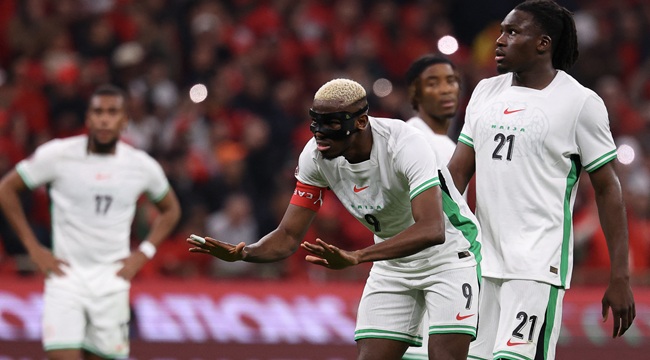
The three-time African champions lost 2-4 on penalties to Morocco in the semi-final of the 2025 AFCON after a gruelling 120 minutes of football in Rabat ended goalless on Wednesday night.

In a game of few clear-cut chances, the Super Eagles, who fired two goals past Algeria in the quarter-final, failed to score for the first time in the tournament. An extra 30 minutes did not produce a goal, leading to penalties.

Morocco’s goalkeeper Yassine Bounou performed heroics by saving twice in the shoot-out, sparking wild celebrations among the over 65,000 fans inside the Prince Moulay Abdellah Stadium.

While the 1976 winners battle Senegal in the final on Sunday, Nigeria take on the Pharaohs of Egypt for a chance to finish on the podium, one step short of their runners-up placing at the 2023 AFCON.

The match is a reenactment of their friendly game ahead of the tournament. Egypt, seven-time African champions, defeated Nigeria 2-1 in that match.

In spite of Wednesday’s loss, Nigerian coach Eric Chelle praised his team for showing a “strong mental response” and fighting for every ball. The Malian gaffer, though admitting that the loss was “very painful,” is looking at what lies ahead for the Super Eagles.

“It’s difficult because we worked hard throughout the entire tournament, but that’s football. We must continue working,” he said after the match.

“We played this match with high pressing, because if you don’t press, you leave spaces and the situation becomes very complicated.”

READ ALSO: Morocco Beat Gallant Super Eagles On Penalties To Reach AFCON Final

Despite the defeat to the Atlas Lions, the Federal Government has hailed the Super Eagles for their outing in Morocco.

Information and National Orientation Minister Mohammed Idris described Nigeria’s outing at the AFCON as one that showcased unity, resilience and discipline.

“Even in defeat, you showed character, teamwork, and resilience, and those qualities matter deeply to the nation you represent,” Idris said in a statement on Thursday.

“You reminded us that wearing the green and white is about courage, unity, and never giving up. Hold your heads high. Learn from this experience, stay united, and return stronger.

“Nigeria remains proud of you and grateful for the joy and hope you gave us during this competition. Well done, Super Eagles.”

US sanctions Khamenei aide, other Iranian officials over protest crackdown

The United States has imposed new sanctions against Iran, targeting political and security officials over the crackdown on antigovernment protesters, amid US President Donald Trump’s threats to intervene militarily against the country.

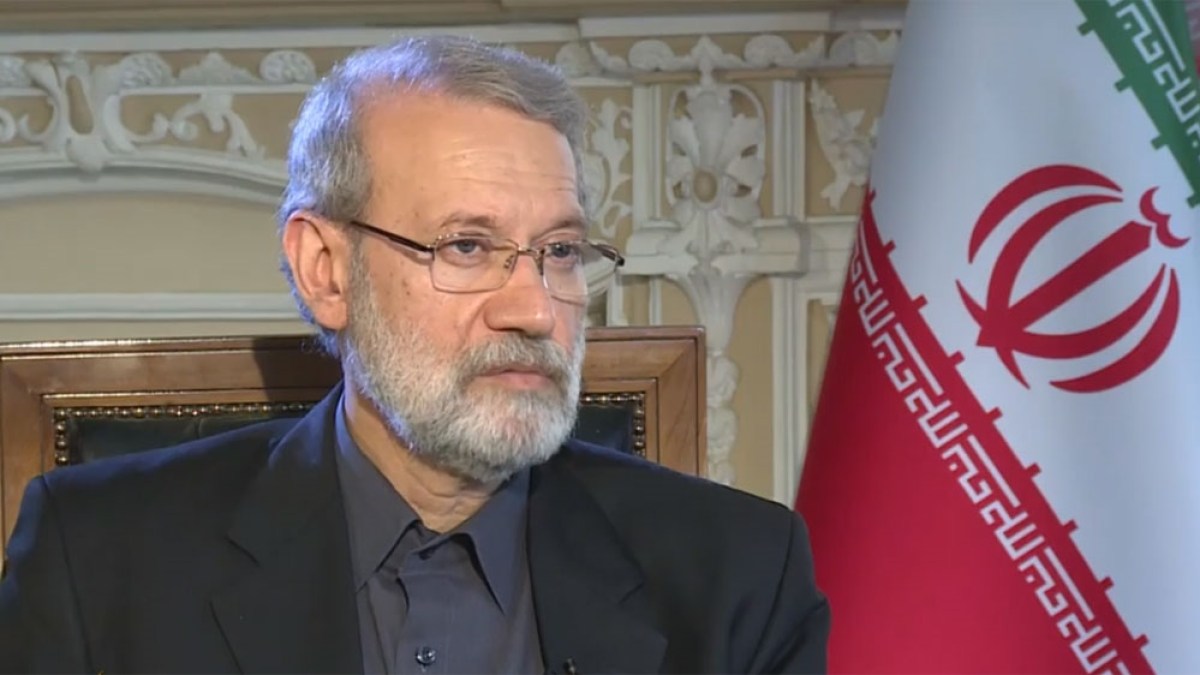
The US penalties on Tuesday targeted Ali Larijani, the secretary of Iran’s Supreme National Security Council (SNSC), and several other officials, who it said were the “architects” of Tehran’s “brutal” response to the demonstrations.

Recommended Stories

list of 3 itemsend of list

“The United States stands firmly behind the Iranian people in their call for freedom and justice,” US Treasury Secretary Scott Bessent said in a statement.

“At the direction of President Trump, the Treasury Department is sanctioning key Iranian leaders involved in the brutal crackdown against the Iranian people. Treasury will use every tool to target those behind the regime’s tyrannical oppression of human rights.”

The sanctions freeze the individuals’ assets in the US and make it illegal for American citizens to do business with them.

With Iran already under heavy sanctions, the measures are largely symbolic, but they signal mounting US pressure against Iran amid the protests. Larijani is a close adviser to Supreme Leader Ayatollah Ali Khamenei.

Earlier this week, after Trump called on Iranians to “take over” public institutions and “save the names of the killers and abusers”, Larijani was quick to respond, accusing Trump and Israeli Prime Minister Benjamin Netanyahu of killing Iranians.

“We declare the names of the main killers of the people of Iran: 1- Trump 2- Netanyahu,” he wrote on X.

Thousands of protesters are believed to have been killed in the wave of demonstrations that gripped Iran since the start of the year, according to several activist groups.

The Iranian government has described the demonstrators as armed rioters, egged on by the US and Israel to spread chaos, saying that more than 100 security officers have been killed by armed attacks during the demonstrations.

Al Jazeera is not able to independently verify these figures.

Authorities have also imposed an internet blackout on the country, making it difficult to verify the death toll as well as claims from both sides.

On Tuesday, Israel’s Channel 14, which is aligned with Netanyahu, reported that “foreign actors” are arming protesters in Iran to target government personnel.

After Trump escalated his rhetoric for days, a US attack on Iran appeared imminent late on Thursday.

Iran shut down its airspace; several Israeli towns opened their bomb shelters; and the US withdrew some personnel from the region.

Iran had threatened a severe response against any US attack.

But as the world held its breath in anticipation of the strikes, Trump softened his position, saying that he had been told that the killing of protesters had stopped.

“They [Iranian officials] said people were shooting at them with guns, and they were shooting back,” Trump said. “And you know, it’s one of those things, but they told me that there will be no executions, and so I hope that’s true.”

He reiterated that message on Thursday, saying that it is “good news” that Iran will not be executing protesters.

In June, Israel attacked Iran without provocation, killing dozens of top military officials and nuclear scientists, as well as hundreds of civilians.

Trump has said he was “very much in charge” of the Israeli onslaught, which culminated in the US bombing Iran’s main nuclear facilities before a ceasefire was reached.

Before the protests erupted in Iran, Trump last threatened to bomb the country again if it rebuilds its nuclear or missile programmes as he hosted Netanyahu in the US state of Florida.

The US is also intensifying its economic sanctions against Iran with the aim of choking Tehran’s oil sales.

Canada’s Carney hails improving ties with China

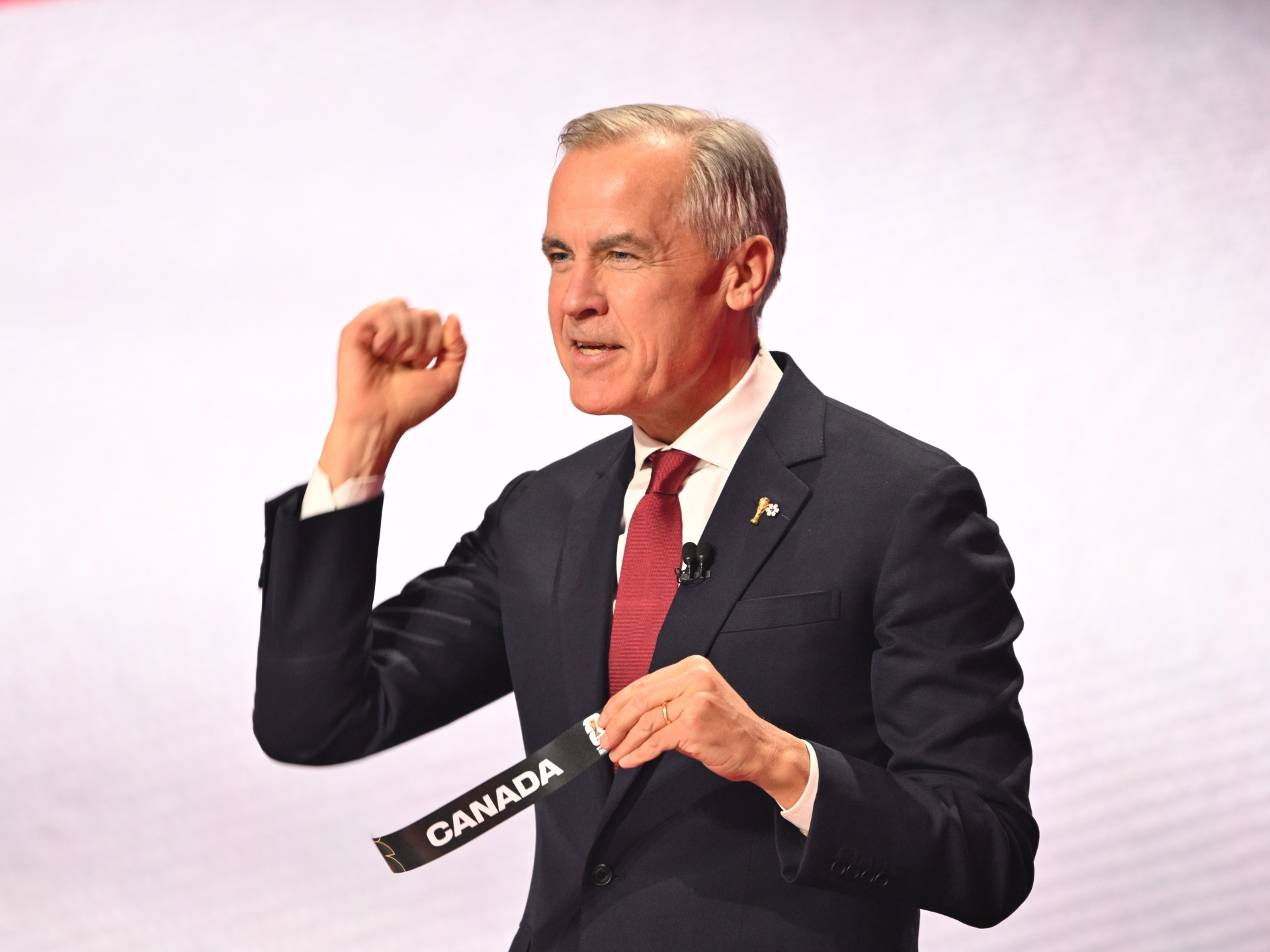
Prime Minister Mark Carney has hailed Canada’s improving ties with China, as well as the leadership of President Xi Jinping, declaring that their nations were charting a new course in cooperation at a time of global division and disorder.

The four-day visit to China was the first by a Canadian prime minister since 2017, following up on Carney’s positive meeting with Xi in South Korea in October. The two are set to meet on Friday.

Recommended Stories

list of 4 itemsend of list

“We’re heartened by the leadership of President Xi Jinping and the speed with which our relationship has progressed,” Carney told China’s top legislator, Zhao Leji, in a meeting in Beijing on Thursday.

“It sets the stage for these important discussions on a wide range of issues where we can be strategic partners from energy to agriculture, to people-to-people ties, multilateralism, to issues on security.”

Carney’s optimism follows months of intense re-engagement by both countries aimed at recalibrating ties that had soured under the previous prime minister, Justin Trudeau.

The efforts have also been fuelled by a push to diversify export markets after United States President Donald Trump imposed tariffs on Canada last year and suggested the longtime US ally could become his country’s 51st state.

“Our teams have worked hard, addressing trade irritants and creating platforms for new opportunities,” Carney told Premier Li Qiang in a separate meeting.

“I believe that together, we are bringing this relationship back toward where it should be.”

Auto tariffs

Periods of tension in the past decade have strained ties, most recently after Trudeau’s government imposed tariffs on Chinese electric vehicles in 2024, following similar US curbs.

Trudeau said at the time the EV tariffs were imposed because Chinese state subsidies had given manufacturers in China an unfair advantage in the global marketplace, harming the outlook for Canada’s car industry.

China retaliated last March with tariffs on more than $2.6bn of Canadian farm and food products, such as canola oil and meal, leading to a slump of 10.4 percent in Chinese imports of Canadian goods in 2025, as shown in customs data on Wednesday.

Canadian Industry Minister Melanie Joly, who was part of Carney’s delegation to China, said talks about auto tariffs were still ongoing when asked by reporters if Canada might reduce the EV tariffs by 50 percent.

Negotiations will continue on Friday, Joly said, when Carney will meet with Xi.

‘Maintaining open channels of communication’

Efforts to strike up new dialogue have gathered pace since Carney took the helm last year, with top officials from both sides setting up meetings and telephone calls that resulted in the leaders’ October meeting in South Korea.

In a trade and economic roadmap signed on Thursday, both committed to “maintaining open channels of communication” to resolve issues on trade in agricultural products.

In the roadmap, Ottawa welcomes Chinese investments in energy, agriculture and consumer products, while Beijing looks forward to Canada’s investment in services, new materials, aerospace and advanced manufacturing, among other fields.

In energy, both sides are to explore oil and gas development, as well as cooperation in the natural uranium trade.

The pacts provide “an example to the world of cooperation amidst a time globally of division and disorder”, Carney said in his meeting with Zhao.

Since arriving in the Chinese capital on Wednesday, Carney has met senior executives of its business groups, such as EV battery giant Contemporary Amperex Technology (CATL) and China National Petroleum Corp.