- 31 Comments
Formula 1 has revealed the terminology the sport will use to refer to the technical complexities of the new 2026 rules.
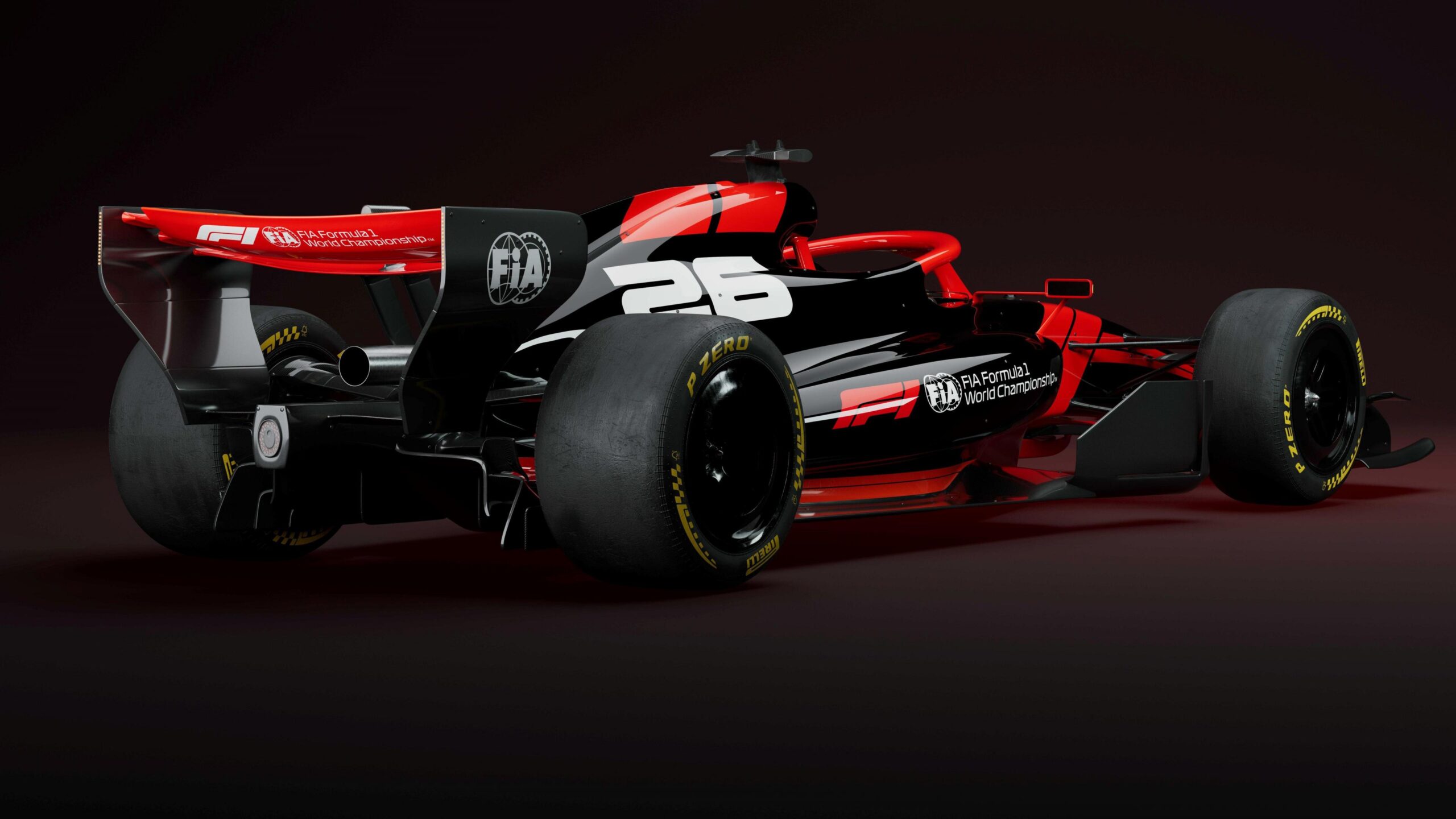
F1 is introducing arguably the biggest regulation change in its history next season, with new chassis and engine rules, and the mandating of sustainable fuels.
The new engines, which remain 1.6-litre V6 turbo hybrids, have significantly increased electrical capacity, which has required innovations in the cars’ aerodynamics.
Drivers will manage electrical energy throughout races – sometimes even on qualifying laps – to secure the best performance.
F1 and governing body the FIA have consulted with what is described as a “wide range of new, casual and core fans to understand what kind of terminology would help them better understand the key features of the new regulations”.
A statement said this involved “using third-party polling data and our 50,000 strong community ‘Fan Voice’, as well as consultation with the FIA, F1 teams and other technical experts to finalise and agree on the terms”.
The aim was to make a series of complex new areas of the sport as easy to understand as possible to the widest audience.
What’s the new technology?
Rule-makers say drivers will have more power in their hands to make decisions over energy deployment, regeneration and conservation.
The new rules mean cars will have a series of modes which will be indicated on television graphics to aid the audience’s understanding of the action.
Overtake mode: Replaces the current DRS overtaking aid. A burst of extra electrical energy available when drivers are within a second of the car in front to deploy power to assist with an overtake.
Boost mode: Driver-operated energy deployment from the energy recovery system that can be used in attack or defence. Gives the driver maximum power from the engine and battery at the push of a button.
Both these modes will have to be used with calculation as total energy is limited.
Active aero: The front and rear wings adjust angles – open on the straights for low drag and speed, and closed in the corners for maximum downforce.
What’s changing on the cars?
The cars will be smaller and lighter than this year, with a wheelbase reduced by 200mm to 3,400mm, width by 100mm – down to 1,900mm – and the minimum weight reduced by 30kg.
Overall downforce is expected to be reduced by about 15-30%, although teams will inevitably claw this back as they develop their cars.
Drag has been reduced by 40%. The cars will have active aerodynamics – front and rear wings will open on the straights to reduce drag and increase straightline speed and click back into place for maximum cornering performance.
What’s changing in the engines?
The engines will have an approximate 50-50 split in power produced by the internal combustion engine and the electrical system, up from about 20% electrical this year.
The hybrid system is simplified through the removal of the MGU-H, the complex and expensive device that recovered energy from the turbo.
Related topics
- Formula 1
- 7 days ago

- 1 day ago


Source: BBC

Leave a Reply