Archive December 14, 2025

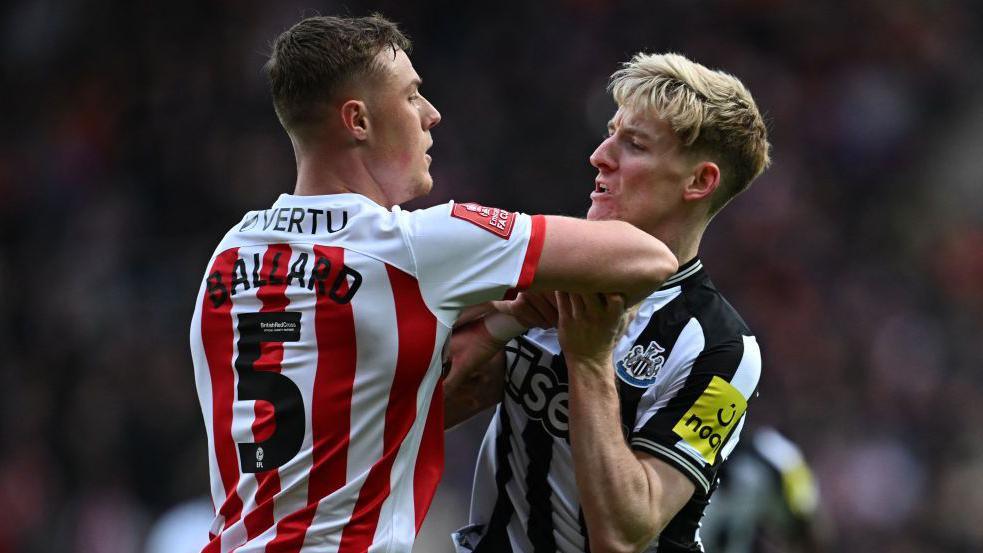
Why Sunderland v Newcastle means so much

Getty Images
  • Comments

Eddie Howe was technically on safe ground as he rang the bell.

The Newcastle United head coach had just got the 2023 Great North Run under way to loud cheers in the heart of the city.

But he had not accounted for those Sunderland-supporting runners who were not so thrilled to see him as they whizzed past.

“The biggest stick I’ve ever had,” he said this week. “I got abused by 50% of the people there.”

This is not an inter-city rivalry. These North East neighbours have won only one major domestic trophy between them in the past 50 years, and Sunday’s game (14:00 GMT) marks the first time they will even meet in the Premier League for nearly a decade.

But few fixtures bring a region to a standstill quite like the Tyne-Wear derby as former Sunderland manager Peter Reid knows better than most.

“They’re football crackers,” he said. “Let’s just say there is a little bit more needle up there.”

Another Liverpudlian across the divide feels similarly before the game at the Stadium of Light.

Ryan Taylor, the last player to score a winning goal for Newcastle against Sunderland in the top flight back in 2011, likens the intensity of the rivalry to the Old Firm in Scotland.

“There is a hell of a lot more passion in this derby compared to the Manchester derby and, even the Merseyside derby,” the retired defender said. “There’s just raw emotion.”

Such fervour is one of the many reasons why the This is Wearside supporters group started planning their biggest ever flag display for the derby once Sunderland secured promotion via the play-offs in May.

Dedicated volunteers have been spending up to 12 hours a day preparing the mammoth operation in recent weeks.

That is how much this game means.

To play this video you need to enable JavaScript in your browser.

‘The two biggest games of the season’

Nikos Dabizas also knows what can happen when these worlds collide.

A huge framed photograph in the former Newcastle centre-back’s home serves as a daily reminder.

It captures the Greek wild-eyed, bare chested and surrounded by his elated team-mates, after scoring the winner in front of the away fans at the Stadium of Light in 2002.

This was a fixture that certainly left its mark on him.

“It’s the intensity of the fans,” he said. “It’s something that goes from generation to generation. This tradition makes this game so special.”

So what is at the root of the fierce rivalry between two one-club cities less than 15 miles apart?

Well, as far as Sunderland season ticket holder Stokell is concerned, it goes beyond football itself.

“You can go back to the English Civil War with Newcastle siding with the monarchy and Sunderland siding with the government,” he said. “It’s all political and economical.

“Newcastle get the funding, Newcastle have the big city, Newcastle are the ones people always talk about when it comes to the North East. Sunderland are always shadowed.”

But it is far from one-sided.

Taylor’s father Darren was even “mobbed” by joyous Newcastle supporters after his son scored a decisive free-kick in that 1-0 victory at the Stadium of Light in 2011.

That is how much it meant to Geordies.

“It took a little bit of time afterwards to realise the significance of it,” Taylor said.

“It made my life a lot easier. I was allowed to make the odd mistake when playing, purely because of that goal.

“I still go up to St James’ Park now and you’ve got dads telling their kids, ‘See this lad? He scored the winner against the Mackems’.”

A derby win can even further elevate the standing of an already popular figure.

Chris Hughton had not long delivered promotion back to the Premier League when he took charge of his first derby as Newcastle manager in 2010.

There may have only technically been three points at stake, but Hughton quickly recognised the “added responsibility” of this game because people in the North East “live for their football”.

He said: “There are some derbies where you are not quite sure why they are derbies. This one, you do.

“These are two huge clubs – not far away from each other – with their own identities.

‘The world will know the North East is back on the map’

Hughton need not have worried.

His side ended up hammering Sunderland 5-1 at St James’ Park in 2010, but Newcastle have only won a single derby in the Premier League since then.

In fact, Sunderland have triumphed in six of the last seven meetings in the top flight.

Former Black Cats manager Gus Poyet oversaw half of those victories, having swiftly realised that the fixture was “much bigger” than many outsiders thought.

“After family, the club is the most important thing to the people of Sunderland,” he said.

“It’s so intense that the result of the club can change the mood of the city so imagine the result of the derby? You can feel it.

“They told me on the first day. ‘Please stay up, but you must beat Newcastle’. I still don’t know if it was more important to stay up or to beat Newcastle.”

Sunderland, like Newcastle before them, eventually slipped through the relegation trapdoor in 2017, and spent eight years outside the top flight.

So a division separated these rivals when they last met in the FA Cup third round nearly two years ago.

And the contrast was stark.

The combined cost of Sunderland’s starting line-up that day was a mere fraction of the £40m Newcastle had spent on Joelinton.

Alex Pritchard, who joined on a free transfer, was the most experienced individual in the hosts’ starting line-up by a considerable distance. At just 30 years of age.

“I don’t think the fans really believed, deep down, that we were going to win that game,” the former midfielder said. “But now it’s different.”

In so many ways.

Dan Ballard and Trai Hume are likely to be the only survivors from that 3-0 defeat in Sunday’s XI following the inspired arrivals of, among others, Granit Xhaka, Enzo le Fee, Robin Roefs, Nordi Mukiele, Noah Sadiki and Omar Alderete.

Sunderland also have a different manager, of course, in Regis le Bris.

Not only has the Frenchman led Sunderland to promotion – his fearless side have gone toe-to-toe with some the best teams in the top flight.

In fact, Manchester City are the only team in the current top six to have defeated Sunderland this season, while Le Bris’ side are also unbeaten on home soil.

Such an impressive start to the campaign means Sunderland go into Sunday’s game a point clear of Newcastle in the table.

So it is all set up to be a gripping afternoon when these rivals renew hostilities at the Stadium of Light.

What information do we collect from this quiz?

Related topics

  • Sunderland
  • Premier League
  • Newcastle United
  • Football

More on this story

    • 17 October
    A graphic of Premier League players from every team in the division in 2025-26 season, with the Premier League trophy in front of them.
  • Quiz logo

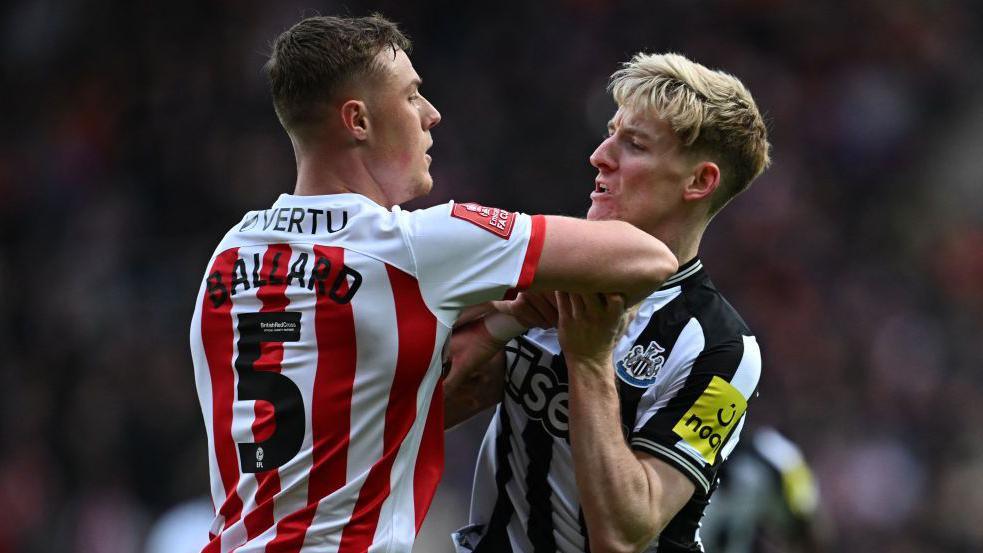
Why Sunderland v Newcastle means so much

Getty Images
  • Comments

Eddie Howe was technically on safe ground as he rang the bell.

The Newcastle United head coach had just got the 2023 Great North Run under way to loud cheers in the heart of the city.

But he had not accounted for those Sunderland-supporting runners who were not so thrilled to see him as they whizzed past.

“The biggest stick I’ve ever had,” he said this week. “I got abused by 50% of the people there.”

This is not an inter-city rivalry. These North East neighbours have won only one major domestic trophy between them in the past 50 years, and Sunday’s game (14:00 GMT) marks the first time they will even meet in the Premier League for nearly a decade.

But few fixtures bring a region to a standstill quite like the Tyne-Wear derby as former Sunderland manager Peter Reid knows better than most.

“They’re football crackers,” he said. “Let’s just say there is a little bit more needle up there.”

Another Liverpudlian across the divide feels similarly before the game at the Stadium of Light.

Ryan Taylor, the last player to score a winning goal for Newcastle against Sunderland in the top flight back in 2011, likens the intensity of the rivalry to the Old Firm in Scotland.

“There is a hell of a lot more passion in this derby compared to the Manchester derby and, even the Merseyside derby,” the retired defender said. “There’s just raw emotion.”

Such fervour is one of the many reasons why the This is Wearside supporters group started planning their biggest ever flag display for the derby once Sunderland secured promotion via the play-offs in May.

Dedicated volunteers have been spending up to 12 hours a day preparing the mammoth operation in recent weeks.

That is how much this game means.

To play this video you need to enable JavaScript in your browser.

‘The two biggest games of the season’

Nikos Dabizas also knows what can happen when these worlds collide.

A huge framed photograph in the former Newcastle centre-back’s home serves as a daily reminder.

It captures the Greek wild-eyed, bare chested and surrounded by his elated team-mates, after scoring the winner in front of the away fans at the Stadium of Light in 2002.

This was a fixture that certainly left its mark on him.

“It’s the intensity of the fans,” he said. “It’s something that goes from generation to generation. This tradition makes this game so special.”

So what is at the root of the fierce rivalry between two one-club cities less than 15 miles apart?

Well, as far as Sunderland season ticket holder Stokell is concerned, it goes beyond football itself.

“You can go back to the English Civil War with Newcastle siding with the monarchy and Sunderland siding with the government,” he said. “It’s all political and economical.

“Newcastle get the funding, Newcastle have the big city, Newcastle are the ones people always talk about when it comes to the North East. Sunderland are always shadowed.”

But it is far from one-sided.

Taylor’s father Darren was even “mobbed” by joyous Newcastle supporters after his son scored a decisive free-kick in that 1-0 victory at the Stadium of Light in 2011.

That is how much it meant to Geordies.

“It took a little bit of time afterwards to realise the significance of it,” Taylor said.

“It made my life a lot easier. I was allowed to make the odd mistake when playing, purely because of that goal.

“I still go up to St James’ Park now and you’ve got dads telling their kids, ‘See this lad? He scored the winner against the Mackems’.”

A derby win can even further elevate the standing of an already popular figure.

Chris Hughton had not long delivered promotion back to the Premier League when he took charge of his first derby as Newcastle manager in 2010.

There may have only technically been three points at stake, but Hughton quickly recognised the “added responsibility” of this game because people in the North East “live for their football”.

He said: “There are some derbies where you are not quite sure why they are derbies. This one, you do.

“These are two huge clubs – not far away from each other – with their own identities.

‘The world will know the North East is back on the map’

Hughton need not have worried.

His side ended up hammering Sunderland 5-1 at St James’ Park in 2010, but Newcastle have only won a single derby in the Premier League since then.

In fact, Sunderland have triumphed in six of the last seven meetings in the top flight.

Former Black Cats manager Gus Poyet oversaw half of those victories, having swiftly realised that the fixture was “much bigger” than many outsiders thought.

“After family, the club is the most important thing to the people of Sunderland,” he said.

“It’s so intense that the result of the club can change the mood of the city so imagine the result of the derby? You can feel it.

“They told me on the first day. ‘Please stay up, but you must beat Newcastle’. I still don’t know if it was more important to stay up or to beat Newcastle.”

Sunderland, like Newcastle before them, eventually slipped through the relegation trapdoor in 2017, and spent eight years outside the top flight.

So a division separated these rivals when they last met in the FA Cup third round nearly two years ago.

And the contrast was stark.

The combined cost of Sunderland’s starting line-up that day was a mere fraction of the £40m Newcastle had spent on Joelinton.

Alex Pritchard, who joined on a free transfer, was the most experienced individual in the hosts’ starting line-up by a considerable distance. At just 30 years of age.

“I don’t think the fans really believed, deep down, that we were going to win that game,” the former midfielder said. “But now it’s different.”

In so many ways.

Dan Ballard and Trai Hume are likely to be the only survivors from that 3-0 defeat in Sunday’s XI following the inspired arrivals of, among others, Granit Xhaka, Enzo le Fee, Robin Roefs, Nordi Mukiele, Noah Sadiki and Omar Alderete.

Sunderland also have a different manager, of course, in Regis le Bris.

Not only has the Frenchman led Sunderland to promotion – his fearless side have gone toe-to-toe with some the best teams in the top flight.

In fact, Manchester City are the only team in the current top six to have defeated Sunderland this season, while Le Bris’ side are also unbeaten on home soil.

Such an impressive start to the campaign means Sunderland go into Sunday’s game a point clear of Newcastle in the table.

So it is all set up to be a gripping afternoon when these rivals renew hostilities at the Stadium of Light.

What information do we collect from this quiz?

Related topics

  • Sunderland
  • Premier League
  • Newcastle United
  • Football

More on this story

    • 17 October
    A graphic of Premier League players from every team in the division in 2025-26 season, with the Premier League trophy in front of them.
  • Quiz logo

Gaza to Dublin: A journey through war, displacement, hope

Dublin, Ireland – When I was accepted to Trinity College Dublin, I imagined a fresh start, new lectures, late-night study sessions and a campus alive with possibility.

The plan was clear: begin my studies in September 2024 and finally step into the future I had worked so hard for.

Recommended Stories

list of 3 itemsend of list

But when September came, the borders of Gaza were shut tight, my neighbourhood was being bombed almost every day, and the dream of university collapsed with the buildings around me. Trinity sent me a deferral letter, and I remember holding it in my hands and feeling torn in two.

I didn’t know whether to feel relieved or heartbroken. That letter became a strange symbol of hope, a reminder that maybe, someday, my life could continue. But everything else was falling apart so quickly that it was hard to believe in anything.

My family and I were displaced five times as the war intensified. Each time, we left something behind: books, clothes, memories, safety.

After the first temporary truce, we went home for a short time. But it no longer felt like the place we had built our lives. The walls were cracked, windows shattered, and floors coated in dust and debris.

It felt haunted by what had happened.

I knew I had to go

I’m the middle child among three siblings. My older sister, Razan, is 25, and my younger brother, Fadel, is 23.

You might think being a middle child spares you, but during the war, I felt responsible for them. On nights when bombings shook the building and fear crept into every corner, I tried to be the steady one. I tried to comfort them as I trembled inside.

Then, in April 2025, my name appeared on a small, restricted list of people allowed to leave Gaza. About 130 people could cross at that time, dual-nationality holders, family reunification cases and a handful of others. My name on that list felt unreal.

The morning I approached the crossing, I remember the long, tense line of people waiting, gripping documents, holding bags, clutching their children’s hands. No one talked.

When two IDF officers questioned me, I answered as steadily as I could, afraid that something, anything, might go wrong and they’d send me back.

When they finally waved me through, I felt relief and guilt at the same time.

I didn’t call home until I got to Jordan. When my mother heard my voice, she cried. I did, too. I told her I was safe, but it felt like I had left a part of my heart behind with them.

Alagha had to leave her mobile phone behind in Gaza; this is one of the few photos she still has, of her mother embracing her on her graduation day in Gaza [Courtesy of Rawand Alagha]

My family is now in Khan Younis, still living through the chaos.

I arrived in Amman on April 18, my heart heavy with the weight of what I had escaped. The next morning, I boarded a flight to Istanbul, with nothing around me feeling real.

The sounds of normalcy, laughter, announcements, and the rustle of bags were jarring after the constant bombardment. I had been living in a world where every sound could signal danger, where the air was thick with fear and uncertainty.

I felt like a ghost, wandering through a world that no longer belonged to me.

Finally, after hours of flying, waiting, being screened and watching departure boards, I landed in Dublin. The Irish air felt clean, the sky impossibly open. I should’ve been happy, but I was engulfed by crushing guilt, the joy overshadowed by the pain of separation.

I wasn’t completely alone. A Palestinian colleague from Gaza had arrived in April 2024, and two friends were also in Ireland. There was an unspoken understanding between us.

“You recognise the trauma in each other without saying a word,” I often tell people now. “It’s in the way we listen, the way we sit, the way we carry ourselves.”

Back in Gaza, my daily life had shrunk to pure survival: running, hiding, rationing water, checking who was alive. Bombings hit every day, and nighttime was the worst. Darkness makes every sound feel closer, sharper.

You don’t sleep during war. You wait.

Those nights, the silence was deafening, punctuated by the distant echoes of explosions. I would lie awake, straining to hear danger.

The darkness wrapped me like a suffocating blanket, amplifying every creak of the building, every whisper of the wind.

During the day, people on the street moved quickly, eyes darting, alert.

Water was a precious commodity; we would line up for hours at distribution points, often only to receive a fraction of what we needed. It was never enough.

No human should live like that

Five times, we fled in search of safety, packed in minutes, hearts racing with fear.

In one building where dozens of displaced families stayed, people slept on thin mattresses, shoulder to shoulder. Children cried quietly, adults whispered, trying to comfort one another, but every explosion outside sent ripples of panic through the rooms.

No human being should have to live like that, but millions of us did.

As I sit in Dublin, I carry the weight of my family’s struggles with me, a constant reminder of the life I left behind.

The guilt of survival is a heavy burden, but I hold onto hope that one day, I can return and help rebuild what has been lost.

Even now, far from Gaza, I feel it. You don’t leave war behind; you carry it with you like a second heartbeat.

A workshop at the University of Dublin welcoming the Palestinian students [Courtesy of Rawand Alagha]

Watching a world I’m not part of yet

I often stop in the campus courtyards. Not just because they’re beautiful, though they are, but because I need those moments to remind myself that I survived.

The laughter of children here feels foreign, a reminder of joy that has been stolen from so many.

Walking through Trinity College today feels surreal. Students laugh over coffee, rush to lectures and complain about assignments. Life moves so seamlessly here.

I message my family every day. Some days, they reply quickly. Other days, hours pass with no response. Those silent days feel like torture.

But I’m determined. Being here is about rebuilding a life, about honouring the people I left behind.

Survival comes with weight.

I carry the dreams of those who couldn’t leave. That responsibility shapes the way I move through the world; quieter, more grateful, more aware.

I hope someday I can bring my family to safety. I hope to finish my studies, rebuild my life and use my voice for people still trapped in war.

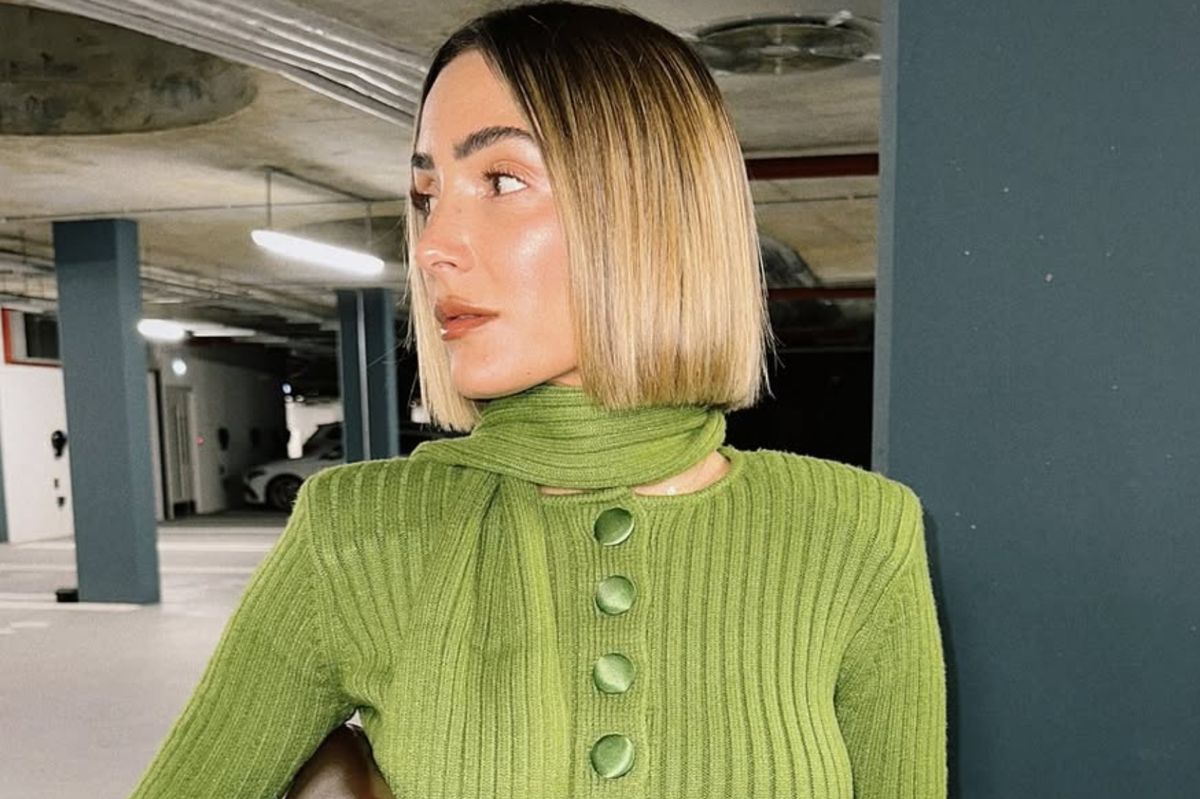
Frankie Bridge’s go-to LED face mask is a ‘game changer’ for rosacea and acne

Frankie Bridge has shared the secret device behind her glowing skin, with her go-to LED face mask said to be a ‘game changer’ for conditions like acne and rosacea

If you’ve noticed that party season is already taking its toll on your skin, or just want to start the new year with a brand new skincare routine, then an LED mask is a must-have. The at-home device is one of the easiest ways to bring some salon-worthy treatments into your regular routine,

But if you’re not sure which one to go for, Frankie Bridge has shared her favourite one to use at home after a follower asked for her recommendation. Frankie shared that the CurrentBody LED Blue Light Mask: Series 2 is her LED mask of choice, which she said is: “So good if you use it consistently.”

READ MORE: Fearne Cotton uses this £35 metallic eyeliner that works on mature skin to add festive sparkle

READ MORE: Boots just slashed 50% off this 5-star rated LED mask that makes a ‘big difference’ to your skin

The LED Blue Light Mask: Series 2 uses both blue and red light to tackle plenty of different skin complaints, and is said to clear skin and calm irritation in as little as six weeks. There are two precise wavelengths that the mask uses, and the silicone material makes it comfortable to fit around your face to make sure you get even coverage.

Blue light helps get rid of spot-causing bacteria, which not only gets rid of existing blemishes but it helps prevent future breakouts from occurring. Meanwhile the red light boosts your collagen production and helps support skin repairing to reduce redness and even out your skin tone.

As this is the series 2 version of the LED Blue Light Mask, it comes with additional features like an added chin strap and head strap which gives extra support and coverage. There are more LED lights, too, which help make sure you get more coverage and an effective treatment.

There’s even a belt clip on the controller so you can attach it to your clothes whilst wearing the LED Blue Light Mask: Series 2, to make it extra portable and easy to wear. You can pick up the mask for £399.99 direct from the CurrentBody website, but if that’s a little out of budget for you, there are some others available for less.

The Shark CryoGlow LED Mask is £299.99 and has under-eye cooling patches and LED lights to help reduce signs of ageing, banish blemishes and repair skin. Meanwhile the Silk’n Facial LED Mask 100 LEDS is £99.99 down from £160 if you’re looking for an ultra-affordable pick.

However the LED Blue Light Mask: Series 2 has gotten rave reviews from shoppers who have found it helped everything from acne to rosacea, with no reviews giving it less than four stars.

One said: “My wife has been using the mask for a while now and it’s definitely helping to control her rosacea. Also, she no longer has to take antibiotics, which is fantastic.”

Another wrote: “I had been struggling with hormonal acne for 2+ years and had tried everything – skincare, treatments, diet etc. This device was a game changer for me! Six weeks and no severe breakouts.”

With a third raving: “After 1 month my skin is brighter and smoother. Easy to use and very comfortable.”

Article continues below

And finally a fourth added: “I had so much inflammation in my face that I ended up with this mask. After 3 days of use, I noticed a visible difference and the inflammations were already a lot smaller. Now my skin has calmed down again and the inflammations are almost gone. Very happy with my purchase.”

Meghan Markle and Prince Harry’s ‘make or break fears’ exposed as ‘real problem’ becomes clear

Royal expert and author Tom Bower explains to the Mirror why he thinks this festive period is crucial for Prince Harry and Meghan Markle’s future success and happiness

As the royals prepare for a cosy Christmas at Sandringham, the Duke and Duchess of Sussex are out in the cold for what will be their seventh year away from the family celebrations. Despite some signs this year that a reconciliation could be on the cards, particularly for King Charles and Prince Harry, royal biographer Tom Bower claims Christmas is shaping up to be a nightmare for the Sussexes.

“Harry clearly met his father with the hope that he could ingratiate himself back into the family, but it isn’t going to work, there is just no way back for him,” Tom told the Mirror. “Harry himself said he didn’t know how long his father has got, and I think that hangs over him, but I don’t think he’s that high up on Charles’ list of priorities.”

READ MORE: Kendall Jenner’s stylish and waterproof wellies from Princess Kate-loved brand are now £35 off

He continued, “And Meghan isn’t reconciled with her own family and she never wants to come back to Britain, so her relationships with both families act against Harry’s own instinctive interests. The result is they are left in a very isolated place at Christmas.”

Harry, 41, and the King, 77, met for just 54 minutes at Clarence House in September in what was their first in-person meeting for over 18 months. But any hopes for a reconciliation were dashed when details of the event were allegedly “leaked”, and Harry’s team claimed there were “sources intent on sabotaging” the reunion.

According to Tom, the so-called leak was not the only thing that hurt any signs of progress. “He was granted those 54 minutes with the King by the skin of his teeth, but was told that not a word must be spoken about it,” he told us. “And then he gets on the train to Ukraine and tells a reporter that he has no regrets for anything he said in Spare.”

Another major obstacle has been Harry’s fight to get security for his family while in the UK. He was “devastated” after losing a court battle earlier this year over the decision to downgrade their protection, and said later he couldn’t “see a world in which I would bring my wife and children back to the UK at this point”.

But last week The Sun reported he had “won a Home Office review” into the threat level, which, if it goes Harry’s way, could lead to a long-overdue reunion for King Charles and his grandchildren, who have only met once.

Even so, Tom said, “The King is not only battling for survival, literally battling to live, but he wants a legacy and he wants to have a good transition to William, and Harry just gets in the way.”

It’s also highly unlikely the Sussexes will spend Christmas with the Markle side of the family, due to the estrangement on Meghan’s side too. Her relationship with her dad, Thomas Markle Sr, started to crumble around the time of her 2018 wedding to Harry. Thomas had to admit he lied to his future son-in-law about accusations he had staged paparazzi photos for cash a few weeks before the big day.

However, Meghan, 44, reportedly “reached out” to him via email last week after hearing about his emergency limb amputation in the Philippines, but it wasn’t clear whether the email had landed in Thomas’ inbox.

Following a claim that Thomas, 81, was “confused” by reports Meghan had tried to contact him, People magazine said it understood Meghan’s email “did not generate an error or bounce-back notification” and “efforts to obtain updated contact information for Thomas” were ongoing.

He admitted from his hospital bed last week he was “open to reconciling” with his daughter, and wanted to meet her children, Prince Archie, six, and Princess Lilibet, four, adding, “It might be nice to meet her husband too.”

Meghan’s other big headache, according to Tom, is her reality TV career and lifestyle brand, As Ever, following the largely negative reviews of her latest Holiday Celebration edition of With Love, Meghan, which launched on 3 December.

“This Christmas is make-or-break time for Meghan because there are two main problems – money and profile,” he told us. “Her lifestyle shows are clearly not taking off. She put on a great show in terms of looking great and pretending nothing is wrong, but the reality is it’s not a great success, to say the least.

“It hinges on how much Meghan can sell at Christmas and if it doesn’t sell, she has a real problem. Are people prepared to pay $32 for a jar of honey from the Duchess of Sussex? If it doesn’t work this Christmas, they have a real problem about what they will do in 2026.”

Tom also describes Harry as a “declining asset” in the family, as his list of official roles shrunk when he stepped back from the Sentebale charity in March amid reports of a fallout with its staff.

Article continues below

“The fate of Sentebale is OK without him, so what’s he got? The next Invictus Games is in 2027, so what is he going to do for a year?” Tom said. “There’s just no easy solution to the problem they have.”

Ozzy Osbourne’s Christmas heartache why he always hated it and Sharon’s first one without him

Ozzy Osbourne ‘hated’ Christmas and once drank 28 gallons of alcohol as the day drew near – as he died in July, this Christmas the first one his wife Sharon, and children will have to spend without him

Ozzy Osbourne “f***ing hated” Christmas – but his family are still struggling as the first holiday without him approaches. The late rocker once said he drank 28 gallons of alcohol to get through December as he disliked the festive period so much.

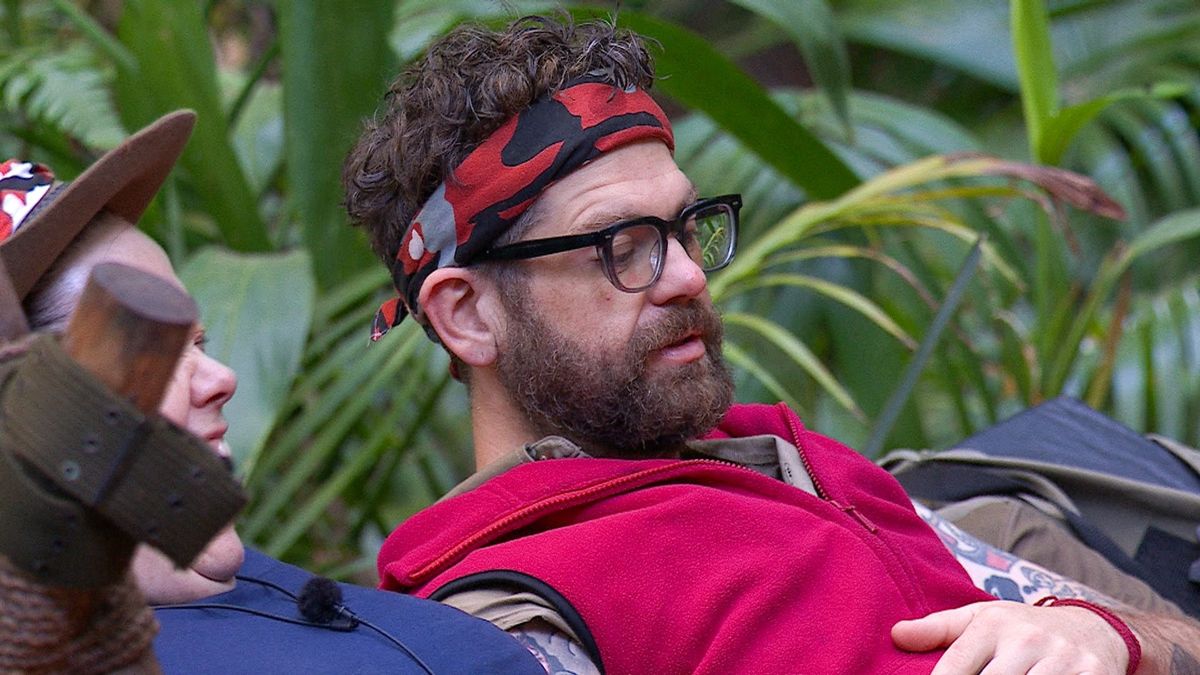
Speaking on I’m A Celeb in November, Jack Osbourne talked about getting close to Christmas without his father. He said: “The saving grace is, my dad hated Christmas.” He described his father as a “curmudgeon” and mimicked his father’s lack of enthusiasm about the day. According to the podcaster, Ozzy didn’t like that he had to “buy gifts for people I don’t even like”.

READ MORE: Kelly Osbourne hits back at ‘sick’ comments about her appearance saying ‘I am ill’READ MORE: Sharon Osbourne makes moving admission about King Charles after Ozzy’s death

“My dad was a bit of a bah humbug Christmas guy,” Jack said in the Bush Telegraph. “He didn’t love it. He wasn’t mean on Christmas, he just wasn’t dressing up as Santa. He was more Ebenezer Scrooge. But not in a tight way, he was just more, ‘Eh who gives a s***?'”

Last year, the Black Sabbath frontman told The Sun: “I f***ing hate Christmas”. He shared that when he was still drinking, he bought 28 gallons of alcohol and drank it so quickly, he was “drunk before Christmas f***ing Eve”.

Despite Ozzy’s dislike of the holiday, he still seemed to get involved. Towards the end of November, his daughter Kelly posted a heartbreaking video of her father helping to put up the Christmas decorations. In the video, the rockstar swore as he tried to untangle a string of fairy lights, before eventually walking away.

Over the video, Kelly wrote: “We are meant to be putting up the tree today! It won’t be the same [crying emoji]” Ozzy died in July this year after suffering a heart attack.

This came only a few weeks after his band, Black Sabbath, performed their final show in their hometown of Birmingham. His son, Jack called it the “ultimate mic drop”. On I’m A Celeb, he said: “It was the ultimate mic drop, he did a massive big gig and was like, alright I’m done … He’d be so supportive of this … I’m still navigating it all, it’s been three nearly four months and so it’s still pretty fresh.”

Ozzy’s wife, Sharon, has also shared how the death has affected her and what she keeps doing to stay close to him. Talking to The Sun, she said she visits the apple tree he was buried under everyday.

Article continues below

She told The Sun: “Everybody goes down there and has a chat with him. It’s never without candles by his pictures. He’d want to be missed. And he is, so terribly. I mean, it’s not even missed. It’s an ache that you wake up with, and you can’t get rid of that ache. It’s like a big hole inside of you, and the kids feel exactly the same way.

She also told Piers Morgan that her children, Kelly, Jack and Aimee, have been instrumental in helping her get through the loss. “I would have just gone with Ozzy, definitely. I’ve done everything I wanted to do. You know [my children] have been unbelievable, just magnificent with me, all three of them.”