Archive December 15, 2025

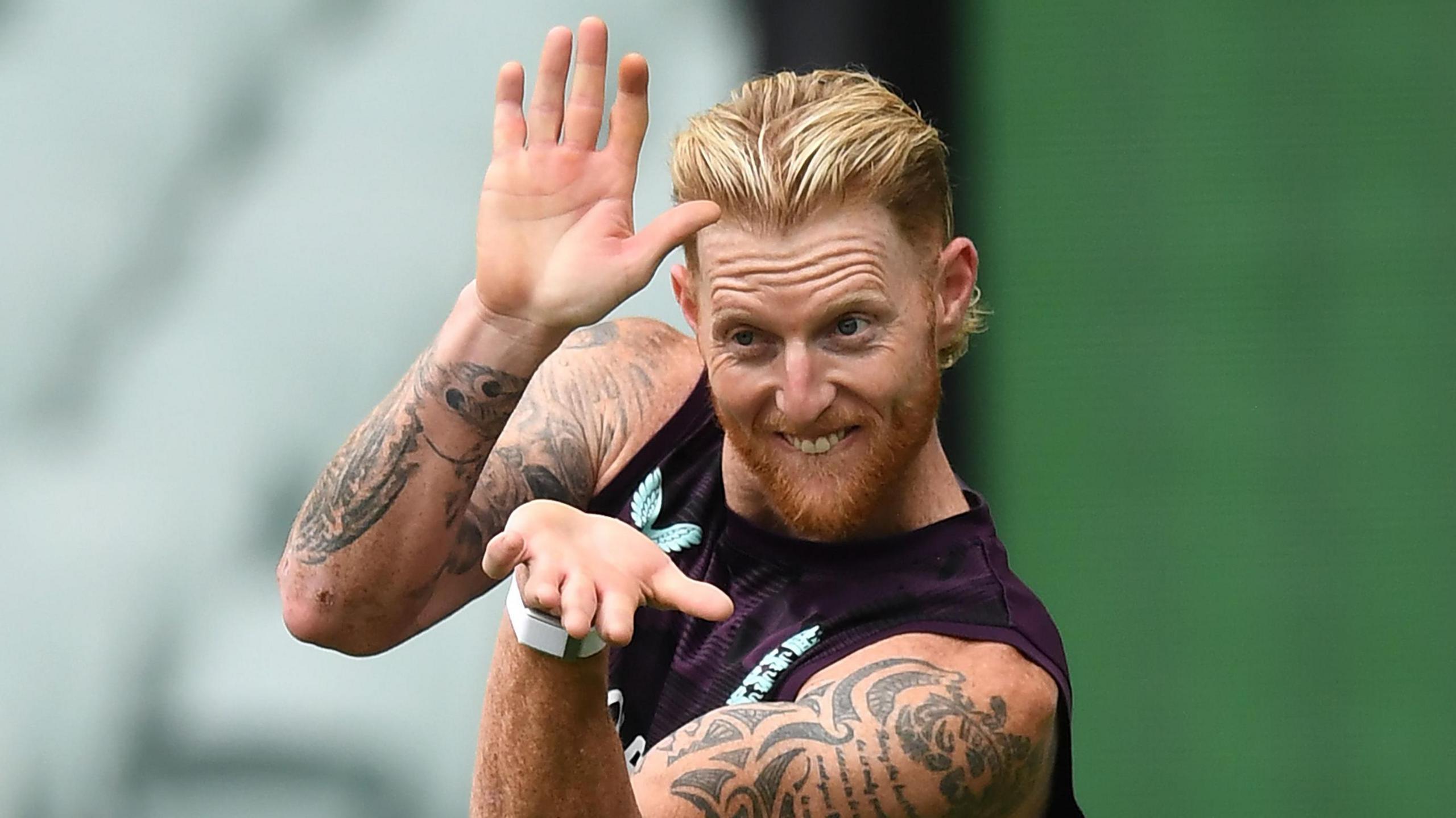
Stokes wants England to ‘show a bit of dog’ in third Ashes Test

Getty Images
  • 227 Comments

Ben Stokes has asked his England team to “show a bit of dog” in the crucial third Ashes Test against Australia in Adelaide.

England are 2-0 down and must end a 17-match winless run in this country at the Adelaide Oval in order to keep their hopes of regaining the urn alive.

Following the defeat in the second Test at the Gabba, Stokes said his dressing room was “no place for weak men”.

And the captain admitted his team have had “raw” conversations in the eight days since the loss in Brisbane.

Wednesday’s Test at the Adelaide Oval (23:30 GMT Tuesday) is a return for Stokes to the ground where he made his Test debut 12 years ago.

On that occasion, as a 22-year-old he introduced himself to Ashes cricket by clashing with Australia wicketkeeper Brad Haddin.

Asked if on-field fight is an instinct that comes more naturally to him than his team-mates, Stokes responded: “It’s a word that I think people don’t really understand what it means. What it means to me could be completely different to someone else.

“It’s just trying to fight in every situation that you find yourself in and understanding the situation and what you feel is required for your team. Just look at your opposition every single time and show a bit of dog. That’s fight to me.

“As long as you go out there and everyone is in that mindset around the situation and what is needed, you’re giving yourself the best possible chance if you’ve got a bit of dog in you.”

Stokes said his team have had “meaningful conversations” and used the third Test against India at Lord’s in July as a source of inspiration.

On that occasion, England won a fractious contest by 22 runs in a thrilling conclusion at the home of cricket.

“That’s exactly what I’m on about,” said the all-rounder. “That was a moment where we all did that, we all noticed and we all identified that moment.

    • 7 hours ago
    • 1 day ago

Stokes also explained the decision to omit Shoaib Bashir from the England XI in Adelaide.

The tourists have made one change to their team from Brisbane, with Josh Tongue replacing fellow pace bowler Gus Atkinson. All-rounder Will Jacks keeps his place ahead of Bashir.

When Jacks was chosen instead of Bashir in Brisbane, Stokes said Bashir would remain England’s first choice when a specialist spinner was required.

However, at a venue that usually offers something to spinners, and with temperatures forecast to reach 39 degrees this week, Bashir has been left out. The 22-year-old has returned figures of 2-266 in two tour matches in Australia.

“I wouldn’t say it’s got anything to do against Bash whatsoever,” said Stokes. “The main thing is we’re 2-0 down. We need to win the next three.

“We feel having Jacksy down at number eight obviously strengthens our batting a little bit deeper if we need to go there. And he’s more than capable enough to handle that role with the ball when we need to call upon it.”

England are at the point of no return in yet another Ashes series in Australia – the visitors have lost the previous three series in this country 5-0, 4-0 and 4-0 respectively.

Heavy defeats in Australia often signal change around the management of the England team.

On Sunday head coach Brendon McCullum said speculation his job could be on the line if England lose this week “does not really bother me”.

And Stokes said he will not be leading his team with an agenda to safeguard his position.

“If people are trying to protect themselves over the greater good, which is the team, and look after their own back – I’m certainly never going to do that,” said the Durham man.

“My job is to captain this team and I’ll do everything I can to lead the team in the best possible way that I can.

Related topics

  • England Men’s Cricket Team
  • The Ashes
  • Cricket

More on this story

    • 16 August
    BBC Sport microphone and phone

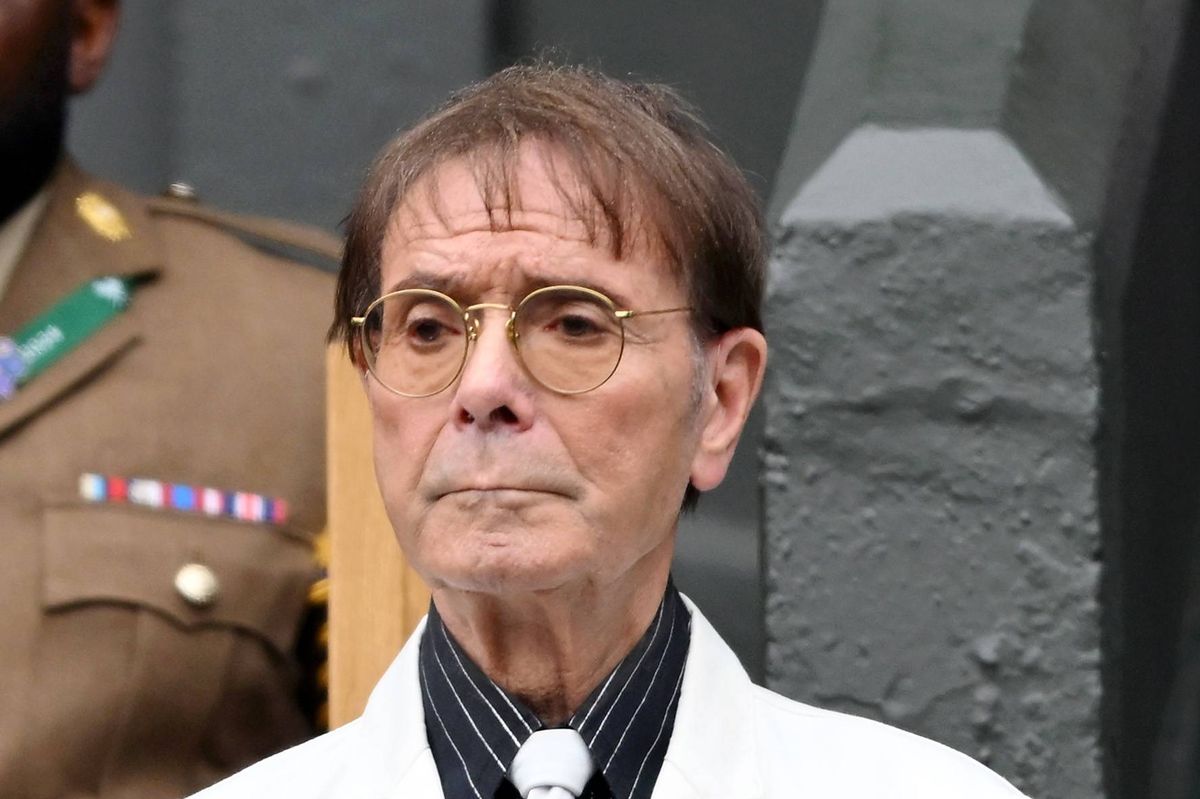
Men given prostate cancer warning as Sir Cliff Richard shares secret battle

Sir Cliff Richard has spoken about his prostate cancer diagnosis. With that in mind, medical experts have shared a warning to men about noticing symptoms of the disease

Sir Cliff Richard has made shocking revelations today after disclosing his secret battle with prostate cancer. The 85-year-old music legend revealed the disease was detected during a routine medical examination required for an upcoming tour. Nevertheless, he emphasised that doctors caught it in its early stages before it had the chance to spread.

“I was going to Australia and to New Zealand and the promoter said, ‘Well we need your insurance, so you need to be checked up for something’. They found that I had… prostate cancer,” Sir Cliff Richard told ITV’s Good Morning Britain on Monday (December 15). “But the good fortune was that it was not very old, and the other thing is that it had not metastasised.

“It hadn’t moved, nothing into bones or anything like that. And the cancer’s gone at the moment.”

The Summer Holiday singer went on: “I don’t know whether it’s going to come back. We really can’t tell with those sort of things. But we need to, absolutely, I’m convinced, get there, get tested, get checked.

“I think we, as men, have got to start saying, ‘We’ve got to be seen as human beings who may die of this thing’.”

Content cannot be displayed without consent

Sir Cliff revealed his hopes to collaborate with the King on enhancing cancer screening programmes for men, following the King’s candid discussion about his own cancer journey last week. He stressed the critical nature of regular examinations to identify cancer during its treatable phases.

These revelations follow Bupa and Prostate Cancer UK’s joint Instagram campaign last week, which highlighted the ‘three main risks’ associated with the condition as they also shared a warning about symptoms of the disease.

A healthcare professional appeared on screen whilst overlay text stated: “Worried about prostate cancer? Most men with early prostate cancer won’t have any symptoms.”

She was then heard explaining: “That’s why it’s really important for men to check their risk.”

Outlining the three primary risk factors, the expert revealed: “The three main risk factors for prostate cancer are, number one age. That’s if men are over the age of 50.”

She went on to explain: “Number two is if they have a family history. So that is in particular a father or brother in their family with prostate cancer. Or the third factor is if they’re a black man.”

The specialist noted that men can assess their prostate cancer risk using the online risk assessment tool at Prostate Cancer UK, which “takes 30 seconds”.

She added: “You can even print out the results of the risk checker and you can take that to your GP. Sometimes men find that helpful.”

The accompanying caption elaborated: “Are you worried about prostate cancer? Prostate cancer is the most common cancer in the UK, yet it often shows no symptoms in early stages. Understanding your risk and knowing how to get tested is essential.

“We’ve partnered with Prostate Cancer UK with the aim to make a real difference in men’s prostate health.

“Together, we want to break down the stigma and embarrassment that can stop men from getting the help they need early.

“This partnership is about empowering men and making sure no one faces prostate cancer alone.”

Sir Cliff has labelled the absence of a national screening programme as “absolutely ridiculous”.

“We all deserve to have the same ability to have a test and then start the treatments really early,” he asserted.

“It seems to me – I’ve only been for one year now in touch with cancer, but every time I’ve talked with anybody, this has come up, and so I think our government must listen to us.”

Article continues below

The National Screening Committee, which provides advice to governments across the UK, stated last month that a universal prostate cancer screening programme is not warranted.

They argue that only men carrying specific genetic mutations leading to more aggressive tumours should qualify.

The real reason Israel wants to open the Rafah crossing

On December 3, Israel announced that the Rafah border crossing with Egypt would reopen “in the coming days”, allowing Palestinians to leave Gaza for the first time in months. The statement was, of course, framed as a humanitarian gesture that would allow those in urgent need to travel for medical care, education or family reunification to leave.

However, Israel’s announcement was met almost immediately with Egypt’s denial, followed by a firm rejection from several Arab and Muslim states.

To the rest of the world, this response may seem cruel. It may seem like Arab states want to forcibly keep in Gaza Palestinians desperate to evacuate to safety. This fits right into the Israeli narrative that neighbouring Arab countries are responsible for Palestinian suffering because they would not “let them in”.

This is a falsehood that has unfortunately made its way into Western media, even though it is easily disproved.

Let us be clear: No, Arab states are not keeping us against our will in Gaza, and neither is Hamas.

They want to make sure that when and if some of us evacuate temporarily, we are able to come back. We want the same – a guarantee of return. Yet, Israel refuses to grant it; it made clear in its December 3 announcement that the Rafah crossing would be open only one way – for Palestinians to leave.

So this was clearly a move meant to jump-start forced displacement of the Palestinian population from their homeland.

For Palestinians, this is not a new reality but part of a long and deliberate pattern. Since its inception, the Israeli state has focused on the dispossession, erasure, and forced displacement of the Palestinians. In 1948, 750,000 Palestinians were expelled from their homes and were not allowed to return. My 88-year-old grandfather was among them. He still keeps the Tabu (land registry document) for the dunams of land he owns in his village of Barqa, 37km (23 miles) north of Gaza, where we are still not allowed to return.

In 1967, when Israel occupied Gaza, it forbade Palestinians who were studying or working abroad from returning to their homes. In the occupied West Bank, where colonisation has not stopped for the past 58 years, Palestinians are regularly expelled from their homes and lands.

In the past two years alone, Israel has seized approximately 55,000 dunams of Palestinian land, displacing more than 2,800 Palestinians. In Jerusalem, Palestinians whose families had lived in the holy city for centuries risk losing their residency there if they cannot prove it is their “centre of life”. In the past 25 years, more than 10,000 Palestinian residencies have been revoked.

Since October 2023, Israel has repeatedly attempted to engineer forced mass displacement in Gaza – dividing the Strip into isolated zones separated by military corridors and “safe” axes and launching successive operations to push residents of the north towards the south. Each wave of mass bombing carried the same underlying objective: to uproot the people of Gaza from their homes and push them towards the border with Egypt. The most recent push occurred just before the latest ceasefire took effect.

According to Diaa Rashwan, chairman of the Egyptian State Information Service, Cairo rejected Israel’s proposal because it was an attempt to shun its commitments outlined in the second phase of the ceasefire. That phase requires Israel to withdraw from Gaza, support the reconstruction process, allow the Strip to be administered by a Palestinian committee, and facilitate the deployment of a security force to stabilise the situation. By announcing Rafah’s reopening, Israel sought to bypass these obligations and redirect the political conversation towards depopulation rather than reconstruction and recovery.

That Israel wants to create the conditions to make our expulsion inevitable is clear from other policies as well. It continues to bombard the Strip, killing hundreds of civilians and terrorising hundreds of thousands.

It continues to prevent adequate amounts of food and medicines from getting in. It is allowing no reconstruction materials or temporary housing. It is doing everything to maximise the suffering of the Palestinian people.

This reality is made even more brutal by the harsh winter. Cold winds tear through overcrowded camps filled with exhausted people who have endured every form of trauma imaginable. Yet despite hunger, exhaustion, and despair, we continue to cling to our land and reject any Israeli efforts to displace and erase us.

We also reject any form of external guardianship or control over our fate. We demand full Palestinian sovereignty over our land, our resources, and our crossings. Our position is clear: the Rafah crossing must be opened in both directions; not as a tool of displacement, but as a right to free movement.

Rafah must be accessible for those who wish to return, and for those who need to leave temporarily: students seeking to continue their education abroad, patients in urgent need of medical treatment unavailable in Gaza, and families who have been separated and long to be reunited. Thousands of critically ill Palestinians have been denied life-saving care due to the siege, while hundreds of students holding offers and scholarships from prestigious universities around the world have been unable to travel to pursue their education.

Rafah should also be open to those who simply need rest after years of trauma – to step outside Gaza briefly and return with dignity. Mobility is not a privilege; it is a basic human right.

What we demand is simple: the right to determine our future, without coercion, without bargaining over our existence, and without being pushed into forced displacement disguised as a humanitarian project.

Iconic 90s star confirms band will reunite for huge tour next year

A member of one of the biggest pop bands of the 90s has ‘confirmed’ that their band will be getting back together for a huge tour next year

Fans of 90s pop are in for a huge treat.

Jon Lee of S Club fame took to Instagram to share a rather cryptic post which excited fans have taken as confirmation that the iconic hitmakers are set for a 2026 comeback.

Jon, 43, shared a quote on social media which hinted at big plans, it would seem. It read, “I have always been a nostalgic person. The kind who cling to old songs, saved texts, and memories that seem too small to matter, yet mean everything.

It continued, “It’s in the way a song from years ago can take me back to a bus ride with friends, or how a random scent can bring back the comfort of home.

READ MORE: Helen Skelton’s high street scarf coat is now on sale for over £100 less

“Being nostalgic means holding on tightly. Not to the past itself, but to the feelings it gave: the laughter, the innocence, the safety of moments that once felt endless.”

He then included the hashtag,: “@SCLUB 2026!”, going on to tag his bandmates, Rachel Stevens, Tina Barrett, Jo O’Meara and Bradley McIntosh.

Fans of the band, whose big hits include Reach and Don’t Stop Movin’, couldn’t contain themselves in the comments section, with many asking the singer what the post actually meant.

One wrote, “What does it MEANNNNNN?????”, while another penned,: “Does this mean what i think it means?!” A third wrote, “Bring it All Back, Jon! We are ready,”while a fourth said, “Tour is a must! the 2015 tour was amazing.”

But one fan realised that one of the group’s members hadn’t been tagged – Hannah Spearitt. They asked, “What about Hannah??”

Hannah’s life had a total 360 early last year, when she moved across the world to live in Costa Rica with her partner and daughters.

It came as the star admitted she wanted to live a more ‘simple’ life in nature, following a difficult year following her withdrawal from the S Club reunion tour and the shock death of band member Paul Cattermole.

Tragically, the band’s seventh band member Paul was found dead at his Dorset home in April 2023 at just 46, of what was subsequently confirmed as natural causes.

S Club 7 initially called it a day in 2003, but reunited for a brief spell for Children in Need in 2014, before reuniting again for a UK arena tour.

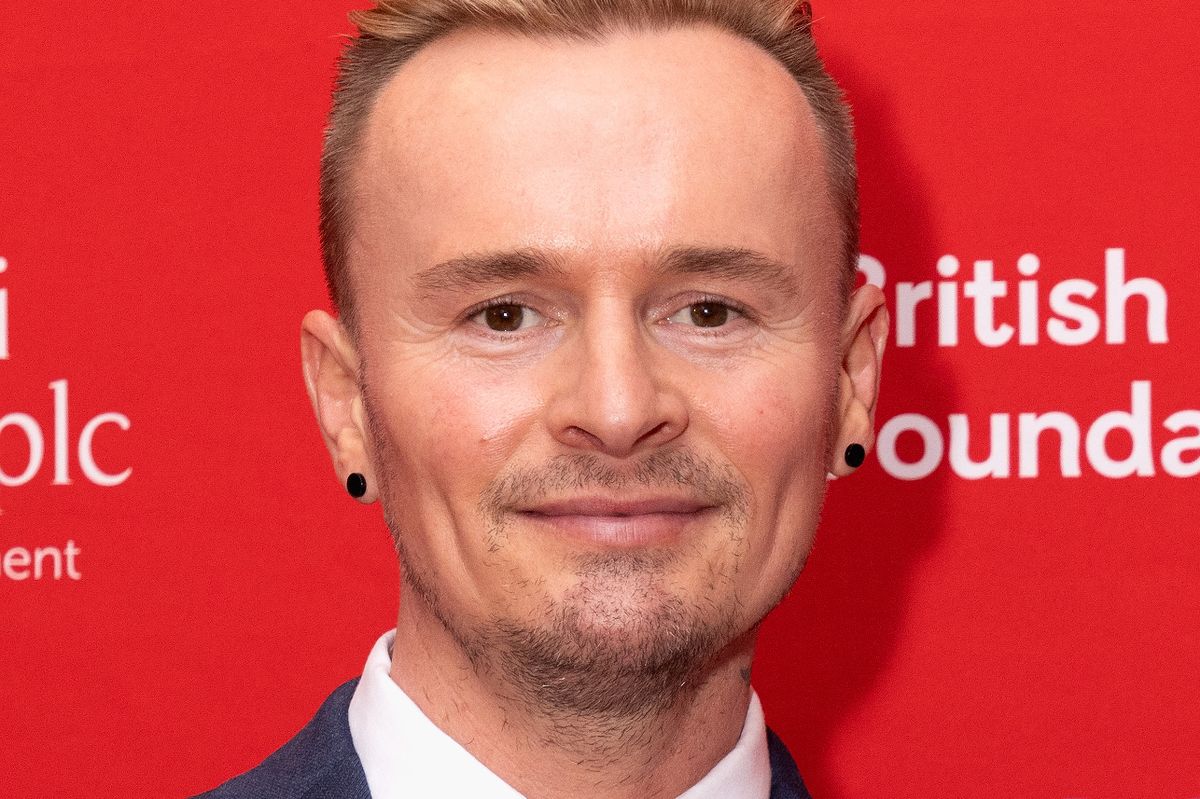
Jon opened up exclusively to the Mirror earlier this year about finding love with hairdresser Jordan Fairhurst on Celebs Go Dating, following six years of celibacy – opening up about how excited he was to enjoy Christmas with his new man.

Alas, according to reports earlier this month, the pair – who were in a long-distance relationship, as Jon lives in Cornwall and Jordan in Merseyside, have split. It comes just six months after they met and fell for each other on the E4 reality show, though it’s claimed there was ‘no bad blood between them’ and it was a ‘joint decision’.

Article continues below

‘Ready to murder?’ How criminal networks in Sweden recruit children to kill

It is the summer of 2024, and a 13-year-old boy has just been added to a private Signal group by a recruiter with a menacing username.

A message soon appears in the chat: “Are you ready to murder someone?”

Within hours, the chat is filled with new handles.

They offer the teenager mentorship.

The tone at times is reassuring, promising cash and a sense of belonging.

They tell him not to worry, that after he carries out the shooting, he will be sent to a special care facility for children and teenagers, where they will be able to get him out.

One user says, “Brother, before a job it’s normal to feel nervous, but after you fire the first shot you’ll see everything becomes easy.”

But the messages are also laced with threats.

The recruiter who had added him to the group warns the boy, “If you take the weapon and disappear, we will come and find you, brother.” He adds that he would only get paid “if you hit him – he has to die”.

He continues with an instruction: “Go behind him one or two metres and shoot him three or four times in the back.”

He then gives him practical advice on handling a weapon, including telling him “don’t play with the trigger”, and sends him instructional YouTube videos on how to load and shoot a pistol in a steady stream of messages.

Eventually, the original recruiter and the other users fall largely silent, and the exchanges largely narrow to just the boy and a user, whom police would later identify as a 25-year-old who was a key figure in a Stockholm-based gang.

“It’s hard now, but later you’ll be a king, brother,” he assured the boy just before the planned shooting.

“I will finish him,” came the reply.

Moments later, the boy sent panicked messages. The police or security guards were on the way, he wrote, as he begged for a taxi.

The boy had shot his target, but the man had survived.

Only 48 hours had passed between the boy being added to the Signal chat and the shooting.

Police arrested him shortly after, but due to his age, he was not convicted or sentenced.

He was placed in state care and remains under social services supervision.

When the recruitment process began remains unclear, but investigators believed it likely started when he responded to an ad – possibly a so-called murder contract – circulating on social media platforms such as Snapchat, TikTok, and Instagram, or on encrypted apps like Telegram, where children are now usually recruited.

In late 2024, Telegram shut down a channel called Samurai Barnen (Samurai Children), which had amassed about 11,000 members, after Swedish police notified the platform.

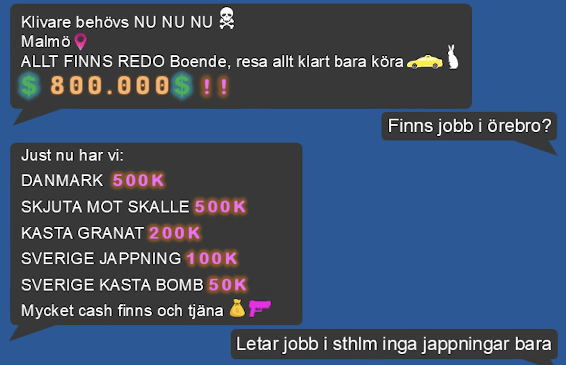
Screenshots later published by local media outlets from the channel show how the “murder contracts” appeared.

Murder:

Malmo urgent: 800k-1m ($85,000-107,000)

Gothenburg urgent: 300-400k ($32,000-43,000)

Stockholm urgent: 500k ($53,000)

Denmark: 1 million ($107,000)

Throw a grenade:

Malmo: 30-50k ($3,100-5-300k)

The attacks are often framed as “challenges” or “missions”, which the police say is a “gamification technique” to make the posts more engaging and less intimidating for children.

The timeframe from a child’s initial contact with a recruiter to carrying out a violent act can range from a matter of days to a month, Salman Khan, a project manager of an exit programme for children in gangs at Fryshuset, Sweden’s largest youth organisation, told Al Jazeera.

“Ten years ago, recruiters would have to go to a place where kids are physically, but now social media is the way,” said Khan, who works with a programme called 180 Degrees, which connects children who have been involved in crime with positive adult role models who can help them leave that world behind.

Khan describes the recruitment process as a form of grooming where boys, and to a lesser extent girls, as young as 12, who he says don’t necessarily know the difference between “play” and the “real life” consequences of carrying out a violent act, are lured into a criminal underworld.

A transcript of a recruitment conversation published by the Swedish Police Authority. It reads (excluding emojis and with punctuation added for clarity): 1. Shooter needed NOW NOW NOW. Malmo. EVERTHING READY. Housing, travel, you just have to go. 800,000 2. Is there a job in Orebro? 3. Just now we have: Denmark 500k, head shot 500k, throw a grenade 200k, Sweden murder 100k, Sweden throw a bomb 50K, a lot of cash to be earned 4. Looking for a job in Stockholm, just no murder [screenshot from polisen.se]

In his conversations with children in SiS facilities, Khan has observed how the role many aspire to in gangs has been inverted in recent years.

“It has become a status thing to be the one to throw a grenade or to shoot someone rather than be a gang leader. Ten years ago, everyone wanted to be Tony Montana [the fictional crime boss in the film Scarface],” he explained.

The shift reflects how social media and the glamourisation of violence in popular culture have made instant notoriety more desirable than lasting authority, Khan added.

Carrying out an attack can give the child a sense of validation in the gang and access to fast money that can get them the “clothes, chains, phones, cars and luxury life” they see on social media and in television series.

Love Island star ran from Bondi Beach in tragic shooting which left 16 dead

Gunmen opened fire at a Jewish festival on Australia’s Bondi Beach on Sunday and killed at least 15 people, including a much-loved British Rabbi and a 10-year-old girl

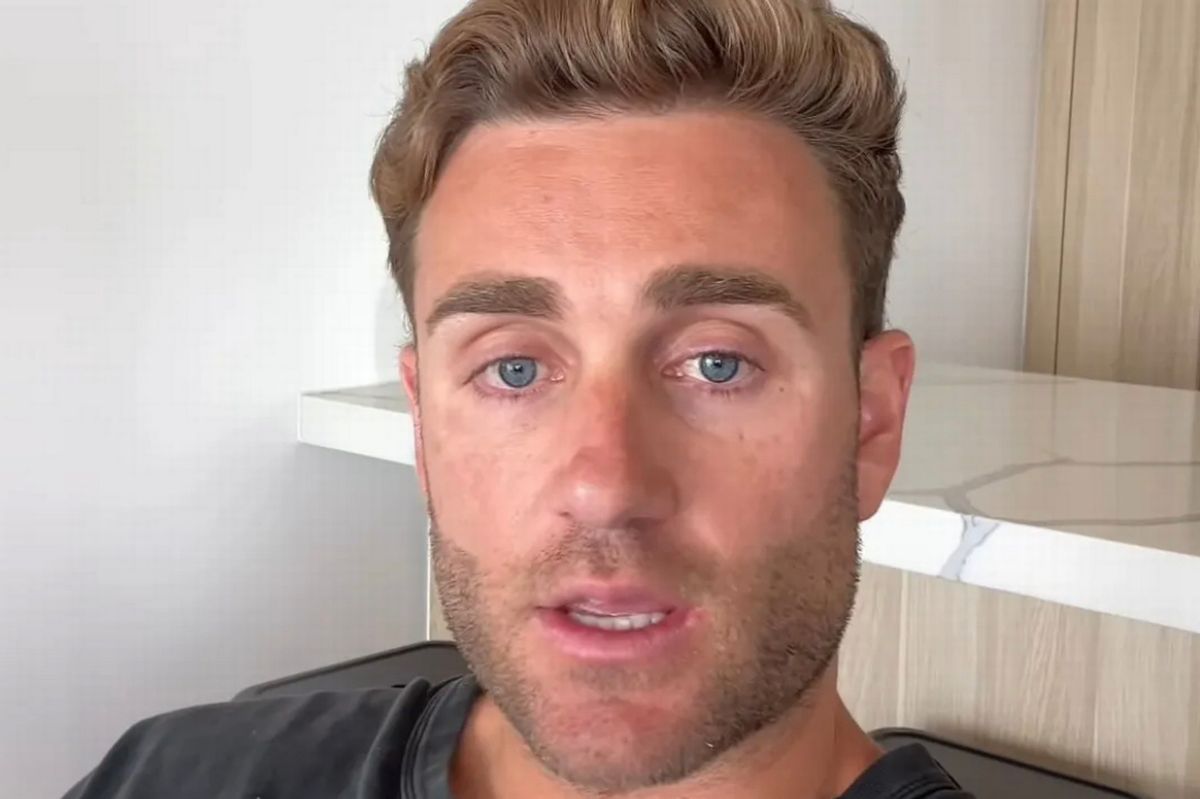
Love Island star, Josh Moss, has opened up about the heartstopping moment he fled Bondi Beach after being caught up in the terror attack.

In tragic events, gunmen opened fire at a Jewish festival on Australia’s Bondi Beach on Sunday and killed at least 15 people, including a much-loved British Rabbi and a 10-year-old girl.

Taking to Instagram, Josh, 32, who came third in the first series of Love Island Down Under, choked back tears as he spoke about the “fear behind people’s eyes” and recalled the harrowing scenes. Reassuring his followers he was safe, the reality star said: “I am safe. I was at Bondi yesterday when the attacks happened. Luckily, I was able to run away to safety. I am still speechless at what I saw.”

READ MORE: Kylie Minogue breaks silence on Bondi Beach mass shootingREAD MORE: Matthew Wright sparks concern on LBC as he reacts to Bondi Beach shooting

Josh added: “I am safe, though heartbroken at what has happened in my beautiful home. Sending my thoughts and prayers to everyone who has been affected by this. My heart is with you all.”

Admitting he felt ‘guilty’ for surviving the attack in which 40 people remain injured, and 16 dead after a father and son opened fire on the innocent party, Josh continued: “I was down at Bondi yesterday and saw some pretty horrific things…

“Parents grabbing their kids, grandparents sprinting, brothers and sisters grabbing each other with a look of absolute fear in their eyes, terrified.

“I’m not sure why I’m even making this video. Maybe to raise awareness and come together, but I do feel pretty weird today that I was able to run away to safety and other people weren’t. I don’t know how to feel. I’m a bit numb as to why I was able to get away.”

Telling his followers to keep their loved one close, he concluded: “I think It’s important that we come together. Tell your loved ones how much they mean to you and put your arm around someone.

“I can’t even imagine the people out there who have someone close to them who has been affected by this, who have suffered injury or even worse.”

It comes as Australian superstar, Kylie Minogue, shared her condolences for the victims of the shooting in which 50-year-old gunman, Sajid Akram, is also dead while his son, Naveed Akram, remains in hospital and is in police custody.

Taking to Instagram, Kylie, who performed on Strictly Come Dancing on Sunday, posted an all black background of mourning and alongside it shared: “My heart is with you Bondi” followed by a broken heart emoji.

Article continues below

Her fellow Australian, Stefan Dennis, also posted to social media in the wake of the tragedy. The Neighbours actor shared with fans: “This madness needs to stop.”