To play this video you need to enable JavaScript in your browser.
- Comments
The fallout from England’s latest damaging Ashes defeat has, as ever, focused largely on their struggling batters.
Brainless. Unwilling to learn. Reckless. The withering analysis goes on.
But in the second Test there was another concerning failure as a fast bowling attack built for this very moment performed desperately.
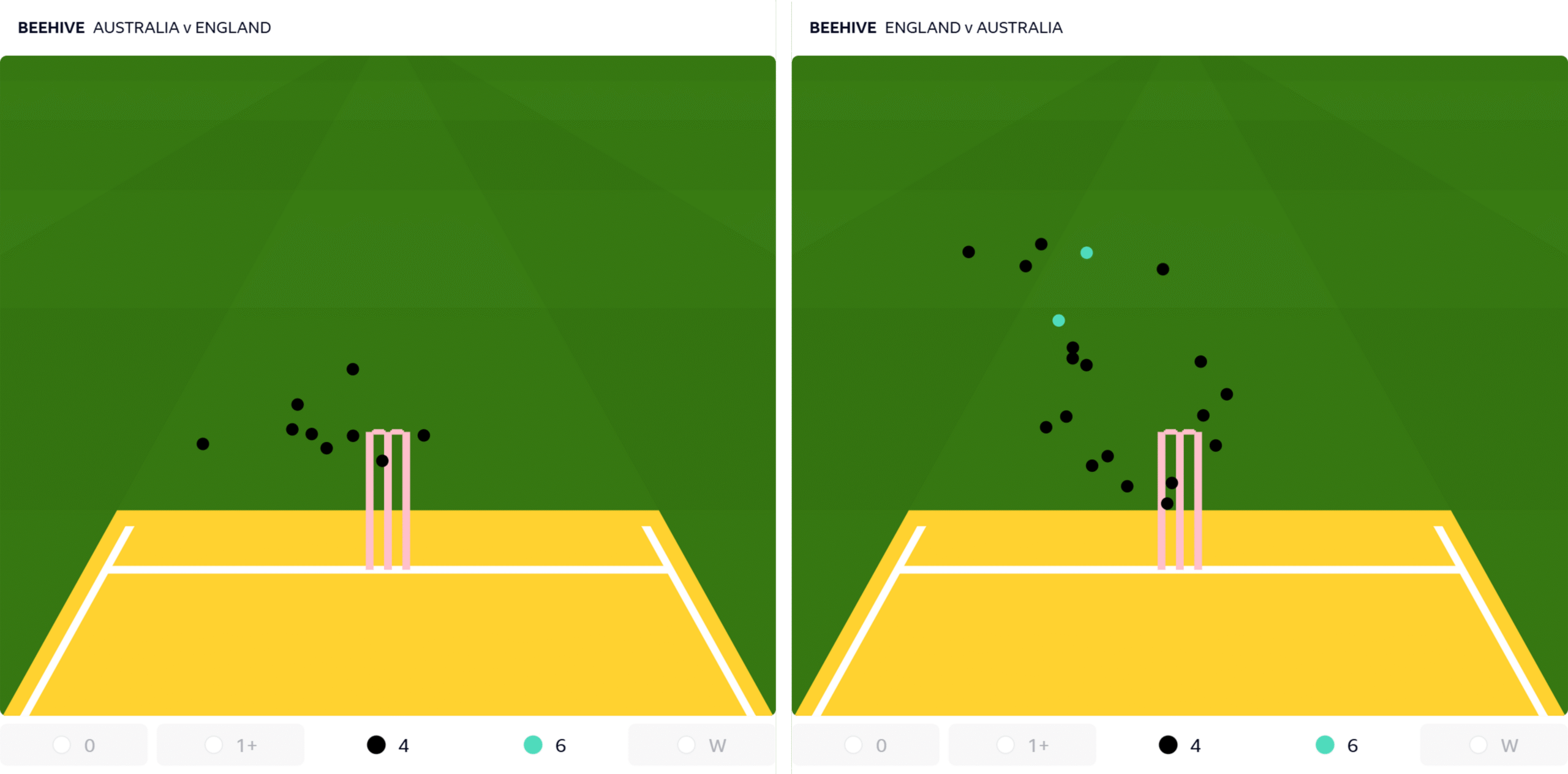
Stuart Broad, an all-time great not long out of the dressing room, has labelled England’s first-innings effort with the ball in Brisbane their worst bowling performance since 2008. A wayward start and a bizarrely flat end allowed Australia to canter towards a par score and stroll well beyond it.
Broad is right – that innings was a startling extreme.
But the overall bowling average of Ben Stokes’ side in 2025 is also their worst for 23 years and their sixth worst calendar year in 140 years of Test cricket.
‘The worst performance since 2008’
Those 2025 numbers can, in part, be put down to who and where England have played.
Seven Tests in a row have come against India and Australia, with those India matches all lasting five days on some of the flattest pitches seen in the UK.
England’s only other Test this year was the four-day match against Zimbabwe, played on another slow surface at Trent Bridge, on which spinner Shoaib Bashir took nine wickets.
It is also undeniable an all-pace attack was both thrilling and threatening on first viewing in this Ashes series in bundling Australia out for 135 in Perth.
But that only makes the performances since, particularly the first innings in Brisbane with the game on the line and momentum with them, more disheartening.
“I have not seen a whole group get it wrong and bowl short and wide,” Broad told the Sky Cricket podcast.
The numbers were ugly.
Only once had Australia reached 100 quicker in a home Ashes Test while Brydon Carse conceded 95 runs in his first 12 overs. Stokes went for 64 in his first 11.
The number of balls on the ideal hard length (7-8m) dropped from 31% in the first 20 overs in the first innings in Perth to 17% at the Gabba and Australia scored 81 runs off the back foot – the most on record by any team in their first 20 overs of a match and the clearest sign England bowled short and wide.
Broad was not the only legend watching on for the first time in a generation.
“I was just thinking, ‘Pitch it up, just try and pitch it up a bit fuller’,” said James Anderson, whose Ashes contributions now come via the Tailenders podcast having been pushed aside in 2024 for these very bowlers.
Have England picked the wrong attack?
To play this video you need to enable JavaScript in your browser.
England cannot deny they began this tour with the exact attack they’d have scribbled down on a whiteboard two years ago, more in hope than expectation.
In Brisbane they picked three tall fast bowlers – Jofra Archer, Gus Atkinson and Carse – who thud the ball into the pitch at pace, plus a fully-fit Stokes.
This was their much-discussed plan – backing pace and steep bounce, while ignoring statistics that show bowlers operating below 85mph, who previously averaged eight runs per wicket worse than those reaching speeds above, have wiped out their inferiority in Australia in the past three years on livelier pitches and with the new Kookaburra ball.
Of course, there are caveats here too and, as ever, familiar criticism of the retiring of Anderson has resurfaced.
Chris Woakes’ shoulder injury in the fifth Test against India denied England the option of his nibblers while Essex seamer Sam Cook was overlooked after one underwhelming Test.
At his best, Anderson might have found more change from such surfaces but the 43-year-old played in less than half of Lancashire’s County Championship matches this summer amid injury struggles and averaged 85.40 with the ball against these Australians at home in 2023.
Are this crop simply England’s best Test bowlers, who happen to each be quick?
“They’re the right bowlers,” said former England bowler Steven Finn.
“I’m not sure anyone else in the country would have made a difference.”
Not a pace problem but one of leadership

Though six wickets for Michael Neser’s 82mph seam were an uncomfortable contrast at the Gabba, wickets are still falling more regularly to deliveries over 85mph than below in this series.
Archer has been England’s best bowler so far – the one capable of a match-winning spell – and he and Wood, England’s quickest two options before Wood’s series-ending injury, have the produced the highest percentage of false shots from Australian batters.
Despite taking only three wickets, Archer also comes out top of CricViz’s ‘Expected Average’ model across both sides while Mitchell Starc, Australia’s quickest bowler, is two Tests into an iconic Australian summer.
Broad, though, highlighted a deeper issue that could continue to thwart England’s plans.
“[Archer, Carse and Atkinson] don’t strike me as real tacticians of a game – thinkers of the craft,” said Broad on the For The Love of Cricket podcast.
“It struck me there were a lot of times Archer was at mid-on, Atkinson deep cover and Carse bowling. They would not say a word. You have got to work together.
“Stokes has to make all of the decisions along with other captaincy decisions. He is bowling, pouring with sweat and looks like he is taking so much on.
“It is first time he has captained without an experienced bowler.”
Suddenly the absence of Woakes and his 62 Tests of experience looks more significant, even with his history of struggling down under.
Remarkably, with Wood now to return home, 22-year-old Bashir’s 19 Test caps make him the most experienced of any of England’s frontline bowlers on tour.
Hopes Atkinson could grow from his quiet personality and be the attack leader were hit by injuries he suffered in the summer, which meant he only played one of the India Tests.
Archer is the most experienced quick with 17 caps, making his way back after four years out injured.
“That’s not me saying Anderson should be here or Woakes should be here,” added Broad.
“It is one of those things that happens.
“It struck me for the first time in two years that there is no-one helping Stokesy.”
Related topics
- England Men’s Cricket Team
- The Ashes
- Cricket
- 16 August


Source: BBC

Leave a Reply