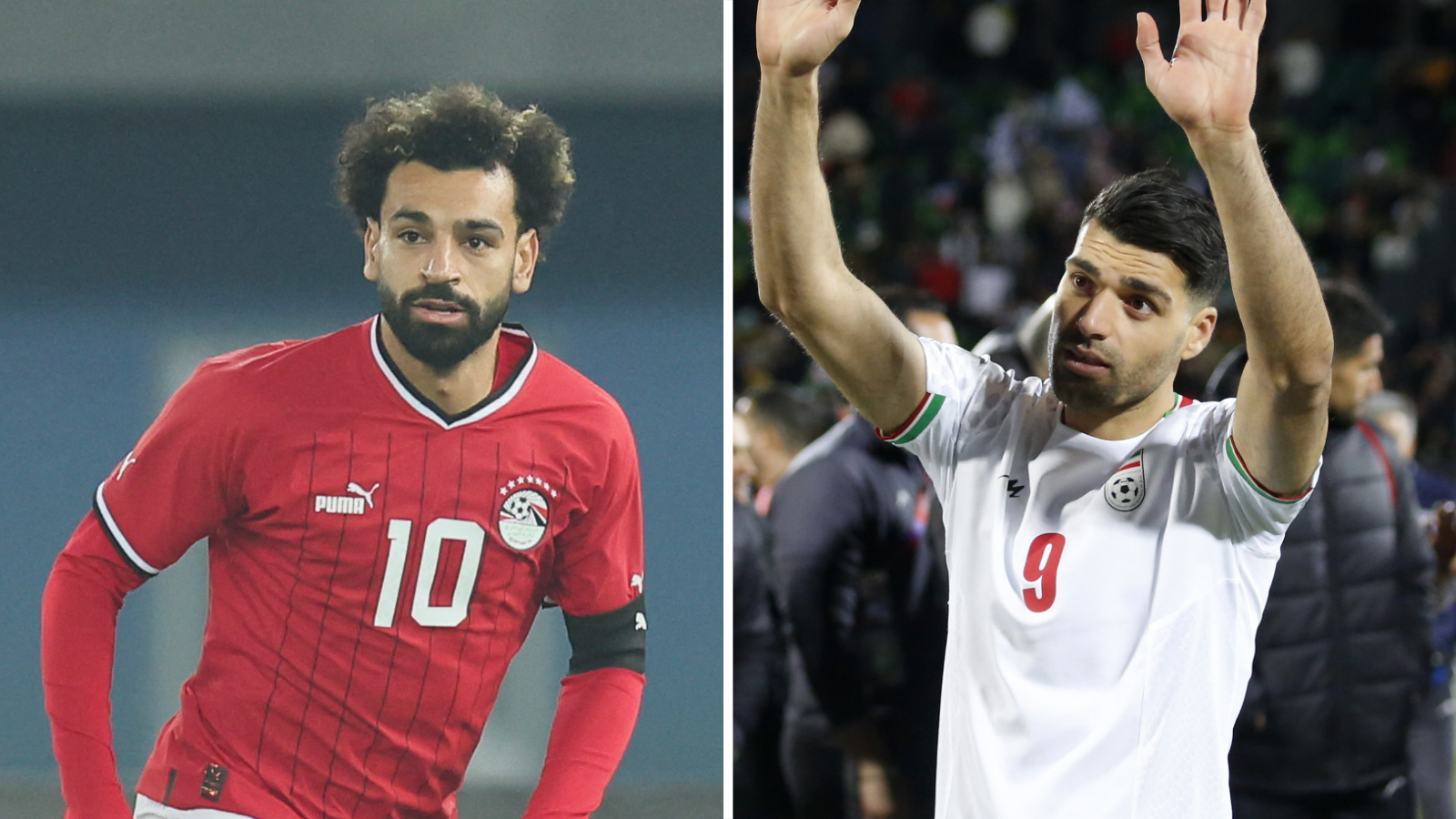
The organisation behind the LGBTQ+ ‘Pride Match’ at the 2026 World Cup says it intends to push forward with plans despite Egypt objecting to Fifa.
The Egyptian Football Association said it has sent a formal letter to Fifa requesting the celebrations around their group game against Iran do not go ahead.
The local organising committee in Seattle, one of the host cities for the tournament next summer, said the match at Lumen Field on 26 June will feature celebrations of the LGBTQ+ community.
In a statement on Tuesday the Egyptian FA said it has sent a formal letter to Fifa secretary-general Mattias Grafstrom, rejecting “in absolute terms” any activities linked to LGBTQ+ support during the match.
But the local organising committee told the BBC that it is “moving forward as planned with our community programming”.
The game takes place on the weekend of Seattle Pride, and two days before the anniversary of the Stonewall Riots – generally regarded as the birth of the LGBTQ+ rights movement.
Plans were put in place before the teams involved in the fixture were selected, or the draw for the World Cup was made, and has been organised solely by the local committee and not affiliated with Fifa itself.
To play this video you need to enable JavaScript in your browser.
The lengthy Egyptian FA statement claimed the initiative would clash with “the cultural, religious and social values” of Egypt and Iran, and urged Fifa to ensure the match would remain focused on football.
It cited Fifa’s statutes on political and social neutrality, arguing matches should not be used to promote causes that are “sensitive or of a contentious nature”.
The statement read: “The Egyptian Football Association explained in the letter that, while Fifa is committed to ensuring a respectful and welcoming environment for all fans, and in order to maintain the spirit of unity and peace, it is necessary to avoid including activities that could provoke cultural and religious sensitivities between fans present from both countries, Egypt and Iran, especially since such activities are culturally and religiously incompatible with the two countries.
“The federation also relied on Fifa’s established principle of respecting cultures and encouraging all parties to organise events in a way that respects the beliefs and identities of the participating communities.
“Therefore, in order to ensure that the match is held in an atmosphere of respect and focus solely on the sporting aspect, the Egyptian Federation categorically rejects these calls and demands that Fifa not hold any events or performances related to supporting homosexuality inside the stadium on matchday.”
In response, the Seattle organising committee said it is “committed to ensuring all residents and visitors experience the warmth, respect, and dignity that defines our region”.
Hana Tedesse, vice-president of communications for Seattle Fifa World Cup 2026, said its plans focused on events around the city, rather than in Lumen Field or during the game itself.
“As the local organising committee, our role is to prepare our city to host the matches and manage the city experience outside of Seattle Stadium,” Tedesse told the BBC.
“Football has a unique power to unite people across borders, cultures, and beliefs. The Pacific Northwest is home to one of the nation’s largest Iranian-American communities, a thriving Egyptian diaspora, and rich communities representing all nations we’re hosting in Seattle.”
The Pride Match plans have also reportedly drawn criticism from Iranian media.
Mehdi Taj, head of Iran’s football federation, was quoted by local news agency ISNA as saying Tehran and Cairo had both raised “objections against the issue”, which he described as an “irrational move that supports a certain group”.
Six games are scheduled to take place in Seattle, although there could be problems switching the fixture for the Pride Match.
Co-hosts USA face Australia on 19 June, which has been designated to mark Juneteenth – the celebration of the end of slavery in the US – while the other group matches feature Egypt or Qatar, another country with strict laws against same-sex relationships.
At the 2022 World Cup in Qatar – a country which also has laws against same-sex relationships – Fifa said players who wore the OneLove armband in support of LGBTQ+ people would receive yellow cards.
Before that tournament, then UK Foreign Secretary James Cleverly said LGBT football fans who attended should show “a little bit of flex and compromise” in respect of the country’s laws – remarks described as “tone deaf” by critics.
Related topics
- Egypt
- Iran
- Football
- FIFA World Cup
- 16 August

Source: BBC

Leave a Reply