Conceived in the long shadow of global devastation, the post–World War II order was constructed -imperfect yet purposeful – to shield humanity from a similar catastrophe.
In 1943, as the tides of battle in World War II began to turn in favour of the Allied powers, United States President Franklin D Roosevelt warned: “Unless the peace that follows recognises that the whole world is one neighbourhood, and does justice to the whole human race, the germs of another world war will remain as a constant threat to mankind.”
Today, that coveted peace is increasingly fragile.
The post-war architecture conceived to avert great-power conflict, institutionalise interstate cooperation, reduce hot wars, and entrench human rights within binding international law is now under acute pressures. It faces a combustible mix of resurgent ultranationalism, hyperintensified zero-sum strategic rivalries and hegemonic power plays, the fragmentation of longstanding alliances, and the brazen repudiation of established norms.
Multilateral institutions that once underwrote stability are increasingly marginalised or instrumentalised in the service of Machiavellian politics. Foundational treaties are hollowed out or breached outright, compliance regimes weakened, and enforcement mechanisms rendered inert—leaving the post-war international system exposed to the very coercive power politics it was designed to contain.
The result is a palpable drift towards an unchecked “force-based order”, under which might displaces right, and power eclipses principle.
International orders do not suddenly unravel because of political declarations broadcast at podiums, nor because of the conduct of aberrant outliers. They collapse when those collectively entrusted with their stewardship neglect to properly defend them – when resolve gives way to timidity, principle is bartered for political expedience, and moral clarity is supplanted by double standards.
Unless the international community acts with resolve to defend and modernise the international order – fortifying rather than constraining it, including by making it more representative and meaningfully inclusive – the global system will drift toward a far more volatile and perilous disequilibrium.
The United Nations charter – one of the central instruments of the post-war legal infrastructure – is under threat. The charter enshrines the bedrock rule of the modern international order that no state may threaten or use force except in self-defence or with UN Security Council authorisation.
That peremptory norm – the foundation of the collective security architecture – is now visibly fraying. As raw power eclipses legal restraint, and the silence or equivocation of the many emboldens the few, the prohibition on the illegal use of force risks sliding from binding law into empty rhetoric.
Almost overnight, the threat of force – and even unilateral military action undertaken without legal authorisation or meaningful deliberation – has begun to crystallise into a disturbing new normal. This accelerating erosion of established norms is not a passing anomaly; it is a structural shift with profound implications for international peace and security.
Institutions of international law, which have played a decisive role in preventing conflict and advancing accountability are also threatened.
The International Court of Justice – the UN’s highest judicial body – has successfully adjudicated numerous interstate disputes, demonstrating the power of legal mechanisms over hard power and military confrontation.
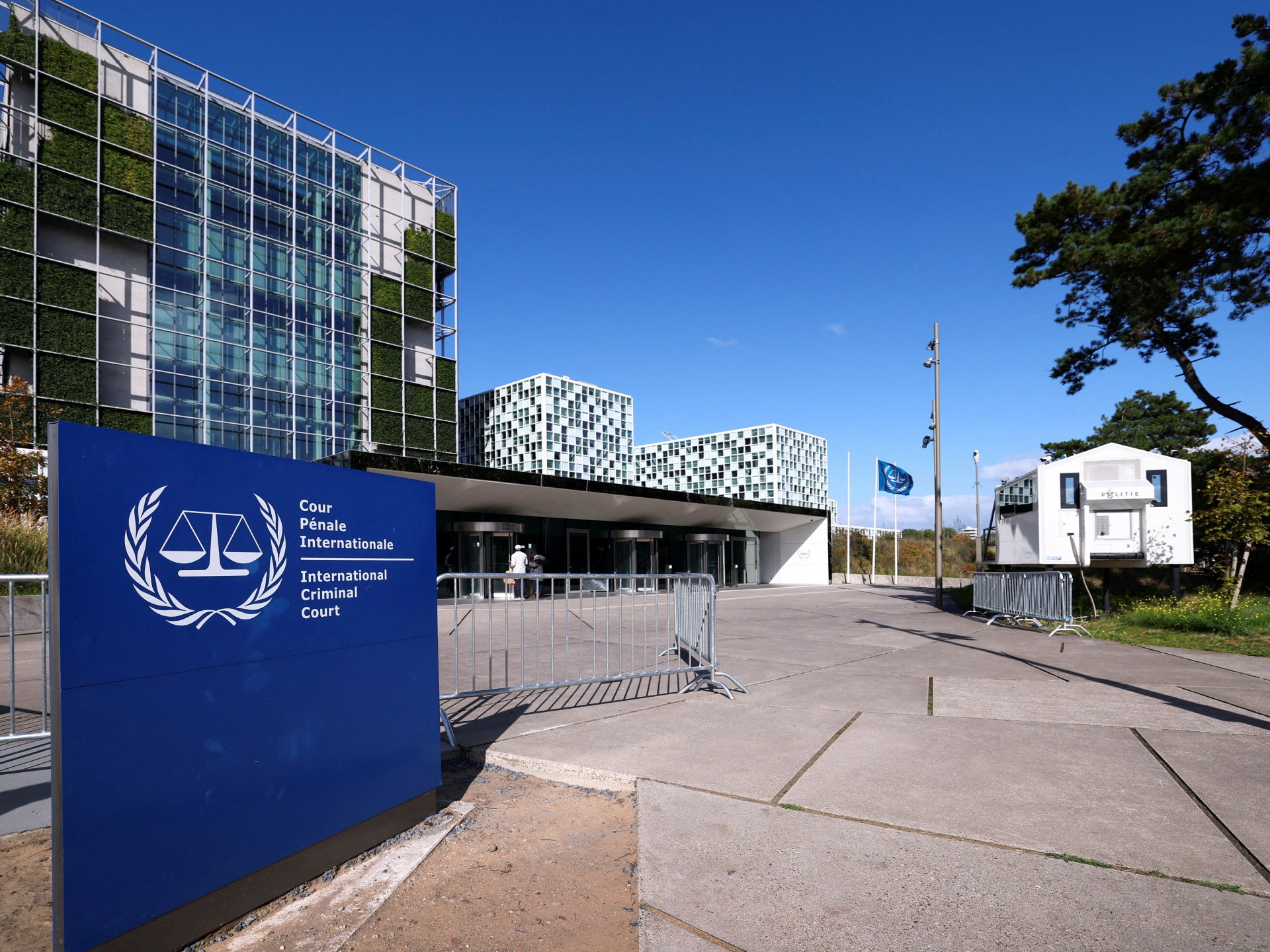
Efforts to hold perpetrators of atrocities to account – from Nuremberg to the creation of UN ad hoc tribunals – paved the way for the International Criminal Court (ICC). Its creation in 2002 sent a powerful message that mass atrocities as merely politics by other means must no longer receive a pass, that perpetrators must be held accountable, and that impunity can no longer be tolerated. The historic cultivation of these norms may be considered a crowning achievement as this normative transformation has not only awakened humanity’s consciousness regarding atrocities, but has also reshaped expectations of accountability for such grave crimes, and recast the very narrative and language with which we confront these vital questions.
And yet, those very powers that once shaped, and at least on the surface, nurtured these norms and institutions of international justice, now blatantly erode their integrity—whether by defiance, selective invocation, or politicisation. Thus, the edifice of collective restraint trembles, vulnerable to the machinations of those who prize unbridled power above principle.
To be sure, such regression diminishes the security and prosperity of all participants in the international system, irrespective of their size or influence.
Yet another grave assault on the very foundation of human rights advocacy lies in the entrenched “culture” of convenient indignation and performative empathy by states and self-serving and ideologically inclined actors alike.
Such expedient outrage and hollow sympathy erode the credibility of the pursuit of justice, undermining the universality of dignity for which we strive.
International law cannot be invoked à la carte, nor enforced with expedient selectivity.
Perhaps the greatest threat to international justice is not just outright opposition from ill-wishers but indifference and arbitrary application. The contrasting global reactions to different theatres of conflict in the past decade alone lay bare the hypocrisy that undermines faith in the universality and effectiveness of international law.
When our compassion is contingent upon political expedience, convenience or dictated by the fleeting spotlight of media attention or social media clickbait, we betray the fundamental, universal principle at the heart of human dignity.
Just as questionable are those who conveniently brandish the language of human rights not as “the equal and inalienable rights of all members of the human family”, but as a tactical instrument of lawfare deployed against political adversaries. Such deceptive tactics not only trivialise the suffering of victims but can also fuel and perpetuate the very conditions that enable even graver human rights abuses. Indeed, ancient wisdom bears counsel: “beware of false prophets, who come to you in sheep’s clothing, but inwardly they are ravenous wolves”. In this environment, smaller states and middle powers, in particular, cannot afford passivity. They must coordinate with strategic clarity and act with resolve to defend and reinforce a rules-based global system anchored in real and principled commitment to international law and the peaceful settlement of disputes.
Perspective is important. The Western world, even when considered as a whole, comprises about 11 to 15 percent of the global population; the remaining 85 to 89 percent of humanity resides beyond it.
In a century increasingly defined by multipolarity, the convergent interests of the so-called Global North and Global South in safeguarding peace and stability within – and one hopes beyond – their respective spheres of influence must rise above the complacencies and double standards that have long underwritten the status quo.
True advocacy demands courage – to uphold and apply the law equally and impartially, even when doing so is uncomfortable, unpopular, or personally costly. It is the discipline to defend rights not only when they align with powerful interests, or “tribal” and prevailing sentiments but wherever justice demands it.
The legitimacy and potency of international justice are also fundamentally anchored in ethical leadership and an unwavering fidelity to principle. It is incumbent upon the stewards of international institutions, courts and tribunals to embody integrity, impartiality, and steadfast dedication to their mandates. When these ethical foundations are shaken or compromised, the repercussions are deep and lasting: public confidence disintegrates, victims suffer renewed injustice, adversaries are emboldened, and the quest for justice is dealt a blow. The character and courage of those at the helm are not mere virtues, but the cornerstone upon which the entire edifice of international justice stands.
This is our clarion call: should we permit the foundations of international law to erode—whether through selective justice, passive indifference, or the cynical calculus of unprincipled politics—the world would slip once more into the shadows of anarchy and chaos.
We cannot yield to a world order defined by unchecked aggression, the erosion of sovereign borders under predation, and the unravelling of hard-won international norms. To acquiesce to such decline is to legitimise disorder as a governing principle, invite instability, normalise coercion, and accelerate a descent into systematic violence.
The cost would be borne by societies worldwide, in shattered security, fractured institutions, and immeasurable human suffering.
It is our shared responsibility to avert this regression.
By steadfastly upholding international law, nations around the world do more than safeguard their own futures; they erect barriers against the reckless impulses of would-be aggressors, protecting all – including the aggressors themselves – from the dire consequences of unfettered conflict.
Indifference is not an option. Wilful blindness is complicity.
In standing in firm defence of international law, we are not only enforcing norms – we are shaping the trajectory of our civilisation and honouring the enduring promise of humanity itself.
The rule of law is one of humanity’s quiet triumph – a beacon guiding our gradual rise from unbridled brute force towards greater order, justice, and civilisation.
We must never allow the law to fall silent, for it stands as humanity’s foremost defender.

Leave a Reply