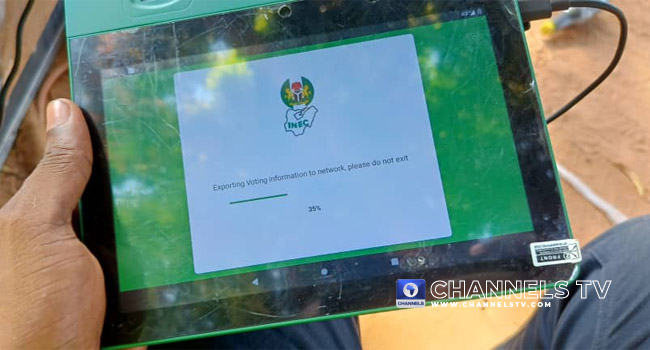
A former Resident Electoral Commissioner of the Independent National Electoral Commission, Mike Igini, has described the renewed debate over electronic transmission of election results as a “painful and sad reality,” saying the issue ought to have been resolved years ago.
READ ALSO: Occupy National Assembly Protest Begins In Abuja Over E-Transmission Of Election Results
Igini spoke on Monday while appearing as a guest on Politics Today on Channels Television, where he lamented what he called a regression in Nigeria’s electoral reform efforts.
“It’s a painful and sad reality that after several years of collective efforts to give meaning and purpose to the ballots as the best means of expressing the will of the people in a democracy, here we are again, several years after debating what had been long supposed to have been settled,” he said, referencing reforms that began during the tenure of a former INEC chairman, Attahiru Jega, and continued under subsequent leadership.
The former REC also expressed personal frustration with the current state of electoral reforms, noting that after three decades of advocacy and about 10 years within the commission, recent developments make those efforts feel “wasted.”
The lawyer further argued that the electoral body itself had been largely sidelined.
“This debate, INEC is absent in this debate. INEC is isolated. It is INEC that conducts elections… the commission is expected to speak,” he said, adding that the commission had previously addressed issues surrounding electronic transmission.
He warned that reintroducing uncertainty around electronic transmission could create serious challenges ahead of the 2027 general elections, stressing the need for lawmakers to learn from past experiences.
Igini also urged that the Result Viewing portal (IReV) be granted clear legal backing and that concerns about network limitations should not derail reforms.
Electoral Act Amendment

The debate follows the Senate’s consideration of amendments to the Electoral Act 2022, which initially sparked widespread backlash after lawmakers rejected a proposal to make real-time electronic transmission of results mandatory.
The controversy began on February 4 when the Senate passed an amendment bill that, among other changes, reduced the timeline for INEC to publish election notices from 360 days to 180 days.
At the centre of the dispute was Clause 60(3), which sought to compel presiding officers to upload polling-unit results electronically to the IReV portal immediately after completing Form EC8A, effectively making e-transmission a legal obligation.
However, the Senate initially rejected the clause, retaining the provision that allows INEC to determine the mode of result transmission.
The move triggered protests by civil society groups at the National Assembly, led by Peter Obi and later joined by Rotimi Amaechi and Aisha Yesufu.

While the House of Representatives adopted the mandatory transmission clause, the Senate later reversed its earlier position during an emergency plenary on 10 February, approving electronic transmission while retaining manual collation as a fallback in case of technological failure.

Leave a Reply