Iran slams ‘selective outrage’ after EU labels IRGC a ‘terrorist’ group

The European Union has designated Iran’s Islamic Revolutionary Guard Corps (IRGC) a “terrorist organisation” over a deadly crackdown on antigovernment protests in the country.

EU foreign policy chief Kaja Kallas said on Thursday that the bloc’s foreign ministers took a “decisive step” in labelling the IRGC as a “terrorist” group.

Recommended Stories

list of 3 itemsend of list

“Repression cannot go unanswered,” Kallas wrote on social media. “Any regime that kills thousands of its own people is working toward its own demise.”

The Iranian Foreign Ministry condemned the decision, saying the move was “illegal, political and contrary to international law” as well as a violation of the country’s internal affairs.

It also said Tehran “reserves the right to take appropriate measures within the framework of international law to defend its sovereignty, national security, and the interests of the Iranian nation, and holds the European Union and its member states responsible for the consequences of this action”.

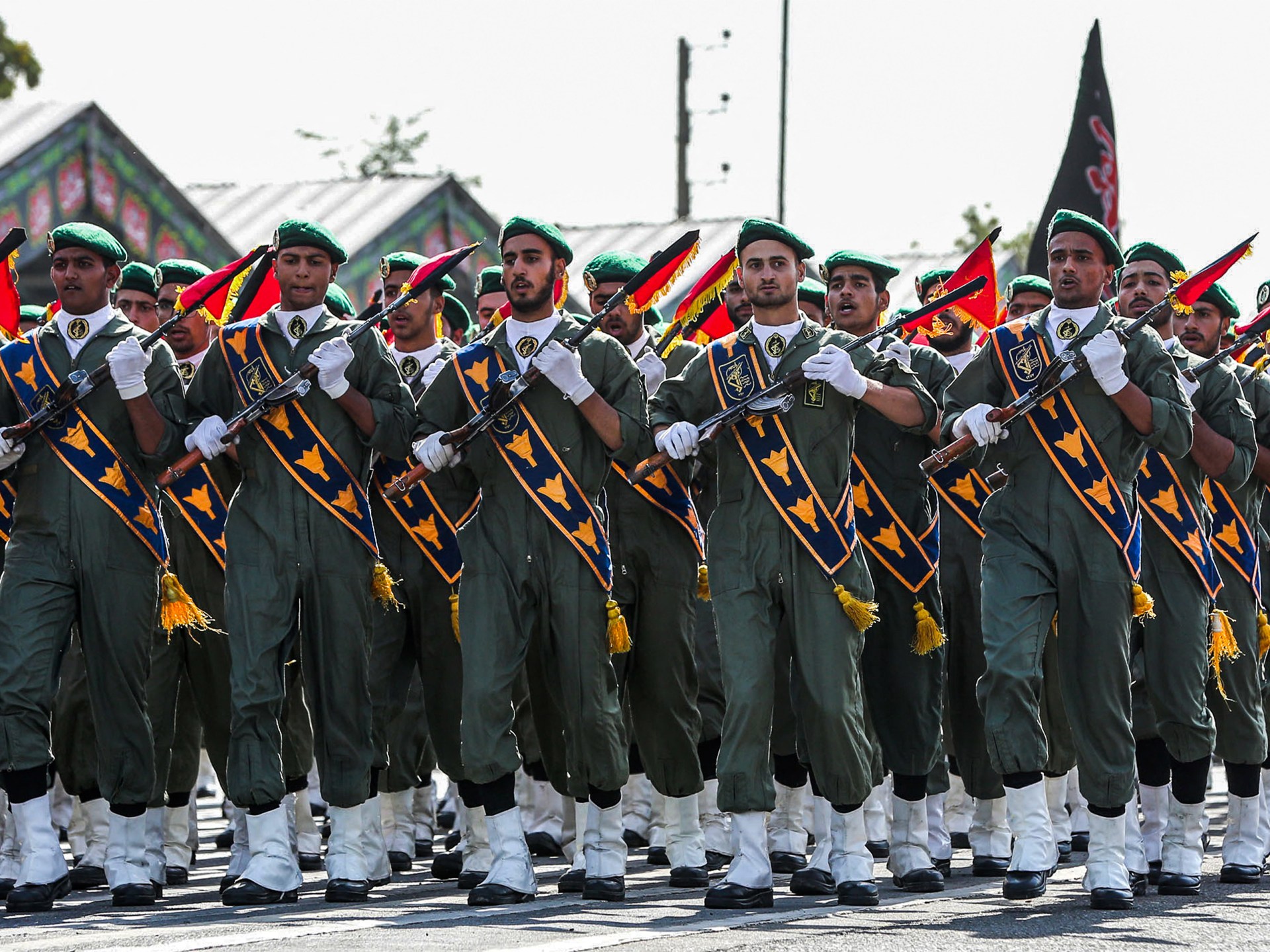
Established after the 1979 Islamic Revolution in Iran, the IRGC is an elite branch of the country’s military that answers directly to Supreme Leader Ayatollah Ali Khamenei and oversees the Iranian missile and nuclear programmes.

Separately on Thursday, the European Council also announced new sanctions against 15 individuals and six entities it said were “responsible for serious human rights violations in Iran” following the protest crackdown.

The targeted individuals include Iran’s Interior Minister Eskandar Momeni and Prosecutor General Mohammad Movahedi-Azad, the council said in a statement.

Iran has faced a wave of international condemnation for using force to quell a mass protest movement, which began late last month amid public anger over soaring inflation and socioeconomic issues.

Iranian authorities have confirmed 3,117 deaths, including 2,427 civilians and members of the country’s security forces, and accused Israel and the United States of fuelling the unrest.

The US-based Human Rights Activists News Agency (HRANA) said on Wednesday that at least 6,373 people have been killed since the demonstrations began, including 5,993 protesters.

Al Jazeera has been unable to independently verify these figures.

Reporting from Brussels, Al Jazeera’s Hashem Ahelbarra said the bloc’s decision to blacklist the IRGC and to impose sanctions on Iranian officials aims to send “a strong political message” to Tehran.

“It was not an easy decision, particularly the one about the designation of the IRGC as a ‘terrorist organisation’,” Ahelbarra explained, noting that France, in particular, had hoped to maintain a channel of communication with Iran.

“But when they saw the clampdown on protesters taking place … the Europeans said, ‘No. We need to send a strong message’,” he said.

Iran slams EU’s ‘selective outrage’

Meanwhile, Iranian officials forcefully rejected the EU’s announcements, with Foreign Minister Abbas Araghchi accusing the bloc of “fanning the flames” amid soaring tensions in the region.

“Putting aside the blatant hypocrisy of its selective outrage – taking zero action in response to Israel’s Genocide in Gaza and yet rushing to ‘defend human rights’ in Iran – Europe’s PR stunt mainly seeks to cloak that it is an actor in severe decline,” Araghchi wrote on social media.

“Moreover, as the continent is certain to be massively impacted by an all-out war in our region – including the knock-on effects of surging energy prices – the EU’s current posture is deeply damaging to its own interests.”

That was echoed by the General Staff of the Iranian armed forces, which denounced the IRGC listing as “illogical and irresponsible” and said it marked “a clear sign of hostility towards the Iranian nation and the country’s independence”.

Al Jazeera’s Tohid Asadi, reporting from the Iranian capital Tehran, noted that the “unprecedented” escalation between Iran and the EU comes amid a US military build-up in the Middle East, which has raised concerns about a possible confrontation.

US President Donald Trump has repeatedly threatened to attack Iran in recent weeks, citing the protest crackdown as well as the Iranian nuclear programme.

On Wednesday, Trump warned that a “massive” US armada was heading towards Iran and would be willing to use “violence” to fulfil its mission if Tehran did not agree to nuclear talks with Washington.

Senior Iranian officials rejected Trump’s comments, saying they would not agree to negotiations while under threat and that the Iranian armed forces were ready to “immediately and powerfully” respond to any possible US attack.

Trump says that he will allow reopening of Venezuelan airspace

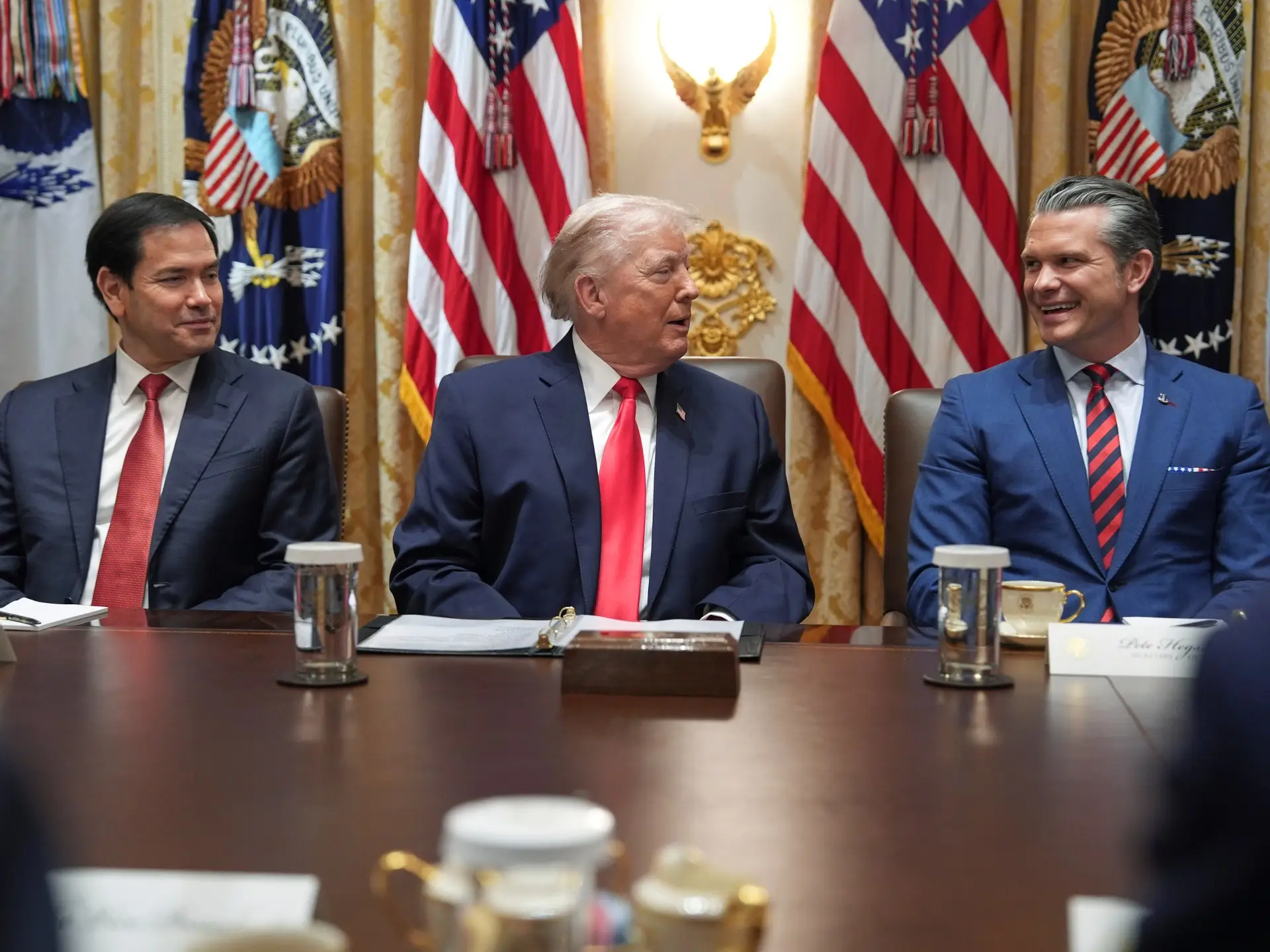
United States President Donald Trump has said that he ordered the reopening of Venezuelan commercial airspace, underscoring the high degree of control the US has asserted over the affairs of the South American country.

During a cabinet meeting on Thursday, Trump added that he had “informed” Venezuela’s interim President Delcy Rodriguez that US oil companies would be arriving soon to seek out potential projects in the country.

Recommended Stories

list of 3 itemsend of list

“American citizens will very shortly be able to go to Venezuela, and they will be safe there. It’s under very strong control,” Trump said during a cabinet meeting at the White House.

The US has used the threat of further military strikes to coerce the country’s government into alignment with the priorities of the Trump administration on key issues, brushing aside concerns about Venezuelan sovereignty.

Venezuelan airspace has been closed since before the US launched a military attack on the country on January 3, in an operation widely seen as illegal under international law.

The attack culminated in the abduction of former President Nicolas Maduro and his wife Cilia Flores, who have since been brought to New York City to stand trial on narcotics-related charges.

American Airlines announced that the carrier would resume flights to Venezuela after Trump said that he had asked the Transportation Department to lift previous restrictions, pending approval from the Trump administration and secure conditions.

The US suspended commercial flights to Venezuela in 2019.

Trump stated, during the cabinet meeting, that oil companies were “going to Venezuela now, scouting it out and picking their locations” without offering further details.

Mexico’s oil industry faces new pressures from Venezuela oil under US

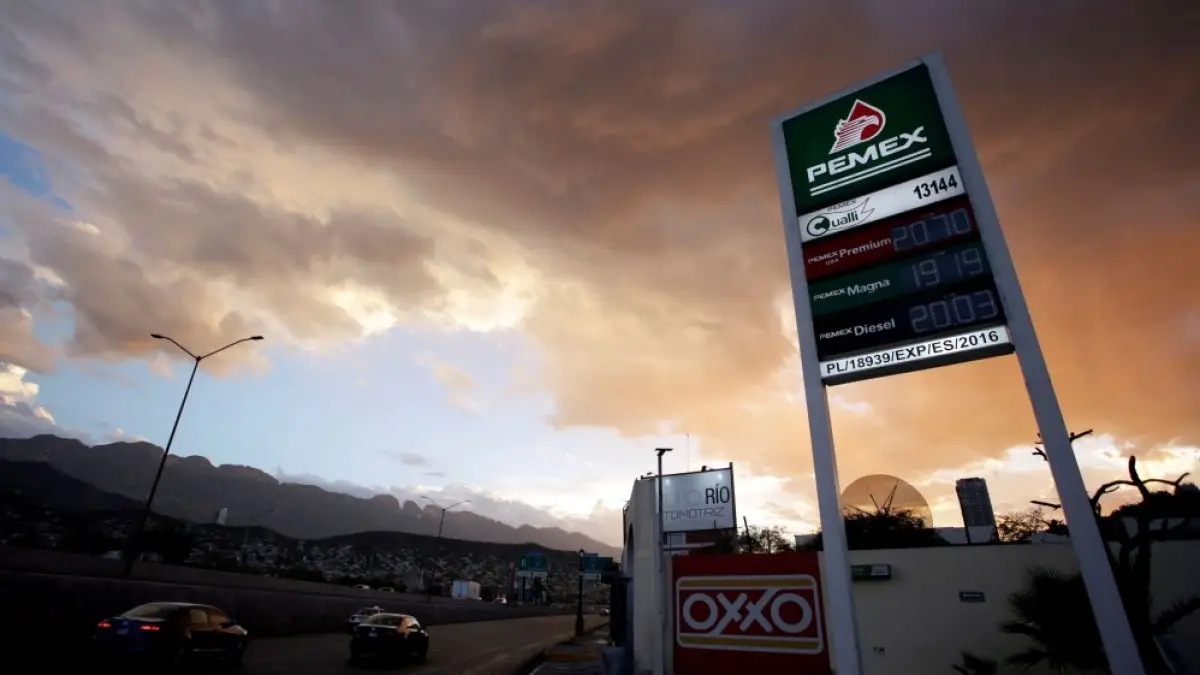
Monterrey, Mexico: For more than 30 years, Dagoberto Ramos worked at Pemex, Mexico’s state-owned oil company, at one of its petrochemical complexes in the energy hub of Coatzacoalcos, Veracruz.

Ten years ago, the specialist in ethylene production opted for early retirement, fearing that deteriorating maintenance routines were putting him at risk of injury and liability. He was particularly concerned about being blamed for an accident resulting from neglected infrastructure.

Recommended Stories

list of 4 itemsend of list

“Previously, the production plant received a month of maintenance, but this was gradually cut down to 20 days, and sometimes even 15, where only the most urgent tasks were prioritised,” he said.

“The risk of a potential catastrophe was very real, both for the staff and for the surrounding communities.”

On April 20, 2016, less than a year after Ramos left, an explosion rocked the Pajaritos complex, where he had worked before transferring to the Morelos complex just five kilometres away. The incident killed 32 people and injured more than 130 workers.

Pemex, over the years, has been responsible for soil contamination, rising methane emissions, and pipeline spills, with chronic leaks impacting local communities and marine fauna. This lack of infrastructure maintenance has worsened as the state-owned giant contends with significant financial and operational constraints and a massive debt burden.

For the past two decades, Pemex has struggled to increase production as mature oil fields decline, while it carries a debt of $100bn and has failed to attract private investment. Concerns are growing for the sustainability of the oil company and the future of Mexico’s energy sector amid regional changes, financial instability and a strong reliance on imports from the United States.

Despite being a crude oil producer, Mexico remains dependent on refined products and natural gas imports from the US. Mariana Castaneda, director of Grupo Estrategia Politica, a public affairs consulting firm, told Al Jazeera that domestic fuel production currently falls 21 percent short of demand. This gap, she said, is expected to widen, even as most refineries operate at or near their maximum capacity.

Rafael Vaquera Salazar, a professor at Monterrey Technological University (TEC), told Al Jazeera that despite the country’s vast reserves and long history of extraction, the outlook for recovery remains bleak.

Now there is a new challenge.

Following the US invasion of Venezuela that resulted in the abduction of then-President Nicolas Maduro and his wife on January 3, the regional energy landscape has become unstable, complicating long-term planning.

While shifts in Venezuela’s oil industry could impact Mexico’s own production, Vaquera said that the timeframe and specific conditions remain uncertain.

Both Venezuelan and Mexican crude are heavy, and US Gulf Coast refineries are specifically equipped to process this type of oil. “A competitive situation could arise where whoever offers the biggest discounts will secure the refining capacity,” he pointed out.

About 60 percent of Pemex’s crude oil exports go to the US. While imports from Venezuela were limited by sanctions, volumes are expected to rise with renewed activity.

Even though oil executives told US President Donald Trump that significant reforms are needed before they commit to Venezuela, a market that Exxon CEO Darren Woods called “uninvestible”, that may not really be the case.

In the oil industry, it doesn’t really matter who you do business with. What matters is the guarantee that investments will be secure and stable, Vaquera told Al Jazeera. “If I have certainty and stability, I can make investments,” he said. “Even if it means dealing with the devil.”

Aid to Cuba and an ailing state oil company

Mexico has been sending oil shipments to Cuba since 2023 through Pemex subsidiary Gasolina Bienestar. These shipments, which were once sporadic, became consistent under the administration of Andres Manuel Lopez Obrador, who framed them as humanitarian aid.

Last year, between January and September 30, Mexico shipped 17,200 barrels of crude oil per day and 2,000 barrels of refined products, according to a report submitted to the US Securities and Exchange Commission.

Mexico’s President Claudia Sheinbaum has also defended the oil shipments as humanitarian aid, yet they continue to fuel tensions with the Trump administration.

On January 26, reports emerged that Pemex had halted oil shipments to Cuba amid rising tensions. The following day, Sheinbaum declined to confirm or deny the reports, stating that the move was a “sovereign decision” by the state oil company.

Camila Acosta, an independent journalist in Havana, told Al Jazeera on January 15 that 60 percent of the island faces blackouts. These are driven by fuel shortages and crumbling infrastructure, along with declining oil shipments, the longstanding US embargo and the Trump administration’s tactic of seizing Venezuelan oil tankers.

“People are fed up with the blackouts, having to cook with firewood, not being able to refrigerate food – or having it spoil – and the lack of water because, without electricity, it can’t be pumped,” she said.

Acosta said that Mexico now stands as the Cuban regime’s “lifeline” as Trump pledged in early January to stop Venezuelan oil shipments to Cuba. However, there is growing concern over how much worse the crisis could become if Mexican shipments were to cease entirely.

“Pemex is in serious financial trouble, and given the public pressure, I don’t know how much longer they can sustain these shipments to the island,” Acosta added.

Following a series of reforms since 2013, a 2025 reform under Sheinbaum changed Pemex’s status from a “Productive State Enterprise” to a “Public State Enterprise”. This legal change prioritises public benefit over economic profitability.

Castaneda says that the current administration recognises the need for private capital to guarantee Pemex’s financial viability, provided it doesn’t compromise national sovereignty.

“The goal is to ensure that sovereignty and Mexican oil remain in the hands of Mexicans. But Pemex itself has acknowledged that without support and participation from the private sector, it is practically impossible to face the challenges Pemex has, including its debt,” she added.

Pemex owes roughly $30bn to its suppliers despite official promises to accelerate payments. Castaneda said that while the government has been making payments, the amounts remain insufficient compared with the total debt, though it does offer some reassurance to the market. The Ministry of Finance and Public Credit didn’t respond to multiple requests for comment from Al Jazeera.

Ramos, the former worker, said that this debt has severely affected local businesses, such as those providing maintenance, supplies, and technical and transportation services, which rely on those funds to stay afloat and pay their employees. He noted that in Coatzacoalcos, many residents are moving to cities like Monterrey for work.

Pedro Aguirre, CEO at Verifigas, a firm that provides technical verification in Mexico’s energy sector, told Al Jazeera that the government’s push for private capital is falling short of expectations.

The combination of Mexico’s 2025 judicial reforms – which increase legal uncertainty – alongside Pemex’s operational challenges and the risks surrounding payment, have caused many companies to have second thoughts.

Last year, Aguirre said, the Mexican government provided Pemex with nearly 400 billion pesos ($23bn), more than double the approved amount, to stabilise its finances and bolster its reliability.

“The uncomfortable question that remains is, how long will this deficit be sustained?” Aguirre said. “And who, in a few years, will make the decision to say enough is enough.”

For 2026, Pemex’s budget grew 7.7 percent. Its strategy relies on hitting 1.8 million barrels per day, up from last year’s average of 1.6 million, and increasing domestic fuel processing at the Dos Bocas and Deer Park refineries to reduce imports. The Ministry of Energy is not granting interviews at this time.

But the growing financial support has also raised questions about which other key sectors are being impacted.

Castaneda said that despite government efforts to ensure that overall investment continues, sectors such as health, education and infrastructure have been diminished or neglected.

“It is like a blanket, isn’t it? If you pull on one side, the other side is revealed,” Castaneda said. “In other words, if there is more on one side, there will be less on the other.”

Pemex’s precarious financial position has been further strained by fuel theft, commonly known as huachicol. While criminal organisations traditionally siphoned gasoline from pipelines, the practice has evolved into a more complex scheme, involving a network of organised crime, Mexican and US companies, and corrupt officials. Fiscal fuel theft involves misclassifying fuel imports to evade the required taxes.

“For many years, these networks were importing diesel, in particular, but labelling it as lubricants or waste. This creates a fiscal shortfall. Funds that the state did not receive and should have received,” Vaquera added.

According to Aguirre, from Verifigas, the country lost about $10bn in 2025 due to this illicit trade, resulting in a massive deficit of public funds. He describes it as an “increasingly sophisticated fraud” that exposes governance failures and has direct impacts on community safety, local market competition, and Pemex’s economy.

While the US and Mexican governments have sanctioned and arrested people for their involvement in the huachicol fiscal, many in Mexico are still calling for high-ranking politicians within the Morena ruling party to be held accountable.

In September, Vice Admiral Manuel Roberto Farias Laguna, a relative of a former navy secretary, was arrested alongside other businessmen and public officials for alleged involvement in organised crime and fuel smuggling. He is the highest-ranking official detained to date in connection with these investigations.

For Vaquera, the issue is less about the money and more about how those funds are used. He warns that it can be used to install handpicked candidates in elections, influence authorities, or facilitate money laundering.
Airports embrace AI to manage growing global passenger traffic

As global air passenger traffic is forecast to hit 10.2 billion in 2026, a 3.9 percent year-on-year increase, investments have been pouring in to improve airport infrastructure and operational efficiency and use artificial intelligence to achieve it.

Working with data released by Airport Council International, airports are relying on the increasing use of AI to embrace the rise in demand.

Recommended Stories

list of 3 itemsend of list

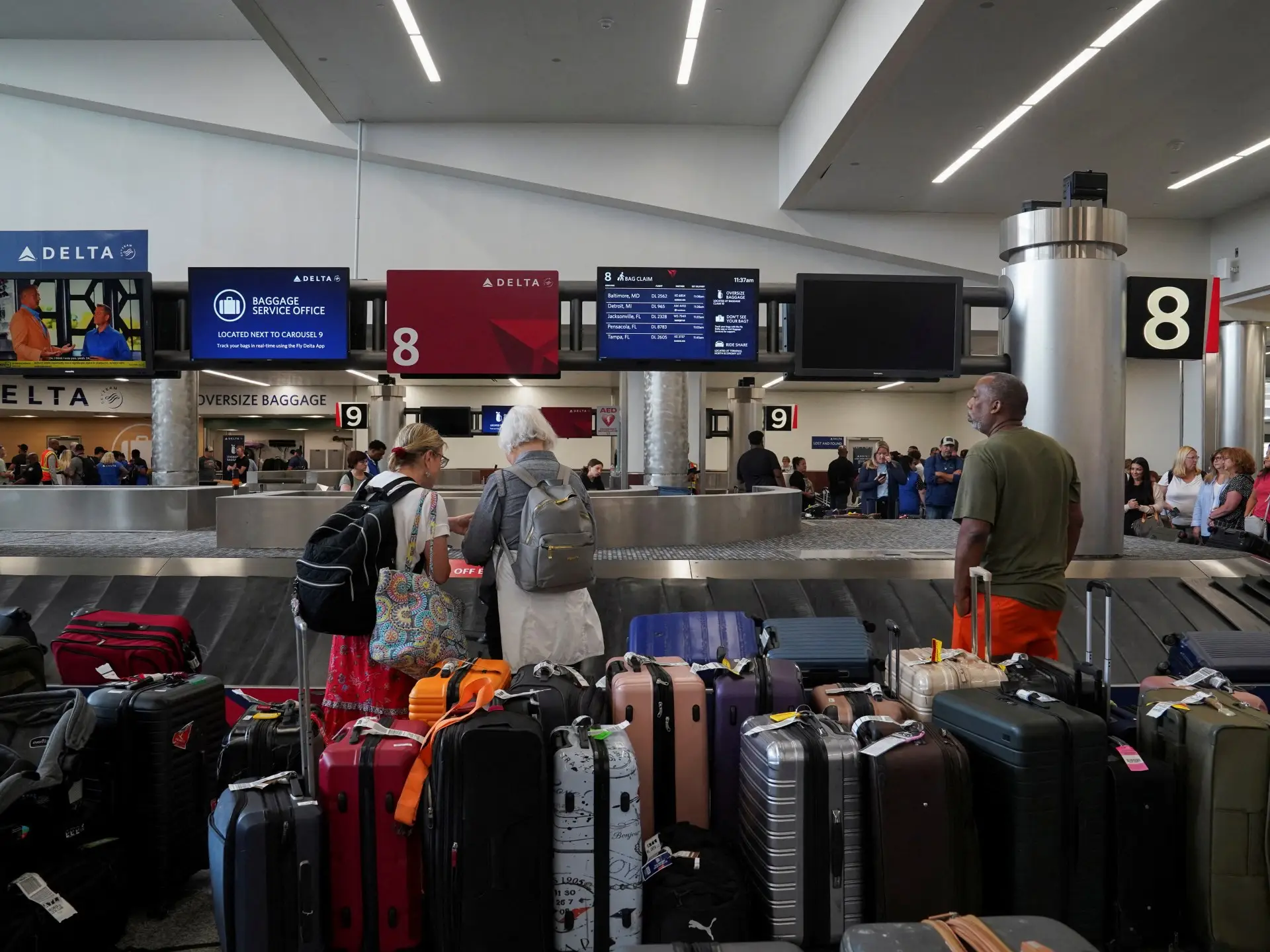
AI is now being embedded in airports’ workflows to reshape everything from passenger flow management to airside maintenance, cybersecurity, lost luggage and enhancing on-site and virtual customer experiences, according to analysts and experts at the Airport AI Exchange event this month during discussions of the technology’s existing use and its potential.  

The use of AI-powered analytics to anticipate congestion at security, immigration and boarding points is also helping to prevent delays. Resources are being allocated to shift from reactive crowd management to predictive operations.

AI-powered baggage optimisation tools and biometric processing – which would allow passengers to walk through immigration without the need to present a physical passport – are also gaining traction as airports seek to improve passenger experience while maintaining operational efficiency.

“AI started changing very rapidly in 2017 and initiated this entire AI race and enabled us to really use AI, the neural network that we talked about and heard about since the 1940s,” Amad Malik, chief AI officer at Airport AI Exchange, said.

“Since then, the progressions have been very, very steep. If you look at the curve from the first day to now, AI is able to do so much more. In only the last two years, the ability has grown exponentially.”

What are airports using AI for?

In addition to quicker immigration controls, analysts said AI is aiding automated check-ins and boardings, baggage handling and tracking, and predictive maintenance. It is also enhancing passenger experience, providing security screening, and offering personalised services and assistance, they said.

AI-powered analytics can enable airports to tailor services and experiences to individual passenger preferences, fostering a more personalised and efficient journey from check-in to boarding, according to Mahmood AlSeddiqi, former vice president of IT for the Bahrain Airport Company.

While insights shared at the Airport AI Exchange suggested AI has advanced at an exponential pace over the past few years, some argue that aviation’s adoption of the technology has remained comparatively limited.

“AI has progressed exponentially over the past few years, but compared to that curve, aviation’s use of AI is still negligible,” said Malik, adding that that gap is partly explained by the sector’s reliance on legacy systems and its inherently cautious operating model.

Much of the technology still underpinning aviation operations dates back decades and innovation is often slowed by the industry’s safety-critical nature, he said.

Inside Gaza after Israel’s last captive is found

With the final Israeli captive returned, Palestinians are waiting to see if Israel will now implement a true ceasefire.

The remains of the final Israeli captive have been returned from Gaza. For months, the Israeli government has cited the remaining bodies of captives as a reason for limiting crossings, delaying aid deliveries and slowing the implementation of the agreed ceasefire. With this justification now gone, what will change for Palestinians in Gaza?

In this episode: 

Episode credits:

This episode was produced by Sarí el-Khalili and Melanie Marich, with Tamara Khandaker, Tuleen Barakat, and our host, Malika Bilal. It was edited by Alexandra Locke. 

Our sound designer is Alex Roldan. Our video editors are Hisham Abu Salah and Mohannad al-Melhemm. Alexandra Locke is The Take’s executive producer. Ney Alvarez is Al Jazeera’s head of audio. 

Connect with us: