As Rafah reopens, Palestinians are ‘given an impossible choice’
Diplomacy, much of the time, is about symbols rather than substance. And in the case of China, that can be particularly true.
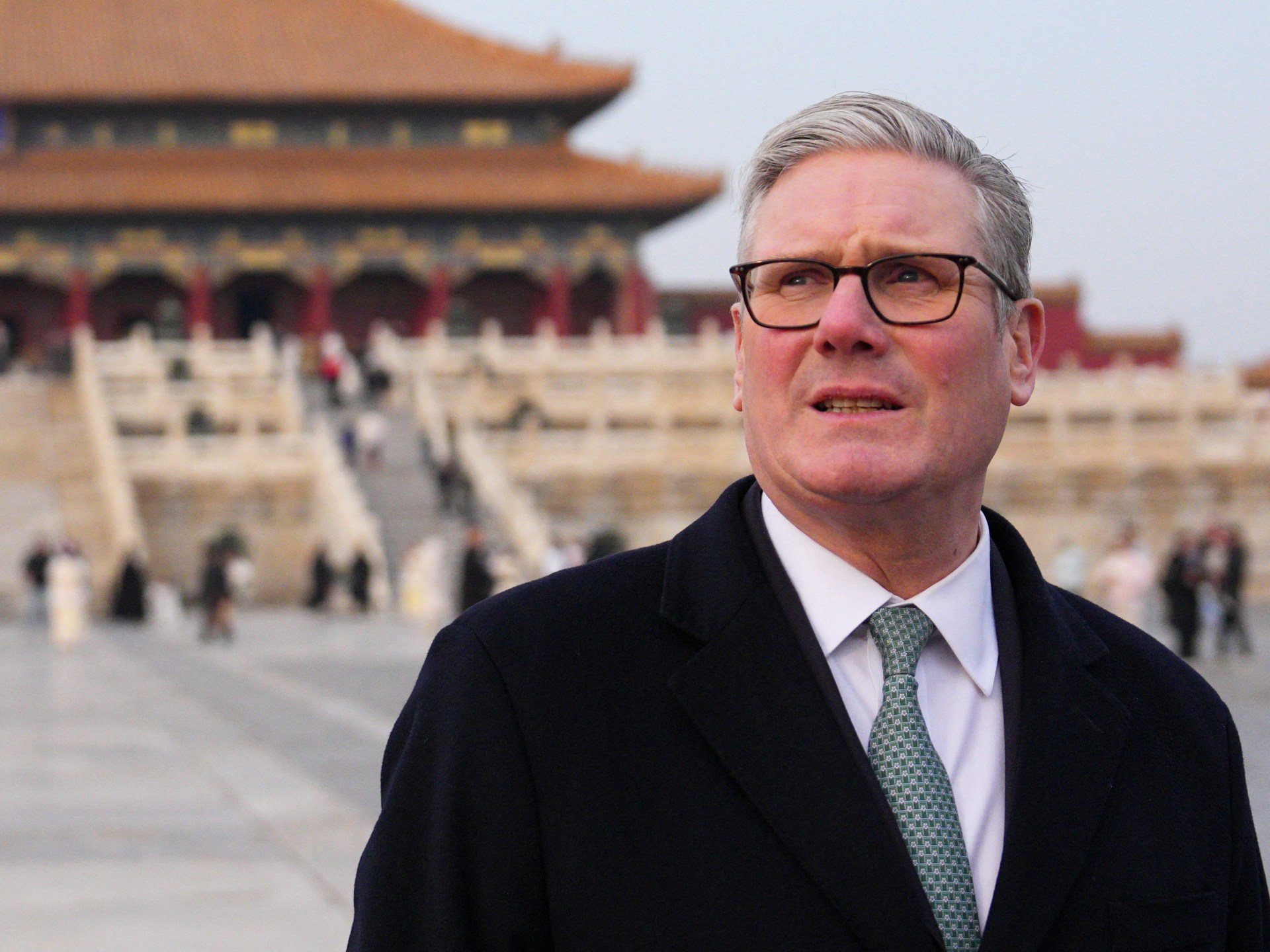
In this sense, what was important about British Prime Minister Keir Starmer’s visit to China at the end of January was that it happened at all. In recent years, there have been plenty of tensions between the two countries: the accusations against two British citizens of spying for China, the delay in the approval for the new Chinese embassy in London, the trial against democracy activist Jimmy Lai, etc.
The fact that Starmer made the trip to Beijing – the first one for a British prime minister in eight years – indicated that the arguments in favour of doing it outweighed the negatives of it. What certainly tipped the balance was the increased intensity with which the US administration is now turning on its traditional allies.
The visit did not reset relations, but it revealed that the world has entered a new era of global power dynamics, which is already reflected in diplomacy.
On January 23, just a week before his trip to China, Starmer summoned up a rare display of public anger, condemning US President Donald Trump’s remarks about British troops in Afghanistan.
This made the visit to Beijing very different from those of previous British prime ministers. In the past, there had never been a question about the alignment between the United Kingdom and the United States.
The US and the UK were close allies for decades. They acted in close coordination on the wars in the Middle East since 2001, and on combatting global terrorism and other threats. They shared intelligence through the Five Eyes arrangement and worked together as permanent members of the United Nations Security Council.
On China, moments of disagreement were brief. In 2004, the UK and its European partners attempted to lift the arms embargo imposed by them and the US on China after the 1989 Tiananmen Square massacre, on the grounds that all the equipment they forbade was restricted perfectly well by other legislation. The then Bush administration strongly opposed this, and the idea was dropped.
More than a decade later, during the first Trump administration, it looked like Europe might seek to forge its own trade deal with China to compensate for steel and other tariffs placed on it by the US. But in 2018, that receded too as the European Union ironed out a deal with Washington. Part of that was not to grow closer to the Chinese in terms of trade.
The pandemic pushed the US and Europe further towards aligning with each other against China, which they regarded as partially creating the problem by not announcing the appearance of the virus soon enough. By 2023, therefore, the UK and the US were almost vying with each other to be more hawkish, with then-Deputy Prime Minister Oliver Dowden declaring that the People’s Republic was Britain’s greatest “state-based threat”.
We are no longer in that world. Washington’s actions are raising fundamental questions about the alliance system around NATO and other security arrangements that it has sat at the heart of since the end of World War II.
We do not yet know the shape of the world we are heading into. It might take years for it to fully emerge. But for Starmer on his visit to Beijing, this shift meant he was talking to an interlocutor who is also trying to work out what the new situation means.
President Xi Jinping is not a security ally of the UK, but in the strange, topsy-turvy world we now inhabit, his administration is probably closer to the UK in terms of working out what to do about global warming or how to manage the risks of artificial intelligence (AI).
Both countries do not like the unpredictability of the current situation. They are all linked by having a problem with the US now, even if it is a different kind of problem.
This, of course, does not mean that a new kind of strategic alliance is in the making; there were no signs of that in the meeting. After all, culturally, politically and in terms of values, the UK and China disagree with each other too much for that to happen. This is regardless of Britain’s links with the US.
But that Starmer was able to announce restrictions on small engines that end up used in the boats bringing immigrants illegally across the seas around the UK was a telling sign of how, even in a deglobalising world, everything still connects, and that in a modest and indirect way, Britain needs to talk to China to address some aspects of what it sees as its own security priorities.
There were other announcements as well: the $15bn investment by British pharmaceutical company AstraZeneca, the 30-day visa-free access to China for British citizens and the lifting of sanctions against some UK Parliament members.
The groundwork was also laid for deeper economic engagement, with some steps being taken to improve trade and facilitate UK business access to the Chinese market.
Longer term, this visit could also pave the way for engagement that recognises the rise of China as a technology power. In environmental science, AI, quantum computing – indeed, in almost every area – China is outpacing not just the UK, but almost everyone else. It is producing ideas and innovations in medicine, renewable energy, etc which matter to the UK for its own good.
A single four-day visit did not reset the relationship. There are still many issues between the two countries. But at least it has allowed the possibility – now that the political blockages have been cleared – to work out strategically how the UK and others in Europe navigate the new geopolitics where there are no eternal friends or enemies, and how they react to a world where, for the first time in recent history, China has innovations, technologies and ideas that they might need and want.
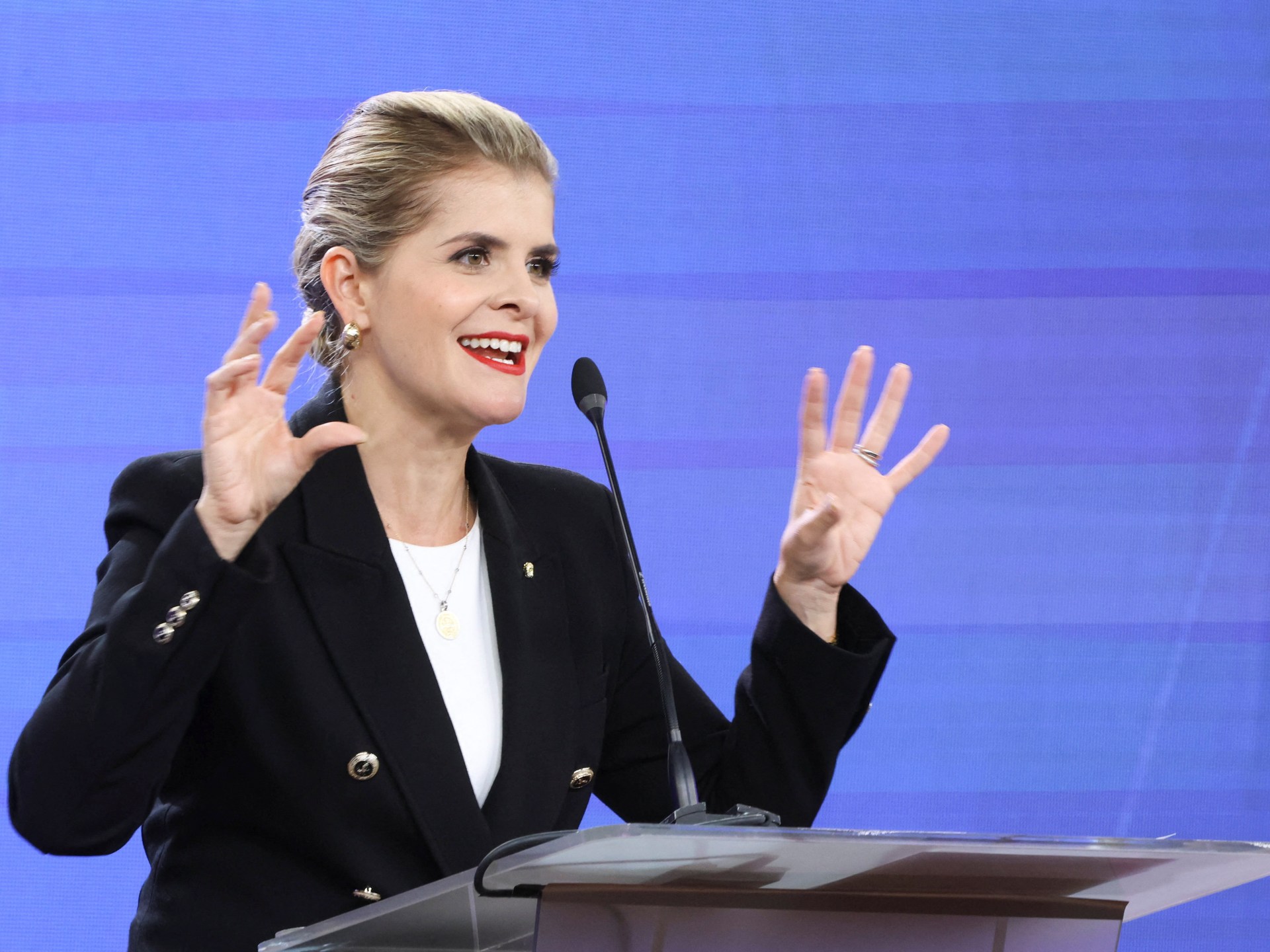
Polls have opened in the Costa Rica general election as the centre-right populist government seeks to extend its mandate and secure control of the Legislative Assembly at a time when drug-fuelled violence has gripped the country.
Voting stations opened at 6am local time (12:00 GMT) on Sunday and will remain open until 6pm (24:00 GMT), with early trends likely within hours.
list of 4 itemsend of list
Laura Fernandez, President Rodrigo Chaves’s protege and former chief of staff, is leading in the polls with more than 40 percent, enough to win outright and avoid an April 5 run-off. She has pledged to continue Chaves’s tough security policies and anti-establishment message.
Her closest rivals in the 20-candidate field are Alvaro Ramos, a centrist economist representing Costa Rica’s oldest political party, and Claudia Dobles, an architect representing a progressive coalition and a former first lady whose husband, Carlos Alvarado, served as president from 2018 to 2022.
Both are polling in the single digits but are seen as the two most likely to compete in a possible run-off if Fernandez falls short of 40 percent.
Fernandez has also urged voters to hand her 40 seats in the country’s 57-seat Legislative Assembly, a supermajority that would allow her to pursue constitutional reforms. The current government holds just eight seats and has blamed congressional gridlock for blocking its agenda.
Polls show about a quarter of the 3.7 million voters remain undecided, with the largest group being between the ages of 18 and 34 and from the coastal provinces of Guanacaste, Puntarenas and Limon.
“People are tired of promises from all the governments, including this one, even though the government has said things that are true, like needing stronger laws to restore order,” said Yheison Ugarte, a 26-year-old deliveryman from downtown Limon, a Caribbean port city that has been the hardest hit by drug violence.
Despite homicides surging to an all-time high during his term and multiple corruption investigations, Chaves remains deeply popular, with a 58 percent approval rating, according to the University of Costa Rica’s CIEP polling.
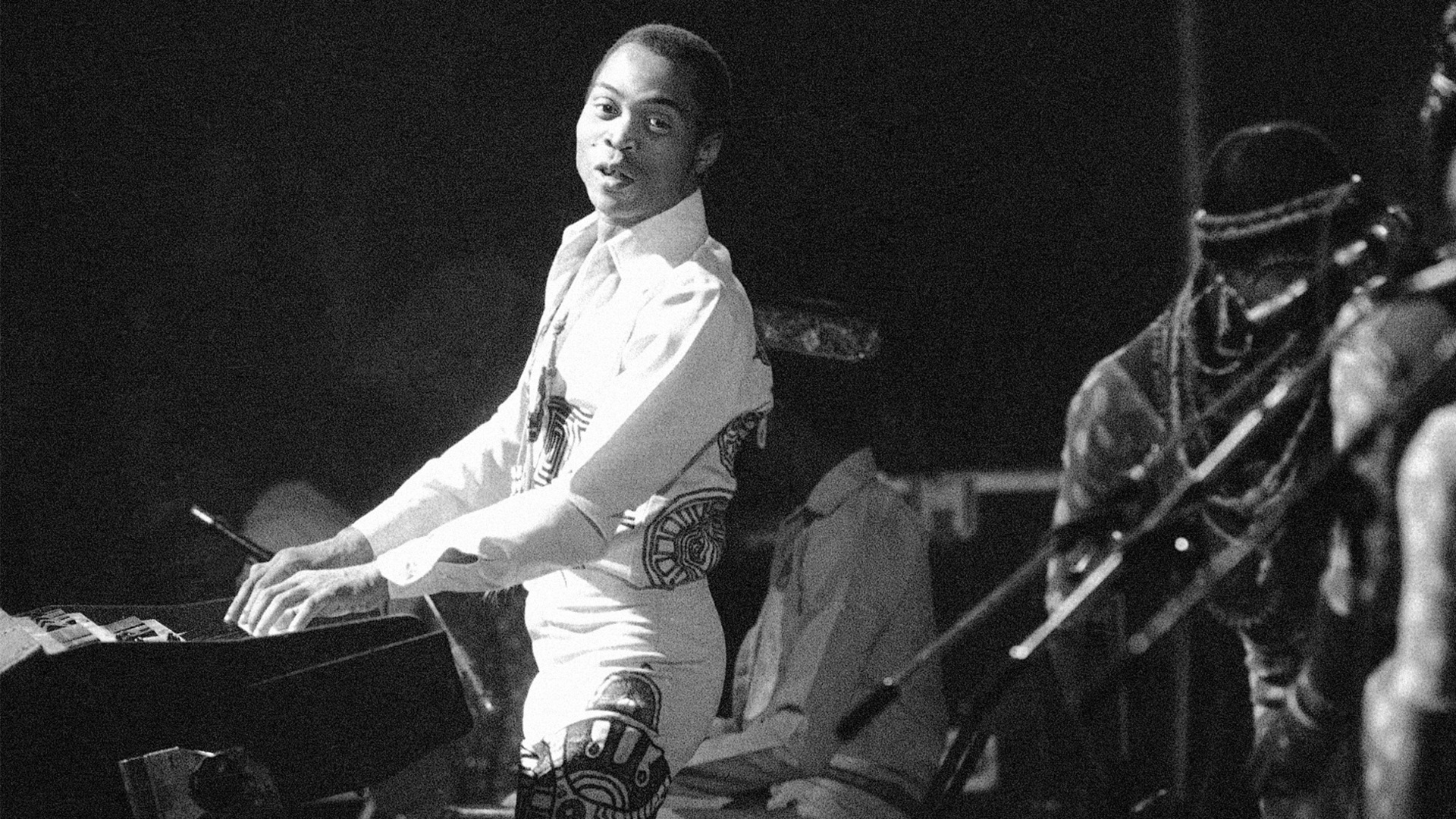
Afrobeat pioneer Fela Kuti has become the first African artist to receive a Grammy Lifetime Achievement Award, honoured posthumously in Los Angeles for his music and political resistance.
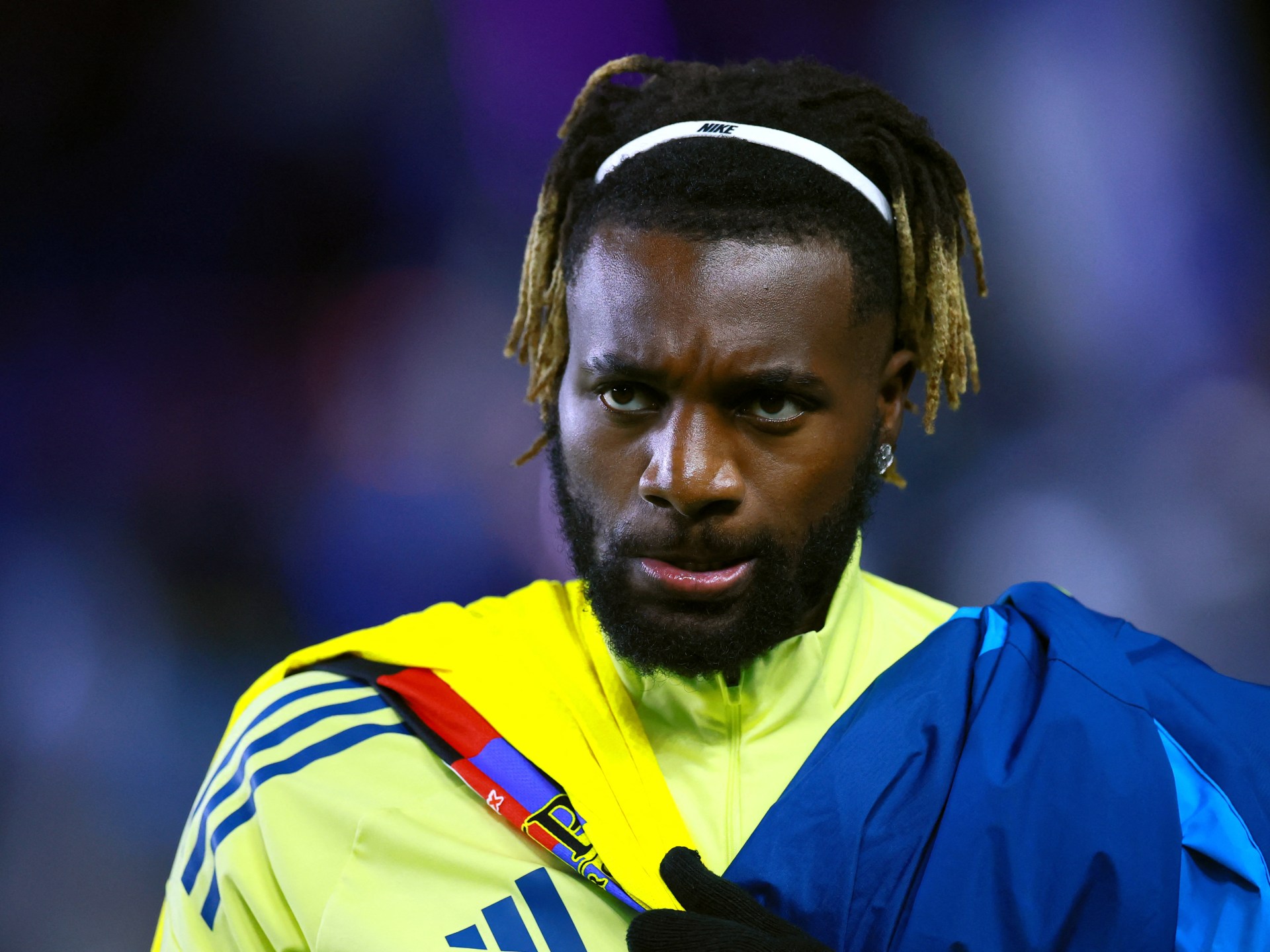
Allan Saint-Maximin’s brief stint with Club America has come to an abrupt end just months after the French winger arrived in Mexico as the club announced his departure two days after he revealed his children had been targeted by racist attacks.
The 28-year-old former Newcastle United winger signed a two-year contract with the Liga MX club in August in a deal reportedly worth $10m but managed just 15 appearances before his sudden exit on Saturday.
list of 4 itemsend of list
Club America expressed solidarity with Saint-Maximin in announcing his departure although neither party disclosed specific details about the incident that prompted his decision to leave.
“We reiterate our strong condemnation of any act of discrimination and/or violence that violates human dignity, both on and off the field,” the Mexico City club said in a statement.
“We express our absolute solidarity with Allan Saint-Maximin and his family, who have the support of everyone who is part of this institution.
“Thank you so much for wearing our colours Allan Saint-Maximin.”
Saint-Maximin had taken to Instagram to address what he described as attacks on his children, making clear his determination to protect his family.
“The problem is not skin colour, it is the colour of thoughts. People attack me, but that’s not a problem. I grew up learning to fight back against attacks, whether they are subtle, hidden or direct,” he wrote on Instagram.
“But there is one thing I will never tolerate, and that is people attacking my children. Protecting my children is my priority. I will fight with all my strength to ensure that they are respected and loved, regardless of their origins or skin colour.
“So, to those who dared to attack my children, I say this: you made a mistake. I will always fight to protect my family and no person or threat will ever scare me.”
America boss Andre Jardine said it was a “real shame” to lose a player of Saint-Maximin’s calibre.
“He’s a great player who was doing well for the league and has the ability to play in any league in the world. It was a big change for him, moving from Europe to Mexico,” Jardine said.
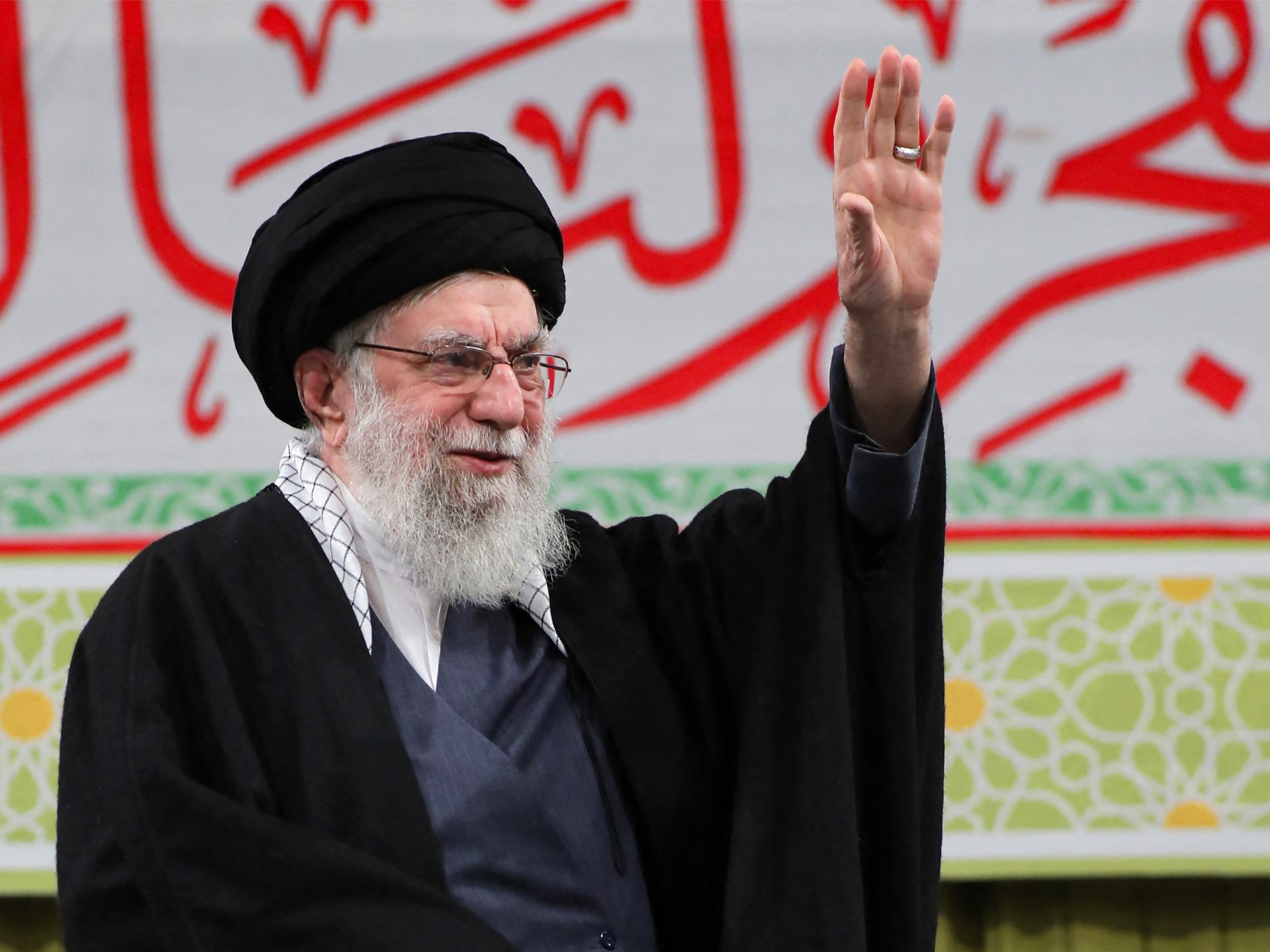
Iranian Supreme Leader Ali Khamenei has warned the United States that any attack on his country would result in a “regional war” as US President Donald Trump amasses military assets in the Middle East.
“They should know that if they start a war this time, it will be a regional war,” the 86-year-old supreme leader, who has held absolute power for about 37 years, said at an event in downtown Tehran on Sunday.
list of 4 itemsend of list
He was speaking on the anniversary of Ayatollah Ruhollah Khomeini’s return from exile in France to Iran in 1979, which led to the Iranian Revolution and the fleeing of Mohammad Reza Shah Pahlavi.
Khamenei’s comments came as the USS Abraham Lincoln aircraft carrier, jet fighters and navy destroyers neared the region after nationwide antigovernment protests in Iran, in which thousands of people were killed in January.
The protests, which started in late December over the collapse of the Iranian rial, later morphed into a direct challenge to Khamenei’s rule.
Iranian authorities maintain that the demonstrators were instigated and led by foreign agents.
“The recent sedition was similar to a coup. Of course, the coup was suppressed,” Khamenei said at the commemoration on Sunday.
“Their goal was to destroy sensitive and effective centres involved in running the country, and for this reason, they attacked the police, government centres, [Islamic Revolutionary Guard Corps] facilities, banks and mosques and burned copies of the Quran.”
Iranian state media said the protests killed 3,117 people, including 2,427 civilians and members of the security forces. US-based rights activists said more than 6,000 people were killed. Al Jazeera has not been able to independently verify the figures.
Since the nationwide upheaval, Trump has repeatedly threatened to attack the country.
The US president initially conditioned a US attack on Tehran’s behaviour towards demonstrators, but he later shifted his posture, saying he wanted Iran to agree to a nuclear deal.
In June, Iranian and American officials were engaged in indirect talks in Oman before Israel launched a 12-day war on Iran. The US also joined Israel and struck Iran’s nuclear facilities.
Khamenei maintained a defiant tone on Sunday, accusing the US of wanting to seize Iran’s resources, including oil and natural gas. “This is the main reason for their hostility, and the rest of their talk, like human rights, is empty talk,” he said.
Despite the rhetoric, both Iran and the US have confirmed that they have opened lines of communication to try to work out a deal to avoid a military confrontation.
On Saturday, Trump said Tehran was “seriously talking” with Washington, hours after the head of Iran’s Supreme National Security Council, Ali Larijani, said Tehran was prepared for talks with the US.
Trump, speaking on board Air Force One, said he believed Iran should agree to a deal with “no nuclear weapons”, adding, however, that he did not know whether Tehran would sign up to such an accord.