More than 200 killed in mine collapse in eastern DR Congo: Report

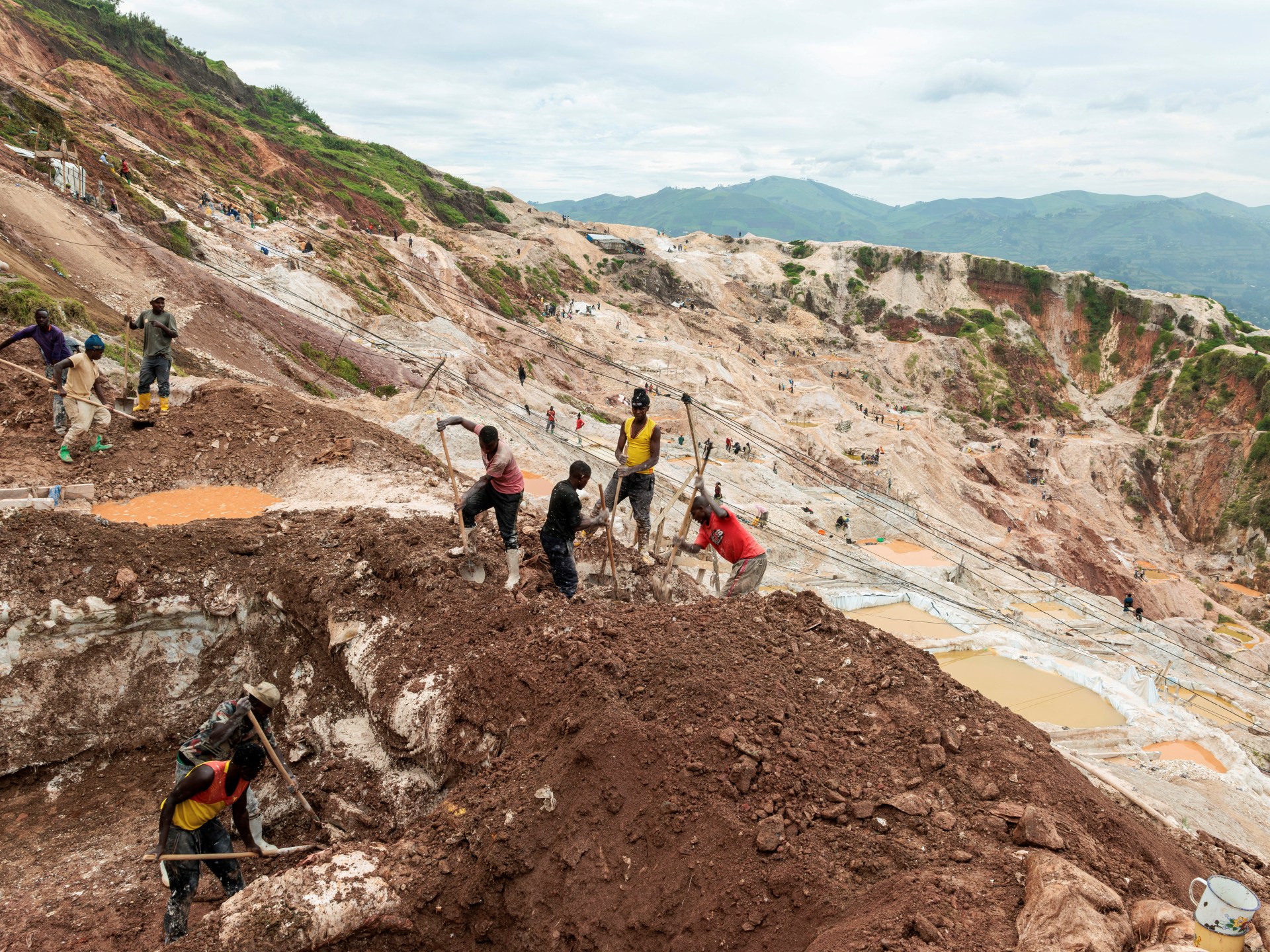
More than 200 people have been reported killed in a collapse at the Rubaya coltan mine in eastern Democratic Republic of the Congo (DRC), Lumumba Kambere Muyisa, spokesperson for the rebel-appointed governor of the province where the mine is located, told the Reuters news agency.

The mine, located some 60km (37 miles) northwest of Goma city, the provincial capital of North Kivu province, collapsed on Wednesday, and the precise number of casualties was still unclear as of Friday evening, Reuters reports.

Recommended Stories

list of 4 itemsend of list

“More than 200 people were victims of this landslide, including miners, children and market women. Some people were rescued just in time and have serious injuries,” Muyisa told Reuters, adding that about 20 injured people were being treated in health facilities.

“We are in the rainy season. The ground is fragile. It was the ground that gave way while the victims were in the hole,” he said.

Eraston Bahati Musanga, the governor of North Kivu province appointed by the M23 rebel group, told the AFP news agency on Friday that “some bodies have been recovered”, without giving a specific figure of the number of those killed and injured, but suggesting a potentially high death toll.

An adviser to the provincial governor put the death toll at more than 200, speaking on condition of anonymity to Reuters because he was not authorised to brief the media.

AFP said it was unable to confirm the death toll with independent sources as of Friday evening.

Franck Bolingo, an artisanal miner interviewed at Rubaya by AFP, said people are believed to still be trapped inside the mine.

“It rained, then the landslide happened and swept people away. Some were buried alive, and others are still trapped in the shafts,” Bolingo said.

Rubaya produces about 15 percent of the world’s coltan, which is processed into tantalum, a heat-resistant metal that is in high demand by makers of mobile phones, computers, aerospace components and gas turbines.

The mine, where locals dig manually for a few dollars per day, has been under the control of the Rwanda-backed M23 rebel group since 2024, after previously changing hands between the DRC government and rebel groups.

The heavily-armed M23 rebels, whose stated aim is to overthrow the DRC government in the capital Kinshasa, captured even more mineral-rich territory in the east of the country during a lightning advance last year.

The United Nations has accused M23 rebels of plundering Rubaya’s resources to help fund their rebellion, backed by Rwanda, an allegation that the government in Kigali denies.

Missing statue of golf legend Ballesteros found chopped in pieces in Spain

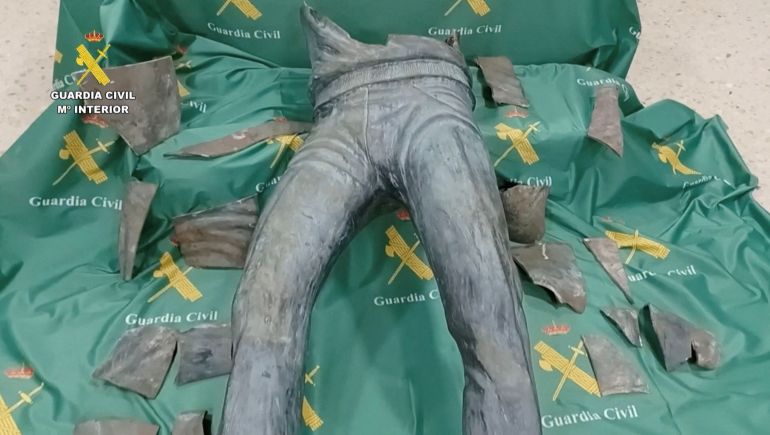
A ‌statue of the late golfer Seve Ballesteros, which ‍had vanished ‍from his hometown of Pedrena in northern Spain’s Cantabria region, was found chopped into pieces as the alleged thief prepared to sell it for its ⁠bronze, police have said.

Valued at about 30,000 euros ($35,820) ​but holding significant sentimental importance for locals and ‍fans, the statue was discovered in a storage room in Santander. It had been cut in half at the waist.

Recommended Stories

list of 4 itemsend of list

While the ‍torso and ⁠head remained intact, the arms were broken into several pieces.

A 22-year-old man with a criminal record for copper theft was arrested on Thursday, police revealed on Friday, adding that more individuals could be involved.

A screengrab from a handout video shows pieces of a statue of Seve Ballesteros, a late Spanish professional golfer, recovered by members of the Spanish law enforcement, in Santander, Spain
A screengrab from a handout video shows pieces of a statue of Seve Ballesteros, a late Spanish professional golfer, recovered by members of the Spanish law enforcement, in Santander, Spain [Reuters]

Police had focused their investigation on metal trading centres, suspecting the ​thieves planned to sell the bronze ‌for profit.

The 100kg (220.46-pound) statue, depicting Ballesteros in a signature pose celebrating his 1984 British Open win at St Andrews in Scotland, ‌was torn from its base in La Barqueria Park earlier this month before being ‌dragged across grass and dismembered for ⁠transport.

Created in 2009 by sculptor Salvador Garcia Ceballos, it was permanently installed in Pedrena in 2017.

Ballesteros, who won five major titles during his ‌career and became a fan favourite for his capacity for digging himself out of trouble on the golf course, ‍died in 2011 aged 54 after a battle with cancer.

Is Trump’s choice for US Fed chair a ‘chameleon’ or a ‘solid’ pick?

Dovish. Judicious. A chameleon.

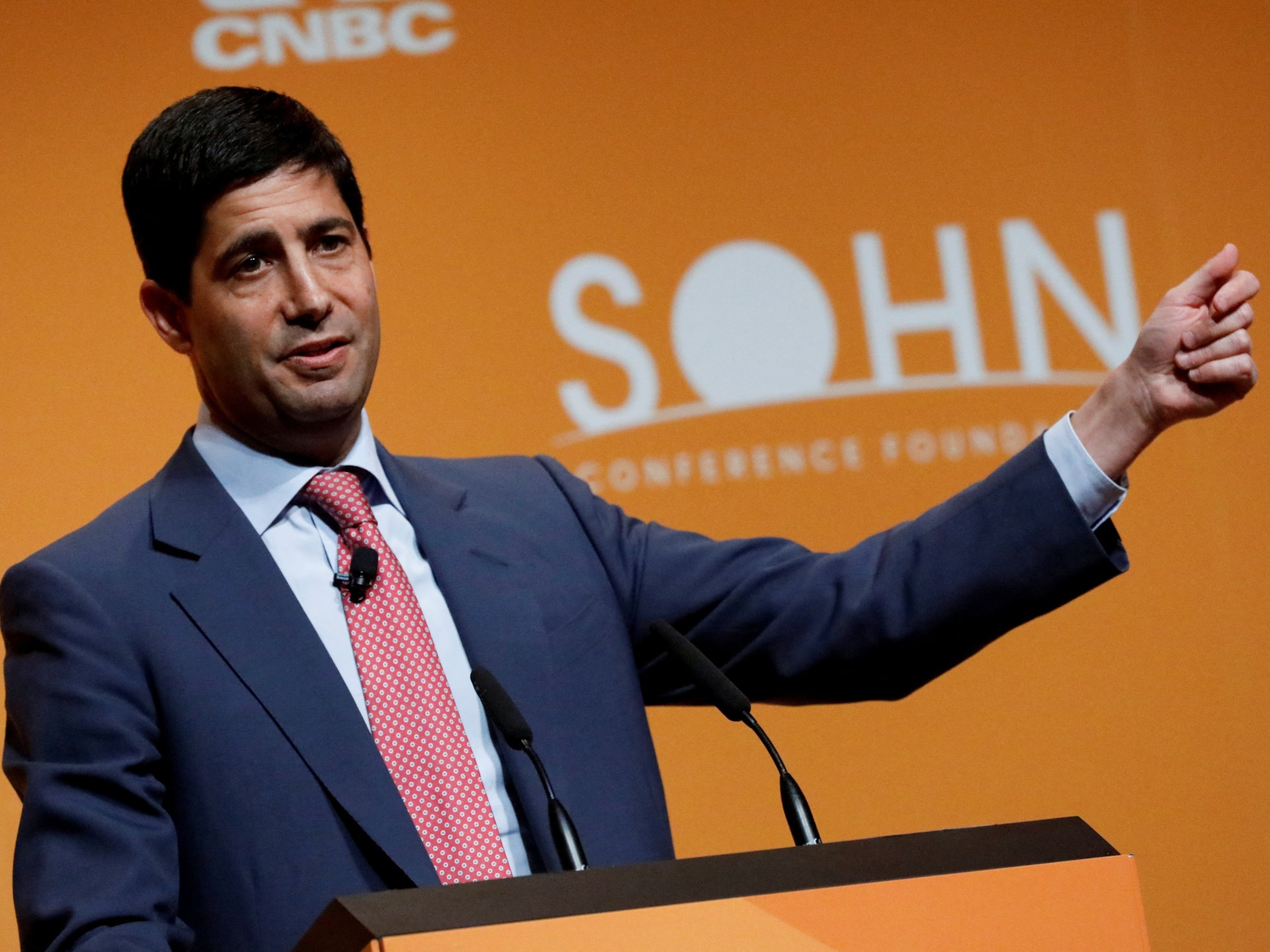
Those are just some of the terms being used to describe Kevin Warsh, President Donald Trump’s pick to be the next chairman of the Federal Reserve, the central bank of the United States.

Recommended Stories

list of 4 itemsend of list

If confirmed by the US Senate, Warsh, a former Federal Reserve governor, will replace Jerome Powell after his term ends in May. Trump announced Warsh as his nominee on Friday.

“I have known Kevin for a long period of time, and have no doubt that he will go down as one of the GREAT Fed Chairmen, maybe the best,” Trump posted on his Truth Social site. “On top of everything else, he is ‘central casting,’ and he will never let you down.”

Over the past year, Trump has repeatedly lambasted Powell for not lowering interest rates at a pace and to a level of his liking. Warsh is expected to have a smoother experience – at least initially.

That’s partly because he comes from a Republican milieu. His father-in-law is Ronald Lauder, heir to the Estee Lauder cosmetics fortune and a longtime Trump donor and ally.

Warsh is also currently serving as a fellow at the right-leaning Hoover Institution, a think tank at Stanford University, where he also lectures as a visiting scholar.

But more importantly, critics say, Warsh has shown a willingness to align with Trump’s policies. After years of supporting high interest rates to control inflation, Warsh has made recent statements arguing for lower rates, in line with the president’s views.

A history of ‘shape-shifting’

It is this flexibility that has prompted a mixed bag of reactions to Warsh’s nomination.

“He’s a very good chameleon,” said Skanda Amarnath, executive director of Employ America, a policy research organisation. “He comes across as informed and intellectual, but when you unpack what he says, there’s not a lot there.”

Amarnath’s criticism was based on years of observing Warsh’s policy stance.

Warsh, 55, joined the Federal Reserve’s Board of Governors in 2006 at age 35, after serving on former President George W Bush’s National Economic Council. He remained at the Fed until 2011, during which time he worked with then-Chair Ben Bernanke to address the 2008-2009 global financial crisis.

That crisis saw the collapse of financial services firms like Lehman Brothers and Bear Stearns. Warsh notably objected to some of the low-interest policies that the Fed was pursuing at the time to stave off the impact of the crash.

During that period, he “spent most of his time worrying about inflation”, according to Amarnath. “Even in August 2008, he was talking about inflation as Lehman Brothers failed. He missed the whole boat on that.”

Amarnath said Warsh appeared to downplay the unemployment at the time as well, even though the jobless rate was headed towards 10 percent. Today, unemployment in the US is at a healthy 4.4 percent.

Warsh started softening his stance on inflation in 2017, when Trump began his first term as president. Amarnath told Al Jazeera that Warsh’s seeming partisanship gives him “some concern” about what might happen in case of another financial crisis.

“His track record speaks to someone who is pretty partisan and political in his views and mocks data dependence,” he said. “The shape-shifting depends on who is in office.”

A ‘political’ record

Some experts, however, were more optimistic about Warsh as a candidate for the top seat at the Federal Reserve.

Economist Robert Rogowsky, a professor of trade and economic diplomacy at Georgetown University, is among those who think that Warsh is a “solid pick, albeit not a stellar one”.

“He is obviously extremely bright and has a solid record of accomplishment in the area,” he said.

That said, Rogowsky acknowledged that Warsh could be seen as a political opportunist. “His record does seem a bit political – a monetary hawk under a Democratic administration and being promoted by Trump to be Trump’s monetary dove.”

Still, Rogowsky said he is not too worried about Warsh falling in line with Trump’s aggressive push to lower interest rates.

While the Fed chair is a very powerful role, it only represents one vote on a board of seven, and it cannot override the majority vote. And though Warsh “may sound Trumpy”, Rogowsky believes he will ultimately refuse to implement Trump’s “extreme and extremely harmful” interest rate cuts.

“He is smart enough – and, I pray, honorable enough – to be driven by his economic training,” Rogowsky said.

Trump has called on the Federal Reserve to slash interest rates from their current level – about 3.75 percent – to 1 percent, a major drop.

Rogowsky said Warsh is aware that such a policy move would result in “a medium-term inflationary disaster”, which, in turn, could lead to “an immediately disastrous decline in the dollar and a five-alarm fire in the global trading system”.

Trump’s trade policies will already pose a big challenge for any incoming Federal Reserve chair, according to Rachel Ziemba, a senior fellow at the Center for a New American Security, a think tank.

Ziemba pointed out that Trump has pursued an aggressive international trade policy and immigration crackdown that could send shudders through the US economy. Currently, while economic growth is “OK”, there is little job growth, she added.

“Rate cuts are unlikely to solve those issues,” Ziemba told Al Jazeera.

For now, it remains unclear whether Warsh will ultimately take up the post. He faces a Senate confirmation hearing in the coming months, where Trump’s policies could also be a hurdle.

Already, at least one Republican senator, Thom Tillis, said he would not back any Trump nominees to the Federal Reserve until the president drops his criminal investigation of Powell.
What do China and the UK want from each other?

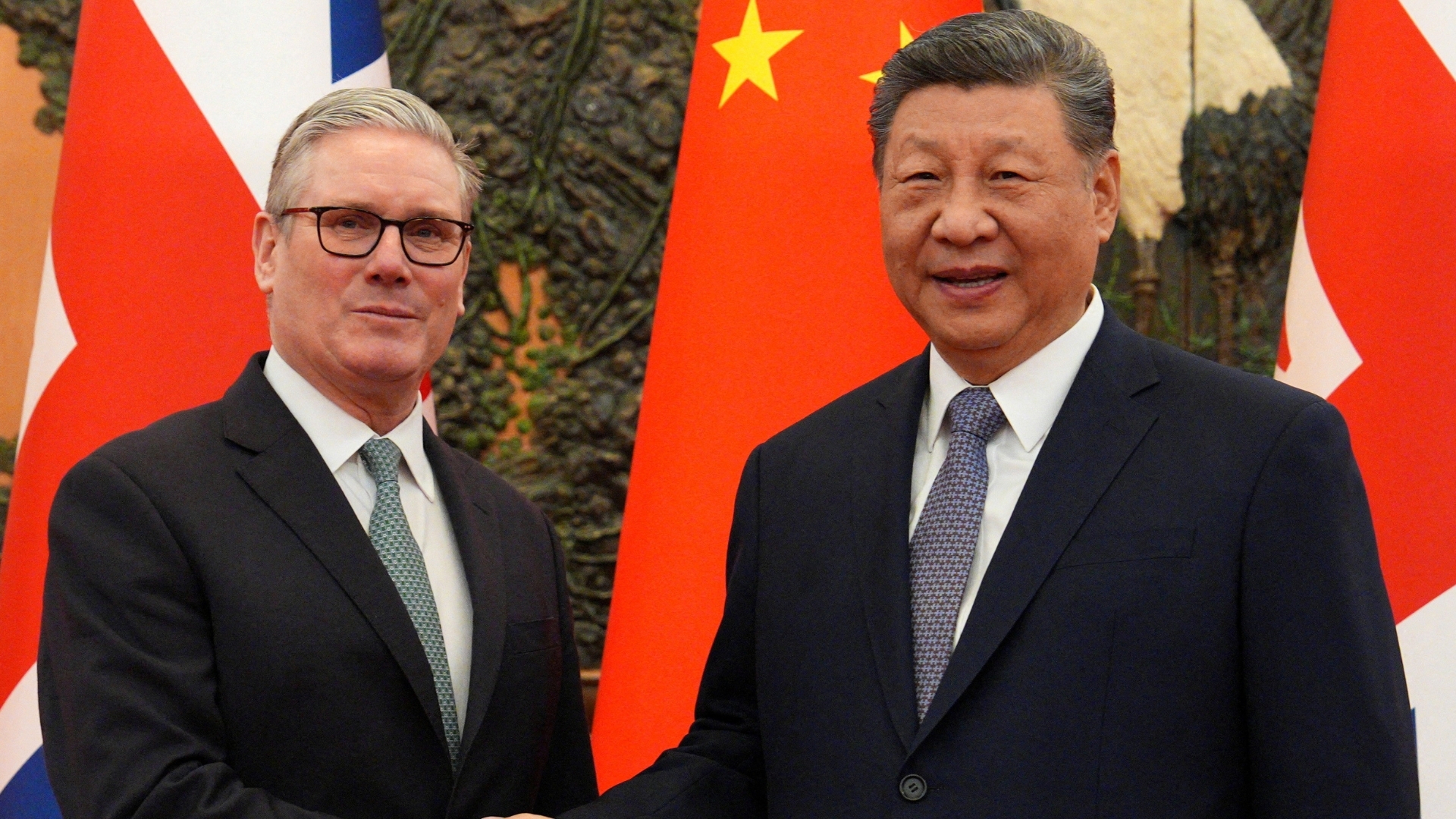
UK Prime Minister Keir Starmer’s warm welcome on a visit to China this week marks a thaw in icy relations with Beijing.

British Prime Minister Keir Starmer arrived in China this week with a large delegation of businesspeople and cultural figures.

He received a warm welcome from Chinese President Xi Jinping.

But the visit got a frosty reception from the White House, with United States President Donald Trump calling Starmer’s trip “dangerous”.

What prompted Trump’s remarks? And how important was the British prime minister’s visit?

Presenter: Adrian Finighan

Guests:

Will Hutton – Political economist

Andy Mok – Senior research fellow at the Center for China and Globalization

Iran says ready for ‘fair’ talks with US but not ‘under shadow of threats’

Iran’s foreign minister says the country is ready for “fair and equitable” talks with the United States amid soaring tensions, as US President Donald Trump refused to rule out taking military action against Tehran.

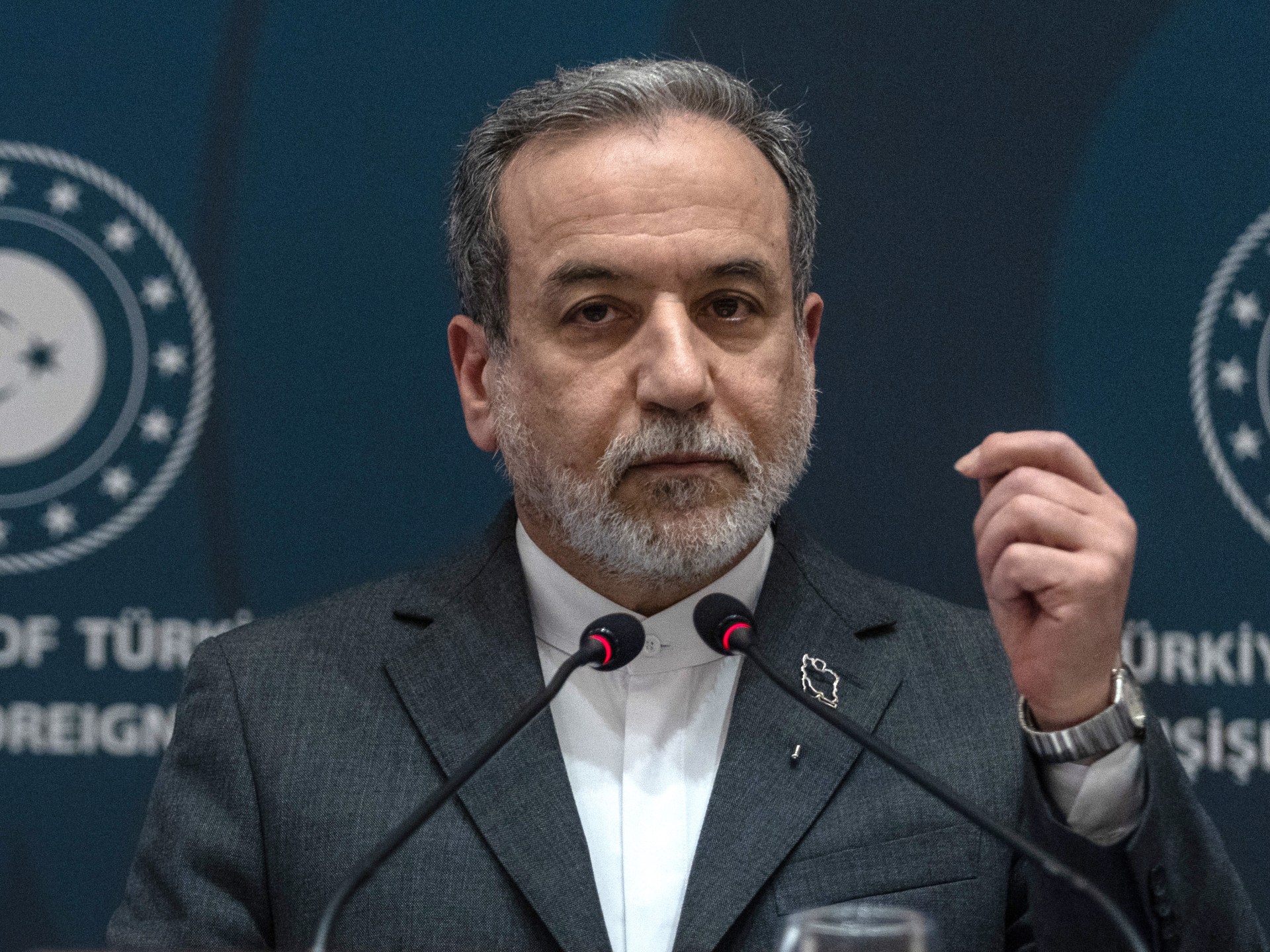
On a visit to Turkiye on Friday, Iranian Foreign Minister Abbas Araghchi told reporters that, “Iran has no problem with negotiations, but negotiations cannot take place under the shadow of threats”.

Recommended Stories

list of 3 itemsend of list

“I should also state unequivocally that Iran’s defensive and missile capabilities – and Iran’s missiles – will never be the subject of any negotiations,” Araghchi said during a news conference alongside his Turkish counterpart, Hakan Fidan.

“The security of the Iranian people is no one else’s business, and we will preserve and expand our defensive capabilities to whatever extent is necessary to defend the country.”

Tensions have been rising for weeks between Tehran and Washington amid Trump’s repeated threats to attack Iran over a recent crackdown on antigovernment protests and his push to curtail the Iranian nuclear programme.

Earlier this week, the US president said a “massive armada” – led by the USS Abraham Lincoln aircraft carrier – was moving towards Iran and was ready to use “violence, if necessary” if Iranian leaders did not agree to negotiate a nuclear deal.

Speaking to reporters at the White House on Friday, Trump said his administration was sending “a larger number of ships” to Iran.

“And hopefully we’ll make a deal,” he said. “If we do make a deal, that’s good. If we don’t make a deal, we’ll see what happens.”

Reporting from Washington, DC, Al Jazeera’s Kimberly Halkett noted that Trump said he gave Iran a deadline, but “only Iran knows what that deadline is”.

“So he’s left the world in waiting, trying to determine what the next steps will be,” Halkett said.

Trump, who in 2018 unilaterally withdrew from a previous deal that saw Iran agree to curb its nuclear programme in exchange for a lifting of international sanctions, has been pressuring Iran to halt all uranium enrichment.

Washington has accused Tehran of seeking a nuclear weapon – a claim Iranian leaders have repeatedly denied.

Amid the latest tensions, senior officials in Tehran have repeatedly said they are open to negotiations, but only once Trump ends his military threats against the country.

They also have stressed that Iran’s armed forces are ready to respond if attacked.

Meanwhile, regional allies including Turkiye, the United Arab Emirates and Saudi Arabia have been engaging in diplomatic efforts to try to prevent a military confrontation between Washington and Tehran.

Turkish President Recep Tayyip Erdogan earlier on Friday told his Iranian counterpart Masoud Pezeshkian in a call that Ankara was ready to play a “facilitator” role between the two sides.

Fidan, the Turkish foreign minister, also said he had long discussions on the issue with US special envoy Steve Witkoff on Thursday and would keep lines open with Washington.

Speaking alongside Araghchi on Friday, Fidan said US-Iran nuclear negotiations must restart and would pave the way to lifting sanctions on Iran.

After Trump call, Russia agrees to pause attacks on Kyiv amid cold spell

NewsFeed

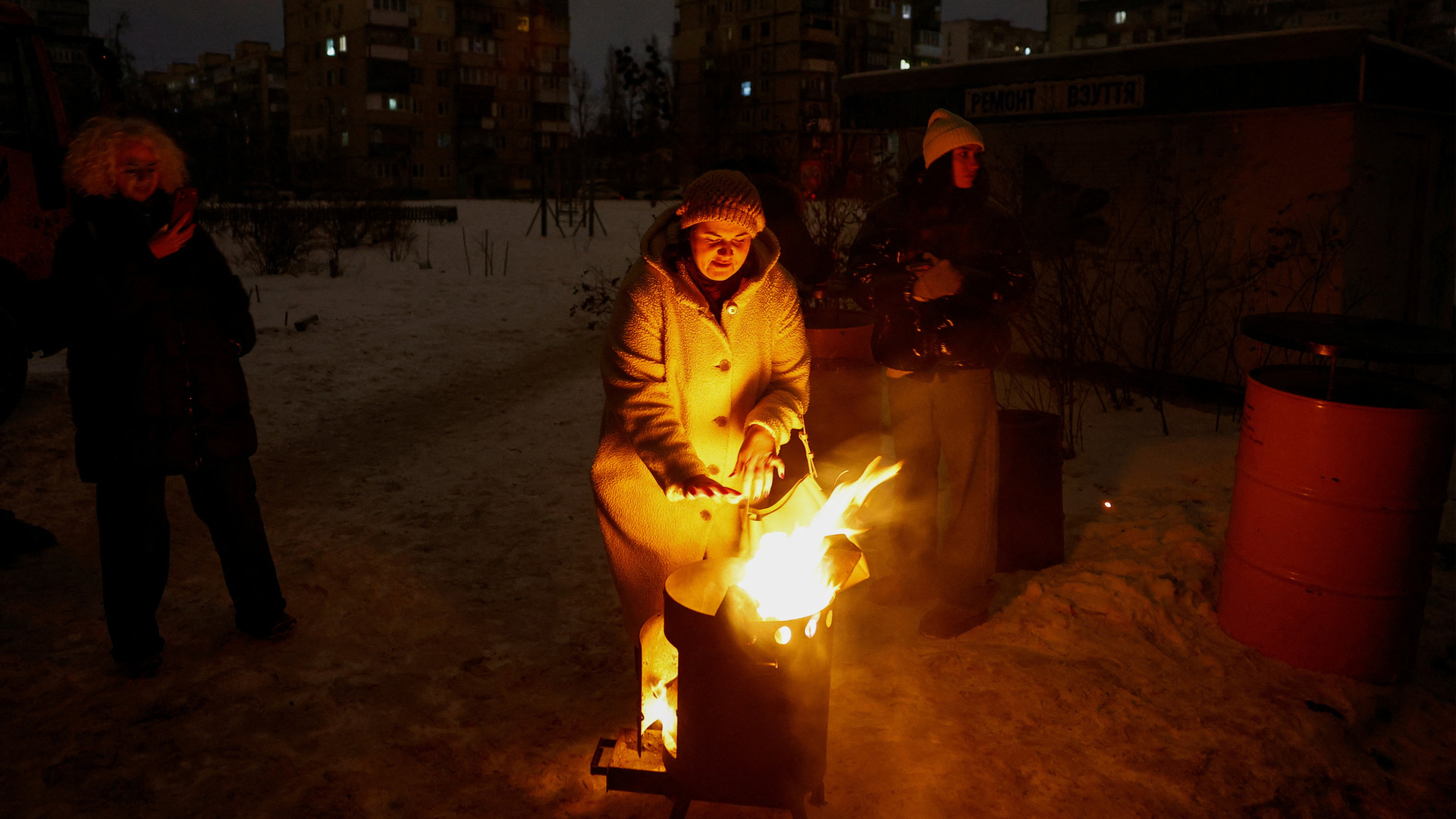
The Kremlin says it’s agreed to halt attacks on Kyiv and surrounding towns until February 1, after a request from US President Donald Trump pointing to the ‘record-setting cold’ gripping the region. Many Ukrainians have no heating, after Russian attacks on power infrastructure.