Manchester United manager Michael Carrick says he is “so proud” of his side and there are “many positives to take” after they beat Mikel Arteta’s Arsenal 3-2 at the Emirates Stadium.
MATCH REPORT: Arsenal (2-3) Manchester United
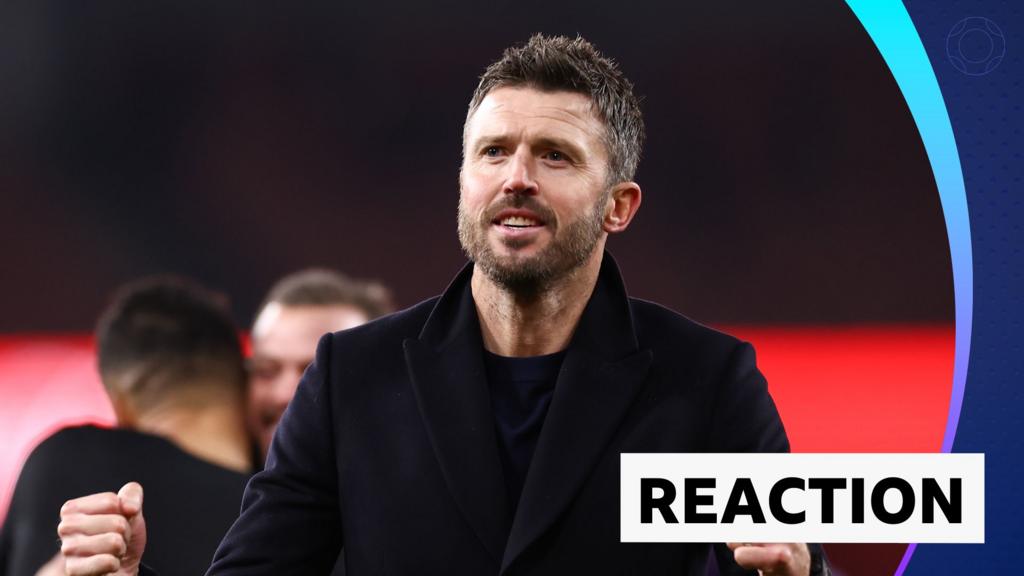
Manchester United manager Michael Carrick says he is “so proud” of his side and there are “many positives to take” after they beat Mikel Arteta’s Arsenal 3-2 at the Emirates Stadium.
MATCH REPORT: Arsenal (2-3) Manchester United
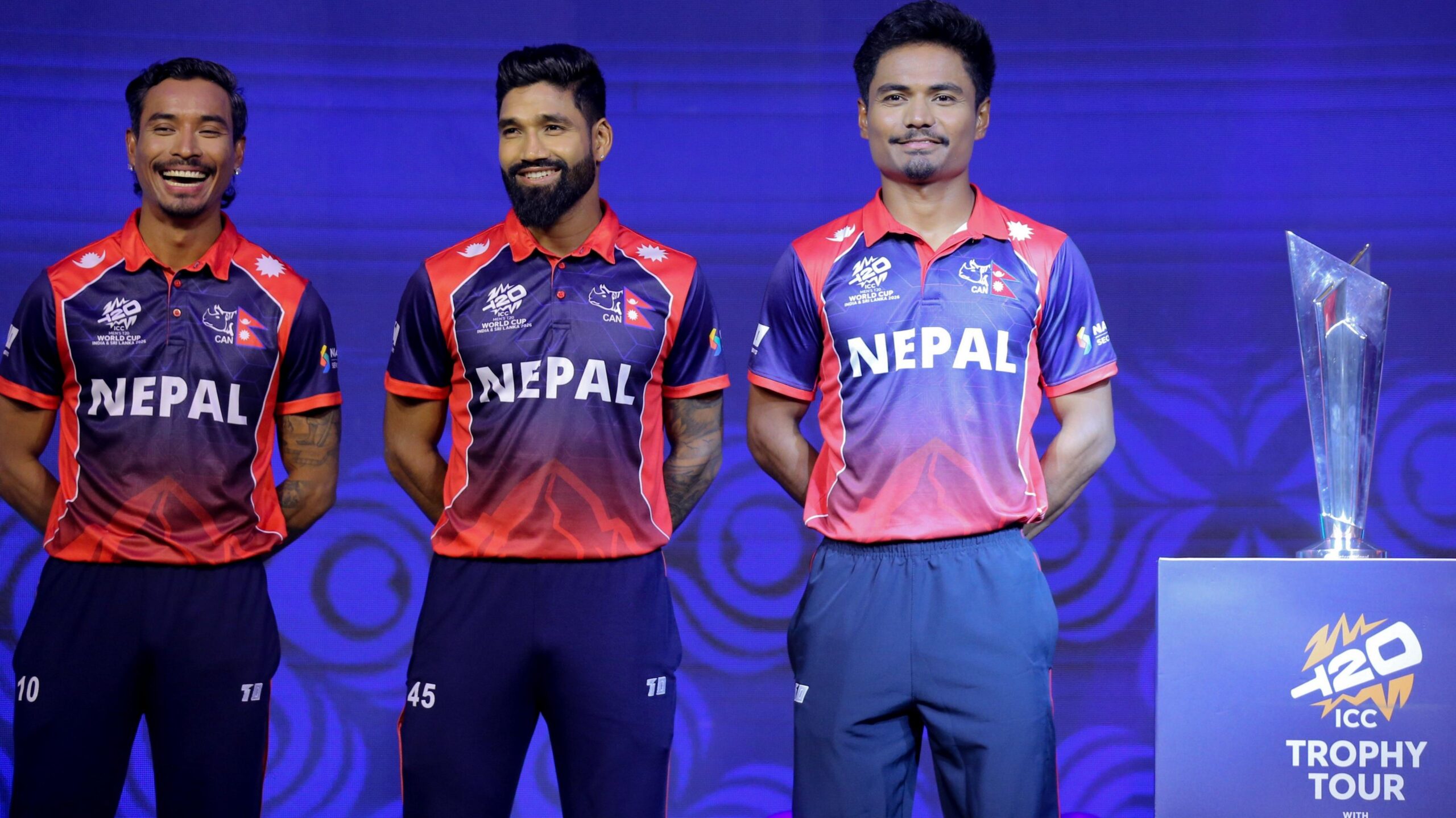
Group A: India, Pakistan, USA, Netherlands, Namibia
Group B: Australia, Sri Lanka, Ireland, Zimbabwe, Oman
Group C: England, West Indies, Scotland, Nepal, Italy
All start times GMT
7 February: Pakistan v Netherlands (Colombo SSC, 5:30), West Indies v Scotland (Kolkata, 9:30), India v USA (Mumbai, 13:30)
8 February: New Zealand v Afghanistan (Chennai, 5:30), England v Nepal (Mumbai, 9:30), Sri Lanka v Ireland (Colombo RPS, 13:30)
9 February: Scotland v Italy (Kolkata, 5:30), Zimbabwe v Oman (Colombo SSC, 9:30), South Africa v Canada (Ahmedabad, 13:30)
10 February: Netherlands v Namibia (Delhi, 5:30), New Zealand v UAE (Chennai, 9:30), Pakistan v USA (Colombo SSC, 13:30)
11 February: South Africa v Afghanistan (Ahmedabad, 5:30), Australia v Ireland (Colombo RPS, 9:30), England v West Indies (Mumbai, 13:30)
12 February: Sri Lanka v Oman (Pallekele, 5:30), Nepal v Italy (Mumbai, 9:30), India v Namibia (Delhi, 13:30)
13 February: Australia v Zimbabwe (Colombo RPS, 5:30), Canada v UAE (Delhi, 9:30), USA v Netherlands (Chennai, 13:30)
14 February: Ireland v Oman (Colombo SSC, 5:30), England v Scotland (Kolkata, 9:30), New Zealand v South Africa (Ahmedabad, 13:30)
15 February: West Indies v Nepal (Mumbai, 5:30), USA v Namibia (Chennai, 9:30), India v Pakistan (Colombo RPS, 13:30)
16 February: Afghanistan v UAE (Delhi, 5:30), England v Italy (Kolkata, 9:30), Australia v Sri Lanka (Pallekele, 13:30)
17 February: New Zealand v Canada (Chennai, 5:30), Ireland v Zimbabwe (Pallekele, 9:30), Scotland v Nepal (Mumbai, 13:30)
18 February: South Africa v UAE (Delhi, 5:30), Pakistan v Namibia (Colombo SSC, 9:30), India v Netherlands (Ahmedabad, 13:30)
19 February: West Indies v Italy (Kolkata, 5:30), Sri Lanka v Zimbabwe (Colombo RPS, 9:30), Afghanistan v Canada (Chennai, 13:30)
20 February: Australia v Oman (Pallekele, 13:30)
21 February: Y2 v Y3 (Colombo RPS, 13:30)
22 February: Y1 v Y4 (Pallekele, 9:30), X1 v X4 (Ahmedabad,13:30)
23 February: X2 v X3 (Mumbai,13:30)
24 February: Y1 v Y3 (Pallekele, 13:30)
25 February: Y2 v Y4 (Colombo RPS,13:30)
26 February: X3 v X4 (Ahmedabad, 9:30), X1 v X2 (Chennai, 13:30)
27 February: Y1 v Y2 (Colombo RPS,13:30)
28 February: Y3 v Y4 (Pallekele, 13:30)
1 March: X2 v X4 (Delhi, 9:30), X1 v X3 (Kolkata, 13:30)
4 March: Semi-final 1 (Kolkata or Colombo,13:30)
5 March: Semi-final 2 (Mumbai, 13:30)
8 March: Final (Ahmedabad or Colombo,13:30)


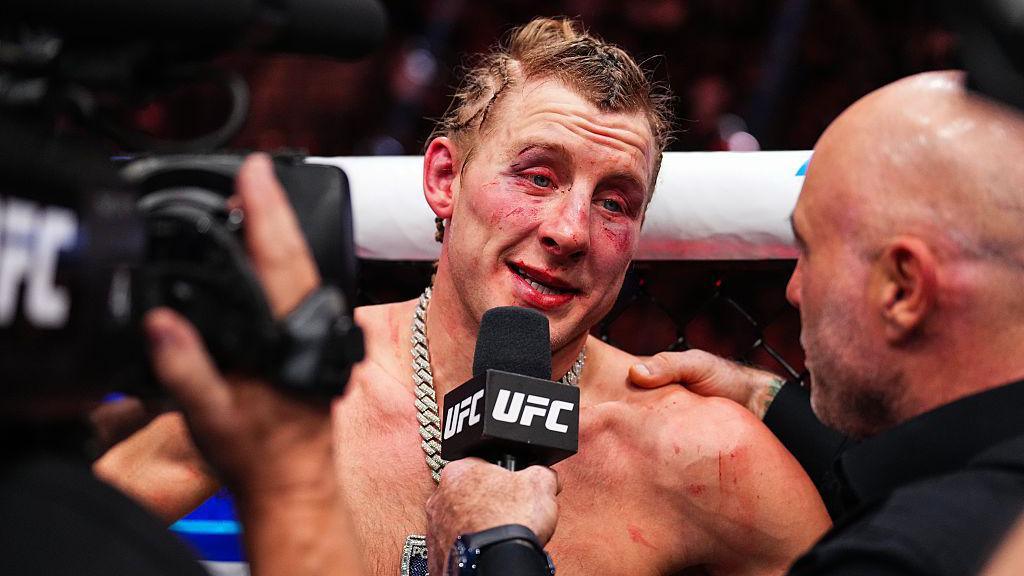
Paddy Pimblett suffered the first defeat of his UFC career against Justin Gaethje at UFC 324 in Las Vegas.
The lightweight interim title fight was a war that went against Pimblett in the end and the Liverpudlian now faces a spell on the sidelines recovering.
Pimblett, 31, was taken to hospital directly after the loss, missing the post-fight news conference, but was praised by Dana White as one of the division’s elite fighters.
What information do we collect from this quiz?
Arman Tsarukyan was one of the first to take aim at Pimblett after the fight, suggesting he was “gifted” his opportunities in the UFC.
The lightweights have been sparring from a distance since Tsarukyan was overlooked for the interim title shot, despite being ranked number one in the division.
Tsarukyan is in truth a very tricky return. He is a solid all-round competitor and is on a five-fight unbeaten streak with just one loss in his past 11 contests.
The fight would generate a lot of interest and be another chance for Pimblett to show he belongs among the elite lightweights.
Pimblett and Dan Hooker feuding wouldn’t have been on many people’s bingo cards this year.
Hooker and Pimblett have both said some cruel things about each other in recent weeks.
Pimblett questioned Hooker’s grappling ability with a reference to his mother, while Hooker referenced the death of Pimblett’s close friend to hit back at a comment.
It means a proper grudge match is in the works and Hooker would be a favourable return for Pimblett considering the seasoned contenders currently sitting in the top five of the lightweight rankings.
UFC London takes place on 21 March. Usually the UFC host one UK event per year, but Pimblett’s stardom may convince the MMA promotion to sign off a homecoming.
Pimblett last fought in Liverpool in 2018, the same year UFC last held a fight night in the city.
 Getty Images
Before Ilia Topuria decided to take a hiatus, Pimblett was pencilled in to fight Charles Oliveira next.
The Brazilian is now booked to take on Max Holloway for the BMF title on 7 March in Las Vegas.
The BMF may be a symbolic title but it has turned into a status symbol for the UFC’s most exciting fighters.
Holloway currently holds the title. The fight would also serve as a potential rankings boost with Holloway at number three and Oliveira at number two.


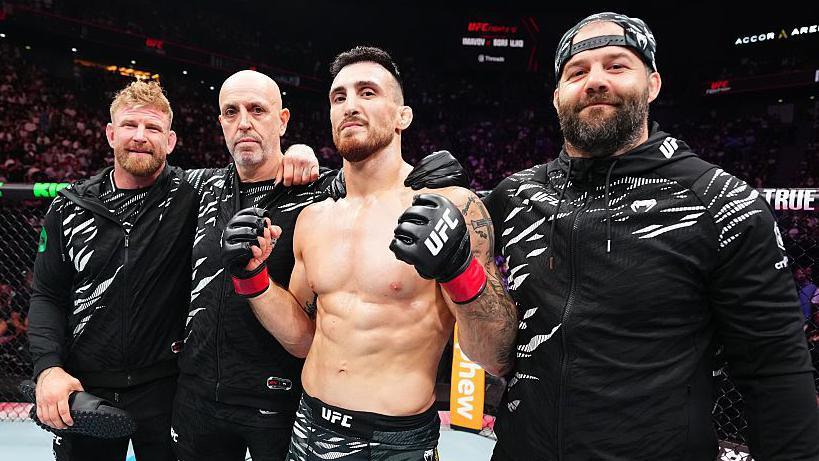
When Modestas Bukauskas was 19, he was staring at wires coming out of his body and trying not to look as doctors operated on his heart.
The fledging athlete would be awake throughout surgery that lasted almost five hours. He had been experiencing heart palpitations since childhood, and they were only worsening as his athletic career blossomed.
Many could have lived with the condition, but Bukauskas was not just anyone.
He was a kid who wanted to make his Lithuanian father proud and become a UFC fighter.
And here he was having the operation he hoped would make that possible.
“It was pretty brutal,” Bukauskas tells BBC Sport.
“I was awake the whole time. They literally had wires going up my groin into my heart and they were trying to induce palpitations.
“Then they had to basically burn off an external circuit in my heart to basically fix my heart.”
The experience fortified Bukauskas. He would push himself to the limit in training, and a two-year spell playing basketball in Louisiana resulted in him being on the verge of fainting during sessions in 40-degree Celsius heat.
He was already a British kickboxing champion by the time he had the heart operation, with the palpitations having had him worried.
“It was very dangerous. I was lucky it never happened in any of my kickboxing fights,” says Bukauskas.
“But I think that was a little starting point as to all the hardships I’d have to go through.
“That was the first steps to being able to overcome anything else that came later on in life.”
As Bukauskas puts it, his “whole life has all been about mental resilience”.
He was born in Lithuania in 1994, four years after the country declared independence from the Soviet Union.
The last Soviet troops only withdrew from Lithuania in 1993.
Bukauskas’ father Gintas relocated his family to the UK, hoping for a “better life”.
Gintas had competed in No Holds Barred competitions in the Soviet Union. They were chaotic events of fights and performing physical feats like breaking bricks with bare hands.
It signalled a love of combat sports but was a world away from what his son experiences in the UFC today.
But it meant that the young Bukauskas was soon marked by the fighting spirit. His “battle-tested” father started training him aged five.
While other children were playing outside, Bukauskas was laying into pads and practising kicks with his father in their living room.
“Essentially we’re living out this dream together,” Bukauskas says, acknowledging his father’s influence.
“I always describe him as the angel on my shoulders.
“In all my fights where I get the finish, he’s always the person that screams what the finish will be.
In his youth, Bukauskas played tennis and basketball, even moving across the world to pursue the latter, but every road led him back to fighting.
Once his heart issue was resolved, Bukauskas focused entirely on mixed martial arts – bar a short side quest aged 24 when he appeared on ITV dating show Take Me Out – and was signed by the UFC with a 10-2 record.
He won his first fight but slipped to three defeats in a row. He blew his knee out in a defeat by Khalil Rountree in 2021.
The UFC cut him afterwards and so began another difficult chapter in the life of the young Bukauskas.
“There was a lot of times just in my room, like within my four walls with my knee in a cast… a lot of times where it was very painful, drinking myself to sleep,” he explains.
Deep down, he knew this was not a sustainable path to sporting success.
“Obviously I’m not proud of that,” Bukauskas says.
“I guess you could say I’ve always been taught in the household to be mentally tough, so I never really looked at it like [I was depressed].
“It was my way of escaping the real world.”
Bukauskas hid the drinking from his father. He spent weeks in a dark place in his mind he had never been to before.
But his father and those closest around him were a constant source of reassurance, and Bukauskas re-emerged stronger.
“You just ride that wave,” he says.
Remarkably, it took Bukauskas only 14 months to recover from his knee woes and earn a spot back in the UFC. He returned in 2023 and has a 6-1 record from seven fights since, including four wins in a row.
“It probably would have broken many people,” Bukauskas says of the injury ordeal.
“Because my whole life people have kind of been shoving me off to the side.
“So I just kept using that as fuel. I’m like, OK, I’m going to show you what’s up.”
Fighting gave Bukauskas the identity he craved.
Russian Krylov, 33, his opponent this weekend, has taken on several of the division’s top fighters.
Facing him is Bukauskas’ chance to fire himself into the UFC’s top 15 rankings for the first time.
“If a top-15 match had come a bit earlier, it might’ve been too soon. So I think everything is playing out exactly how it should,” Bukauskas says.
“I expect this to be the best showing of me in a flow state, me showing exactly what I’m capable of.
“Showing all of my attributes and just let people know who the Baltic Gladiator is.”
Let’s face it, you need a heap of cash to make it as a professional tennis player.
The cost of equipment, coaching and travel is astronomical and it can be difficult to fulfill potential depending on your circumstances.
Growing up in a country ravaged by war only further stacks the odds against you.
After playing in her first Grand Slam main draw at the Australian Open, Ukraine’s Oleksandra Oliynykova laid bare the obstacles she has faced on the way to the top.
The 25-year-old left Ukraine as a child because of her father’s opposition to the country’s pro-Russian president Viktor Yanukovych, but is back living there in spite of the ongoing full-scale invasion by Russia.
Now a top-100 player, it is not so long ago that Oliynykova was eating only sandwiches at tournaments to save money.
Under the omnipresent threat of missiles, Oliynykova had no electricity or water in her Kyiv apartment as she trained for the season-opening major.
“A drone hit the home across the road. My apartment was literally shaking because of the explosion,” she said.
The A$150,000 (£75,757) she earned for her first-round appearance at the Australian Open will help Oliynykova both on and off the court. Helping cash trickle further down the ladder is one of the reasons leading players are campaigning for the Grand Slams to offer more prize money.
“Oliynykova’s story is on another level. It is so inspiring and sad, but I hope every single player listens to it,” Slovakian former world number five Daniela Hantuchova told BBC Sport.
“Players are talking about prize money – when I won my first 25k tournament it was the first time we, as a family, could afford to have pizza with seafood on.
 Getty Images
Damir Dzumhur, a fixture in the men’s top 100 over the past decade, was born in Sarajevo while missiles rained down on the Bosnia-Herzegovina capital in 1992 as the former Yugoslavia dissolved.
Two days after Dzumhur and his mother were collected from the maternity ward, the hospital was bombed.
When Dzumhur was old enough to pick up a racquet, there were very few courts available. Most had been bombed.
“My first steps on the court were in a small school gym, which was used for football and basketball, not tennis,” the world number 66 told BBC Sport.
“They just put the net in the middle and that’s where I started playing.
“I didn’t play on a proper hard court until I was 12 at a junior tournament in France.”
Being born in a country without tennis pedigree means there is usually a lack of financial support from their federation and fewer role models to follow into the game.
Hantuchova believes players who have come from humble beginnings develop a resilience, discipline and mentality that is “not seen that often these days”.
“When I decided I wanted to play tennis, I asked my parents if – one day – I could have a chance of getting a racquet,” said Hantuchova, who describes her Bratislava upbringing as “simple”.
“I knew I had to wait until their monthly salary allowed them to do so.”
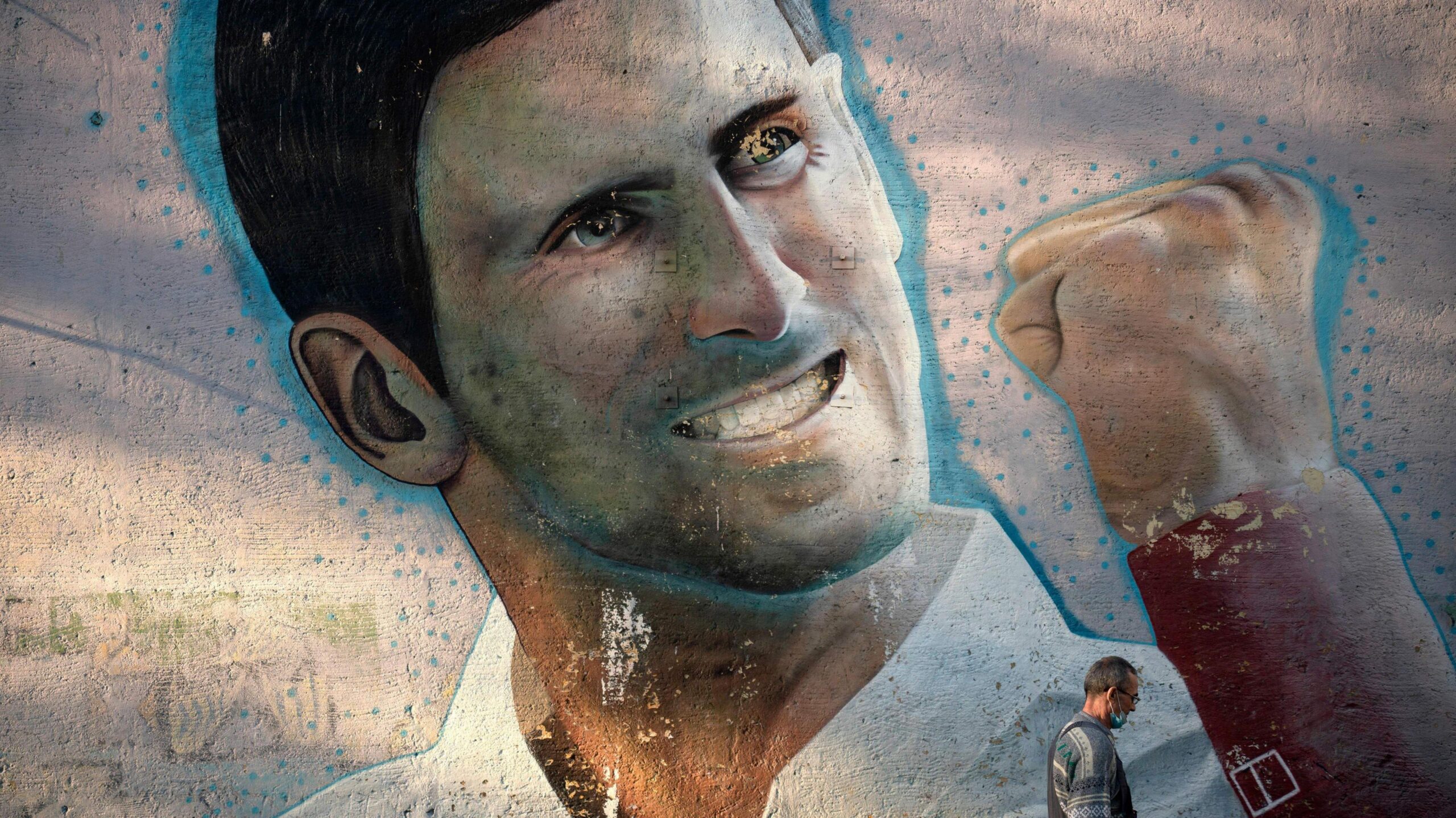
Novak Djokovic, considered by many as the greatest player of all time after winning 24 major titles, has blazed a trail for Serbia.
As a child, Djokovic was forced to take shelter in Belgrade as Nato bombed the Serbian capital between March and June 1999.
“My upbringing during several wars in the 90s was a difficult time,” the 38-year-old said in 2020.
American Frances Tiafoe is another player who built his career from scratch.
The son of parents who fled Sierra Leone’s civil war in the 1990s, Tiafoe used to sleep on the floor at a plush Maryland tennis centre where his father was a janitor.
The two-time US Open semi-finalist stayed there while his mother Alphina worked night shifts as a nurse.
The benefit of Tiafoe’s situation was access to top-quality tuition, while Djokovic is eternally grateful for being nurtured by Jelena Gencic, who ran a tennis camp and developed his talent.
Ukraine’s Elina Svitolina had her potential recognised by businessman Yuriy Sapronov. He sponsored her move to Kharkiv – 420 miles from her home – so she could receive professional coaching as a 12-year-old.
Initially, Sapronov struck a deal to receive a cut of her future earnings, but waived his percentage in exchange for Svitolina becoming an ambassador for his companies.
“I don’t know how my career would have developed without his support, but I’m very thankful to him,” Svitolina added.
“It’s part of tennis life that you need a lot of investment to get results.”
Djokovic and Svitolina have become symbols of their nations, seen by many compatriots as providing a voice for them on the international stage.
They and other players have set up charitable foundations to give something back to the countries and people that shaped them – something particularly welcomed in times of hardship.
“When the war in Ukraine started, setting up a foundation was a natural instinct to help people who are in need,” world number 20 Marta Kostyuk told BBC Sport.
“The focus was kids affected by war, but I realised I can have more impact and make more difference by popularising tennis as a sport and physical activity in Ukraine.

Let’s face it, you need a heap of cash to make it as a professional tennis player.
The cost of equipment, coaching and travel is astronomical and it can be difficult to fulfill potential depending on your circumstances.
Growing up in a country ravaged by war only further stacks the odds against you.
After playing in her first Grand Slam main draw at the Australian Open, Ukraine’s Oleksandra Oliynykova laid bare the obstacles she has faced on the way to the top.
The 25-year-old left Ukraine as a child because of her father’s opposition to the country’s pro-Russian president Viktor Yanukovych, but is back living there in spite of the ongoing full-scale invasion by Russia.
Now a top-100 player, it is not so long ago that Oliynykova was eating only sandwiches at tournaments to save money.
Under the omnipresent threat of missiles, Oliynykova had no electricity or water in her Kyiv apartment as she trained for the season-opening major.
“A drone hit the home across the road. My apartment was literally shaking because of the explosion,” she said.
The A$150,000 (£75,757) she earned for her first-round appearance at the Australian Open will help Oliynykova both on and off the court. Helping cash trickle further down the ladder is one of the reasons leading players are campaigning for the Grand Slams to offer more prize money.
“Oliynykova’s story is on another level. It is so inspiring and sad, but I hope every single player listens to it,” Slovakian former world number five Daniela Hantuchova told BBC Sport.
“Players are talking about prize money – when I won my first 25k tournament it was the first time we, as a family, could afford to have pizza with seafood on.
Getty ImagesDamir Dzumhur, a fixture in the men’s top 100 over the past decade, was born in Sarajevo while missiles rained down on the Bosnia-Herzegovina capital in 1992 as the former Yugoslavia dissolved.
Two days after Dzumhur and his mother were collected from the maternity ward, the hospital was bombed.
When Dzumhur was old enough to pick up a racquet, there were very few courts available. Most had been bombed.
“My first steps on the court were in a small school gym, which was used for football and basketball, not tennis,” the world number 66 told BBC Sport.
“They just put the net in the middle and that’s where I started playing.
“I didn’t play on a proper hard court until I was 12 at a junior tournament in France.”
Being born in a country without tennis pedigree means there is usually a lack of financial support from their federation and fewer role models to follow into the game.
Hantuchova believes players who have come from humble beginnings develop a resilience, discipline and mentality that is “not seen that often these days”.
“When I decided I wanted to play tennis, I asked my parents if – one day – I could have a chance of getting a racquet,” said Hantuchova, who describes her Bratislava upbringing as “simple”.
“I knew I had to wait until their monthly salary allowed them to do so.”
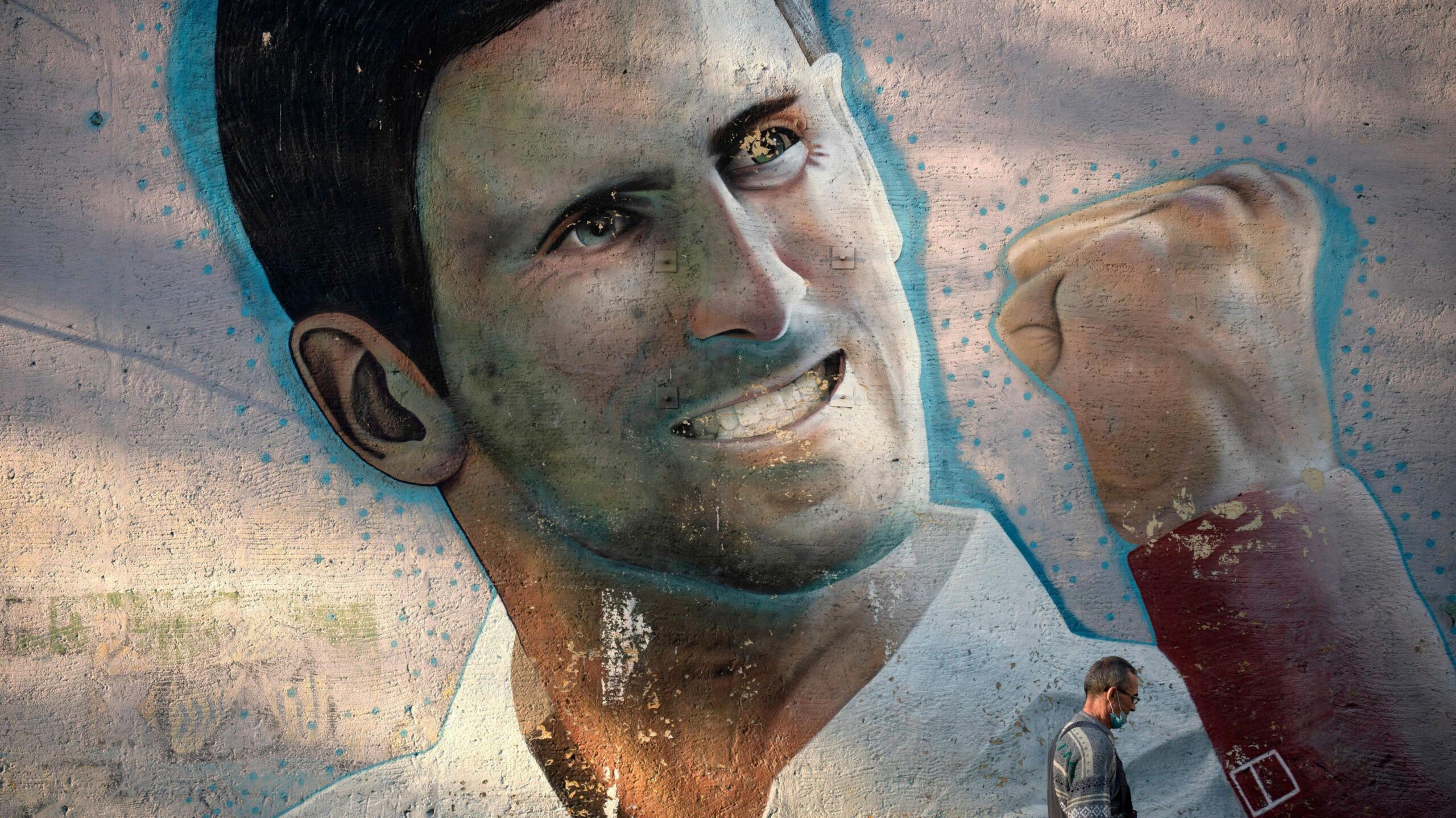
Novak Djokovic, considered by many as the greatest player of all time after winning 24 major titles, has blazed a trail for Serbia.
As a child, Djokovic was forced to take shelter in Belgrade as Nato bombed the Serbian capital between March and June 1999.
“My upbringing during several wars in the 90s was a difficult time,” the 38-year-old said in 2020.
American Frances Tiafoe is another player who built his career from scratch.
The son of parents who fled Sierra Leone’s civil war in the 1990s, Tiafoe used to sleep on the floor at a plush Maryland tennis centre where his father was a janitor.
The two-time US Open semi-finalist stayed there while his mother Alphina worked night shifts as a nurse.
The benefit of Tiafoe’s situation was access to top-quality tuition, while Djokovic is eternally grateful for being nurtured by Jelena Gencic, who ran a tennis camp and developed his talent.
Ukraine’s Elina Svitolina had her potential recognised by businessman Yuriy Sapronov. He sponsored her move to Kharkiv – 420 miles from her home – so she could receive professional coaching as a 12-year-old.
Initially, Sapronov struck a deal to receive a cut of her future earnings, but waived his percentage in exchange for Svitolina becoming an ambassador for his companies.
“I don’t know how my career would have developed without his support, but I’m very thankful to him,” Svitolina added.
“It’s part of tennis life that you need a lot of investment to get results.”
Djokovic and Svitolina have become symbols of their nations, seen by many compatriots as providing a voice for them on the international stage.
They and other players have set up charitable foundations to give something back to the countries and people that shaped them – something particularly welcomed in times of hardship.
“When the war in Ukraine started, setting up a foundation was a natural instinct to help people who are in need,” world number 20 Marta Kostyuk told BBC Sport.
“The focus was kids affected by war, but I realised I can have more impact and make more difference by popularising tennis as a sport and physical activity in Ukraine.