‘No impact’ on Australian GP despite Middle East travel disruption

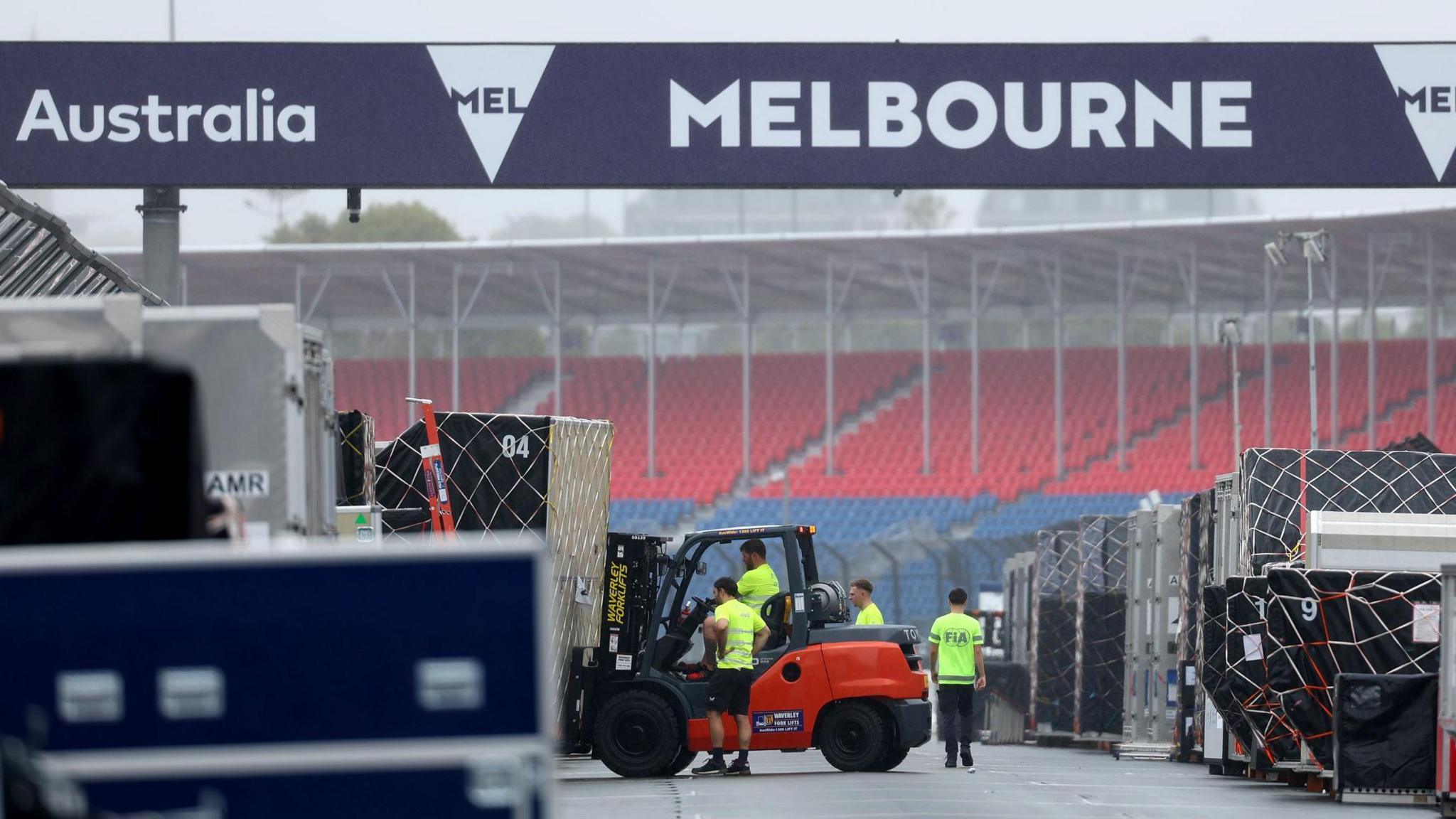
Australian Grand Prix organisers say they are “really confident” the travel chaos caused by the ongoing conflict in the Middle East will not impact the opening race of the Formula 1 season this weekend.

Close to 1,000 members of staff have been forced to rearrange flights, with an estimated 500 of them reportedly set to be flown from Europe on charter planes.

It comes after the US and Israel launched an attack against Iran on Saturday, sparking retaliatory strikes across the region.

F1 also said it was “closely monitoring” the situation, with upcoming races in Bahrain and Saudi Arabia scheduled in April.

Australian Formula 1 chief Travis Auld said on Monday that “everyone will be here ready for the race” as Melbourne prepares to host the 2026 curtain-raiser.

Many drivers and other key personnel based in Europe have had travel plans affected by the major disruption to global air transport, with key routes through Qatar and the United Arab Emirates impacted.

“The last 48 hours have required some reshuffling of flights,” Auld said.

“That is largely Formula 1’s responsibility. They take charge of the teams, drivers and all the personnel that are required here to make this event happen. There’s quite a number of them.

    • 2 hours ago
    • 3 hours ago
    • 1 day ago

Auld told Australian broadcaster Channel Nine that three charter planes would fly an estimated 500 of the near-1,000 affected F1 staff from Europe.

“All the freight is here and ready to go. We’re in a space where we’re really confident there will be no impact,” Auld said.

F1 heads to China and Japan – which are not expected to be impacted – before rounds four and five are scheduled in Bahrain (12 April) and Saudi Arabia (19 April).

An F1 spokesperson said: “Our next three races are in Australia, China and Japan and not in the Middle East – those races are not for a number of weeks.

“As always, we closely monitor any situation like this and work closely with relevant authorities.”

Auld, speaking to Fox Sports, said: “I’m sure [F1] are thinking ahead to what the implications might be.

Related topics

  • Formula 1

More on this story

    • 5 days ago
    Arvid Lindblad
    • 3 days ago
    Valtteri Bottas in a Cadillac ahead of Gabriel Bortoleto in an Audi during F1 pre-season testing in Bahrain
    • 6 days ago
    Fernando Alonso driving the 2026 Aston Martin during testing in Bahrain
    • 4 days ago
    Red Bull's Max Verstappen, McLaren's Lando Norris and Mercedes' George Russell pictured together, with Mercedes' Kimi Antonelli in the background, during pre-season testing in Bahrain
    • 6 days ago
    F1 logo on the back of a mobile phone

What can players and clubs do about ‘AI slop’?

Dale Johnson

Football issues correspondent
  • 32 Comments

You do not have to look far on social media to find images and videos of footballers in unlikely or bizarre situations.

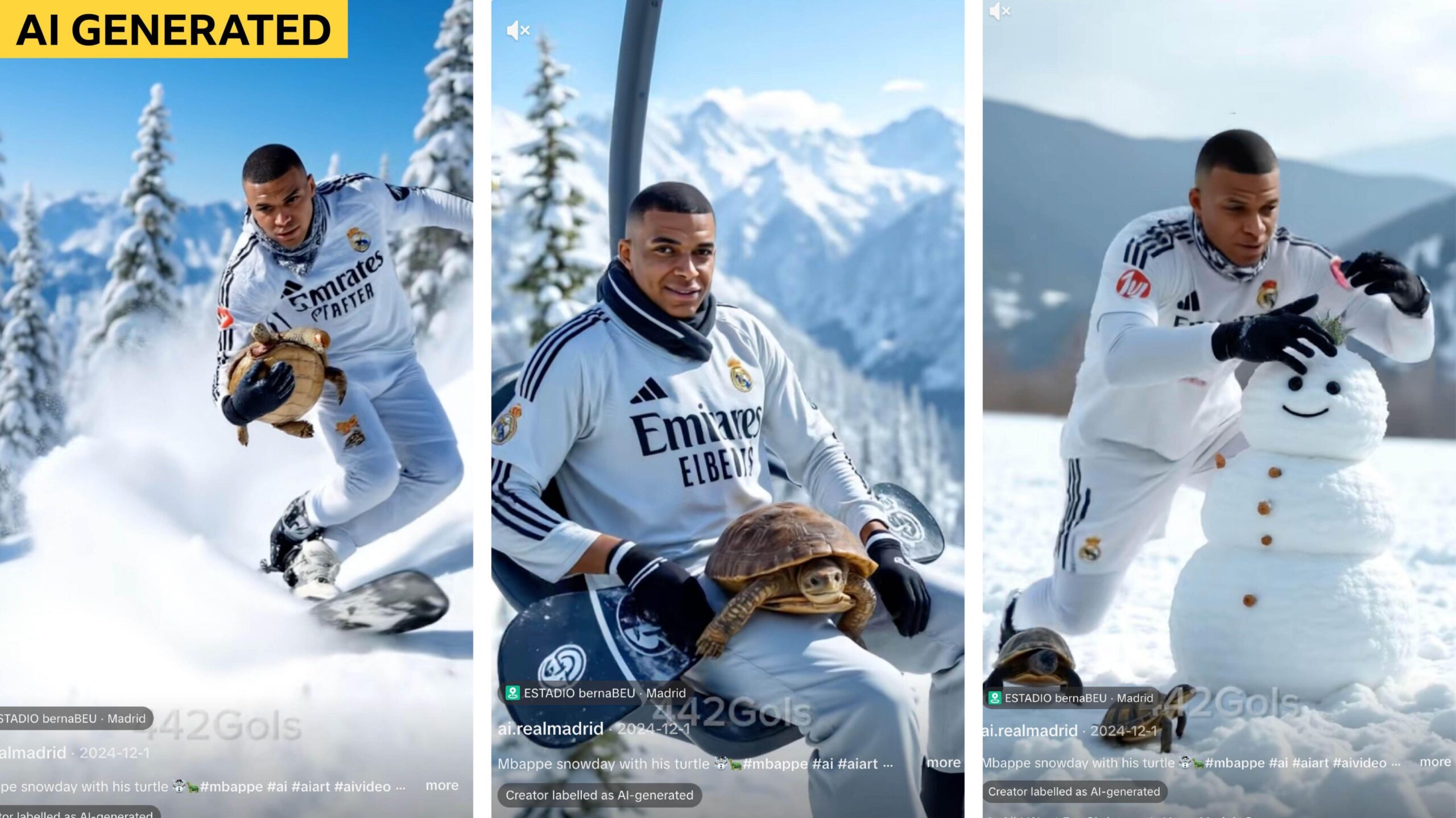
Scroll through TikTok and you may soon stumble across Lionel Messi and Cristiano Ronaldo cutting each other’s hair, or boarding the Titanic in Edwardian dress. You might even see Kylian Mbappe on a ski-lift with a turtle.

This is the result of the exponential growth of artificial intelligence (AI). Or, more precisely, AI ‘slop’.

AI can be asked to deliver pretty much anything. By anyone. The tools are becoming ever more sophisticated and easily accessible.

It will become even harder to spot what is real and what is, in AI terms, deepfake.

It may seem, for the most part, like harmless fun. After all, who really thinks Messi and Ronaldo have been serving burgers?

Options are limited for players to take action

AI-generated images

As football has become a commercial juggernaut, players and clubs have had to learn how to look after their brands.

That could be by protecting the club crest or challenging the use of a player’s name in unauthorised promotional material.

Take Chelsea midfielder Cole Palmer, who has trademarked the term ‘Cold Palmer’ with the UK government’s Intellectual Property Office. The 23-year-old did the same with his name, autograph and signature ‘shivering’ celebration.

Creating protections is one thing. Being able to tackle this new AI world of relentless content is another.

In the UK there is limited legislation covering someone’s likeness. Or, as it is called in football, image rights.

Jonty Cowan, legal director at law firm Wiggin LLP, told BBC Sport that AI was presenting “lots of novel challenges”.

“Various governments around the world are trying to figure out… how do we react to AI?” said Cowan.

AI is being used to put players into real-life scenarios, as well as those more obviously fake.

Take the unveilings of Antoine Semenyo and Marc Guehi by Manchester City in January.

The club’s official photographs show each player with director of football Hugo Viana. Yet before those pictures had even been taken, you could find AI images of Semenyo and Guehi signing a contract alongside manager Pep Guardiola.

There was another of Semenyo being greeted at the training centre by former player Yaya Toure, whose old squad number – 42 – he was expected to take.

None of these events happened, but it was impossible to tell the pictures were fake.

An AI-generated image of Michael Carrick cutting Frank Ilett's hair

Once again, it did not happen but looks so realistic.

And Cowan said it was difficult for there to be any recourse when content is presented “in a non-contentious manner”.

Unless a person has suffered commercial or reputational damage, options are limited.

“It’s always been quite challenging for an individual to enforce IP rights,” Cowan said. “If it is a deepfake that is showing them in a compromising position, let’s say, that’s different.”

The Data (Use and Access) Act came into force last month, making it a criminal offence to create, share or request a sexually explicit deepfake.

But then you have AI-generated videos such as Celtic’s Luke McCowan punching an assistant referee. Could it damage his reputation, or is it just not believeable?

A more pressing concern for players might be ‘passing off’. This is where someone unfairly associates their own products or services with the reputation and goodwill of an established brand or business – or player.

It is intended to mislead consumers into believing they connected to it – to the detriment of the established brand.

Cowan explained that in December 2024, as part of an AI-related consultation, the UK government said it was considering “introducing some kind of personality right”.

That would give a player more scope to take action.

Clubs, for their part, have a few more options open to them.

Social media accounts putting players in the shirts of their new team – or any team – is nothing new.

But what if a club wanted to take issue?

“Where you’ve got, for example, the Man City kit they could look at other IP rights,” Cowan said.

“Have they infringed the trademark in their crest? Or design rights in their shirt? For that kind of image, that’s what a club or an individual would likely be looking at.”

BBC Sport understands City believe fans know official channels remain the only places to go for any genuine news, images or videos.

Tackling platforms more realistic than court action

An AI-generated image of David Beckham in an England kit

While clubs and players might consider taking the creators of AI images to court, it is a long and costly fight.

Cowan says there is a quicker and cheaper route: challenge the platforms directly.

“The Online Safety Act has been introduced in the UK recently, and that is putting an obligation on platforms to tackle illegal content,” he added.

“It may well be that we will see more mechanisms that platforms will introduce to have that content taken down. Often, that is the easiest and quickest way to tackle these images.”

This could lead to a growth in companies looking after the digital rights of clubs and players.

Those that already exist scrape websites and apps – using AI, of course – to identify where a company’s intellectual property or a person’s image might have been used.

Bad actors may use AI for nefarious means

AI presents opportunities as well as problems. Adverts and promotional material can be created without players even needing to leave their homes.

But alongside the genuine AI-generated adverts, it is easy for unauthorised parties to take a player’s likeness and use it to promote their business.

Last year the oversight board that runs Meta’s appeals process banned an advert for a gambling app on Facebook that was created using AI.

It featured a manipulated video of former Brazil striker Ronaldo which imitated his voice. It was not picked up by Meta’s automated detection tools.

Meta was told to create “easily identifiable indicators that distinguish AI content” to prevent “significant amounts of scam content”.

It was a prime example of a platform being challenged and forced to act.

The Football Association has had to tackle controversy, too.

England head coach Gareth Southgate was targeted during Euro 2024. Fake AI-generated interviews showed Southgate making derogatory remarks about his players.

The videos were reported and taken down. They were found to have breached TikTok’s AI-generated policy, which forbids content that “falsely shows public figures in certain contexts”.

Should users be forced to say they have used AI?

Scrolling through apps today, it is rare for anyone to indicate AI has been used.

That is even with TikTok’s community guidelines asking users to “label realistic AI-generated content” and banning content considered to “harmfully mislead or impersonate others”.

Cowan believes there is unlikely to be any major change to legislation, but platforms could be given tougher rules.

“There are transparency requirements under the EU AI Act,” Cowan explained, with the act not covering the UK.

“Under advertising regulations, influencers have to disclose where a video they produce has been sponsored.

“I suspect we may end up with similar transparency requirements. A little ‘#AI generated’ or similar label in the corner.”

The problem will be whether creators care, and how easy enforcement is for platforms.

Cowan added: “If you’ve got those egregious videos, where someone’s putting out a hideous deepfake, they’re not going to worry about adding that label.”

For now, at least, it seems clubs are not too concerned – that AI is just something happening on social media.

A graphic that reads AI Unpacked: Artificial intelligence week

Related topics

  • Football

More on this story

    • 17 October 2025
    A graphic of Premier League players from every team in the division in 2025-26 season, with the Premier League trophy in front of them.
    • 16 August 2025
    BBC Sport microphone and phone

New era of Formula 1 – what is changing in 2026?

Lorraine McKenna

BBC Sport Journalist
  • 92 Comments

The 2026 Formula 1 season is almost here and there are plenty of changes for fans to get used to at the first race in Australia.

Will ‘ridiculously complex’ rules be a hit?

F1 is stepping into the unknown with some of the biggest rule changes the sport has ever seen, with the power unit, chassis, tyres and fuel all new for 2026.

Cars are now smaller and more environmentally friendly, with engines that have a near 50-50 split between electric and internal combustion power – and use fully sustainable fuels.

However, there is concern within F1 about the degree of energy management required, and how that will affect driving styles during qualifying and races.

The drag reduction system (DRS) has been replaced with overtake mode, which gives drivers a burst of extra electric energy when they are within one second of the car ahead at a detection point, typically the final corner.

DRS no longer exists because of active aero, which allows both the rear and front wings to adjust angles on the straights to reduce drag and to increase downforce in the corners.

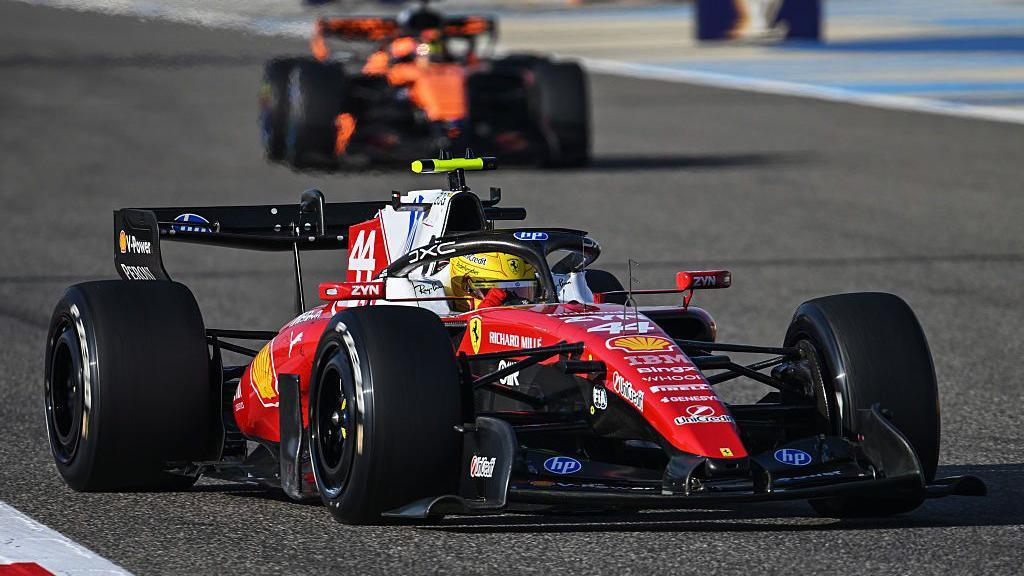
During the second week of pre-season testing, Ferrari turned heads with their rotating ‘upside down’ rear wing when the car’s straight-line mode was activated.

Opinions were mixed on the new cars and regulations over the six days of testing in Bahrain.

    • 30 minutes ago
    • 17 December 2025

Brit Lindblad the only rookie

To play this video you need to enable JavaScript in your browser.

British teenager Arvid Lindblad is the sole rookie driver this year and is partnering Liam Lawson at Racing Bulls.

The 18-year-old, who has a Swedish father and a mother of Indian descent, entered the record books last year when he became the youngest winner in Formula 2 history, aged 17 years and 243 days.

Barcelona v Madrid – F1 El Clasico

F1 gets its own version of ‘El Clasico’ this season as Barcelona will be joined by Madrid in hosting races in Spain.

The Spanish Grand Prix will now be held in the Spanish capital from 11-13 September at the Madring, a new purpose-built, 22-corner track which uses both public roads and private land.

Hadjar accepts Red Bull second seat challenge

Isack Hadjar walks in the Bahrain paddock with new team-mate Max VerstappenGetty Images

Isack Hadjar has been handed a promotion for 2026 following the departure of Yuki Tsunoda and will partner four-time world champion Verstappen at Red Bull.

The 21-year-old Frenchman spent his rookie season at sister team Racing Bulls and gained his maiden podium – a third place at the Dutch Grand Prix.

Hadjar’s first target will be to get close enough to Verstappen in order to share the points load with the Dutchman.

The last time Verstappen was beaten by a team-mate was at the Azerbaijan Grand Prix in April 2023, when Sergio Perez claimed victory and he finished runner-up.

Since then, however, the struggles of the second seat driver have persisted, and Perez eventually left the team at the end of 2024.

Last year, Lawson was given a chance to shine but the New Zealander was dropped back down to Racing Bulls after only two races and was swapped with Tsunoda.

Cadillac boost grid from 10 teams to 11

Sergio Perez jumps out of the Cadillac after stopping on track in testingGetty Images

F1 welcomes its first start-up entry on to the grid since Haas 10 years ago with the arrival of fellow American team Cadillac.

Opting for the experience of Mexican Perez and former Mercedes driver Valtteri Bottas – both multiple grands prix winners – Cadillac, who are using a Ferrari power unit, had a mixed pre-season testing, with a few issues here and there that kept both drivers sat in the garage.

Team principal Graeme Lowdon, though, says fans should not read too much into testing, as he is “extremely happy with the team [and] very, very happy with the platform that we’re building”.

Audi are also newcomers in 2026, making their debut in the sport having acquired the Swiss-based Sauber team.

The German outfit have decided not to play it safe in their first campaign and have designed and built an in-house power unit.

    • 3 days ago

Can Aston Martin and Honda iron out issues?

Lance Stroll sits in the Aston Martin car without his race helmetGetty Images

Aston Martin are at the beginning of their new works partnership with Honda, so maybe a few teething problems were to be expected. However, the team’s running in Bahrain was a disappointment from start to finish.

The power unit by the Japanese manufacturer suffered with reliability issues and on the final day of action, the team called time on their programme after only six laps for Lance Stroll – a lack of engine parts curtailing their data gathering following Fernando Alonso’s battery-related problem the day before.

Silverstone hosts first sprint since 2021

The British Grand Prix has been chosen as one of the six tracks to host a sprint event this season, marking Silverstone’s return to the shorter race format for the first time since its introduction in 2021.

The Chinese and Miami Grands Prix are back for a third consecutive year, while Canada, Zandvoort in the Netherlands and Singapore are holding a sprint race for the first time.

This year is the Dutch Grand Prix’s swansong in Formula 1 following its comeback in 2021 after a 36-year absence.

Related topics

  • Formula 1

More on this story

    • 5 days ago
    Arvid Lindblad
    • 1 day ago
    Lewis Hamilton, wearing his red Ferrari suit and Lando Norris, wearing his papaya Mclaren suit, pose during the F1 2026 photocall in Bahrain
    • 4 days ago
    Red Bull's Max Verstappen, McLaren's Lando Norris and Mercedes' George Russell pictured together, with Mercedes' Kimi Antonelli in the background, during pre-season testing in Bahrain
    • 6 days ago
    Fernando Alonso driving the 2026 Aston Martin during testing in Bahrain
    • 6 days ago
    F1 logo on the back of a mobile phone

‘There were tears – but I had to peek behind curtain of head injuries in rugby’

Ben Youngs

Former England scrum-half

I could not hold it together any more. I had to step away.

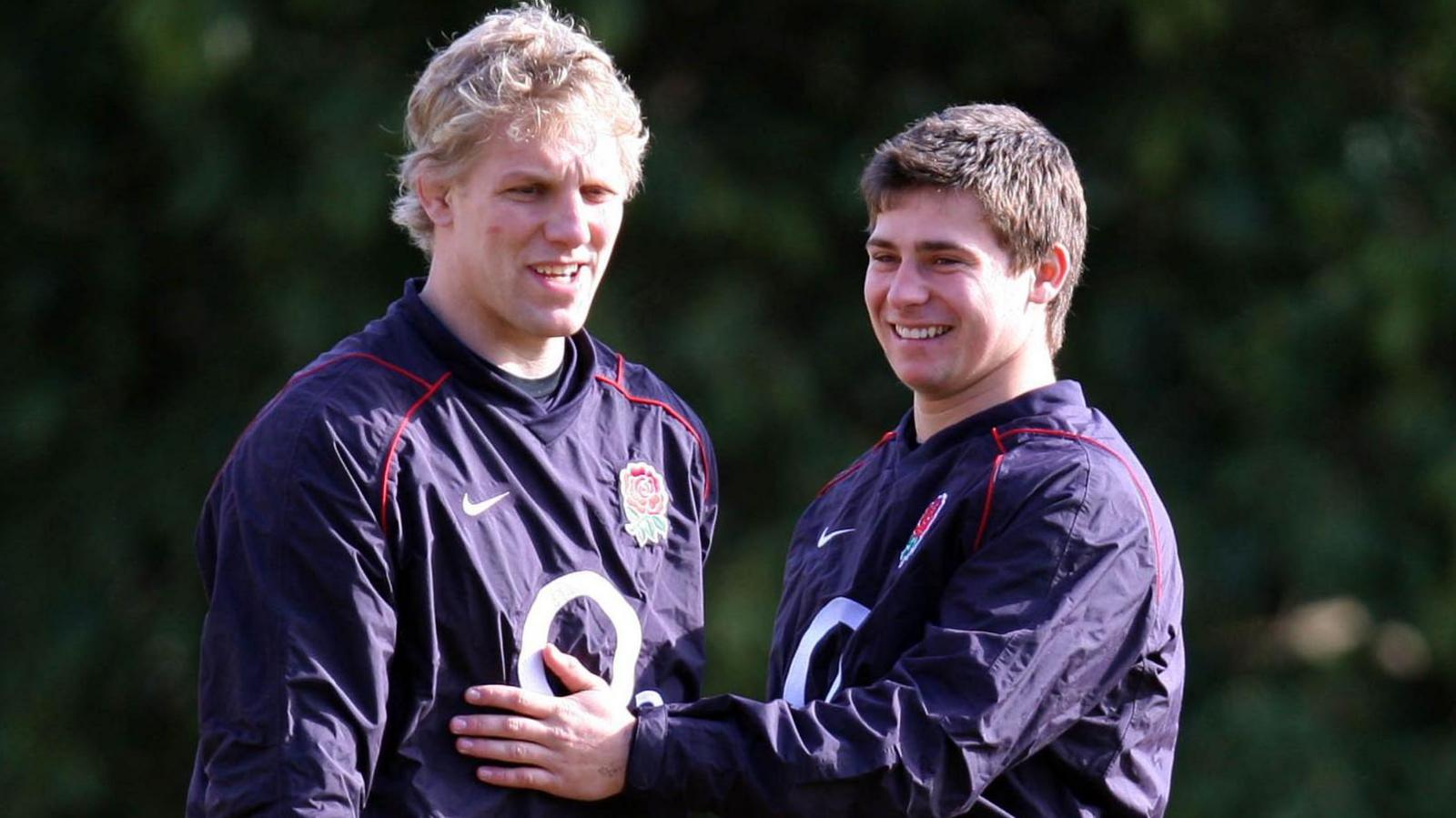
As I made my way down the stand, tears streamed down my face. I took a moment to look over the pitch, took a deep breath, and returned to give my former England and Leicester Tigers team-mate Lewis Moody a big hug.

As tough as it was discussing his diagnosis of motor neurone disease (MND), what set us both off was talking about the sport we love – rugby.

Despite a number of high-profile former rugby players having had the disease, there is no scientific evidence definitively linking MND with repeated concussion. Even if there was, Moody – nicknamed ‘Mad Dog’ in the Tigers dressing room – has no regrets about the hard-hitting way he played our wonderful game.

Rugby is beautiful but also brutal, and with that comes the risk of head injury.

I started wondering, is the game ‘Mad Dog’ and I played at the highest level really that safe? Is the game I take my young son Boris to play every Sunday really that safe?

Ben Youngs Investigates: How Safe Is Rugby?

Watch on iPlayer

When I first got the call about taking part in the BBC documentary – Ben Youngs Investigates: How Safe Is Rugby? – I was sceptical and worried about what I might find out.

Concussion, long-term health issues, former players struggling – those stories have dominated the conversation around my sport.

I want more people playing rugby, rather than being scared to take the field.

But the more I thought about it, the more I realised this was an opportunity to peek behind the curtain and find out what rugby is doing to combat head injuries.

My career started in an era when there was no such thing as an on-field head injury assessment – if you went off, you were letting your team down.

It ended at a time when Ireland’s Garry Ringrose pulled himself out of a 2025 British and Irish Lions Test – which would have been one of the biggest matches of his life – because of concussion symptoms.

My former England team-mate Anthony Watson revealed to me in the documentary he cheated the head injury assessment (HIA) system – by learning the five words he knew he would be asked to repeat – to return to the field in the second Lions Test in 2017.

When my former team-mate Tom Croft asked if I would have pulled out of the 2019 Rugby World Cup final if I had felt concussion symptoms, I was honest and said no.

That was the biggest game I ever played, and I still stand by the statement that I would have dealt with the consequences afterwards.

    • 17 minutes ago

To play this video you need to enable JavaScript in your browser.

‘I would not let my children play rugby’ – Thompson

Moody and Ant had no regrets, but I also caught up with another former team-mate and World Cup winner Steve Thompson, who has early onset dementia.

I loved playing with Steve, as he was one of the senior players who took me under his wing at the 2011 World Cup.

‘Tommo’ – a hard-nosed hooker – did not feel protected during his career, and I was shocked to hear how brutal training sessions were in the early days of professionalism, which was before my time.

They were doing two training sessions a day, hitting up to 100 live scrums at times. Concussion was not recognised, and players would be moved to the side if they were knocked out.

A regular comment from players and coaches would be: “It is all right – he is just having a little sleep.”

‘Tommo’ is part of a concussion lawsuit against the sport’s authorities, who deny liability, and was clear he would not let his children play, as he feels the game is still not safe despite the various measures that have been introduced because players are now bigger, faster and stronger at all levels.

The fact he would swap a World Cup – which he cannot even remember winning – to have worked on a building site reflects his current thoughts on the game.

During the interview he often lost his train of thought and opened up about experiencing suicidal thoughts.

I struggled after the interview to come to terms with it all – it was like someone had replaced the guy I played with.

To play this video you need to enable JavaScript in your browser.

A culture shift – how the past informs the present

Truthfully, my meeting with Lindsay Starling – the science and medical manager for World Rugby – surprised me.

The past has led us to where we are now and, despite being a former player, I was not aware of the level of detail that has gone into head-injury studies.

So much investment has been made into making the game safer, and things like the introduction of smart mouthguards – and an independent doctor at matches to oversee head injury assessments – now take the decision away from the player about whether they should continue playing.

My professional career spanned from 2007 to 2025, while Thompson and Moody retired in 2011 and 2012. I am incredibly grateful I was around when the full HIA protocol was introduced in 2015.

The experiences of my generation – for example England World Cup winner Kat Merchant telling me how she ended up cowering in a dark room because of the impact of bright lights and loud sounds on her head after multiple concussions – remains important in keeping the conversation going about safety.

Seeing the science behind why and how certain calls are made – like when Starling talked me through how the smart mouthguard works to alert the pitchside doctor of the need for an HIA – improved my understanding, and I am passionate about increasing awareness around head injuries and symptoms.

I have also seen first-hand how this has trickled down to grassroots. As I stood with my dad and brother Tom – both former England players – watching one of my son Boris’ matches, we saw one of his team-mates coming off the field for an HIA.

To play this video you need to enable JavaScript in your browser.

I want brain testing to be the norm

The Rugby Football Union (RFU) has a free brain test available to any retired elite English player.

I would have gone if I felt any symptoms after my playing career, but I never did.

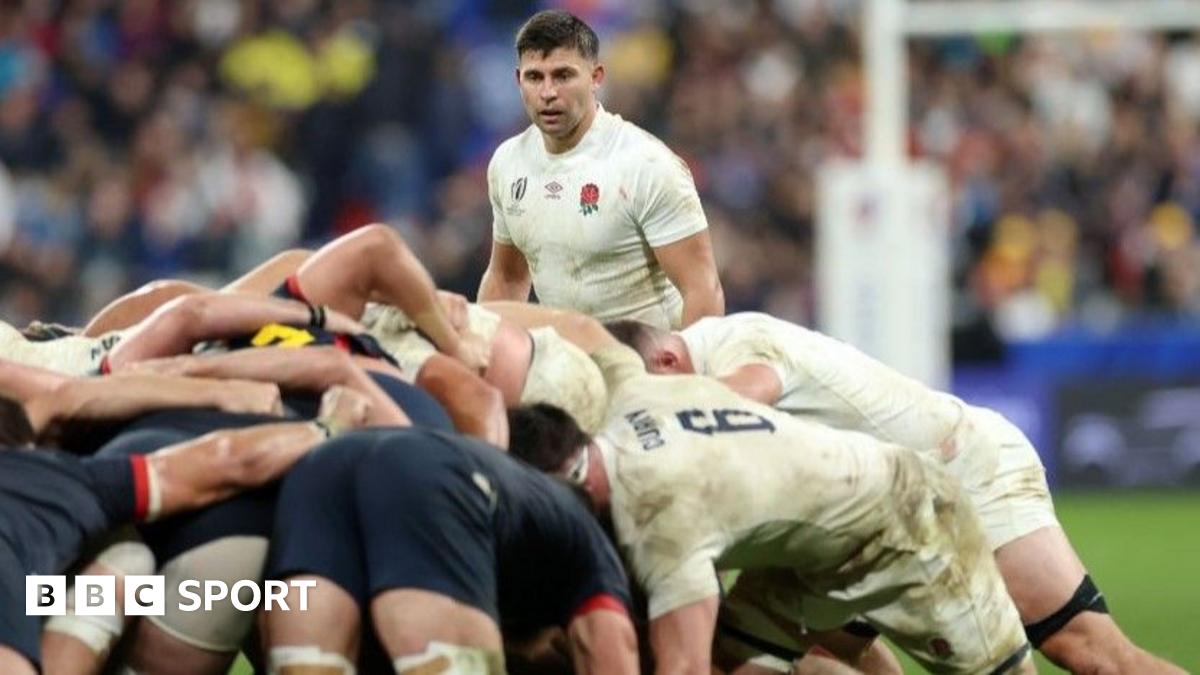
Deep down, I felt that I had been protected and that I was going to be OK. As a scrum-half, I played in a position that involved the least amount of contact.

The documentary was the reason I went for a brain test, but ultimately it was not just about me as I want to make it the norm for other former players to follow.

My brother Tom, who I played with during my professional career, is a perfect example of someone who should consider being tested, as he played in the front row.

Lying under the MRI scanner and having my brain scanned brought nerves I was not expecting.

No matter the growth and investment, there is always a risk in playing a contact sport.

I was so glad to be calling my family to tell them that my results were clear.

When you are living your dream, you do not tend to take a step back from the sport you love to consider how safe it really is.

Having done all this, rugby has surpassed my interpretation of how much is going on.

The sport really is pioneering in the way it is trying to look after players and do as much research as possible.

It has also learnt from previous mistakes in terms of reducing contact in training and improving the HIA protocol, which is simply now too hard to cheat as the words are constantly changing.

Going forward, we need to be looking at things like reducing the length of the season and further cuts to the amount of contact in training, and we will also always need to tread carefully between player responsibility and safety protocols.

To play this video you need to enable JavaScript in your browser.

Related topics

  • Insight: In-depth stories from the world of sport
  • Rugby Union

‘I knew the risks, I’d do it again’ – Moody opens up in new BBC documentary

To play this video you need to enable JavaScript in your browser.

Nine seconds of silence.

After Ben Youngs asks whether Lewis Moody ever saw a risk to playing rugby, his former team-mate takes his time before beginning his answer.

There is a lot to consider.

Moody played alongside Youngs at the highest level. He won 71 caps for England. He toured with the British and Irish Lions. He won domestic and European titles as part of a notoriously hard-edged Leicester team.

Through it all, Moody was famed for his full-throttle commitment. His disregard for pain and his endless appetite for collisions and close-quarters combat earned him the nickname ‘Mad Dog’.

In his playing days, the only risk Moody seemed to be concerned with was that some ounce of effort would be left unspent in pursuit of victory.

Looking back, the 47-year-old says it wasn’t that simple.

“I do think I was very aware of the risks rugby presented, when you go and smash yourself into another human being week in week out, day in day out,” Moody tells a new BBC documentary – Ben Youngs Investigates: How Safe Is Rugby?

“I think I was acutely aware of the risks that come with injury and concussion, but I was happy that the reward and the joy of playing the sport far outweighed any of those.

“I enjoyed what I did so much that I was prepared to put up with that, and I would do again. I loved it… I absolutely loved it.”

Last year, Moody was diagnosed with motor neurone disease (MND) – a degenerative muscle-wasting condition.

Several rugby players have had the same news.

Rugby league legend Rob Burrow died in June 2024. Scotland international Doddie Weir and former Springbok Joost van der Westhuizen also died with the condition.

Ed Slater, whose career at Leicester overlapped with Moody’s by a season, retired from playing in July 2022 after tests showed he too had MND.

There is no proven link between rugby of either code and MND, though elite athletes in general are disproportionally affected by the condition.

It is thought low levels of oxygen in the body during intense exercise damage motor neurone cells, triggering the disease in those who are susceptible either though genetics or environmental factors.

Despite that, Moody recognises rugby has become linked with MND in much of the public’s mind.

“I don’t get frustrated by it,” he says.

“It is an easy assumption to make, because you have had a couple of high-profile rugby players with MND, that playing rugby makes you more likely to get MND. But that is not the truth.

Ben Youngs Investigates: How Safe Is Rugby?

Watch on iPlayer

Moody retired from rugby 14 years ago. It was a very different game then.

In September 2007, Moody faced Tonga in a must-win Rugby World Cup pool-stage match for England.

Less than two minutes in, attempting to charge down a kick, his head was rocked back by the opposition fly-half’s knee. Moody sprawled still on the turf, his arms limp by his side.

A medic ran on, helped Moody into a sitting position, gave him a sip of water, a sponge to the back of the neck and a pat on the back before the flanker gingerly got to his feet to cheers from the crowd.

Shortly after half-time, Moody was caught heavy and high as opposite number Nili Latu jumped into a tackle. The slow-motion big-screen replay, showed Moody’s head rocked back by the impact, drawing winces and groans from fans inside Parc des Princes in Paris.

Moody lay on his side, eyes shut, slumped on the turf. The referee awarded a penalty and gave Latu a gentle ticking-off. Moody eventually got up and played on once again.

A day later, England had a day off. Against the advice of the team doctor, Moody joined his team-mates on a day out at EuroDisney.

“I went on some ride – I think it was called the Black Hole – and as soon as it started, my head was ringing,” remembers Moody.

    • 11 minutes ago

It was a realisation the game was waking up to, as well.

Unlike with MND, there is a proven link between repeated blows to the head and brain injury.

Five years after Moody’s match against Tonga, American Football’s National Football League agreed a compensation settlement with former players for concussion-related brain injuries.

Payments in the years since have exceeded a billion dollars.

A group of former rugby players are in the process of taking their own legal action against the game’s authorities, claiming more should have been done to protect them.

Elite rugby now has arguably the most stringent measures around concussion.

Head contact is rigorously policed. The tackle height has been lowered. Players are sent off for tackles that would barely have raised an eyebrow, never mind a red card, a generation ago.

High-tech mouthguards measure the impact of each collision, triggering touchline alerts if thresholds are exceeded. Independent matchday doctors review collisions on monitors. Stand-down periods for any player with a concussion are mandatory and guided by medical experts.

“I think the game now is safer than it’s ever been,” adds Moody, who was cleared of early onset dementia when he took part in a study at University of Edinburgh.

But he has seen close up what his fellow World Cup winner Steve Thompson has gone through. Thompson, 47, has early onset dementia and is part of that legal action against the game’s authorities.

“I roomed with ‘Thommo’ for years, and I’ve seen him and spent time with him since, and he’s genuinely struggling,” says Moody.

“I’m glad those studies exist because there are plenty of lads that are struggling and do need support.

“The whole concussion campaign and movement at the time was really important in highlighting that there is a challenge and a problem that we have been ignoring for a long time.

To play this video you need to enable JavaScript in your browser.

Moody says, since going public with his diagnosis in an interview with BBC Breakfast in October, he has been learning to live with the uncertainty over his future and the development of his own case of MND

“Without getting too ‘woo woo’, there is a Buddhist saying on a podcast that ‘yesterday’s dead, tomorrow isn’t born, there is only today’,” he says.

“That helped me simplify how life with MND continues because there is no certainty around what the future looks like.

“I’ve met people that have been living with it for 12 years, 15 years and I’ve also met people who have it for six months and it’s really aggressive.

“Everything that I’ve experienced so far and have been told is that mine is slow-progressing. For me, it’s about being as normal as possible until things aren’t normal. And then it’s readjusting to that new normal.

“That may sound really difficult for people to understand, but it’s how I simplify living with it. It’s how I deal with it now and it’s good now, so that’s all that matters.”

Moody is also ready to start using his platform to raise awareness of MND, like Burrow, Weir and Slater have done, though has yet to announce what shape that might take.

“Doddie and Rob came into the MND world with far less information and not much hope,” Moody said. “I come in now because of those guys and I have almost been handed the baton, almost like ‘here you go’.

“I have been in conversation with Ed. With the messaging and awareness, I feel in a unique position where I can piggyback off the work they have all done and impact going forward in that MND space.

“I want to use my platform for as big an impact as I can.

Related topics

  • England Rugby Union
  • Rugby Union

More on this story

Wales boss Wilkinson to continue rotating keepers

Gareth Vincent

BBC Sport Wales

Rhian Wilkinson intends to continue rotating her goalkeepers during Wales’ Women’s World Cup qualifying campaign.

Wales kick off their bid to reach the 2027 World Cup in Brazil when they face the Czech Republic at the City Stadium in Uherske Hradiste on Tuesday.

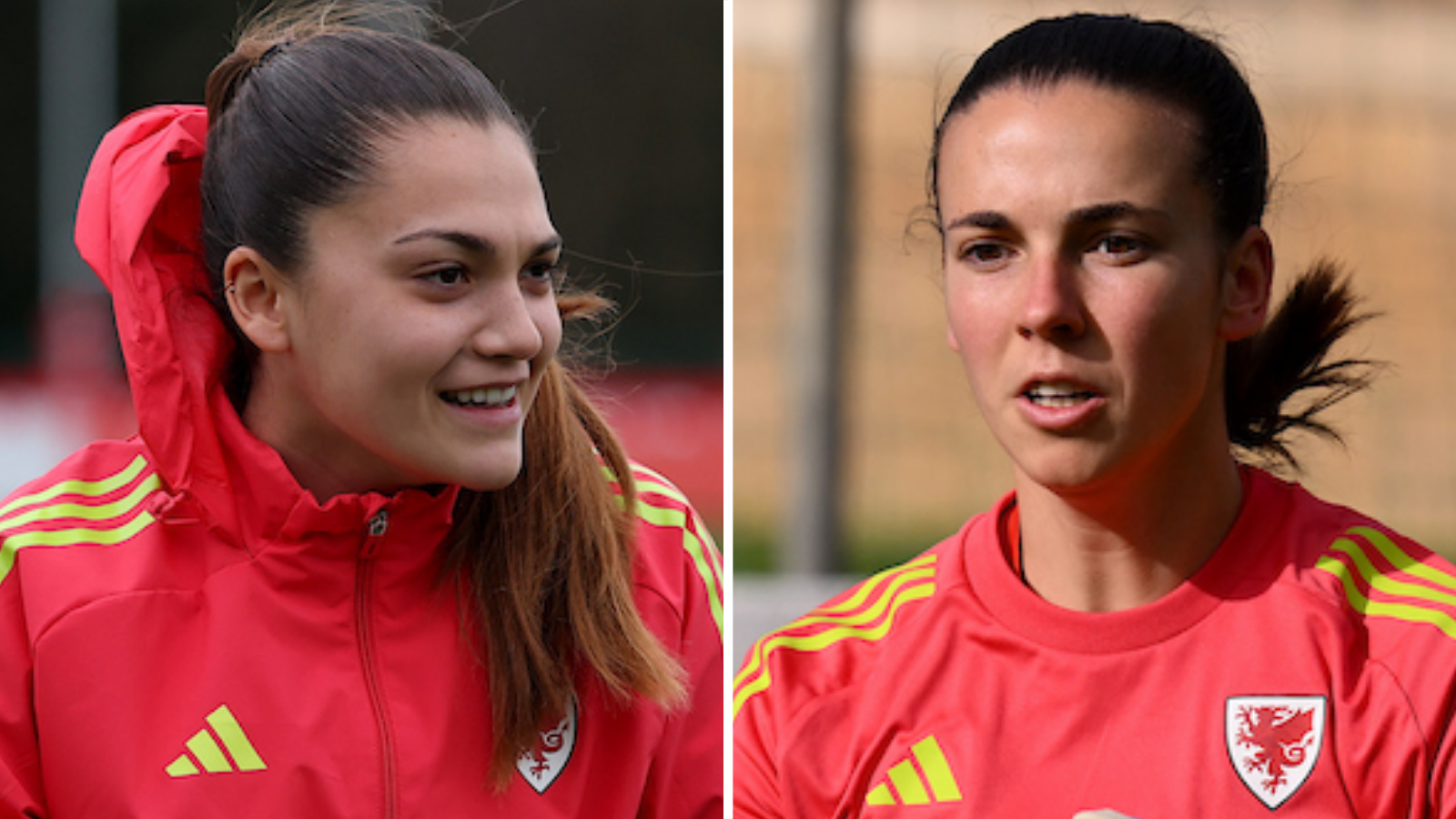
Wilkinson has regularly switched between her two frontline keepers, Olivia Clark and Safia Middleton-Patel, during her time as Wales head coach and says that approach will continue.

“Both of them have performed for Wales but I don’t feel either of them really grabbed the jersey yet and so I try not to make it [so] that it’s a combative environment,” Wilkinson said.

“They know before they come in which games they’re going to be playing, so I try to tell them that you have just got to perform in your game.

Czech Republic v Wales

Women’s World Cup qualifying

Tuesday, 3 March at 17:30 GMT

Watch on iPlayerListen on Sounds

Leicester City’s Clark, 24, has had more experience at both club and international level than 21-year-old Middleton-Patel, of Manchester United.

Rugby Borough’s Poppy Soper is also in the current Wales squad, but Clark and Middleton-Patel have shared goalkeeping duties since Wilkinson took charge two years ago.

    • 3 days ago
    • 6 January

At last summer’s European Championship, Clark started two of Wales’ games with Middleton-Patel playing in the other.

It is Clark who has had more opportunities to impress overall, with the former FC Twente player starting 18 of Wilkinson’s 24 games as Wales boss and Middleton-Patel beginning in the other six.

The frustration for Wilkinson is that neither player is a regular at club level.

“Liv’s got a few starts, Saf’s got a few starts. It’s a problem I know with the men’s team as well,” she added.

“Both of them have had moments with their clubs, but we do not have solid starters.”

Related topics

  • Wales Women’s Football Team
  • Football
  • Women’s Football