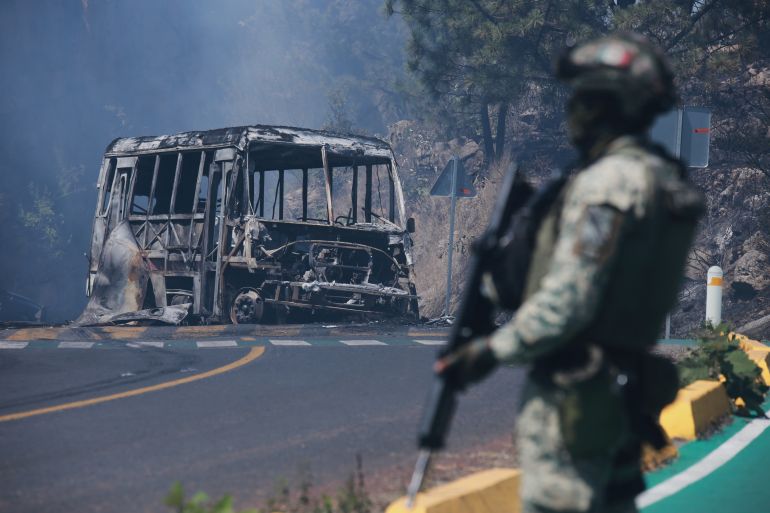
Cardiff coach Van Zyl holds talks with Benetton

Chris Kirwan

BBC Sport Wales
  • 1 Comments

Cardiff coach Corniel van Zyl has confirmed he has held talks with Benetton about a return to Treviso – but stresses he would like to stay at the Arms Park.

The South African has been calling the shots for Cardiff in 2025-26 after Matt Sherratt left on the eve of the season for a job with Wales.

United Rugby Championship (URC) rivals Benetton are in the market for a new head coach for next season because Calum MacRae is leaving for family reasons.

It is reported Van Zyl, who played for the Italians, has been interviewed for the top job along with former Springboks boss Jake White.

“It’s probably not true that I have had an interview with them but I have had conversations with people at the club,” said Van Zyl, who is under contract for another season in his official Cardiff role as forwards coach.

“It’s not my decision to stay on in the future and ultimately you need to look after yourself and your family.

    • 6 hours ago
    • 21 hours ago
    • 2 days ago

Van Zyl spent eight seasons as a player at Benetton and won eight caps for Italy after qualifying on residency, featuring at the 2011 World Cup.

He went on to cut his coaching teeth with South African side Cheetahs before moving to Ealing Trailfinders and then to the Arms Park in 2024.

Van Zyl – who has never publicly been given the official title of interim head coach – has led the Blue and Blacks to fifth in the URC.

Along with being in a strong position to make the play-offs, Cardiff also qualified for the knockout stages of the Challenge Cup – and will travel to Benetton in the last 16 on 4 April.

They have enjoyed a strong campaign despite the uncertainty in Welsh rugby, with the prospect of the four professional clubs being cut to three.

Cardiff are at the centre of that after being taken over by the Welsh Rugby Union (WRU) after going into administration in April 2025.

Cardiff boosted by Wales trio for Leinster

Ben Thomas carries the ball for Wales against EnglandHuw Evans Picture Agency

Cardiff play one of their three remaining home fixtures of the regular season when hosting Leinster on Friday (19:00 GMT).

They are boosted by the availability of wing Mason Grady, centre Ben Thomas and captain and hooker Liam Belcher after they were released by Wales for game time ahead of the Six Nations fixtures with Ireland and Italy.

Grady came off the bench against England and France while Thomas and Belcher featured as replacements at Allianz Stadium in Twickenham.

Cardiff also have a large contingent with Wales Under-20s and may call on the services of wing Tom Bowen, due to the absence of Josh Adams because of Test duty and Iwan Stephens through injury.

Bowen, who has scored seven tries for his club this season, started in the first three rounds of the junior Six Nations.

Related topics

  • Welsh Rugby
  • Cardiff
  • Rugby Union

External Reserves Rise To $50.45bn, Highest In 13 Years — Cardoso

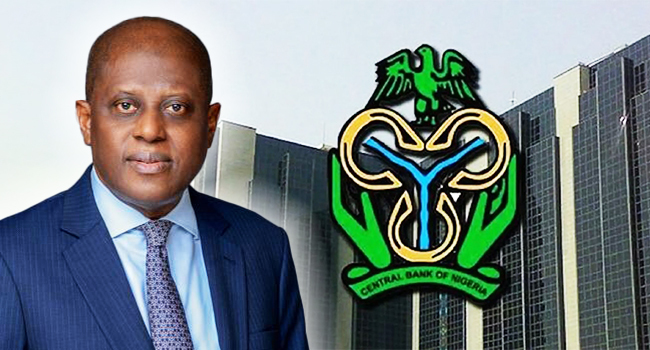
Nigeria’s gross external reserves climbed to $50.45 billion as of 16 February 2026, marking the highest level in 13 years, according to the Governor of the Central Bank of Nigeria, Olayemi Cardoso.

Cardoso disclosed this on Tuesday while addressing journalists at the end of the 304th Monetary Policy Committee (MPC) meeting held in Abuja.

He said the increase reflects stronger macroeconomic conditions and improved confidence in the country’s policy direction.

“Gross external reserves rose significantly to 50.45 billion dollars as of February 16, 2026, the highest in 13 years. This provides an import cover of 9.68 months for goods and services,” Cardoso stated.


Drivers 

Providing further insight, the governor attributed the rise to favourable trade dynamics, a surplus current account position, and growth in non-oil exports.

Cardoso noted that market confidence played a central role.

“The gross reserves are the largest that we have had in the last 13 years. We have seen very positive signals with respect to the way the macro is developing, favourable trade developments, the current account is in healthy surplus, and non-oil exports have also gone up.

“Underpinning all these, quite frankly, is market confidence. Without market confidence, no matter what you do, you will find significantly sub-optimised outcomes.

“Over time, we have embarked on a number of international fora where we told our story, made promises, and ensured we stuck to those promises. We have been as open and transparent as possible to engender positive market sentiment, and I believe that has paid off,” he stated.

Sustainability, Risks

On the sustainability of the reserves, Cardoso cautioned that external and domestic risks remain, including global shocks, oil price volatility, and fiscal pressures.

“On how sustainable, there will always be risks to any outlook. We cannot underestimate potential global shocks that could come our way. Nobody has a crystal ball; we can only project into the future. Oil prices and how they play out are factors we can only forecast.

“Importantly, pre-election spending, if not properly contained, could destabilise the stability we have accomplished, as well as fiscal deficits. We are in a new year, and that is being looked at carefully. On our side, we must ensure consistency in policy formulation and avoid policy somersaults,” he said.

Inflation
FILES: CBN Governor, Olayemi Cardoso

The apex bank had earlier projected that reserves could rise to about $51.04 billion by the end of 2026.

This is the strongest balance since May 2013, when reserves stood at approximately $48.51 billion.

The reserves ended 2025 at roughly $45.5 billion (up from $40.8 billion at the start of that year) and have maintained a steady upward trajectory throughout early 2026.

Meanwhile, the Central Bank of Nigeria (CBN) has projected that reserves could reach $51 billion by the end of 2026.

Interest Rate

At the event, Cardoso announced that the MPC reduced the Monetary Policy Rate (MPR) by 50 basis points to 26.50 per cent from 27 per cent, with all committee members voting unanimously.

“The committee decided to reduce the monetary policy rate by 50 basis points to 26.50 per cent,” he said.

The MPC also “retained the liquidity ratio at 30 per cent, adjusted the standing facilities corridor to +50/-450 basis points around the MPR, maintained the Cash Reserve Ratio at 45 per cent for commercial banks and 16 per cent for merchant banks, kept the 75 per cent CRR on non-TSA public sector deposits.”

Cardoso explained that the policy decision followed a balanced assessment of risks, with inflation continuing on a downward path.

“The decision was premised on a balanced evaluation of risks to the outlook, which suggests that the ongoing disinflation trajectory would continue, supported by the lagged transmission of previous tightening, sustained exchange rate stability, and improved food supply.

The committee noted the sustained deceleration in year-on-year headline inflation in January 2026, marking the 11th consecutive month of decline,” he added.

Why Champions League return is crucial to Man Utd

Simon Stone

Manchester United reporter
  • 22 Comments

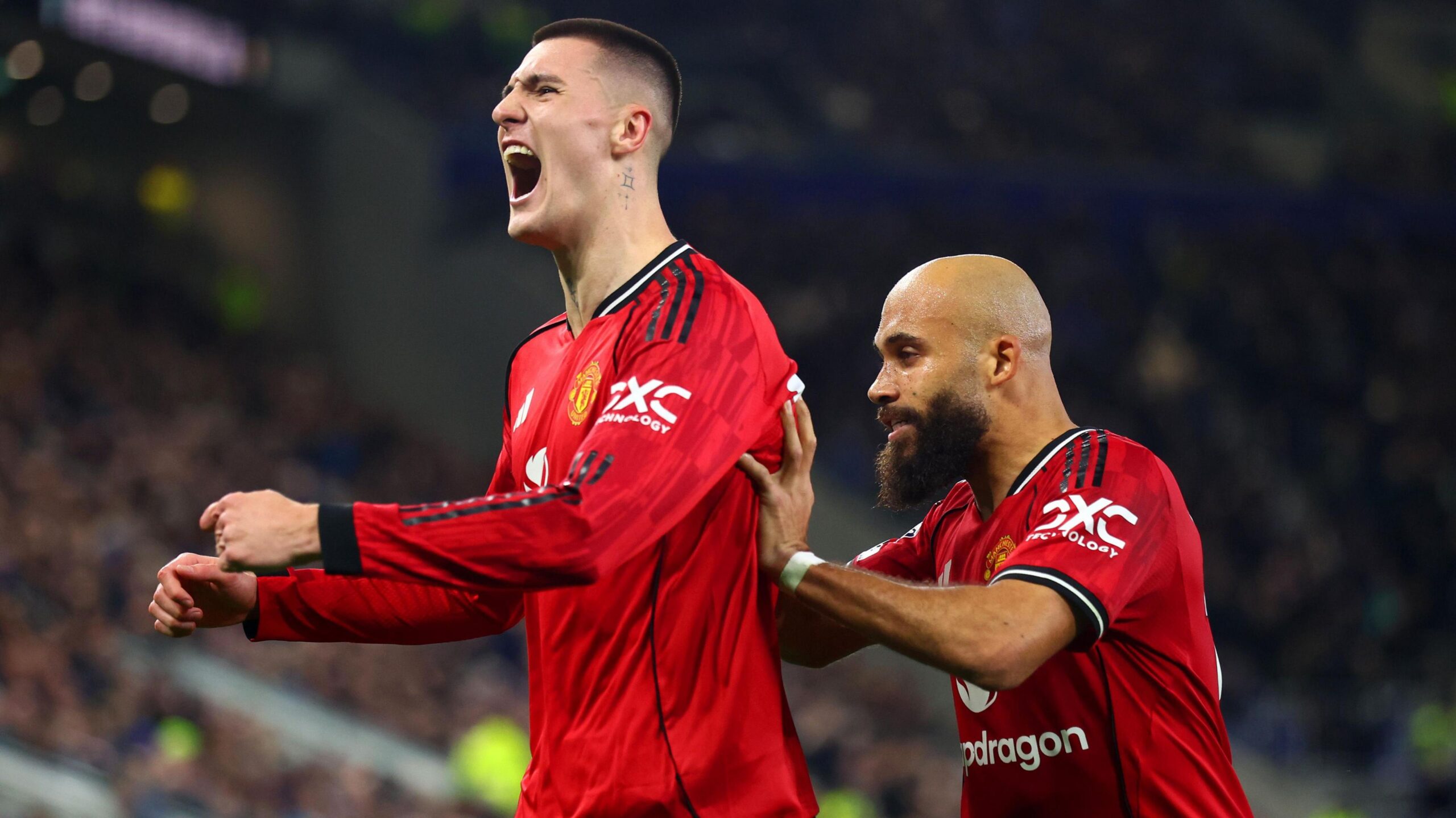
As Manchester United’s powerbrokers assessed the wreckage from a catastrophic 2024-25 campaign and tried to plot a way forward for the Old Trafford club, they had some targets to aim for.

Year one – secure an immediate return to Europe, probably in the Europa League, via a sixth-placed Premier League finish.

Year two – back in the Champions League, with fourth seen as a realistic finishing spot for the 2026-27 campaign.

The determination was clear, the rationale obvious.

Thanks to two rounds of redundancies, cost-cutting in most departments and more scrutiny on the spending that does take place, Sir Jim Ratcliffe and his management team have succeeded in substantially reducing the club’s losses, from the eye-watering £113.2m to a £13m profit in its first quarter accounts to 30 September, 2025.

Finishing sixth in the Premier League this season compared to 15th last term would just about cover the revenue hit for missing out on Europe for only the second time since the ban on English clubs participating was lifted by Uefa in 1990.

But the cash injection that comes through Champions League qualification is there for all to see.

On Wednesday, United will release their second quarter financial results to 31 December 2025. In their first quarter results, overall revenue for the 2025-26 financial year was predicted to be between £640m and £660m.

Had a Europa League campaign been included in that, there would be an anticipated increase of between £10m and £35m, depending on performance. For the Champions League, the figures would be £50m as a minimum and potentially more than £100m.

It is why United believe if they follow the desired path, their overall revenues could be more than £800m by 2028.

    • 15 hours ago
Manchester United before their last Champions League game, against Bayern Munich in December 2023Getty Images

Under their new shirt sponsorship agreement with Adidas, United lose £10m for each season they do not compete in the Champions League. They have never gone three years without competing in it since the tournament was launched in 1992.

On 4 October, before a 2-0 home win against Sunderland, the club’s chances of a top-five finish were the lowest this season. Stats experts Opta rated their chances of a top-four finish at 3.1% – and 5.8% to make the top five.

When Ruben Amorim was sacked on 5 January after the 1-1 draw at Leeds – either the third match in a current 10-game unbeaten run in the league or the middle result in a sequence of three successive draws against relegation candidates depending on how you view these things – the numbers had risen slightly to 5.9% and 15.7% respectively.

Fast forward to the aftermath of their first outing at Hill Dickinson Stadium, and after five wins out of six under interim boss Michael Carrick, it now stands at 44.2% and 72.0%.

With English clubs so far ahead in the battle to get one of the extra two Champions League slots – after last week’s play-off first-leg ties Portuguese clubs were effectively 13 wins behind, Germany 16, Italy 19 and Spain 22 – it is virtually certain already fifth will be enough.

Carrick will not see it like this of course with 11 games left to play.

But from their current position, three points behind third-placed Aston Villa with a slightly better goal difference, and three ahead of both Chelsea – who visit leaders Arsenal on Sunday – and Liverpool, plus no European distractions, Sky Sports pundit Jamie Carragher got it right in his assessment of the situation.

“Manchester United are now virtually guaranteed for one of the Champions League places,” said the former Liverpool and England defender. “I can’t see them not making it.”

‘Completing the job is the task now’

Carrick has also made a compelling case for getting the manager’s job on a full-time basis, especially as a couple of the more experienced, successful and Premier League-ready alternatives Thomas Tuchel and Carlo Ancelotti have committed themselves to their international jobs at England and Brazil beyond the summer.

Roberto de Zerbi has been sacked by Marseille, while Oliver Glasner might well suffer the same fate at Crystal Palace before he leaves when his contract expires in the summer. Their credentials wouldn’t look quite so attractive against Carrick’s if he did get United back into Europe’s elite club competition.

They would also be a more attractive proposition commercially.

At a time when questions are starting to be asked about the club’s ability to do deals and the lack of a training ground or kit sponsor, that is quite important.

In addition, although it is some way in the future, if United’s new stadium plans eventually proceed, funding will be based around a significant percentage of expensive ‘premium’ seats.

While club officials have stressed no decisions around ticket prices have been taken, a document sent to season ticket holders in October placed indicative prices at £4,830 for season tickets on the lower tier of the stand opposite the dugouts, with hospitality prices rising to £424,800 for a 16-seat large private box in the middle tier of the main stand, level with the halfway line.

Clearly, supporters are more likely to be willing to pay such figures if they were watching a team competing for major trophies, something that has not happened since Sir Alex Ferguson retired in 2013.

The club’s huge debt, way in excess of £1bn including outstanding transfer fee payments, might at least not need to be increased too.

Over the past six weeks, Carrick has repeatedly stressed he is not getting carried away by his side’s impressive form. After the Everton win, a question was put to him about the triumph providing belief around Champions League qualification on a weekend when Villa and Chelsea both drew at home and Liverpool needed an injury-time winner at Nottingham Forest.

Carrick’s answer bore no relation to the core point he was being asked. There is logic behind this. Results can change narratives very quickly in football.

When he took over at Middlesbrough in 2022, Carrick won 15 of his first 20 league games, then only three of the next 12. A potential automatic promotion place turned into a play-off meeting with Coventry, which Middlesbrough lost. They never got as close to promotion again under the former England midfielder.

Related topics

  • Manchester United
  • UEFA Champions League
  • Football

More on this story

  • Manchester United bench
  • Ask Me Anything logo

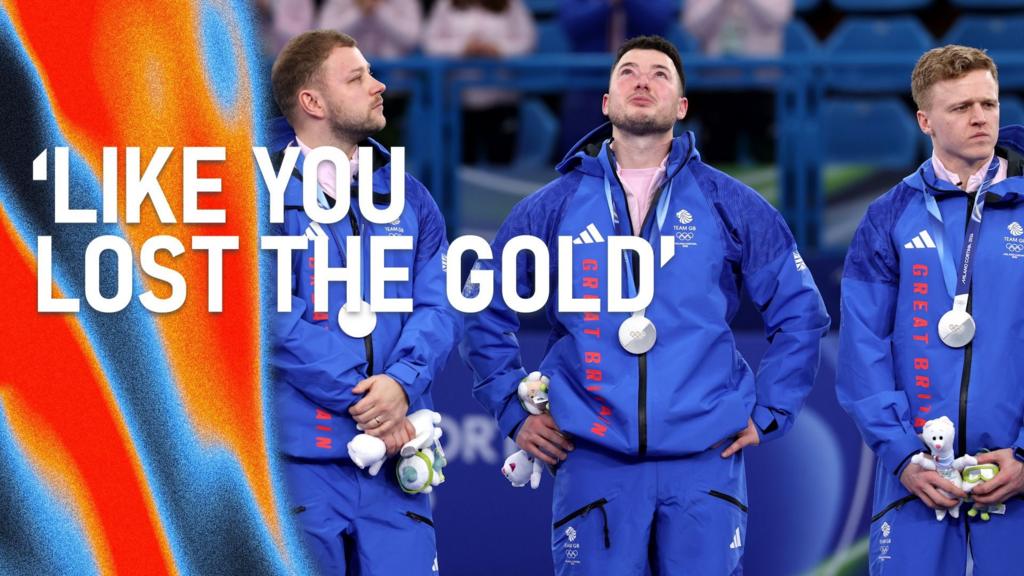
Team GB’s curlers discuss winning silver on BBC Breakfast

Team GB’s silver medal-winning curling team could go for gold at the 2030 Winter Olympics in France but will “sit down in the summer” before making a decision.

They spoke to BBC Breakfast about the disappointment of losing to Canada in Sunday’s final.

Three myths about the Russia economic war

Four years after Russia’s full-scale invasion of Ukraine, the devastation wrought by the Kremlin’s drones, infantry, missiles and armour continues to be matched by economic destruction. This is a cost borne mostly by Ukraine: The World Bank now estimates the cost of reconstruction, were the war to end today, is now $588bn, nearly three times the country’s GDP.

Simultaneous to the fighting in Ukraine itself, the economic war between Russia and the West rages on. But that battlefield has shifted far more sharply than the one in southern and eastern Ukraine has over the past year. With a war of attrition being waged on the ground, how the geo-economic battleground plays out from here may well prove more important in determining how the conflict is ultimately settled.

The nature of the changes in both sides’ economic fighting conditions, however, is obscured by a dense fog of war. This is compounded by the fact that most participants in this economic conflict are increasingly happy to obscure the state of the geo-economics at play, and to let narratives play out that are more rooted in propaganda and politics than fact. To understand where the war is headed, it could help to bust three myths about Russia’s current state of economic affairs and Western capabilities.

The first is that the economic cost Russia has borne is manageable. The Kremlin may appear willing to wage the war no matter the cost to its coffers and people, but that does not mean that doing so is not devastating its economy.

As a result of the 2022 invasion, the Kremlin has lost what was its largest gas export market: Europe. Before the war, Russia sold roughly 150 billion cubic metres (bcm) of gas to the EU annually; that number is down to 38 bcm. Based on the recent prices for European gas futures, every billion cubic metres is worth more than 300 million euros ($353m), meaning Russia is losing out on as much as 34 billion euros ($40bn) annually. That sum will increase next year when EU countries will phase out completely Russian gas imports.

Approximately $335bn in Russian sovereign assets remain frozen worldwide as well. Although the Kremlin has launched repeated legal challenges to the underpinning sanctions to scare off Ukraine’s backers from harnessing these in its defence, reading between the lines of recent Russian offers in negotiations indicates the Kremlin acknowledges a large portion thereof will never be recovered.

The Kremlin has also acknowledged that its remaining domestic piggy bank, the National Wealth Fund, is running dry, and with withdrawals at a record pace at the beginning of the year could even be spent by year’s end, barring a sustained uptick in oil prices.

The sole area of the economy that is performing well is that connected to the military and defence production, but sustained high borrowing costs and the decline in employable Russians due to war losses and recruitment mean that the Russian economy continues to bleed, too.

The second myth that must be dispelled is that the US has lost interest in fighting the economic war against Russia.

President Donald Trump may be making offers for Russian-American cooperation if a ceasefire and potential settlement to the conflict are reached, but it is still maintaining the sanctions.

In fact, his administration’s punitive economic measures are bringing real additional pain to the Kremlin in its sole remaining other major export market: oil.

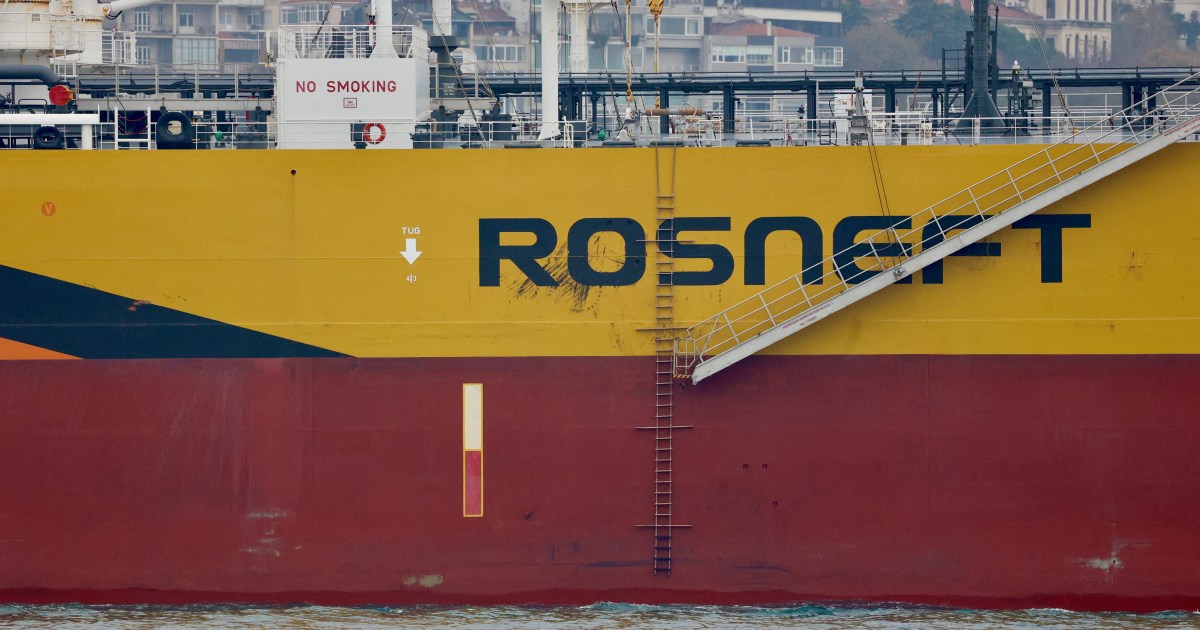
Since Washington imposed sweeping sanctions on Russia’s two largest oil companies, Rosneft and Lukoil, in October, early signs suggest the measures are beginning to disrupt the Kremlin’s ability to place barrels on global markets.

The restrictions blacklisted firms responsible for a large share of Russian crude exports and deterred banks, traders and refiners from participating in deals, particularly in Asia. The Trump administration may lag well behind Europe in imposing sanctions on Russia’s shadow fleet, but it has outpaced Europe in targeting Iran’s, meaning there are more “black” barrels in the market than before.

The result has been a growing pool of oil in search of buyers. Cargoes have accumulated, with tens of millions of barrels stranded in storage or on tankers without firm destinations as refiners hesitate to risk sanctions exposure. The emerging pattern suggests sanctions are not stopping exports outright, but forcing a slower and less certain trade in which Russian crude must hunt for buyers – and offer increasingly sharp discounts.

Therefore, even as the geopolitical risk premium driven by Trump’s threat to strike Iran has seen the benchmark Brent oil price reach more than $70 per barrel, Russia has had to offer discounts of as much as $30 per barrel to secure buyers.

This is not only a US story. Even in India, where Washington has openly negotiated on tariffs in exchange for decreasing Russian oil purchases, European sanctions have helped heap on the pressure. Brussels significantly sharpened its “anti-circumvention measures” over the past year, going as far as to target refineries in both China and India.

In the latter case, the country’s second-largest refinery, Vadinar, which is part-owned by Rosneft, has been blacklisted since the middle of last year.

Europe is currently preparing its 20th sanctions package and has proposed going further still, including with an outright ban on providing any support for the trading of Russian crude. That process, however, as well as the crucial 90-billion-euro ($106bn) loan that Brussels agreed to provide Kyiv in December, has been delayed by the latest round of intra-EU squabbling, after Hungary extended its veto on the eve of the invasion’s anniversary.

And therein lies the third myth due for dispelling in relation to the ongoing economic war: Europe must be prepared to pay for assistance to Kyiv from its own coffers. The EU does have a viable alternative: Russia’s frozen assets.

In fact, the 90-billion-euro loan plan was itself thrown together at the last minute in December, after the bloc failed to unite on a plan to harness these assets, the lion’s share of which is firmly under EU jurisdiction. Negotiations failed last year, but that does not mean they cannot be revisited.

With Russia-US-Ukraine diplomatic negotiations making no discernible progress, and both sides girding for fighting to continue unabated into a fifth year, the economic war is set to trundle on, as well.

To threaten a real collapse of the Russian economy and force Moscow to make concessions on ending the war, the West must take steps it has been unable to so far. The alternative is far worse: striking a deal on the Kremlin’s terms that may encourage future aggression.
The killing of Mexican drug lord El Mencho: How it unfolded

Mexican forces killed Nemesio Oseguera Cervantes, known as “El Mencho”, the leader of the Jalisco New Generation Cartel (JNGC), in a high-risk operation in the western state of Jalisco on Sunday.

Security forces tracked El Mencho, one of the United States’s most wanted fugitives, to a property in the mountain town of Tapalpa, central-western Mexico, after receiving intelligence linked to a close associate.

Recommended Stories

list of 3 itemsend of list

Troops launched a predawn raid on Sunday, triggering hours of gun battles and a wave of violence across several states.

The killing marks the most significant blow against organised crime since Mexican and US authorities recaptured Joaquin Guzman, known as “El Chapo”, nearly a decade ago.

Here is what we know about how the operation to capture El Mencho unfolded on Sunday.

Who was El Mencho?

El Mencho, 59, was believed to be a former police officer. He was from Michoacan, western Mexico, and built a vast criminal enterprise over more than 30 years.

US authorities convicted him of heroin trafficking in the mid-1990s, and he served a prison sentence in the US before returning to Mexico, where he rose rapidly within the drug underworld.

Around 2009, he founded the JNGC, which expanded rapidly to become one of Mexico’s most powerful and violent cartels.

The group trafficked cocaine, methamphetamine and fentanyl to the United States and smuggled migrants northwards.

It also earned notoriety for deploying military-style tactics, including armed drones and improvised explosive devices, and for launching direct assaults on security forces.

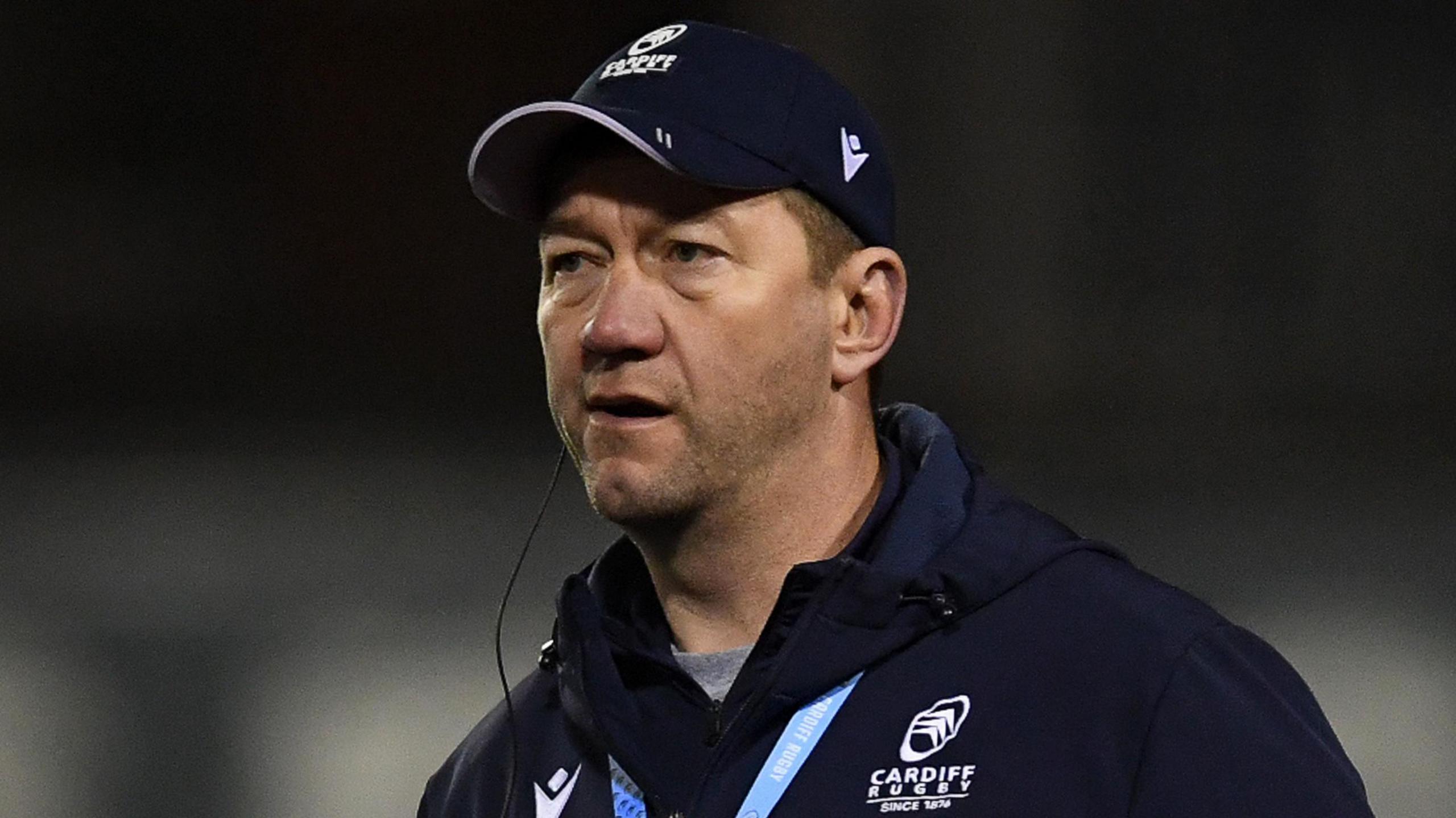
A soldier stands guard by a charred vehicle after it was set on fire, in Cointzio, Michoacán state, Mexico, Sunday, Feb. 22, 2026, following the death of the leader of the Jalisco New Generation Cartel, Nemesio Oseguera, known as "El Mencho." (AP Photo/Armando Solis)
A soldier stands guard by a charred vehicle after it was set on fire, in Cointzio, Michoacán state, Mexico, Sunday, February 22, 2026, following the death of the leader of Nemesio Oseguera, known as ‘El Mencho’ [AP Photo/Armando Solis]

How did the operation unfold?

On February 20, acting on new intelligence from an associate of one of El Mencho’s romantic partners, Mexican authorities began surrounding the site in Tapalpa where El Mencho was believed to be hiding.

Special forces, backed by the National Guard, military aircraft and helicopters, sealed off the area before dawn on February 22.

Cartel gunmen opened fire as soldiers advanced. Security forces returned fire, killing several suspected CJNG members. El Mencho and members of his inner circle fled to a nearby wooded cabin complex, where a second firefight erupted.

Soldiers eventually found a wounded El Mencho alongside two bodyguards. The authorities airlifted him to a medical facility, but he died during the flight.

A US defence official told Reuters that a US military-led intelligence task force focusing on drug cartels had supported the operation.

National Guard members patrol the area outside the General Prosecutor's headquarters in Mexico City
National Guards patrol the area outside of the General Prosecutor’s headquarters in Mexico City, Sunday, February 22, 2026 [Ginette Riquelme/AP]

What happened in the aftermath of the operation?

The raid set off an immediate response from cartel bosses. The defence ministry identified a senior JNGC figure known as “El Tuli”, El Mencho’s right-hand man and a top financial operator within the cartel, as the organiser of coordinated attacks in Jalisco.

Mexican authorities said he orchestrated roadblocks, arson attacks and assaults on government facilities, and offered a bounty of 20,000 pesos ($1,100) for the killing of each member of the military, following the February 22 operation.

Later the same day, security forces tracked him to El Grullo, a small town about 180km (112 miles) southwest of Guadalajara. He attempted to flee, firing on officers who killed him in the ensuing clash.

Violence spread across Mexico rapidly. Cartel members torched vehicles and blocked highways in several states.

Airlines cancelled flights to Puerto Vallarta, a Pacific resort city in the western state of Jalisco, as plumes of smoke rising over parts of southern Mexico grabbed international headlines.

Schools and universities suspended classes, and local authorities urged residents to remain indoors.

By Monday, authorities reported that at least 30 suspected gang members, 25 National Guard troops and one civilian had been killed in the unrest following the operation.

Security forces arrested more than 70 people across seven states and recorded at least 85 cartel-related roadblocks on Sunday alone.

The killing of El Mencho removes one of Mexico’s most feared crime bosses.