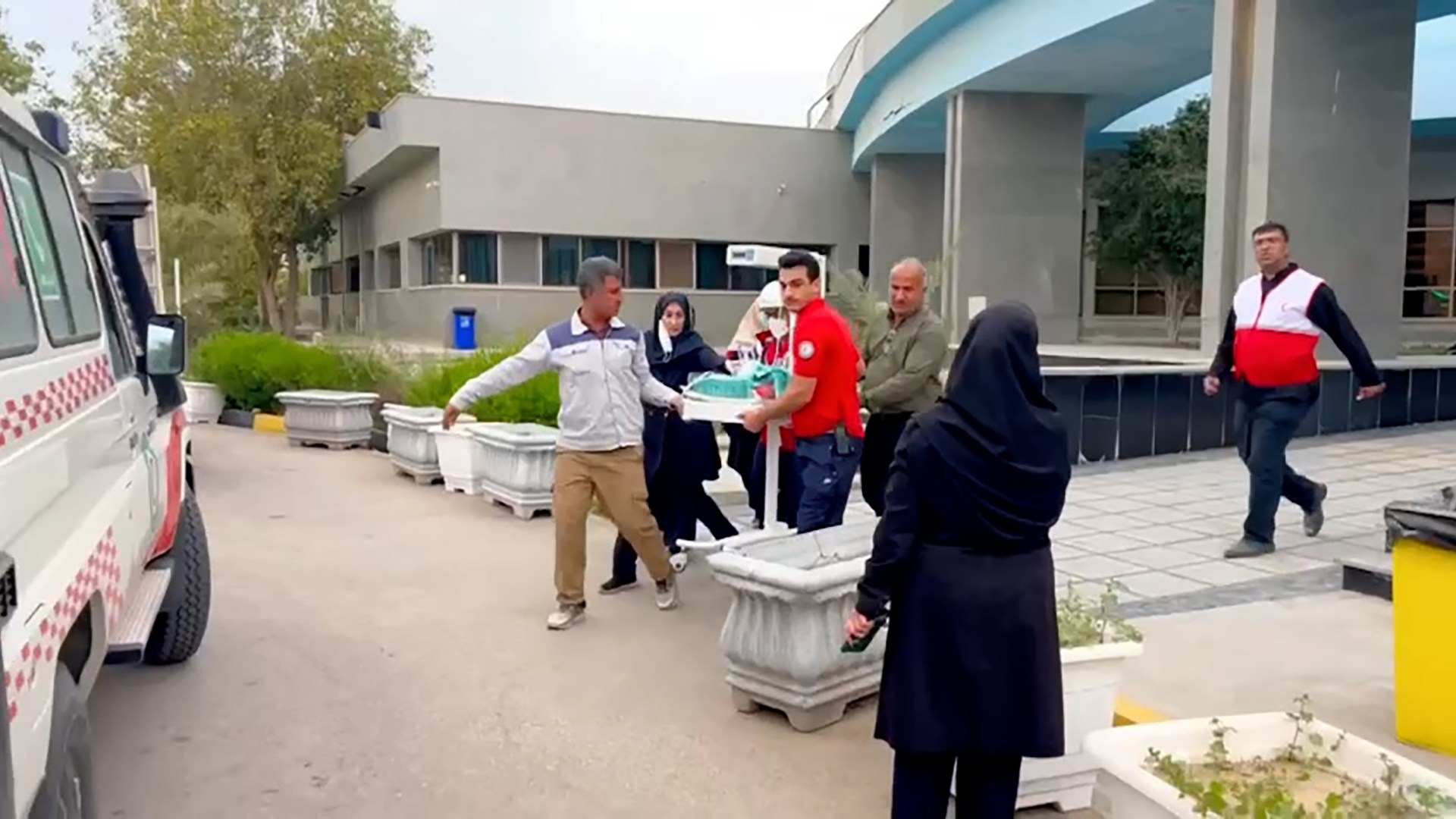
Footage showed babies being evacuated from a hospital in Bushehr, Iran after the facility was damaged amid US-Israeli strikes. Staff and Iranian Red Crescent workers could be seen wheeling the infants needing specialised care from the neonatal unit to waiting ambulances.
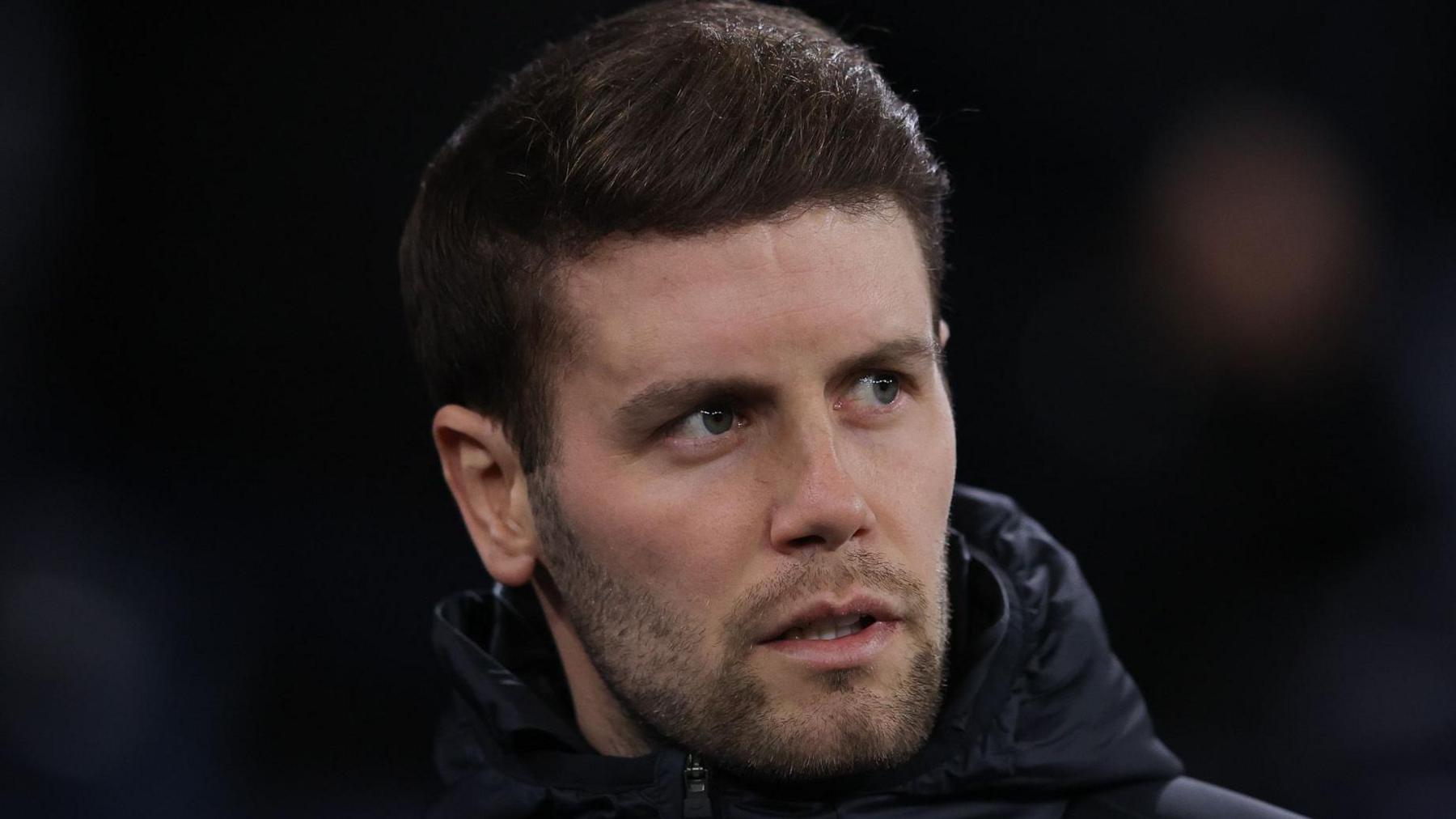
Brighton manager Fabian Hurzeler has called for stricter rules around set-pieces and criticised upcoming opponents Arsenal for time-wasting.
Hurzeler, whose side host the Premier League leaders on Wednesday, claimed the Gunners sometimes wait “over one minute” to take their corners.
Arsenal’s prowess at set-pieces continues to fuel their title charge, with Sunday’s victory over Chelsea the ninth time the Gunners have scored a match-winning goal from a corner this season.
But they have also been at the forefront of recent discussions around grappling and blocking at set-pieces, with Everton boss David Moyes identifying Mikel Arteta’s side as the trailblazers for the use of “dark arts”.
Asked why he believes Arsenal’s approach to set-pieces has received the level of attention it has, Hurzeler said: “There are no clear rules anymore [around] how much time you can spend taking a corner or a throw-in.
“Some of the ways teams are blocking, there’s no real rule. Sometimes the referee whistles and it’s a foul, sometimes it isn’t a foul or they don’t whistle.
“[We need] a clear rule on how much time you can take for a corner, a free-kick, because no-one recognises it. When Arsenal have a corner and they are leading, sometimes they spend over one minute just to take a corner.”
Hurzeler pointed to the responsibility he feels clubs have to ensure match-going fans are being provided with value for money.
“Every supporter pays a lot of money to watch our games and should see the same game time,” Hurzeler said.
“They want to see a football event, not maybe 50 minutes when the ball is in the game and 40 minutes when the game is not running,” Hurzeler said.
“But we won’t change these rules immediately. We know how important set-pieces are. At the moment it’s a big trend in the league and we definitely need to adapt to it.”
Matches involving Hurzeler’s Brighton have the ball in play 56.2% of the time – the fifth-highest in the league, above seventh-ranked Arsenal (55.7%).
The Gunners’ average delay time over free-kicks, goal-kicks and throw-ins is in keeping with other Premier League clubs.
1 day ago
1 day ago
To play this video you need to enable JavaScript in your browser.
‘It’s gone too far’ – managers have their say
There have already been three more goals scored from corners in the Premier League this season (138) than in the whole of the previous campaign.
Manchester United interim boss Michael Carrick said the situations inside the penalty area at set-pieces had “gone too far”.
“It wasn’t long ago we were told you couldn’t lay a hand on anyone in the box and it would be stamped out,” Carrick said at his news conference on Tuesday.
“It’s crept in. The success of set-pieces, corners in particular, probably in terms of being able to put so many bodies close together, has made more teams do it because the success rate is so high.
“It’s understandable why there are so many teams doing it. As a game, it doesn’t feel like we’ve got that balance right. I don’t know what to do about it, it’s not for me to decide.”
His comments were a day after Liverpool boss Arne Slot said he finds most Premier League games no longer a “joy to watch” and his “football heart doesn’t like” the increasing emphasis on set-pieces.
Manchester City manager Pep Guardiola said he understood Slot’s comments and agreed “in some ways”, but added: “It’s part of the game.”
“When I was a young boy we said the people in England celebrate corners and free-kicks like a goal. I remember perfectly, so nothing has changed in that way,” Guardiola said.
“Arsenal dictate how they do it and it is an important aspect. Four years ago in the NBA, the three-shot point was not involved as much but now so many teams do it. It is part of the dynamics.
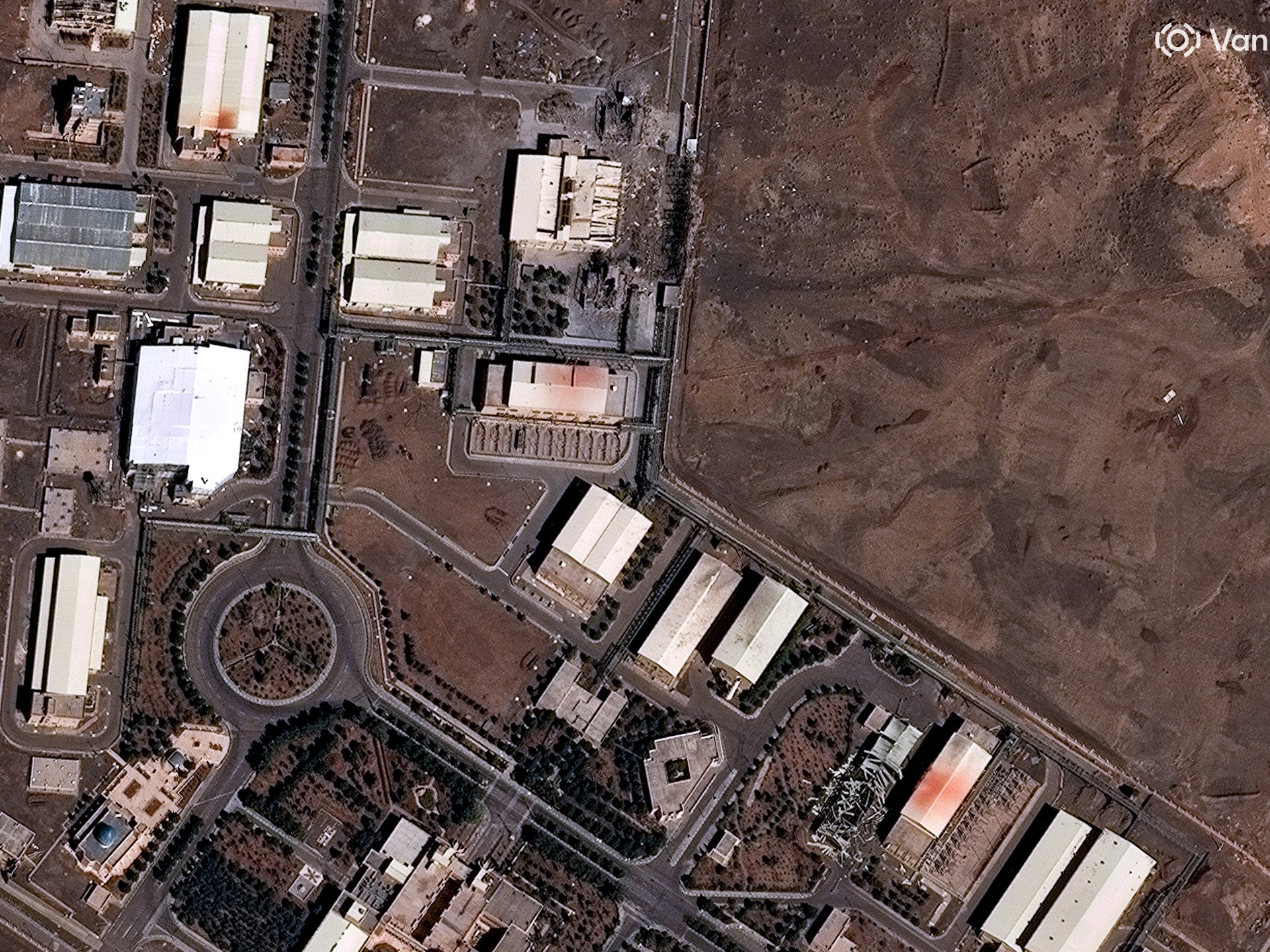
The United Nations’ nuclear watchdog has said the Natanz nuclear enrichment facility in Iran has suffered “some recent damage” as US-Israeli attacks on the country continue for a fourth day.
In a short statement on Tuesday, the International Atomic Energy Agency (IAEA) said damage was confirmed at entrance buildings to the underground fuel enrichment plant (FEP).
Recommended Stories
list of 3 itemsend of list
“No radiological consequence expected and no additional impact detected at FEP itself,” the agency said, adding the facility was “severely damaged” during the 12-day war Israel and the US waged on Iran last year.
Located outside the city of Qom, the FEP is one of Iran’s three uranium-enrichment plants that are known to have been operating when Israel and the US carried out strikes on Iranian nuclear facilities in June 2025.
The country’s nuclear infrastructure was expected to be among the targets of the renewed military offensive that was launched by the US and Israel against Iran on Saturday, killing at least 787 people across the country, according to the Iranian Red Crescent Society.
The bombing campaign has sparked retaliatory attacks by Iranian forces across the wider Middle East, killing several people in a number of countries, including at least six US service members and 11 people in Israel.
On Monday, IAEA chief Rafael Grossi said the agency was following the conflict “with concern”.
The agency’s Incident and Emergency Centre (IEC) was “collecting information and assessing the situation”, said Grossi, adding that “so far, no elevation of radiation levels above the usual background levels has been detected in countries bordering Iran”.
He also said the IAEA had “no indication that any of the nuclear installations, including the Bushehr Nuclear Power Plant, the Tehran Research Reactor or other nuclear fuel cycle facilities have been damaged or hit”.
That was refuted by Reza Najafi, Iran’s envoy to the IAEA, who said Natanz was hit on Sunday.
“Again, they attacked Iran’s peaceful safeguarded nuclear facilities yesterday. Their justification that Iran wants to develop nuclear weapons is simply a big lie,” Najafi told reporters at the IAEA headquarters in Austria’s capital, Vienna.
The Institute for Science and International Security, a US-based think tank, said on Monday that satellite imagery showed two strikes on access points to the underground uranium enrichment plant at Natanz.
David Albright, a former UN nuclear inspector and founder of the institute, said the strikes appeared to have occurred sometime between Sunday afternoon and Monday morning local time, based on the satellite imagery his group reviewed.
He was unable to identify whether the US or Israel hit the Natanz complex.
Meanwhile, on Tuesday, Grossi at the IAEA said that, despite claims from Israel and the US, the agency’s inspectors had not found any evidence of a coordinated Iranian programme to build nuclear weapons.
Grossi told NBC News that the UN agency had not identified “elements of a systematic and structured programme to manufacture nuclear weapons” in Iran.
At the same time, he confirmed that Tehran has enriched uranium to 60 percent purity – a level far beyond civilian energy needs that Grossi said raised serious questions.
This enrichment, he said, was “the source of the concerns we had”, and there was “no clear objective” for accumulating material at that level.
“The centrifuges were spinning constantly and producing more and more of that material,” he said, adding that theoretically this would have been “enough to produce more than 10 nuclear warheads. But do they have them? No.”
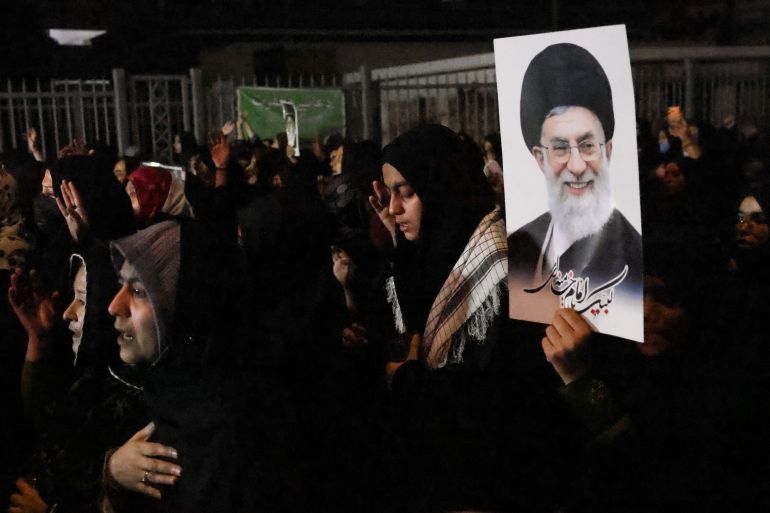
After more than three decades as Iran’s supreme leader, Ayatollah Ali Khamenei, was assassinated in US and Israeli air strikes on Saturday morning.
The man who led the country in two capacities since 1981 was a key figure in the Islamic revolution that overthrew the Iranian monarchy in 1979. He first served as president, then as supreme leader following the 1989 death of revolutionary leader Rohollah Khomeini.
Recommended Stories
list of 4 itemsend of list
While credited with leading Tehran through a bloody, eight-year war against Iraq in the 1980s and fostering an economy that survived despite Western sanctions, his reign was racked by mass protests against rigged elections, human rights violations and economic hardship.
Most recently, protests in December and January, which escalated from demonstrations by shopkeepers in Tehran over inflation to calls for regime change across the country, were violently suppressed by state forces, resulting in massacres.
Khamenei was killed early in the strikes, along with several senior military officials, including from the elite army unit, the Iranian Revolutionary Guard Corps (IRGC).
As of Monday, 787 people had been confirmed killed across the country, according to the Iranian Red Crescent. At least 165 schoolgirls and staff were killed in a strike on a school in southern Minab city on Saturday.
Here’s what we know so far about how Khamenei’s assassination unfolded:
Shia Muslim woman beats her chest while mourning the death of late Iran’s Supreme Leader Ayatollah Ali Khamenei, who was killed following the US and Israeli strikes on Iran, in Karachi, Pakistan, March 2, 2026 [Akhtar Soomro/Reuters]
How did the Israel-US alliance know where to hit?
The air strikes, which targeted Khamenei and his top defence officials, took place on Saturday at around 9:40am in Tehran (06:10 GMT).
Khamenei was killed in a central Tehran location that houses the offices and residence of the supreme leader, Iran’s president, and the country’s National Security Council.
According to The New York Times, which cited anonymous sources familiar with the operation, the US’s Central Intelligence Agency (CIA) had gathered information about a Saturday morning meeting there that would include Khamenei and the country’s senior military cadre. The CIA then shared the information with Israel.
CBS, also citing an anonymous official, reported that the CIA shared Khamenei’s location data with Israel.
In US President Donald Trump’s Truth Social statement in the wake of Khamenei’s killing, he wrote that the late leader “was unable to avoid our Intelligence and Highly Sophisticated Tracking Systems and, working closely with Israel, there was not a thing he, or the other leaders that have been killed along with him, could do”.
It is unclear if the US intercepted phone or other digital communications, used satellite imagery, or used covert human agents to obtain this information.
It is also unclear why the country’s most senior military leaders decided to gather in a predictable location while threats of a US-Israel attack were imminent.
It is known, however, that Israel has long recruited covert operatives in Iran and was watching Khamenei’s circle for years, gathering information as mundane as how and where they get food, an unnamed ex-CIA official told The Guardian. During the 12-day war last June, six Iranian nuclear scientists were assassinated, some in their homes.
Analyst Rosemary Kelanic, speaking to Canadian public broadcaster CBC, said the US probably used a “combination of human intelligence on the ground, potentially through Israeli assets, as well as signals intelligence and the ability of the United States to use over-the-horizon and, in this case, local assets to target pretty much anywhere on the planet that it wants to hit”.
The CIA had also been tracking Khamenei’s location for months, according to The Times, even before the 12-day war. Since that conflict, the US had intensified its surveillance of Khamenei, as well as of the IRGC, in general, monitoring how officials communicated and moved during stress periods, the Times reported.
Trump had also referred to US intelligence regarding the supreme leader’s location last year.
“We know exactly where the so-called ‘Supreme Leader’ is hiding,” Trump said on June 17, posting on his Truth Social platform amid the Iran-Israel conflict that lasted from June 13 to 24.
“He is an easy target, but is safe there – We are not going to take him out (kill!), at least not for now. But we don’t want missiles shot at civilians or American soldiers. Our patience is wearing thin,” Trump posted.
At the time, Israel presented a plan to assassinate Khamenei, but Trump rejected it, fearing wider regional conflict, according to reporting by the The Associated Press, which cited officials familiar with the talks.
Ayatollah Ruhollah Khomeini’s grandson, Hassan Khomeini stands next to Iran’s Supreme Leader Ayatollah Ali Khamenei during the 36th anniversary of the death of the leader of Iran’s 1979 Islamic revolution, Ayatollah Ruhollah Khomeini, at Khomeini’s shrine in southern Tehran, Iran, June 4, 2025 [File: Office of the Iranian Supreme Leader/WANA (West Asia News Agency)/Handout via Reuters]
How did the strike on Khamenei unfold?
Although Israel and the US had planned to hit the country at night to take advantage of darkness, as was the method during the 12-day war’s Operation Midnight Hammer, the CIA’s information about the gathering moved up the timing of Saturday’s attacks, the Times reported.
It is understood that Israel unilaterally launched the attack on Khamenei, using US intelligence, according to reports by multiple US media outlets.
Speaking to CBS, Republican Congressman Mike Turner said the US was not directly involved in the assassination. Turner said he had confirmed from US Secretary of State Marco Rubio, who “was very clear in the answer that we did not target Khamenei, and we were not targeting the leadership in Iran”.
According to media reports, Israeli fighter jets took off from a base in Israel around 6:00am local time (04:00 GMT) on Saturday. It is unclear how many aircraft were involved or how many bombs were dropped, but it was reported there had been “a few” fighter jets all armed with “long-range and highly accurate munitions”.
Their travel to Iran took about two hours, at which point they dropped bombs on the Tehran compound where Khamenei was located. While the top military officials had gathered in one building at the time of the hit, Khamenei was in another building nearby, The Times reported.
Simultaneously, the US military’s Cyber Command division appeared to block communications signals in Iran. In his briefing after the assassination, Dan Caine, the US chairman of the Joint Chiefs of Staff, said “the first movers were US Cybercom and US Spacecom, layering non-kinetic effects, disrupting and degrading and blinding Iran’s ability to see, communicate and respond.”
Satellite imagery of the compound following the strikes showed smoke rising from the rubble of the buildings.
On Sunday, Iranian authorities announced a three-member leadership council to temporarily lead the country: President Masoud Pezeshkian; the chief justice of the Supreme Court, Gholam-Hossein Mohseni-Ejei; and a member of the Guardian Council, Ayatollah Alireza Arafi.
Which other leaders were targeted?
Several Iranian military leaders were assassinated alongside Khameini, as well as in follow-up strikes afterwards.
About a dozen members of Khamenei’s family and close entourage, along with 40 other senior Iranian leaders, died in the Saturday attacks, military officials in Israel told The Guardian newspaper in the UK.
At least 13 top defence officials were confirmed killed at the Saturday meeting and in targeted strikes on other locations on the same day, including:
Mohammad Pakpour, Commander of the IRGC.
Azis Nasirzadeh, Defence Minister.
Ali Shamkani, Head of the National Defence Council.
Seyyed Majid Mousavi, Commander of the IRGC Aerospace Force.
Abdolrahim Mousavi, Chief of Staff of the Iranian Armed Forces.
Mohammad Shirazi, Head of Military Office of the Supreme Leader.
Salah Asadi – Head of the Intelligence Directorate.
Hossein Habal Amelian – Chairman of the Organisation of Defensive Innovation and Research (SPND).
Reza Mozaffari Nia, Former SPND Chairman.
Mohammad Baseri, Senior Intelligence Official.
Bahram Hosseini Motlagh, Head of Operations Planning, General Staff of Armed Forces.
Gholamreza Rezian, Commander of Police Intelligence.
Mohsen Darrebaghi, Deputy for Logistics and Support, General Staff of Armed Forces.
Who else has been targeted?
Joint US-Israeli strikes have continued to hit locations across Iran since Saturday, striking several hospitals and schools in residential areas, including the Gandhi hospital.
At least 787 people have died according to the Iranian Red Crescent, and many hundreds more have been wounded.
A strike which appeared to target former President Mahmoud Ahmadinejad over the weekend hit a high school in Narmak, eastern Tehran, and killed at least two children.
Ahmadinejad, a nationalist who served between 2005 and 2013, was initially reported dead, but later on Sunday, Iran Wire said he was alive and unharmed. Three of his security detail, members of the IRGC, were killed, but Ahmadinejad’s residence was not damaged, Iran Wire said, quoting a source close to him.
In retaliatory strikes, Iran has targeted Israel, as well as US military assets in Qatar, Kuwait, Saudi Arabia, the UAE, Bahrain and Oman.
England have shredded their backline and made a total of 12 changes – nine personnel switches and three positional shifts – to their starting line-up to face Italy in the hope a selection revolution will jump-start their stalled Six Nations campaign.
Fin Smith starts at fly-half, while Gloucester centre Seb Atkinson comes in at 12 for his third cap, and George Ford and Fraser Dingwall – crucial parts of England’s all-conquering autumn campaign – are both left out of the matchday squad entirely.
Henry Arundell also loses his place, with Harlequins’ Cadan Murley and Sale’s Tom Roebuck preferred on the wing, while Elliot Daly comes in for full-back Freddie Steward, who was replaced before half-time in the 42-21 defeat by Ireland last time out.
With Ollie Lawrence injured, Tommy Freeman shifts to outside centre from the wing, and Ben Spencer is preferred to Jack van Poortvliet at scrum-half as first-choice Alex Mitchell misses the rest of the tournament with a hamstring problem.
England team to face Italy
England: Daly; Roebuck, Freeman, Atkinson, Murley; F Smith, Spencer; Genge, George, Heyes, Itoje (capt), Coles, Pepper, T Curry, Earl.
1 day ago
Head coach Steve Borthwick has been less ruthless among the forwards.
England’s line-out wobbled badly against the Irish, however, and hooker Luke Cowan-Dickie, another to be withdrawn before the interval, pays the price with Jamie George coming back into the starting line-up.
Alex Coles partners Maro Itoje in the second row, while Henry Pollock returns to the bench with Guy Pepper returning to partner Tom Curry and Ben Earl in the back row.
Lock Ollie Chessum drops to the bench.
England have sacrificed many of the faces and combinations that fuelled a year-long 12-match winning run, but Borthwick will hope that loss of continuity will be more than compensated for by the energy, form and enthusiasm brought by his new picks.
Atkinson and Murley were among a clutch of players who returned to their clubs last weekend to prove their fitness and form.
After dispatching Wales comfortably in the opening round, England’s performances have taken a sharp downward turn, with losses to Scotland and Ireland by 11 and 21 points respectively.
They have never lost to Italy in 32 previous meetings, but the Azzurri’s performances have been in stark contrast to their opponents.
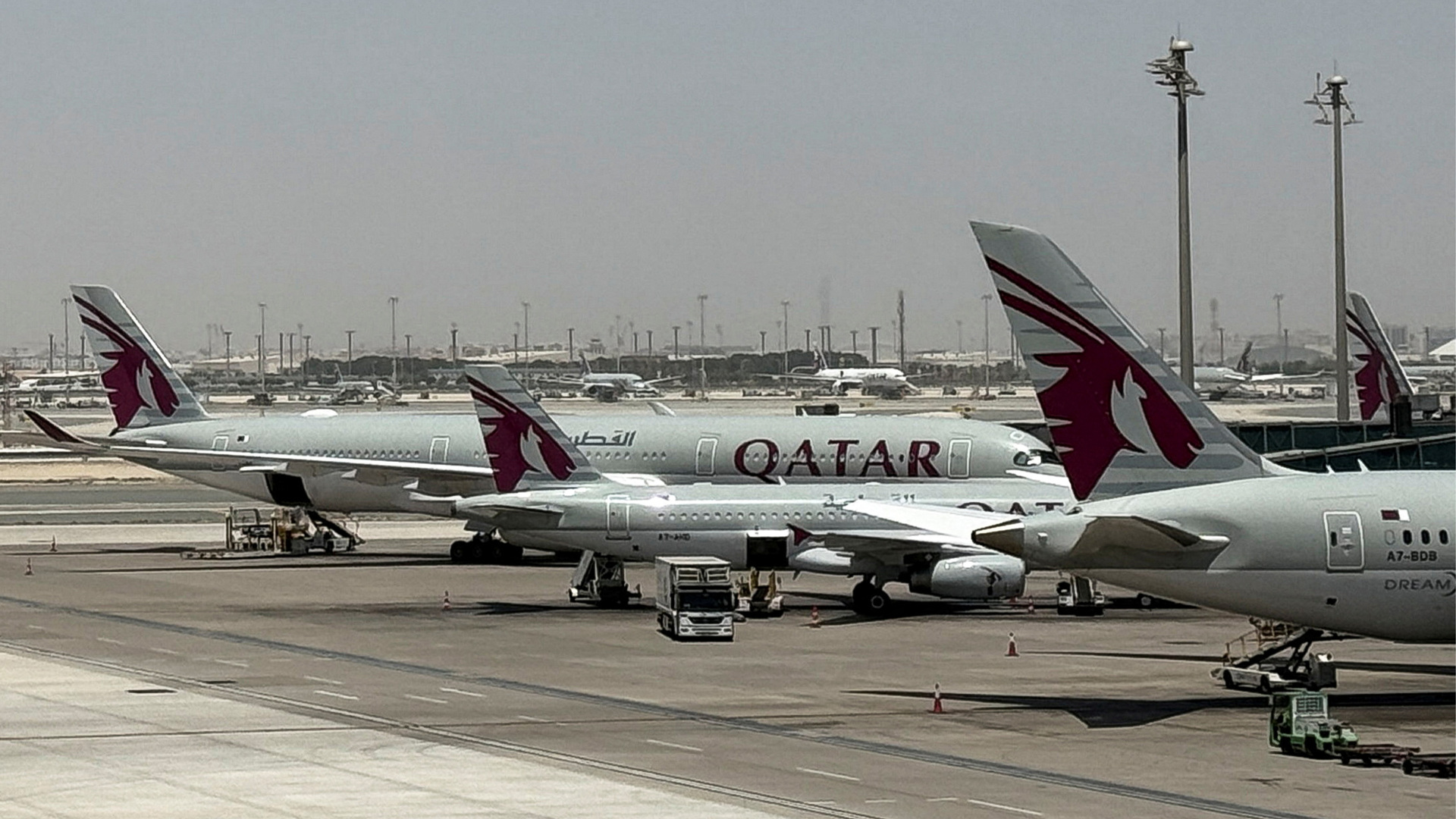
Qatar’s Foreign Ministry Spokesman Majed al-Ansari says its military prevented Iranian missiles from attacking Hamad International Airport, adding that Iranian attacks are not limited to just “military installations or American interests”.