Why is a moderate Democrat’s primary loss being called an AIPAC backfire?

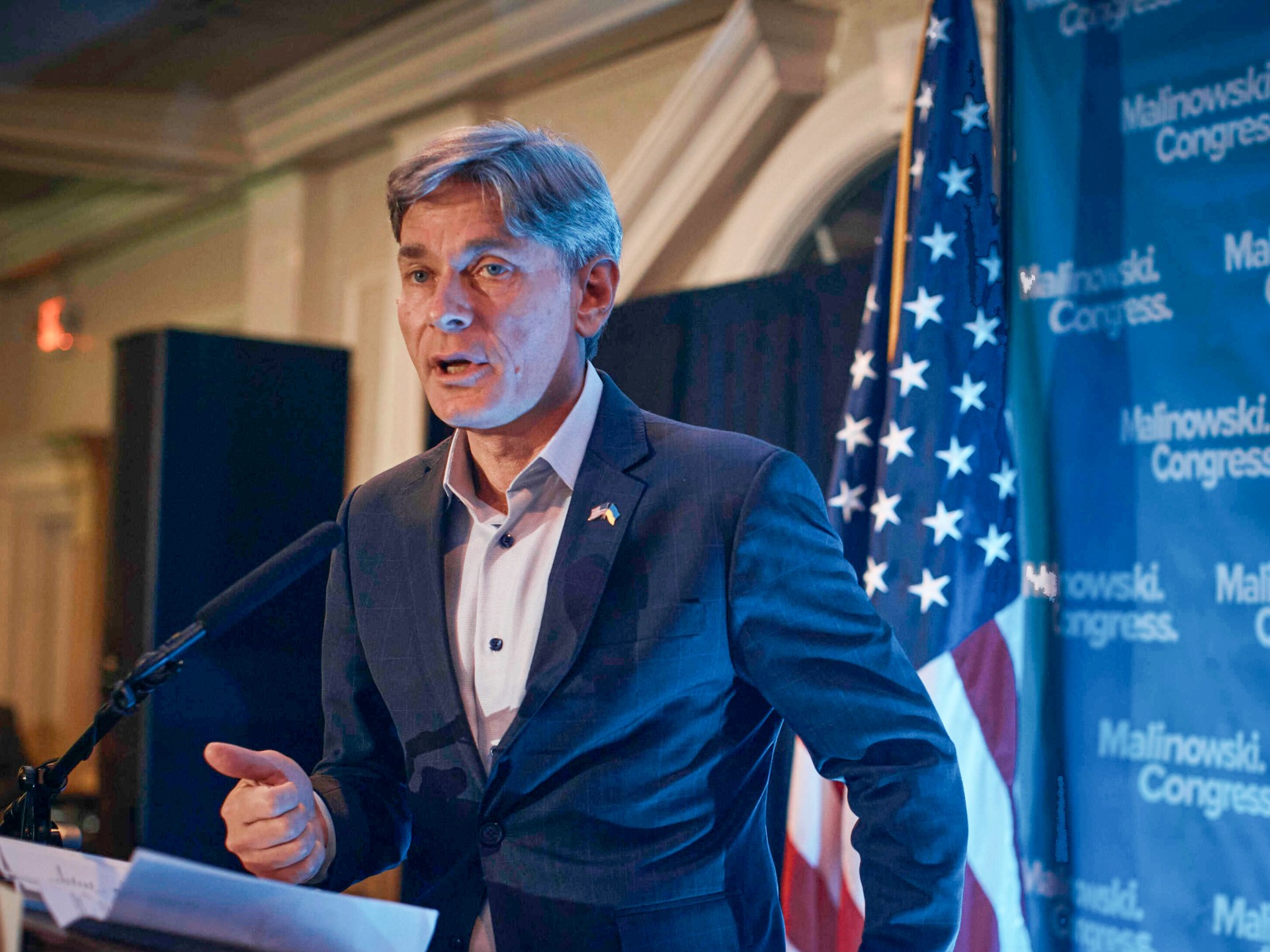
Washington, DC – Tom Malinowski, a moderate Democrat, has conceded defeat to progressive Analilia Mejia in a crowded primary race in New Jersey for the United States House of Representatives.

But the race is being called a loss not just for Malinowski but also for the influential pro-Israel organisation that opposed him: the American Israel Public Affairs Committee (AIPAC).

Recommended Stories

list of 3 itemsend of list

In recent years, Malinowski, a former Congress member, has offered only mild criticism of Washington’s unconditional support for Israel, suggesting conditions could be placed on US aid.

That, however, was enough to trigger an onslaught of targeted attack advertisements from the United Democracy Project (UDP), a super PAC linked to AIPAC.

Critics say the campaign against Malinowski is a sign of AIPAC’s zero-tolerance strategy towards any criticism of Israel, despite the risk of blowback from a Democratic electorate increasingly wary of Israel’s actions.

In this case, UDP’s spending appeared to help Mejia, the most critical candidate in the race of US-Israel policy.

Malinowski’s concession on Tuesday comes five days after the February 5 Democratic primary, as officials finish tallying outstanding votes.

As of Tuesday, Mejia, a former campaign official for progressive Senator Bernie Sanders, leads by about 900 votes.

Tahesha Way, a former lieutenant governor of New Jersey, came in a distant third, despite having been embraced by conservative Israeli media in the final stretch of the race.

Malinowski, too, had previously enjoyed AIPAC’s support and describes himself as “pro-Israel”. He formerly served as a congressmemeber representing a different New Jersey district from 2019 to 2023.

In his statement conceding defeat, Malinowski applauded Mejia, saying she deserves “unequivocal praise and credit for running a positive campaign and for inspiring so many voters on election day”.

But he nevertheless acknowledged the role AIPAC played in the results.

“The outcome of this race cannot be understood without also taking into account the massive flood of dark money that AIPAC spent on dishonest ads during the last three weeks,” Malinowski wrote.

“The threat unlimited dark money poses to our democracy is far more significant than the views of a single member of Congress on Middle East policy.”

An ineffective strategy?

With Mejia’s victory, many observers see AIPAC’s newest approach backfiring.

Malinowski has long been a supporter of US funding for Israel. But he has suggested that Washington should not provide a “blank cheque” to the government of Israeli Prime Minister Benjamin Netanyahu.

Mejia, in contrast, was the only candidate in the race to refer to Israel’s war in Gaza as a genocide.

She will face two Republicans in a special election in April, competing for a district that swung heavily Democratic in the 2024 vote.

While the Democratic Party’s progressive branch has long criticised AIPAC’s tactics, the campaign against Malinowski has brought criticism from what is considered its more “moderate” flank.

The advertisements bought by UDP did not specifically reference Malinowski’s support for Israel.

Instead, they attacked the former Congress member over domestic issues, including a 2019 vote in support of funding for Immigration and Customs Enforcement (ICE).

Representative Brad Schneider, the leader of the centrist caucus New Democrat Coalition, told the publication Politico that AIPAC’s strategy “raised eyebrows”.

He questioned the group for “spending against a candidate that would’ve been a New Dem and instead electing a far-left candidate”.

“Come on, guys, this is not what we were hoping for here,” said Schneider, who himself has enjoyed AIPAC support.

Mark Pocan, a Democratic Congressman and longtime AIPAC critic, meanwhile called the strategy a “monumental failure”.

He said the spending showed that Democratic voters were becoming increasingly averse not just to AIPAC but to groups associated with it, like the UDP, as outrage over Israel’s genocide in Gaza continues to grow.

“Their money is so toxic that the very people they are trying to help are now hurt by their involvement, no matter how well disguised,” Pocan wrote on social media.

For its part, AIPAC sent a letter to supporters last week, downplaying the situation. It noted that, because Mejia is running in a special election, even if she wins in April, her term will only run through January of next year. She will face another Democratic primary in June before the general election.

It pledged to get involved in that race as well.

“While this is not the outcome we hoped for, her prospective win was an anticipated possibility,” AIPAC said in its email.

“Our ultimate focus for this race remains the June primary that will likely determine who represents this district for the full term beginning in January 2027.”
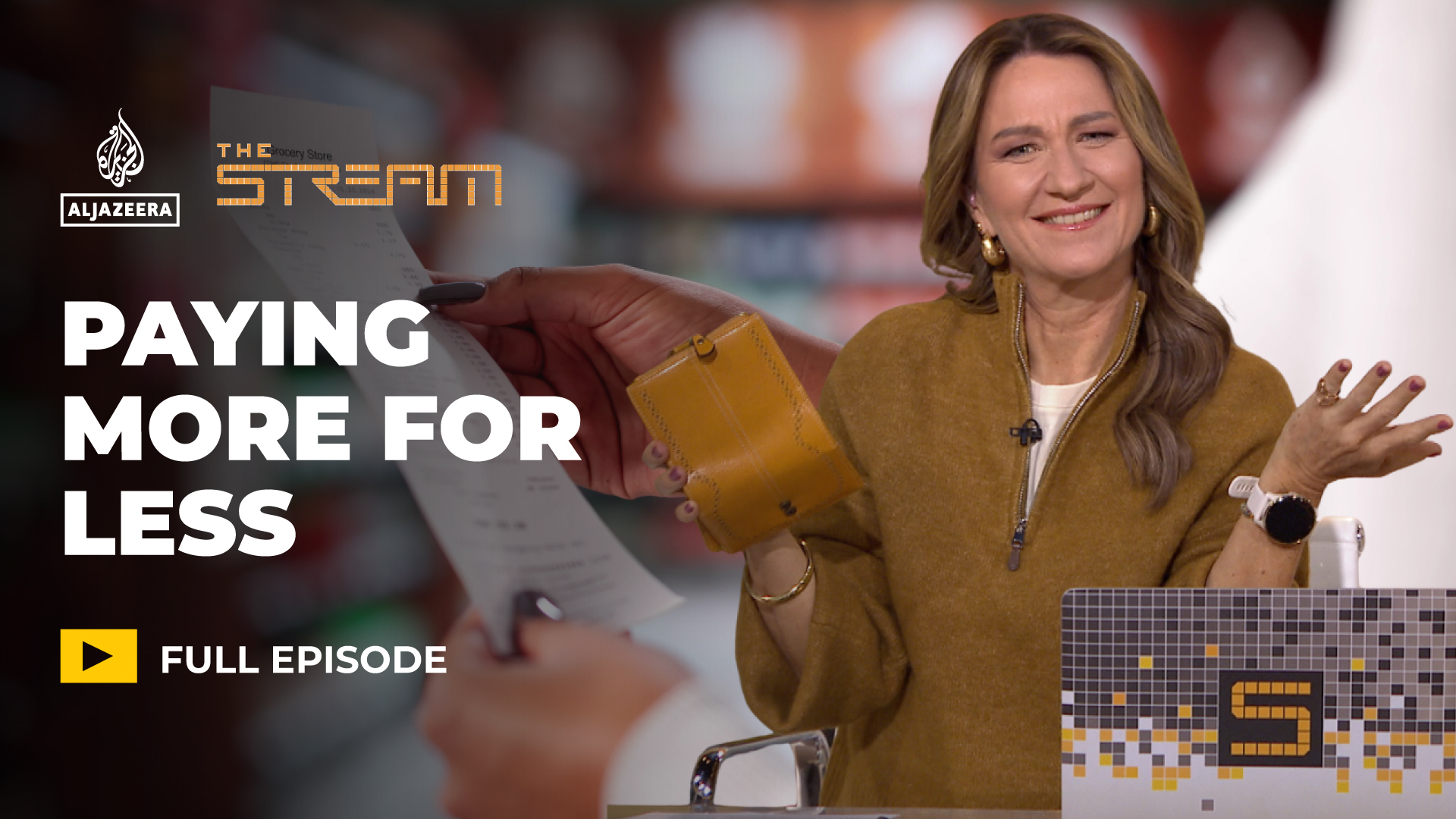
Why you’re getting less for your money

As portions shrink and prices rise, shoppers feel the hidden cost of shrinkflation.

On this episode of The Stream, we explain how brands use specific strategies to maximise profits on essential items. Inflation is loud, shrinkflation is sneaky, and together they’re hitting our wallets. We ask experts what consumers can do to avoid breaking their budgets.

Presenter: Stefanie Dekker

Ukrainian racer says he will wear ‘helmet of remembrance’ despite IOC ban

Bobbie Jackson

BBC Sport journalist

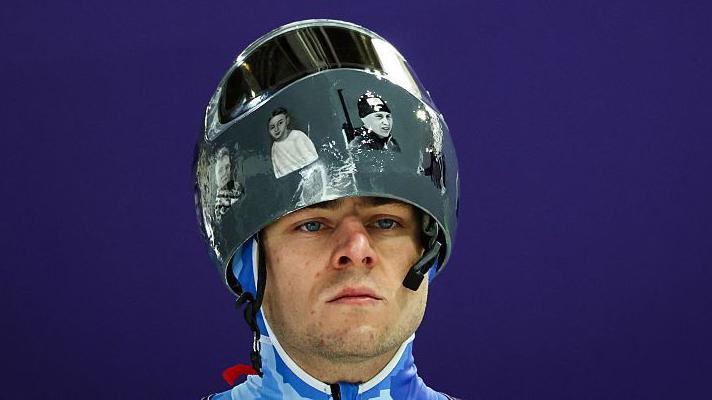
Ukrainian skeleton racer Vladyslav Heraskevych says he will wear a helmet featuring images of people killed during Russia’s invasion of his home country despite it being banned by the International Olympic Committee (IOC).

The IOC said the helmet breaks the rules laid down in the Olympic Charter, but Heraskevych will be allowed to wear a black armband in remembrance of those who have lost their lives.

Heraskevych, who wore the helmet during a training session at the Winter Olympics in Cortina, said he “disagrees” with the IOC’s decision.

“I truly believe that we didn’t violate any rules. Rule 50, political propaganda, discrimination propaganda, racial propaganda is definitely not about this helmet,” said Heraskevych.

“The plan is, I used it in all trainings. So I used it February the 8th. I used it yesterday. I used it today. I will use it tomorrow and I will use it on a race day.”

Heraskevych, 26, told Reuters many of those pictured on his ‘helmet of remembrance’ were athletes, including teenage weightlifter Alina Peregudova, boxer Pavlo Ishchenko and ice hockey player Oleksiy Loginov, and some of them were his friends.

Rule 50.2 of the Olympic Charter states “no kind of demonstration or political, religious or racial propaganda is permitted in any Olympic sites, venues or other areas”.

“We have addressed from the beginning the issue, the IOC fully understands the desire of athletes to remember those who have lost their lives in that conflict and other conflicts around the world,” IOC spokesman Mark Adams said.

“We have to focus on athlete performance and sport, and it is fundamental there are equal rights for all athletes, and keep it free from all interference.

    • 2 hours ago

Heraskevych previously said he will respect Olympic rules while still raising awareness about the war in Ukraine at the Games.

“We have over 90 countries competing here, thousands of athletes, there are a range of things people want to commemorate,” Adams added.

“We want in the Olympics a safe space to compete away from that, while allowing them to express themselves.

“He can wear an armband with no text. However much we agree with an expression, we have to keep a fine balance.”

Adams said people will always “push rules to their limit” and the IOC will assess each case on an individual basis.

“Our rule is that we have to protect the field of play, it is difficult and there will be people who try to game the system, that’s where we have to ban slogans,” Adams said.

“Where there is good reason, black armbands will also be allowed for other athletes.”

He said Toshio Tsurunaga, the IOC representative in charge of communications between athletes, national Olympic committees and the IOC, had been to the athletes’ village to tell him.

“The IOC has banned the use of my helmet at official training sessions and competitions,” Heraskevych, who was a Ukraine flagbearer in Friday’s opening ceremony, had said on Instagram on Monday.

“A decision that simply breaks my heart. The feeling that the IOC is betraying those athletes who were part of the Olympic movement, not allowing them to be honoured on the sports arena where these athletes will never be able to step again.

“Despite precedents in modern times and in the past when the IOC allowed such tributes, this time they decided to set special rules just for Ukraine.”

Ukraine president Volodymyr Zelensky thanked Heraskevych “for reminding the world of the price of our struggle” in a post on X.

Heraskevych, Ukraine’s first skeleton athlete, held up a ‘No War in Ukraine’ sign at the 2022 Beijing Olympics, days before Russia’s invasion of the country.

Following Russia’s full-scale invasion of Ukraine in 2022 athletes from Russia and Belarus were largely banned from international sport, but there has since been a gradual return to competition, although not under their national flags.

‘We love our country’ – Ruohonen

Richard Ruohonen smiles and is wearing a black baseball caps with a two-toned blue striped t-shirtGetty Images

Elsewhere, American curler Richard Ruohonen has spoken out about the USA’s Immigration and Customs Enforcement (ICE).

Protests have taken place across the US over the past few weeks after intensive care nurse Alex Pretti, 37, and fellow American citizen Renee Good, 37, were both killed by ICE agents in Minnesota in January.

“What’s happening in Minnesota is wrong,” Ruohonen said.

“There’s no shades of grey – it’s clear. I really love what’s been happening there now, with people coming out, showing the love, the compassion, integrity and respect for others that they don’t know and helping them out. We love Minnesota for that.

“I’m proud to be here to represent Team USA and to represent our country, but we’d be remiss if we didn’t at least mention what’s going on in Minnesota, and what a tough time it’s been for everybody.”

On Monday, Team GB skier Gus Kenworthy, who was born in England but grew up in America, said he had received death threats after posting a graphic image relating to ICE on Instagram.

American skiers Chris Lillis and Hunter Hess voiced their concerns about the actions of ICE and ongoing tensions in the US.

President Donald Trump later criticised the American duo and called Hess a “real loser” and said he shouldn’t have “tried out for the team”.

“I want to make it clear that we are out here, we love our country,” Ruohonen said.

“We’re playing for the US, we’re playing for Team USA, we’re playing for each other, and we’re playing for our family and our friends that sacrificed so much to get here today.

“What the Olympics means is excellence, respect, friendship, and we all, I think, exemplify that.

    • 2 hours ago

Winter Olympics 2026

6-22 February

Watch on iPlayerListen on Sounds
Full coverage guide

Related topics

  • Winter Sports
  • Skeleton
  • Winter Olympics

Facing a mercurial Trump, countries scramble to forge new alliances

As Donald Trump continues to unleash havoc on allies and trading partners, countries are scrambling to forge new alliances and mend broken ones as they try to shield themselves from a mercurial American president.

The past few months have seen a flurry of diplomatic moves by governments seeking to lessen their reliance on the United States, including among countries that had long nursed grudges against one another.

Recommended Stories

list of 4 itemsend of list

“Countries are trying to diversify economic and security partnerships,” Vina Nadjibulla, vice president at the Asia Pacific Foundation of Canada, told Al Jazeera.

“Many US allies, especially in the Indo-Pacific region, won’t decouple from the US – the US is too important, especially for security – but they are all looking for a US-plus strategy to minimise risk,” Nadjibulla said.

European Commission President Ursula von der Leyen is set to travel to Australia after the Munich Security Conference this weekend to push through a trade and security deal that has been in the works since 2018.

The trip comes on the heels of security and trade agreements that the European Union has lined up with the United Kingdom, Canada and, most recently, India, and weeks after the bloc signed a trade pact with Argentina, Brazil, Paraguay and Uruguay.

“It is difficult to overstate the disruption Donald Trump has inflicted on the global trading system,” Robert Rogowsky, adjunct professor of trade and economic diplomacy at Georgetown University, told Al Jazeera.

But Trump has also underestimated the world’s middle powers, said Rogowsky, referring to Canadian Prime Minister Mark Carney’s call at the World Economic Forum in Davos, Switzerland, for smaller countries to unite and show “genuine cooperation” as leading powers turn inwards.

“That resolve is rooted in a simple reality. For many countries, economic stability is a matter of national survival. Faced with repeated shocks from Washington, they can’t remain dependent on an increasingly erratic trading partner,” Rogowsky said.

Last month, Carney became the first Canadian leader to visit China in nearly a decade, seeking to reset ties that had been frozen since Canadian authorities arrested a top official of Chinese telecommunications giant Huawei in December 2018.

During Carney’s meeting with Chinese President Xi Jinping in Beijing, the two leaders agreed to slash tariffs on certain goods and allow up to 49,000 Chinese electric vehicles into Canada with minimal tariffs.

Last week, Canadian Industry Minister Melanie Joly said her government was working with China to launch a joint EV assembly facility in Canada to export to the world.

The move marks a significant departure from Canada’s previous efforts to restrict China’s EV industry, including a 100 percent tariff on imports introduced after a similar move by the US.

Canada is also trying to rebuild ties with India, another key trading partner, after years of tensions over the killing of a Canadian Sikh activist, with Carney expected to visit New Delhi in the next few months.

‘Reconfiguration of trade’

“The reconfiguration of global trade is under way,” Rogowsky said.

Although remaking supply chains and trade relationships that evolved in the aftermath of World War II will be neither quick nor easy, particularly when they involve the world’s largest economy, “the pace of change is accelerating”, he added.

While two-way trade between the US and 19 of its trade partners grew slightly last year, total global trade grew much faster, according to Gary Hufbauer, nonresident senior fellow at the Peterson Institute of International Economics.

In dollar terms, US trade with its partners grew 3.6 percent, compared with a 6.3 percent increase in global trade, he said.

One reason for the marginal change in US trade, despite Trump’s tariffs and threats, is that many countries ramped up their exports in anticipation of new taxes. Deeply embedded supply chains also take time to change.

“There is no doubt Trump has shaken the world trade order. Most importantly, trading rules once agreed in the WTO, or FTAs, no longer bind the US,” Hufbauer told Al Jazeera.

“From a diplomatic standpoint, trust in the US has dropped to a post-Second World War low. Carney is right to describe the current geopolitical context as a ‘rupture’ from the past 80 years.”

Hufbauer said he expected to see further trade diversion away from US trade this year.

“There is a lot of geopolitical uncertainty, and countries are proactively looking to hedge,” Farwa Aamer, director of South Asia Initiatives at the Asia Society Policy Institute, told Al Jazeera.

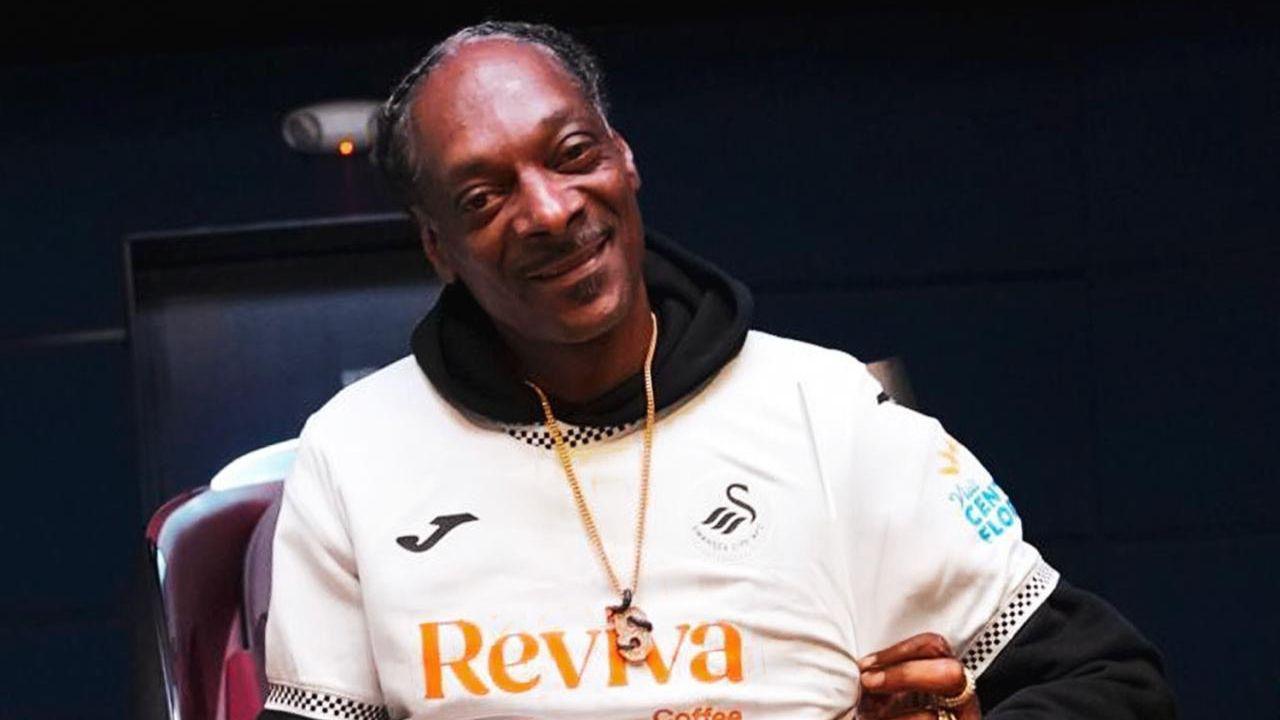
Snoop Dogg to attend Swansea game for first time

Swansea City co-owner Snoop Dogg will attend one of the Championship club’s games for the first time when they face Preston North End on Tuesday, 24 February (19:45 GMT).

The American rapper became an investor at Swansea last July and said last month that he wants to help the Welsh side become a “global name”.

Snoop Dogg will now make his long-awaited first appearance at a Swansea fixture when Vitor Matos’ team host Preston.

“From the moment we talked about me becoming an owner, I have been looking forward to the chance to be with you all at the Swansea.com Stadium,” Snoop Dogg told the club’s website.

“I have heard so many great things about the atmosphere, especially when we play under the lights.

Swansea say Snoop Dogg will appear pitchside prior to the Preston game £to lead supporters in a pre-match fan display”.

“In addition to watching the Swans in action, the 21-time Grammy nominee and four-time Emmy award winner will also take the opportunity to visit areas of our local community to meet supporters and experience life in our city and region,” the club added.

Snoop Dogg, 54, is in Europe for the Winter Olympics that finish on 22 February.

He is with Team USA at the Games, which are taking place in Italy, as a hype man and ‘honorary coach’.

Snoop Dogg had been expected to visit at some stage this season after he followed Real Madrid legend Luka Modric by becoming a co-owner of the club.

    • 2 days ago

“We want to take Swansea to the Premier League, and to do that we are going to need money – that’s the reality of the game these days,” Snoop Dogg said in January.

“I want to introduce sponsorship deals and publicity that will make them a global name.”

Snoop Dogg will follow his son, Cordell Broadus, who was in the directors’ box for Swansea’s draw with Watford last August.

Related topics

  • Welsh Football
  • Swansea City
  • Championship
  • Preston North End
  • Football

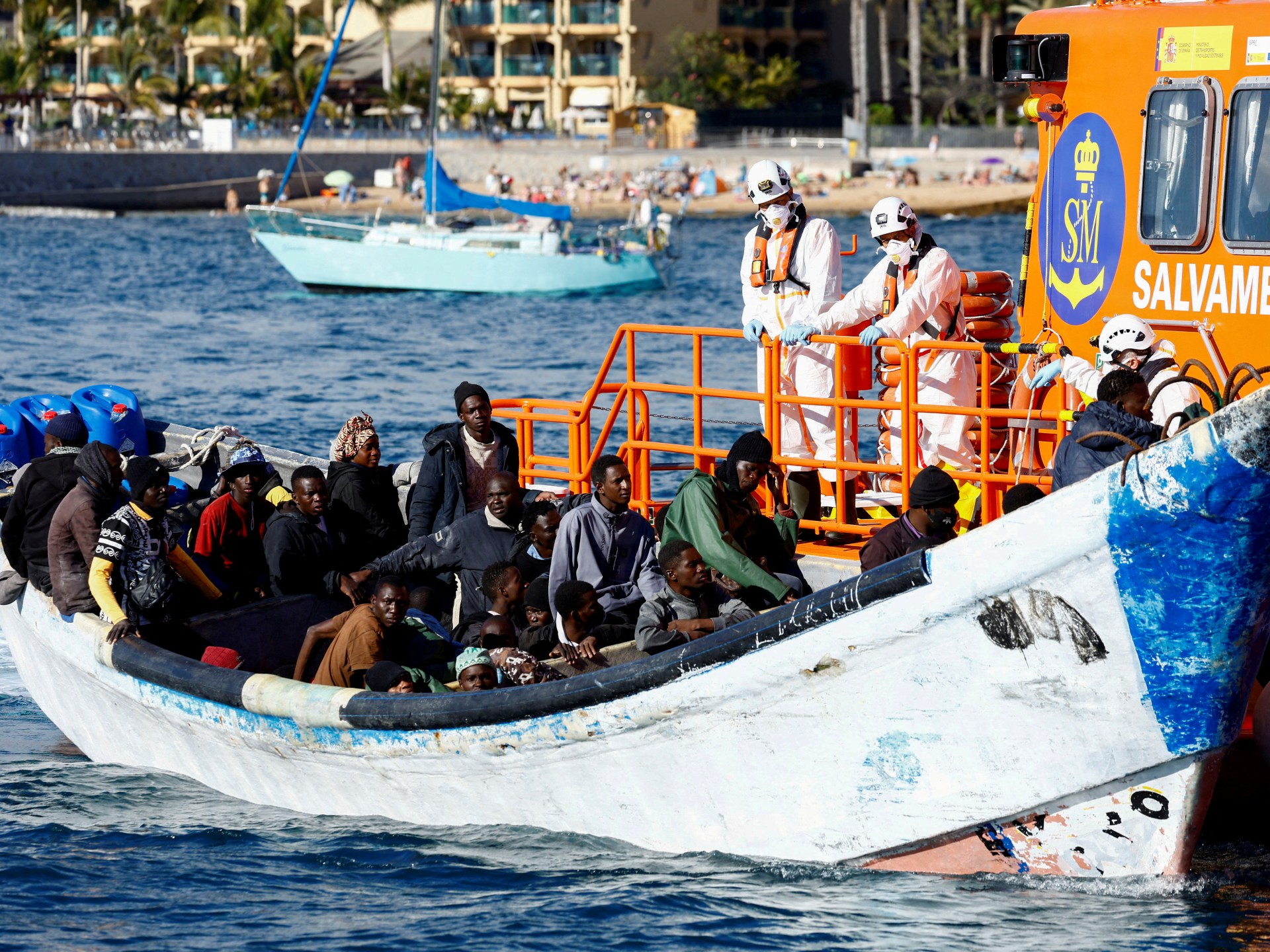
EU votes to allow deportation of migrants to ‘safe’ third countries

European Parliament passed new legislation letting member states deport migrants to designated “safe” countries outside the EU even if they are not from those nations.

European lawmakers approved the measure on Tuesday with a vote of 396‑226 as centre and far-right members backed it.

Recommended Stories

list of 3 itemsend of list

Under the new rules, EU states will be able to send asylum seekers to third countries they merely transited through, provided those countries are deemed to respect “international standards” for migrant treatment.

They could also deport asylum seekers to “safe” third countries with which they have no prior ties, if an agreement is reached with the host state, the UK’s Guardian newspaper reported. The rules are expected to take effect in June.

The move underlines the rise in anti-immigration sentiment across the European Union over ⁠the past decade that has broadened popular support for far-right parties.

The legislation’s text – which requires final formal approval from the 27 EU member governments – marks a sharp hardening of EU migration policy that has taken shape since an influx of more than one million refugees and migrants in 2015-16.

Rights groups warned the policy could be used to deport migrants to countries where they have no ties and can be mistreated.

“The new ‘safe third country’ rules are likely to force people to countries they may never have set foot in – places where they have no community, do not speak the language, and face a very real risk of abuse and exploitation,” said Meron Ameha Knikman, senior adviser for the International Rescue Committee.

During Tuesday’s session, the European Parliament also signed off on a list of “safe countries” including Bangladesh, Colombia, Egypt, India, Kosovo, Morocco and Tunisia.

Migrants in some of those countries, including Morocco and Tunisia, have reportedly faced widespread abuse and mistreatment, including being expelled into remote desert zones in Tunisia.

Cecilia Strada, an Italian lawmaker in the Socialists and Democrats Group in European Parliament that voted against the designations, said the “so-called ‘safe countries of origin’ are not safe”.

“This parliament has passed resolutions on many of these countries, condemning deteriorations in their rule of law, democracy, and fundamental rights. Today’s vote ignores the reality of the facts,” said Strada.

Last May, the EU endorsed sweeping reforms to the bloc’s asylum system, with the European Commission issuing the new Pact on Migration and Asylum. The pact, among other things, called for increasing deportations and setting up “return hubs” – a euphemism for deportation centres for rejected asylum seekers.