Archive January 27, 2026

Why is ‘Cloud Dancer’ the colour of the year?


We examine the online debate ignited by Pantone’s Colour of the Year, Cloud Dancer.

This episode dives into the discussion prompted by Pantone, unpacking the uneasy relationship between colour and fascism. From hardline efforts to regulate colour in public life to the ways vibrancy and maximalism reassert themselves, we explore how colour becomes a quiet form of resistance across art, fashion, film, and design.


Presenter:
Stefanie Dekker

What ICE is doing to America is familiar to me as a Palestinian


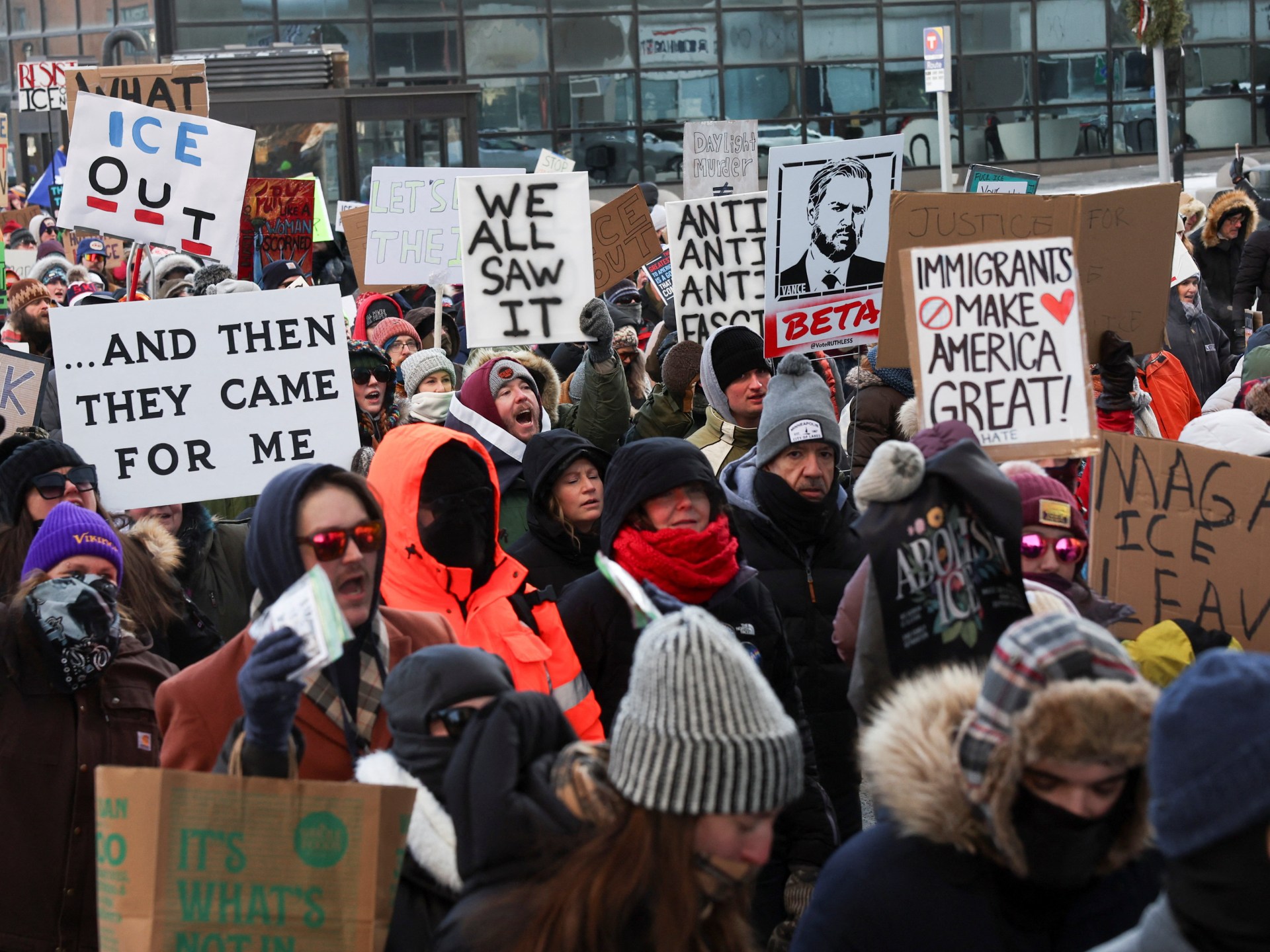
The escalation of state violence in the United States has been unprecedented. In the span of three weeks, two people were shot dead in Minneapolis during “anti-immigration” raids. Both were branded “domestic terrorists”.

Meanwhile last week, US Immigration and Customs Enforcement (ICE) agents used five-year-old Liam Ramos as bait to get his asylum-seeking father to come out of their home; the two have now been taken to a detention centre in Texas. The administration calls this – the act of locking up children in mass detention camps – “immigration enforcement”. ICE detained at least 3,800 children last year, including 20 babies.

Across the country, the violence inflicted by ICE is creating a culture of fear within migrant communities.

I know this fear; I know this violence. These are the fear and violence that have long devastated my birthplace – Palestine. I hope Americans never have to deal with the scale of death, forced disappearances and violence that generations of Palestinians have had to suffer. But under US President Donald Trump, they are already now experiencing the tactics that are so familiar to Palestinian victims of the Israeli military and illegal Israeli settlers in the occupied West Bank.

The parallels are impossible to ignore.

In 2025, 32 people, called “illegals”, died in ICE custody, making it the deadliest year in two decades. They died of seizure, heart failure, stroke, respiratory failure, infectious disease, suicide or neglect. ICE accepted no responsibility for their deaths. In the occupied West Bank, where I was born, Israeli forces and settlers have killed more than 1,100 Palestinians in two years and four months.

Nearly 75 percent of the 68,440 people ICE detained last year had no criminal record. Thousands of Palestinians are currently being held in Israeli prisons without charge or a trial.

With the latest killings and kidnapping of US citizens, even people who are “legally” here are now afraid. There is a growing atmosphere of insecurity and anxiety that anyone at anytime can be disappeared or harmed.

Across the country, ICE violence is depriving children of education and businesses. For example, in the city of Charlotte, North Carolina, 30,000 students, nearly 20 percent of district enrolment, were absent the week after raids began in 2025, and in Los Angeles, shop owners reported a significant loss in sales as customers stayed home.

I know what it feels like to dread passing by armed security personnel who at any moment may shoot you and then call you a “terrorist”. My family members know what it is like to be besieged and stormed; to witness a public execution.

This type of violence has been the daily reality of Palestinians across historic Palestine long before October 7, 2023. After that day, it has just intensified. Just like in the US, children have also not been spared. Of the 240 Palestinians killed in the occupied West Bank in 2025, 55 were children.

Just this month, Israeli soldiers killed 14-year-old Mohammed Naasan during a raid on his village. They claimed he was running to them with a rock in his hand.

The Israeli military routinely fires live ammunition at Palestinian children and justifies it by claiming they were throwing stones. Apparently, a Palestinian child with a rock poses an existential threat to one of the most heavily armed militaries in the world, to soldiers in full body armour shooting from armoured vehicles.

Palestinian children are regularly used by Israeli soldiers as “human shields” when they raid neighbourhoods; their detention and abuse is often used to put pressure on family members to surrender — just as ICE did with Liam Ramos and his father.

In Israeli detention, at least 75 Palestinians were killed between October 7, 2023 and August 2025, including 17-year-old Walid Ahmad. In at least 12 cases, detainees died after being beaten or tortured by Israeli security forces.

The United Nations has documented systematic torture and ill-treatment including repeated beatings, waterboarding, stress positions, and the use of rape and other sexual and gender-based violence.

More than 300 Palestinian children are currently being held in military detention as of November 2025. These children are detained indefinitely without charge or trial based on secret evidence that is neither disclosed to them nor to their attorneys.

Among them was Mohammed Ibrahim, a 16-year-old Palestinian-American from Florida, who was held for over nine months. Upon his release, he had to be taken to hospital due to his poor condition and malnutrition. Ibrahim told his family he witnessed another teenager die in front of him in detention after being denied medical attention for scabies and a severe stomach virus.

The reason why the violence we see in the US is so reminiscent of what happens in the West Bank is because what we face: Security structures shaped by white supremacy and a colonial mindset.

The Israeli state perceives the Palestinian people as less than human and an immediate threat; that is why, in the Israeli state’s logic, they need to be kept in an apartheid system where they are surveilled, subjugated and eventually forced out.

Palestinians are murdered for simply being Palestinian, for refusing to leave their ancestral land, for serving as a testament that Palestine was never “without a land without people”.

In the US, too, the state has decided that there are some people who are less than human and pose an immediate threat. It too has deployed a heavily militarised force to spy on, subjugate and force them out, using technology first tested on Palestinians and imported to America.

Both repressive systems operate on the same principle that brown bodies and their allies can be detained without cause, shot without consequence, and left to die.

Of course, we cannot make a full parallel between the violence in the US and in Palestine.

The Israeli state has expressed through both actions and words a clear intent to fully eliminate the Palestinian people.

The Palestinians are currently facing a genocide in Gaza and at a slower rate in the occupied West Bank and East Jerusalem. The Israeli state has a clear project of erasure that seeks to wipe out even the historical records of Palestinian existence.

Nevertheless, it is clear that today Americans are getting a taste of what Palestinians have experienced for decades: state terror. This is what deploying armed forces who shoot citizens, who use five-year-old children as tactical bait, who let detainees die at unprecedented rates is called. In the United States, in Palestine and wherever power decides that certain lives do not count, the patterns of state terror repeat.

George Orwell wrote in 1984 that the Party’s final, most essential command was to reject the evidence of your eyes and ears. Before he died, his publisher released a statement: “The moral to be drawn from this dangerous nightmare situation is a simple one. Don’t let it happen. It depends on you.”

We are living that nightmare now, watching videos of executions and being told they were self-defence. We must be the ones to fight for change. Everywhere, we must be the ones who take the struggle for freedom into our own hands.

Don’t take Brook’s WWE beer celebration wrong way – Root

  • 214 Comments

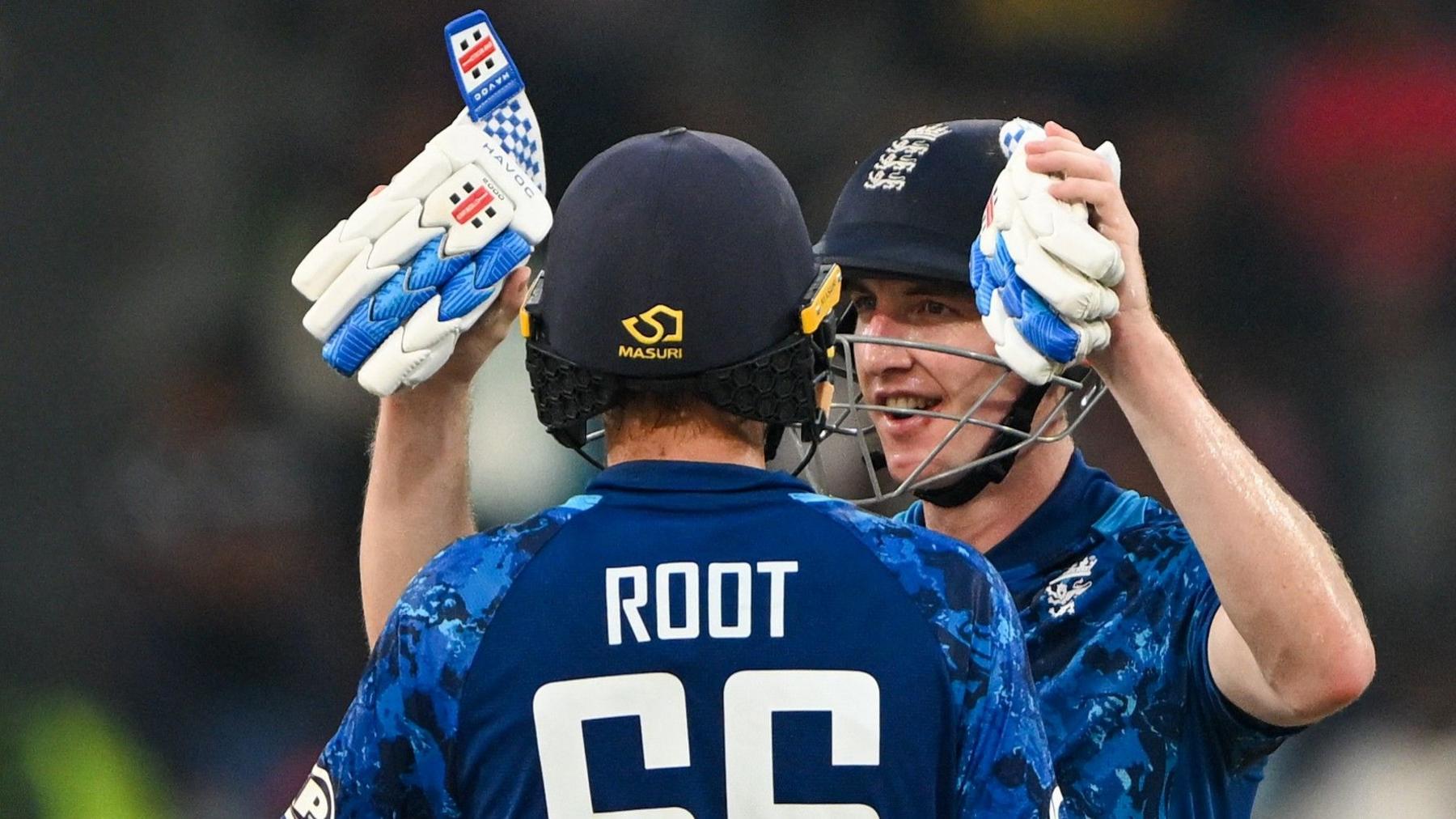
Joe Root hopes Harry Brook’s ‘beer smash’ celebration will be “received the right way”.

The England captain celebrated his match-winning century against Sri Lanka by imitating a famous WWE wrestler.

Brook was recently involved in a late-night drinking scandal where he was struck by a bouncer the night before captaining a match in New Zealand.

The 27-year-old was almost sacked as captain as a result, but was ultimately given a final warning for his off-field behaviour and fined the maximum amount of £30,000.

When Brook reached three figures in Colombo following an astonishing, series-winning century that took him just 57 balls, he celebrated by taking off his batting gloves, striking them together and then tipping them towards his mouth.

The move was first performed by former WWE wrestler ‘Stone Cold’ Steve Austin, who would have two beers thrown to him on stage, before hitting them together and drinking them in the ring.

Brook confirmed after the match that the celebration was a tribute to Austin, and also an acknowledgement of his attempts to win back the trust of his teammates.

“It was just more about celebrating tonight with the boys,” Brook explained.

“Like I said the other day in my press conference, I’ve got to try and gain that trust back with the lads and the way I wanted to do that was perform, play well and lead from the front.”

Root, who was batting with Brook at the time, said he hoped Brook’s celebration would be received with the humour it was intended.

“I think that’s his way of doing that really,” Root said. “He’s trying to show he wants that approval from the group, through humour.

“That’s another area of why he’s going to be a great leader, because he has that side to him as well.

“He’s showed his calmness and his clarity under pressure, and he’s also showed humour as well in doing that.

Steve Austin drinks a beer during a WWE eventGetty Images

It is not the first time an England international has referenced an alcohol-related disciplinary issue in a celebration, with Paul Gascoigne famously performing the ‘dentist’s chair’ following his iconic goal against Scotland in Euro 1996.

“I think he’s been excellent in every aspect,” Root said of his captain. “He’s grown throughout the three games and he didn’t panic tonight when they got off to an absolute flyer.

“It’s easy to do when you’re on top but when a team throws a few punches back at you, to stay calm and manage it like he did was another example of why I think he’s going to be an excellent captain in white-ball cricket.

Related topics

  • England Men’s Cricket Team
  • Yorkshire
  • Cricket

What happens next after latest link between heading and brain disease?

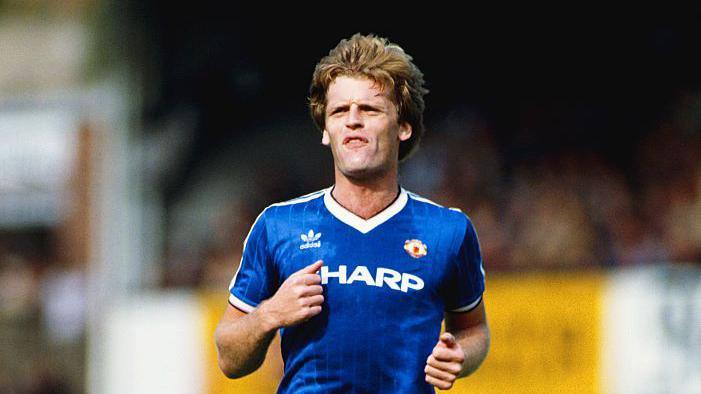
When a senior coroner declared on Monday that repeatedly heading footballs “likely” contributed to the brain disease which was a factor in the death of former Leeds United and Manchester United defender Gordon McQueen, the relationship between heading and neurodegenerative illnesses was thrown into the spotlight again.

The link between heading and brain injuries relates to an illness called chronic traumatic encephalopathy (CTE), which is caused by repeated head impacts, and which McQueen was found to have suffered from, alongside vascular dementia.

CTE can only be diagnosed after death, following analysis of the brain, which typically shows protein deposits and other types of damage which are caused by head injuries.

Research has shown that athletes such as footballers, rugby players and fighters have a significantly higher risk of developing CTE than the general population.

    • 1 day ago

Is this a landmark ruling?

It depends how you look at it – McQueen is arguably the most high-profile former footballer whose death has been directly linked to CTE by a coroner. Such a clear verdict in a case as prominent as his means more people are aware of the link.

But this is far from the first time the link has been made official – Jeff Astle, who died following years of neurological symptoms, is considered the first footballer whose death was shown to have been impacted by heading footballs.

The confirmation that CTE played a role in Astle’s death, rather than Alzheimer’s as previously thought, came after analysis from Professor Willie Stewart, a pre-eminent neuropathologist who specialises in CTE cases in sportspeople and has advised sports bodies around concussion protocols.

“Former professional footballers are at much higher risk of degenerative brain diseases, dementias and related disorders,” says Prof Stewart, who is a consultant neuropathologist at the University of Glasgow.

“What we see is the risk is about three and a half times higher than it should be. There is a very unique change in the brain which only appears in athletes that we don’t see in other individuals.”

The reason coroners have thus far only gone as far as to say it is “likely” that heading footballs led to CTE, which then contributes to death, is because it is impossible to say with 100% certainty how and when the damage was done to the brain, as analysis is only possible post-mortem.

But experts generally agree that there is no other logical explanation in cases of professional sportspeople with long careers like McQueen, whose daughter Hayley told the inquest she had never known her father suffer any head injury other than concussions from playing football.

“CTE contributed to Gordon McQueen’s death significantly,” said Prof Stewart, adding that the only available causal evidence was exposure to repeated impacts – heading footballs.

West Brom striker Jeff Astle holds a ball while posing for a photo in 1970Getty Images

What changes have been made in football so far?

There are rules across England, Scotland and Wales restricting heading in children’s games, while different restrictions are in place around training in the English and Scottish professional games.

In 2019 the ‘Field’ study, funded by the Football Association and Professional Footballers’ Association, found that footballers were 3.5 times more likely to suffer from neurodegenerative disorders. It was the largest study to date looking at the links to heading footballs.

Since then, the FA has brought in a phased ban of heading in under-11s football and says it is investing in objective and robust research to get a better understanding of the issue. It has also issued guidelines to clubs on limiting high force headers in training, such as from balls which come at speed from free-kicks and corners.

The Scottish FA has gone further, banning heading the day before and after matches in the professional adult game.

In September 2023 the PFA set up a £1m brain health fund, with help from the Premier League, which former professional players and their families can make applications to for financial support. The union is being assisted by Dawn Astle, the daughter of Jeff, and applications are assessed by an independent panel.

But critics say the amount needs to be much higher, given the soaring costs of care homes.

Is the UK ahead or behind compared to other countries?

The general consensus among experts is that the UK is taking the link between sport and brain disease more seriously than other countries.

A similar study to ‘Field’ conducted in Sweden reinforced the links, while Australia has begun looking at changes to training.

The International Football Association Board, which decides the laws of the game, has brought in concussion protocols, with designated concussion substitutions now seen in leagues far and wide, but changes to rules about heading the ball are not currently on the agenda.

“In the UK in particular, and also in some American sports, organisations have gone quite a long way to recognising and managing what the problems are,” Prof Stewart explains.

“There are limitations on heading at youth level and guidelines for the professional level. That’s a real acknowledgement of heading and head impacts being a potential risk for brain health.

“Going away from the UK to global sport – to Fifa and Uefa – we’re seeing less pick up of this as a problem, less of what might be required to meet to keep the sport safe.”

A child heads a football during a training sessionGetty Images

What do campaigners want to happen now?

Families of footballers who have died with neurodegenerative conditions and charities have combined for many years to call for a reduction of heading in football.

They welcomed the guidelines when they were introduced in England, Wales and Scotland, but believe they are largely being ignored as things stand.

“The guidelines from the FA are out there but coaches don’t know them,” said, Dr Judith Gates, founder of Head Safe Football and widow of former Middlesbrough defender Bill Gates, who died after suffering from CTE.

“We have worked with 44 EFL clubs and only 1% knew about them, and that’s just the professional game.

“This begins in youth, so it’s young people whose brains we need to be caring for.”

One of the key points campaigners have made so far is that they are not seeking to remove heading from football, or fundamentally change the way the game is played, but to reduce the amount for heading in training in order to lessen the frequency of head impacts which have the potential to cause damage.

“I work as a broadcaster in sport, and I love it,” McQueen’s daughter Hayley, a Sky Sports presenter, said outside court. “People say, ‘Oh, you’ve ruined the game if you take heading out of it’. But we can still continue to have heading in football, but do it so much safer.”

Prof Stewart added: “Cutting exposure as much as possible at that elite level, reducing it as much as possible in training, is a very good starting point.”

Hayley and her sister Anna Forbes also insisted more changes should be made regarding care for former players suffering from neurodegenerative diseases and their families.

They believe that the Professional Footballers’ Association (PFA) should play a greater role.

“I emailed the PFA literally begging for help when my dad was at his lowest point, and we were looking for respite care,” Hayley McQueen explained.

“That email was left unanswered. After three attempts at chasing, they sent me on a wild goose chase for support where they offered something called an admiral nurse, which was a Zoom call with a nurse to tell me what government support we were able to access – which was none, by the way.

“It depleted my parents’ lifetime savings looking for private care for my dad, and we relied on charities for respite care. The PFA gave us nothing – no support whatsoever.”

The PFA said: “There is an ongoing need for a collective response, from football and beyond, to ensure former players affected by neurodegenerative disease, and their families, are properly recognised and supported.”

Hayley McQueen also called for football clubs to pay for annual brain scans for current players.

“I think there is an epidemic at the moment,” she told Times Radio. “I speak to a lot of the wives and daughters and sons of players, who are terrified, and they’re already showing signs and don’t know what on earth to do about it.

“Had they known the risks when they played, maybe they’d have made a major decision not to head the ball as much.

“If you were to scan a footballer at the start of every season, almost like having a full medical, why not? There’s enough money in football.”

No new measures have been announced, but after the McQueen verdict on Monday, various football authorities released statements insisting they are committed to ensuring player safety.

The FA said: “While any association between heading a football and later life brain health outcomes remains an area of ongoing scientific and medical research and debate, we continue to take a leading role in reviewing and improving the safety of our game together with all stakeholders and international governing bodies.”

Related topics

  • Scottish Football
  • Football

More on this story

    • 24 October 2024
    Kevin Bird
  • A stock image of a woman heading a football

Forest in talks to sign keeper Sa from Wolves

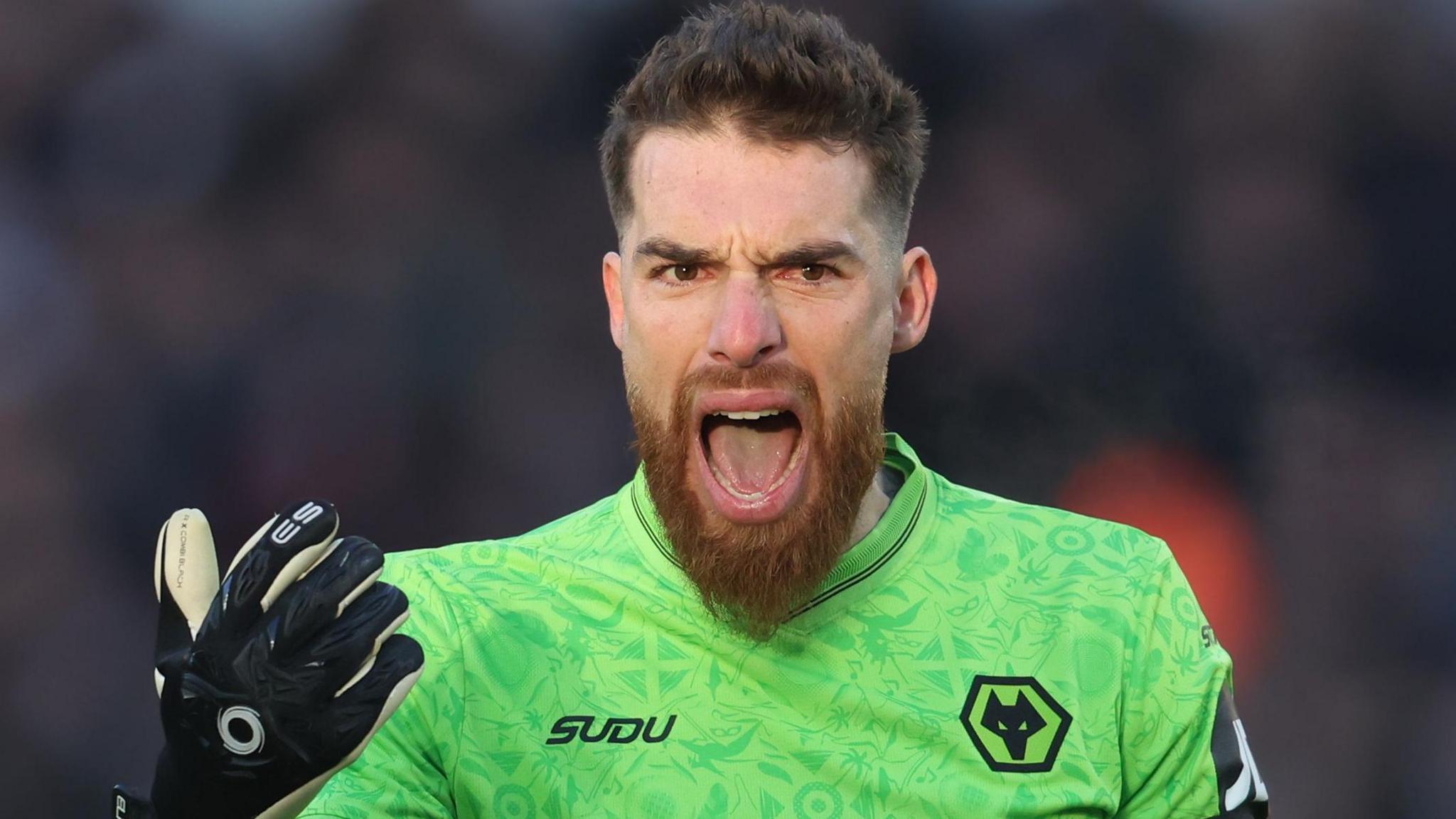
Nottingham Forest are in talks to sign Wolves goalkeeper Jose Sa.

Matz Sels and John Victor have shared goalkeeping duties at the City Ground this season but Forest are exploring a move for Sa, who has emerged as Wolves head coach Rob Edwards’ first choice.

Whether Forest can successfully negotiate a deal for Sa, 33, is set to have an impact on the Portuguese’s Wolves colleague Sam Johnstone, who has attracted loan interest from Tottenham Hotspur.

Johnstone has made 12 Premier League starts for Wolves this season but has lost his place in goal to Sa.

Any move for Johnstone before Monday’s transfer deadline is likely to depend on whether Sa leaves for Forest.

Sa has been at Wolves since joining them from Olympiacos in 2021.

Related topics

  • Premier League
  • Football

More on this story

    • 17 October 2025
    A graphic of Premier League players from every team in the division in 2025-26 season, with the Premier League trophy in front of them.
    • 16 August 2025
    BBC Sport microphone and phone

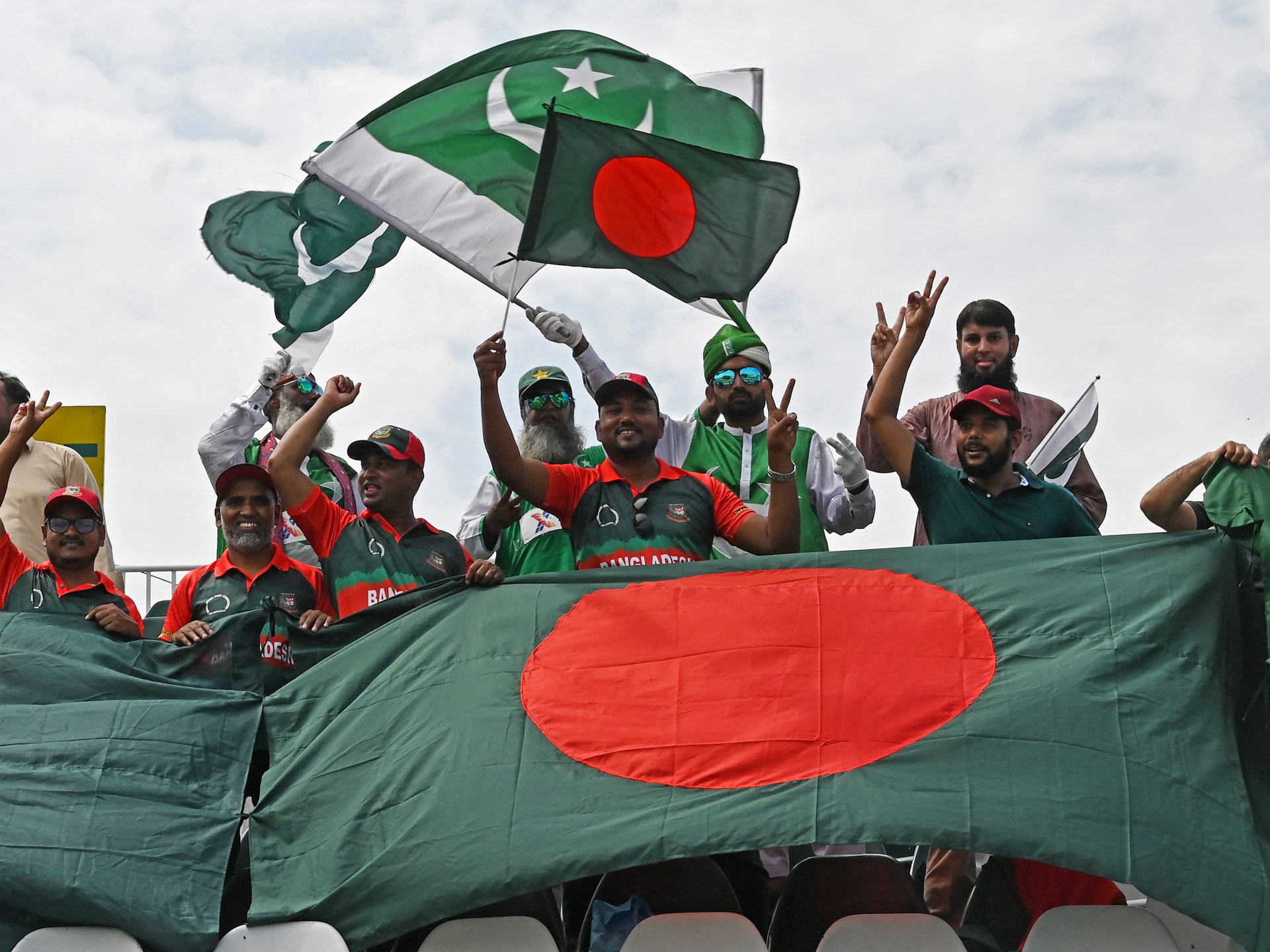
Why is Pakistan backing Bangladesh in its T20 World Cup row with India?


Islamabad, Pakistan – Pakistan have cast doubts over their participation in the T20 World Cup after Bangladesh were kicked out of the tournament by the International Cricket Council (ICC).

Bangladesh, whose spot in the upcoming global tournament was confirmed in June 2024, were expelled from it on Saturday after a weeks-long impasse with the ICC over the demanded relocation of their fixtures from India to Sri Lanka. The ICC gave Bangladesh’s berth to Scotland, the next best-ranked T20 team.

Recommended Stories

list of 4 itemsend of list

The ICC was accused of practising “double standards” in its extraordinary move to oust a full member nation on the basis of a logistical deadlock.

The Pakistan Cricket Board (PCB) swiftly threw its weight behind Bangladesh and said it will not make a “final decision” on its team’s participation until next week.

PCB Chairman Mohsin Naqvi met Pakistani Prime Minister Shehbaz Sharif on Monday to discuss the issue but did not clarify whether Pakistan would travel to the tournament, which begins on February 7.

“It was agreed that the final decision will be taken either on Friday or next Monday,” Naqvi, who is also Pakistan’s interior minister, said in a post on X.

All of Pakistan’s World Cup matches have been scheduled in Sri Lanka because of the fraught relations between New Delhi and Islamabad.

What’s the Bangladesh-India T20 World Cup controversy all about?

The controversy involving the three South Asian nations began three weeks ago when the Bangladesh Cricket Board (BCB) requested that all of its team’s matches scheduled to be played in India be shifted to Sri Lanka. It cited concerns over its players’ safety and security.

It followed the abrupt removal of Bangladeshi fast bowler Mustafizur Rahman from his Indian Premier League (IPL) franchise, the Kolkata Knight Riders, upon a directive from the Board of Control for Cricket in India (BCCI).

The reason the BCCI gave was “developments all around”. That might refer to the deteriorating ties between Dhaka and New Delhi since August 2024 when Bangladeshi Prime Minister Sheikh Hasina was ousted from power and fled to India, where she continues to live.

Bangladesh reasoned that if one of their players was not safe in India, it could not jeopardise the safety of the entire squad and support staff.

However, the ICC, currently led by Jay Shah, the son of Indian Home Minister Amit Shah and a close ally of Prime Minister Narendra Modi, rejected the relocation request. The governing body said there were no “credible” or “verifiable” threats to the Bangladeshi team.

After a further back-and-forth between the BCB and the ICC – during which neither party moved from its original position – Bangladesh were ousted from the tournament and replaced by Scotland.

Why has the ICC been accused of ‘hypocrisy’?

In late 2024, the ICC brokered a three-year agreement between India and Pakistan that allowed both countries to play their matches at neutral venues whenever their neighbour hosted an international tournament.

The decision came after India’s refusal to travel to Pakistan for the ICC Champions Trophy over security concerns raised by the Indian government. India played all their matches, including the final, in Dubai, United Arab Emirates.

For the ICC Women’s World Cup 2025, cohosted by India and Sri Lanka, Pakistan played their fixtures in Sri Lanka and are scheduled to do the same at the ICC Men’s T20 World Cup 2026.

BCB President Aminul Islam pointed at this agreement and accused the ICC of “hypocrisy” for dismissing a similar request from Bangladesh.

While the BCB and the ICC were stuck in an impasse, the PCB decided to partake in the dispute by supporting Bangladesh’s request for a neutral venue.

At an ICC board meeting called to discuss the issue last week, Pakistan were the only full member nation to support Bangladesh’s position. Other board members endorsed the idea of replacing Bangladesh if they refused to play in India.

Why have Pakistan become involved in this affair?

While the controversy has to do with sport, the underlying tensions are deeply political, and the three nations share decades-long fractured ties.

After the 1947 partition of British India, India emerged as an independent state while a Muslim-majority Pakistan was created with eastern and western wings separated by more than 2,000km (1,300 miles).

Less than 25 years later, the eastern wing broke away after a bloody war to become Bangladesh. Indian troops played a decisive role in supporting Sheikh Mujibur Rahman, Bangladesh’s founder and Hasina’s father.

Fast forward to 2024 – the once-close ties between India and Bangladesh were fractured with Hasina’s ouster, and the ties between Bangladesh and Pakistan, previously near rock bottom, improved rapidly.

So as Bangladesh were locked in negotiations with the ICC, Naqvi, Pakistan’s cricket chief, publicly criticised the governing body.

“You can’t have double standards,” Naqvi said on Saturday.

“You can’t say for one country [India] they can do whatever they want and for the others to have to do the complete opposite. That’s why we’ve taken this stand and made clear Bangladesh have had an injustice done to them. They should play in the World Cup. They are a major stakeholder in cricket.”

How have Pakistan reacted, and what can they do next?

Within days of the BCCI’s decision to remove Mustafizur from the IPL, the PCB reacted by offering the star Bangladeshi bowler an option to register for the Pakistan Super League, the country’s premier franchise T20 tournament.

Despite reports in Pakistani media that the PCB may pull out of the T20 World Cup, Naqvi has not indicated that might be the case.

There has also been speculation that Pakistan may forfeit their match against India on February 15 in Colombo as a symbolic gesture in support of Bangladesh.

With a final decision expected on Friday or Monday, the ongoing uncertainty could disrupt Pakistan’s preparations for the tournament. They are scheduled to play the tournament’s opening game on February 7 against the Netherlands.

Ehsan Mani, former chairman of the ICC and the PCB, has warned the PCB against withdrawing from the World Cup.

“This brings politics into the game, and I have always advocated that the two should be kept strictly separate,” he told Al Jazeera.

What happens if Pakistan withdraws from the T20 World Cup?

The rivalry between Pakistan and India on the political pitch has long spilled over onto the cricket field, which has increasingly become a proxy battleground, especially since tensions escalated drastically after a four-day military confrontation between the two neighbours in May.

India’s refusal to travel to Pakistan for the Champions Trophy, which they went on to win unbeaten in the UAE, further strained relations.

When the teams met again at the Asia Cup in September, Indian players declined to shake hands with their Pakistani counterparts. After a tense final, which India won, the Indian team also refused to accept the trophy from Naqvi, who also heads the Asian Cricket Council.

Ali Khan, a professor at Lahore University of Management Sciences and author of Cricket in Pakistan: Nation, Identity, and Politics, described Pakistan’s support of Bangladesh as “absolutely the principled stance to take”.

“If India and Pakistan can both be accommodated in similar situations, then why not another full ICC member [Bangladesh]? It is also important for Pakistan to stand up for the way the ICC is operating now,” he told Al Jazeera.

Khan cautioned, however, that threatening a boycott was a step too far.

“It veers towards performative and petty point-scoring then. Pakistan should continue to bring up the inequity within the ICC at every meeting forcefully, persuade and shame others to speak up as well. That requires strong diplomacy rather than chest-thumping.”

Meanwhile, veteran Indian cricket writer Sharda Ugra said Pakistan’s intervention appeared aimed at building an alliance.

“If Pakistan does back out of the tournament, it will obviously disappoint the cricket community,” she said.

Ugra believes Naqvi’s move is aimed at “annoying the ICC and the BCCI and putting them on the back foot”, especially as he is also Pakistan’s interior minister.

“But if Pakistan pulls out, it could have enormous consequences.”

How will this controversy impact cricket?

Khan argued that while the ICC has taken principled positions in the past, including the reintegration of apartheid-era South Africa, its balance has shifted.

“Sadly, India’s enormous financial clout in cricket has unbalanced the body so much that it has simply become a mouthpiece for the Indian government with other member nations also responsible for this through their timid acceptance of Indian diktat,” he said.

Ugra also criticised the England and Wales Cricket Board and Cricket Australia for their respective silence on the matter.