Her video diary shares her two-year journey of escaping to Beirut, followed by the difficulties of trying to return home.
Sara in Southern Lebanon
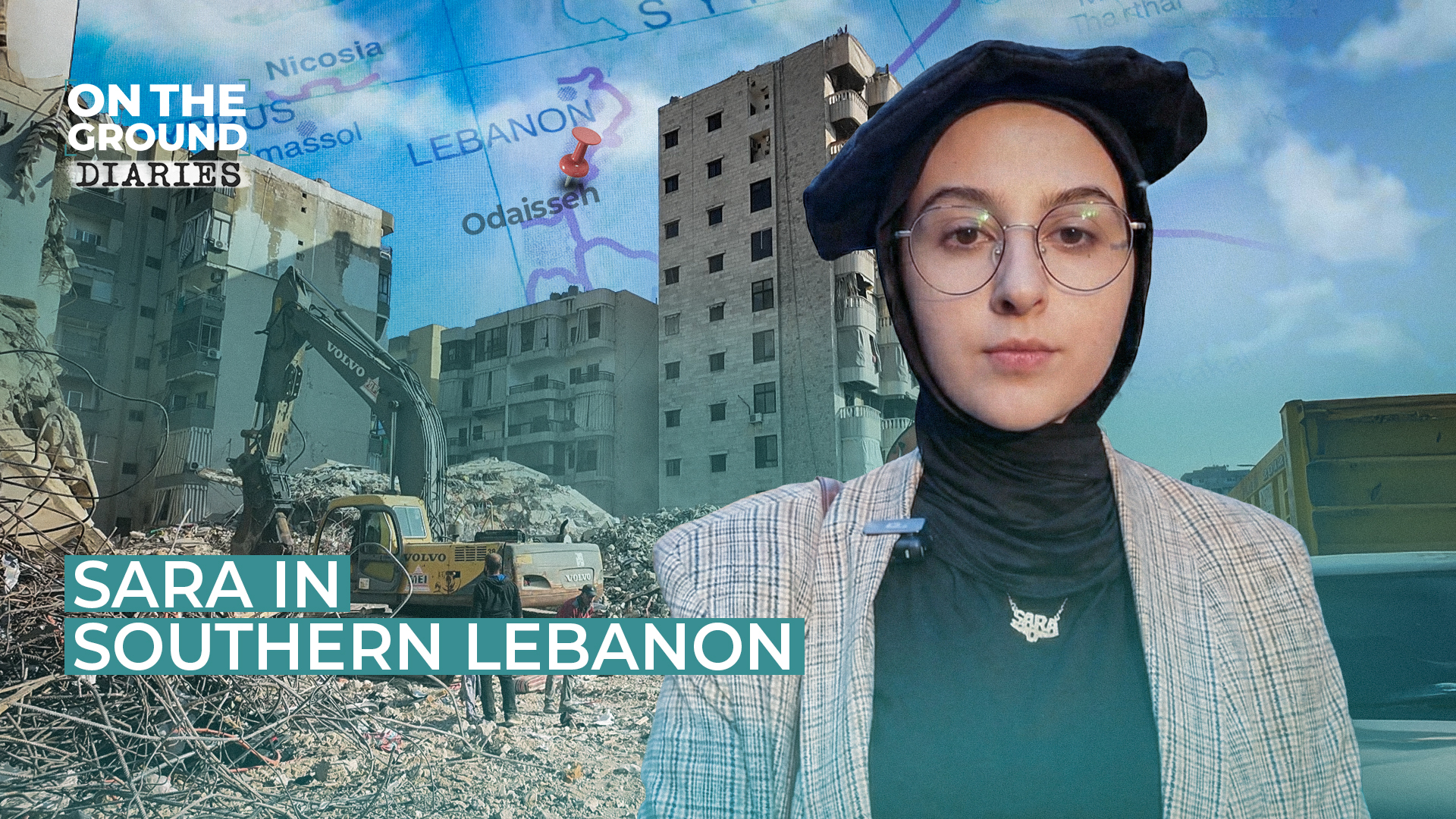
Her video diary shares her two-year journey of escaping to Beirut, followed by the difficulties of trying to return home.
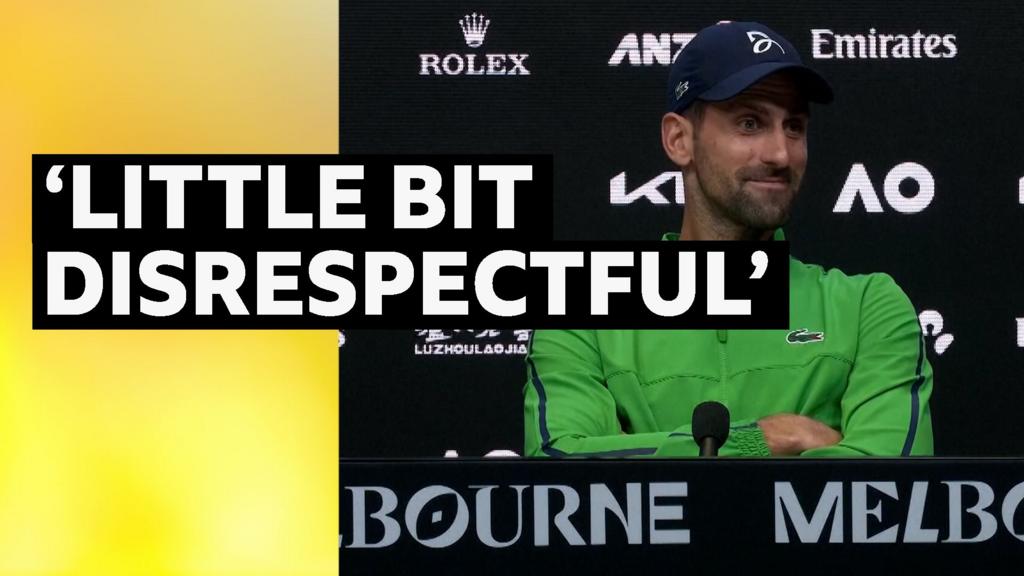
24-time Grand Slam winner Novak Djokovic says he felt “disrespectful” after being asked how he felt “chasing” Jannik Sinner and Carlos Alcaraz, after previously “chasing” Roger Federer and Rafael Nadal during the early parts of his career.
While diplomatic circles welcome the recovery of the last Israeli captive’s remains in Gaza and the imminent partial reopening of the enclave’s Rafah border crossing with Egypt, a quieter, darker reality is taking shape on the ground.
According to comments by retired Israeli General Amir Avivi, who still advises the military, Israel has cleared land in Rafah, an area in the southern Gaza Strip that it had already flattened in more than two years of its genocidal war, to construct an enormous facility to entrench its military control and presence in Gaza for the long term.
Speaking to the Reuters news agency on Tuesday, Avivi described the project as a “big, organised camp” capable of holding hundreds of thousands of people, stating it would be equipped with “ID checks, including facial recognition”, to track every Palestinian entering or leaving.
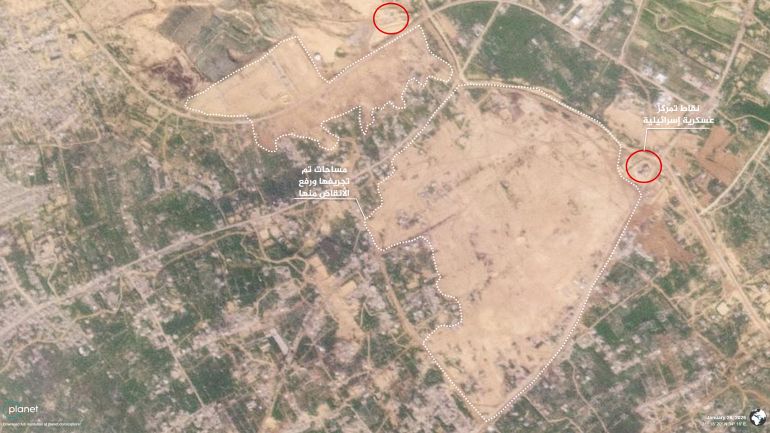
Corroborating Avivi’s claims, exclusive analysis by Al Jazeera’s Digital Investigations Team confirms that ground preparations for this project are already well under way.
Satellite imagery captured from December 2 through Monday reveals extensive clearing operations in western Rafah. The analysis identifies an area of about 1.3sq km (half a square mile) that has undergone systematic levelling.
According to the investigation, the operations went beyond mere debris removal and involved the flattening of land previously devastated by Israeli air strikes.
The cleared zone is located adjacent to two Israeli military posts, suggesting the new camp will be under direct and immediate military supervision. The satellite evidence aligns with reports that the facility is to act as a controlled “holding pen” rather than a humanitarian shelter.

To analysts in Gaza, no humanitarian intent is behind this projected high-tech infrastructure, which they say is in fact a trap for Palestinians.
“What they are building is, in reality, a human-sorting mechanism reminiscent of Nazi-era selection points,” Wissam Afifa, a Gaza-based political analyst, told Al Jazeera. “It is a tool for racial filtering and a continuation of the genocide by other means.”
The reopening of the Rafah crossing, tentatively scheduled for Thursday, according to The Jerusalem Post, comes with strict Israeli conditions. Prime Minister Benjamin Netanyahu has insisted on full “security control”.
For Palestinians hoping to return to Gaza, this means submitting to what Afifa describes as “human sorting stations”.
“This mechanism is designed to deter return,” Afifa said. “Palestinians will face interrogation, humiliation and the risk of arrest at these Israeli-run checkpoints just to go home.”
By leveraging facial recognition technology confirmed by Avivi, Israel is creating a high-risk ordeal for returnees, he said. Afifa argued it will force many Palestinians to choose exile over the risk of the “sorting station”, serving Israel’s longstanding goal of depopulating the Strip.

The Rafah camp is just one piece of a larger puzzle. Israel in effect occupies all of Gaza with a physical military presence in 58 percent of the Gaza Strip. Its forces directly occupy an area within the “yellow line”, a self-proclaimed Israeli military buffer zone established by an October ceasefire.
“We are witnessing the re-engineering of Gaza’s geography and demography,” Afifa said. “About 70 percent of the Strip is now under direct Israeli military management.”
This assessment of a permanent foothold is reinforced by Netanyahu’s own remarks to the Knesset on Monday. By declaring that “the next phase is demilitarisation”, or disarming Hamas, rather than reconstruction, Netanyahu signalled that the military occupation has no end date.
“The talk of ‘reconstruction’ starting in Rafah under Israeli security specifications suggests they are building a permanent security infrastructure, not a sovereign Palestinian state,” Afifa added.
For the more than two million Palestinians in Gaza, the hope that the return of the last Israeli captive would bring relief has turned into frustration.
“There is a deep sense of betrayal,” Afifa said. “The world celebrated the release of one Israeli body as a triumph while two million Palestinians remain hostages in their own land.”
Afifa warned that the international silence regarding these “sorting stations” risks normalising them. If the Rafah model succeeds, it would transform Gaza from a besieged territory into a high-tech prison where the simple act of travel becomes a tool of subjugation, he said.
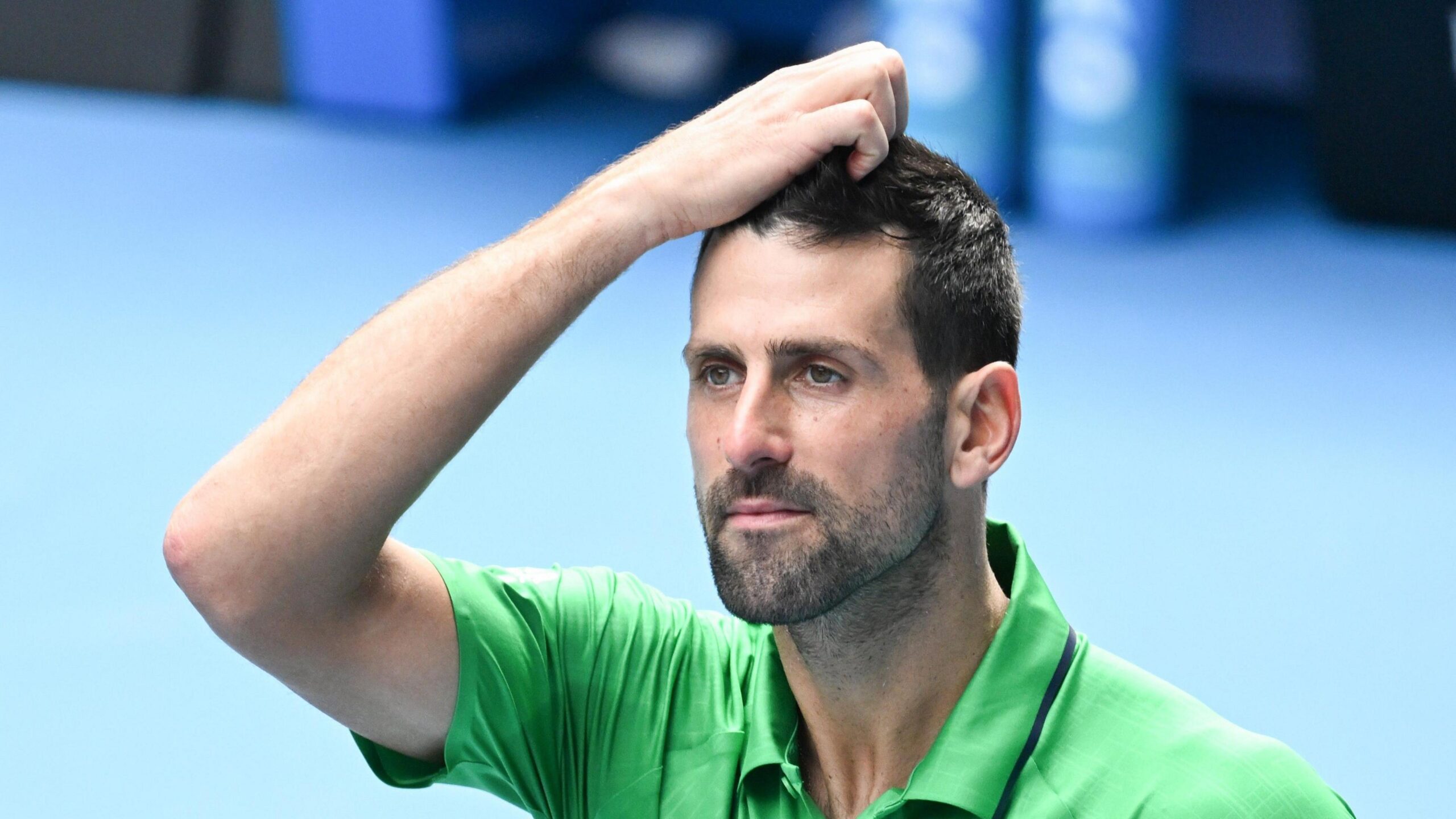
Novak Djokovic is planning to double his thanks tonight.
Partly in gratitude for what has happened so far at the Australian Open. Partly in hope for what lies ahead as he chases a record 25th Grand Slam singles title.
Djokovic could not hide his relief when Italian fifth seed Lorenzo Musetti, who led their quarter-final by two sets to love, had to quit with injury.
It was more fortune for the 10-time Melbourne champion, having already received a fourth-round walkover when Czech opponent Jakub Mensik withdrew with an abdominal issue.
Feeling fresh is a positive for the 38-year-old Serb going into Friday’s semi-final against Jannik Sinner.
But equally, being undercooked against the 24-year-old Italian, who is bidding for a third straight title, is a worry.
Djokovic has played just two sets since his third-round win on 24 January – and he lost both of those.
Djokovic says he largely feels fine physically, with a blister on his foot his biggest concern.
It is a marked difference to some of his previous Australian Open campaigns.
Last year, he quit in the semi-finals because of a hamstring tear sustained in a super-human effort to beat Carlos Alcaraz in the previous round.
In 2023, he won the title despite playing with a three centimetre tear in his hamstring.
Two years earlier, he also triumphed despite tearing an abdominal muscle in the third round.
Djokovic cannot afford any physical issues if he is going to beat Sinner and then potentially 22-year-old Alcaraz in Sunday’s final.
“You always have some minor issues with your body, at least for me every single day,” Djokovic said.
“But major issues, no. Thankfully, that’s still not posing a challenge for me and obstacle in order for me to be able to play and move around the way I want to.”
Djokovic feels being injury-free is a stroke of luck as he attempts to become the oldest Grand Slam men’s champion in the Open era.
Considering his meticulous pursuit of almost every record there is in the sport, it feels wrong to put anything Djokovic down to fortune.
But avoiding a default in the third round, followed by a walkover and then a retirement, is an enviable pattern.
Against Musetti, Djokovic also recovered from falling victim to his own exemplary sportsmanship.
As he served to stay in the second set, Djokovic conceded a point by admitting to umpire James Keothavong he touched a ball on its way out. The Italian would go on to claim the game.
“I’m going to double my prayers tonight,” Djokovic said.
There is no doubt Djokovic needs to be sharper both technically and mentally if he is to end Sinner and Alcaraz’s recent dominance at the majors.
Musetti was superb against Djokovic, but there was no escaping the fact the Serb was poor by his lofty standards.
“I think I’ve underperformed for the level that I showed throughout this tournament,” Djokovic added.
“I have to play better – no doubt about it.


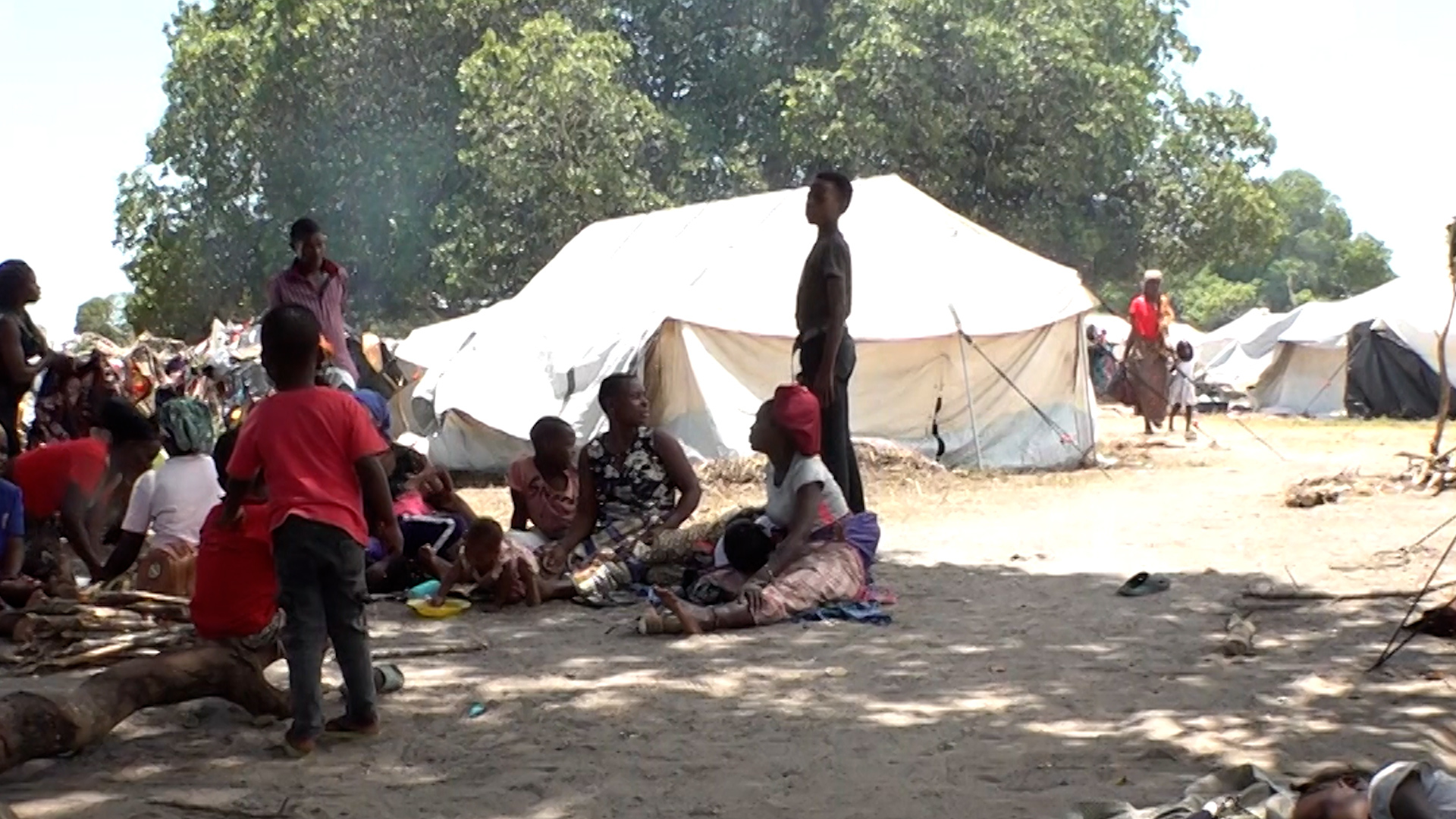
Flooding in southern Mozambique has forced thousands of families to flee to informal displacement camps. Al Jazeera’s Haru Mutasa has been seeing conditions for the women and children at a camp in Chokwe.
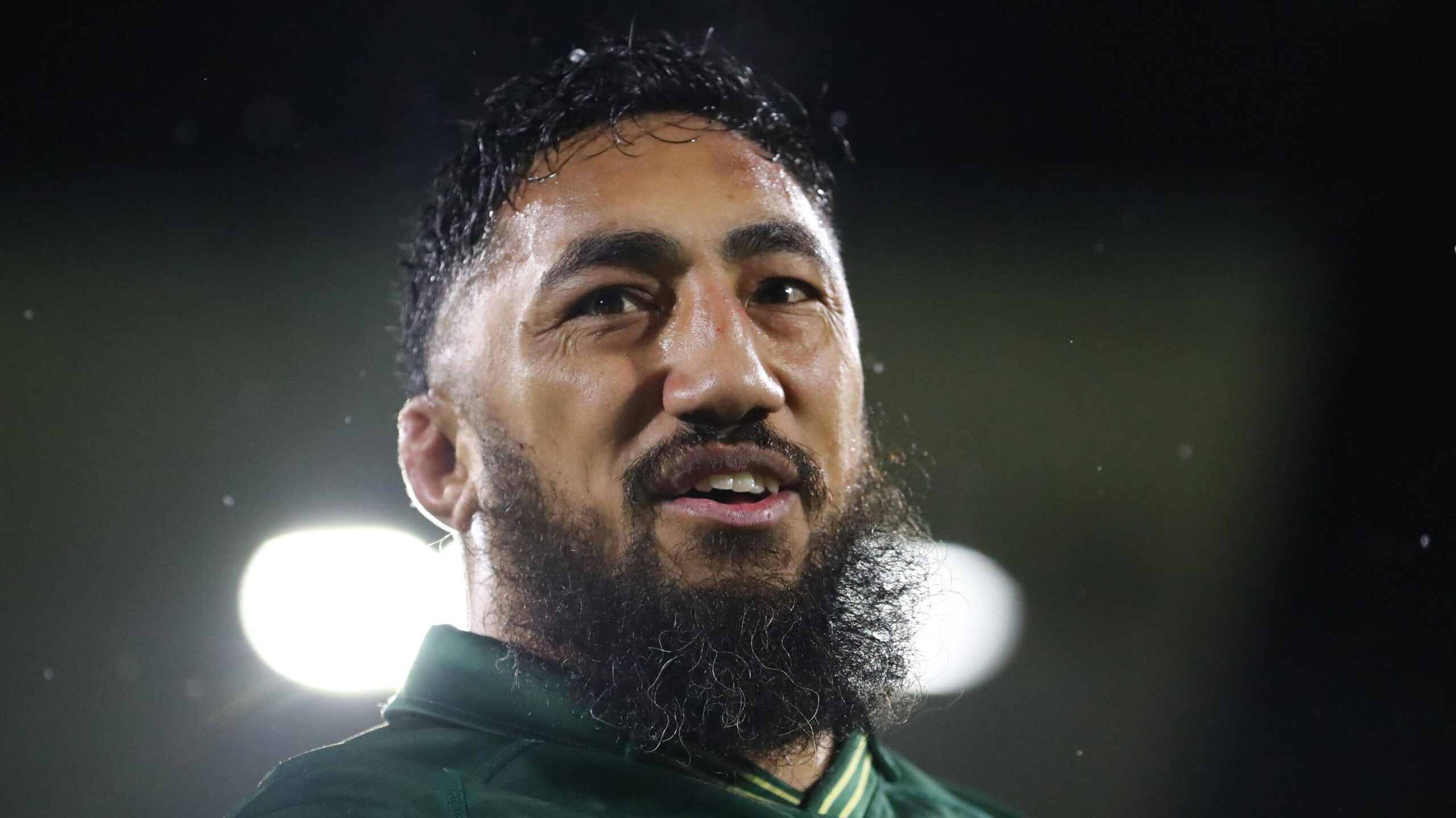
Bundee Aki has not travelled with the Ireland squad for their Six Nations training camp in Portugal, with the Connacht centre the subject of a misconduct complaint after his side’s defeat by Leinster on Saturday.
The 35-year-old, a World Rugby player of the year nominee in 2023, is “alleged to have engaged with the match official team on several occasions in a manner which may be deemed to be in breach of the league’s disciplinary rules” during the United Rugby Championship (URC) loss.
He will face an independent disciplinary committee on Wednesday.
Andy Farrell’s side take on France in Paris on 5 February to begin the Six Nations and Aki has been replaced in the squad by Ulster’s uncapped centre Jude Postlethwaite.
An Irish Rugby Football Union (IRFU) statement said: “The IRFU does not tolerate any form of disrespect shown towards match officials and does not condone actions that fall below the standards expected of players representing Irish rugby.”
“The IRFU are investigating the matter further internally and no additional comment will be made at this time.”
Ireland have already lost two players from the 37-man squad named by Farrell last week.
Prop Jack Boyle was injured playing for Leinster against Connacht, while Munster flanker Tom Ahern has also pulled out.