A young Tunisian man goes on a personal journey to find his biological mother and understand where he comes from.
Looking for My Mum
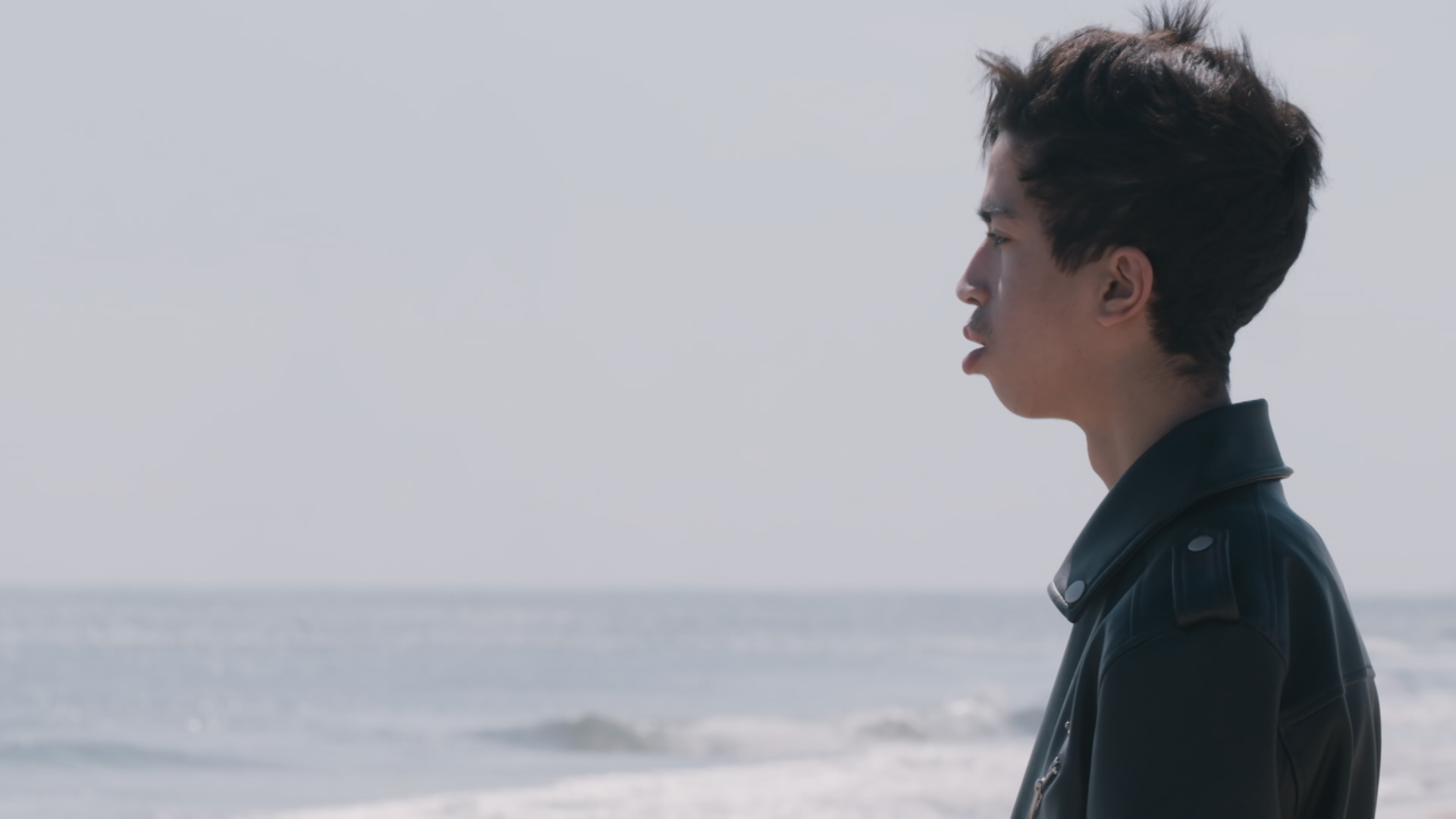
A young Tunisian man goes on a personal journey to find his biological mother and understand where he comes from.
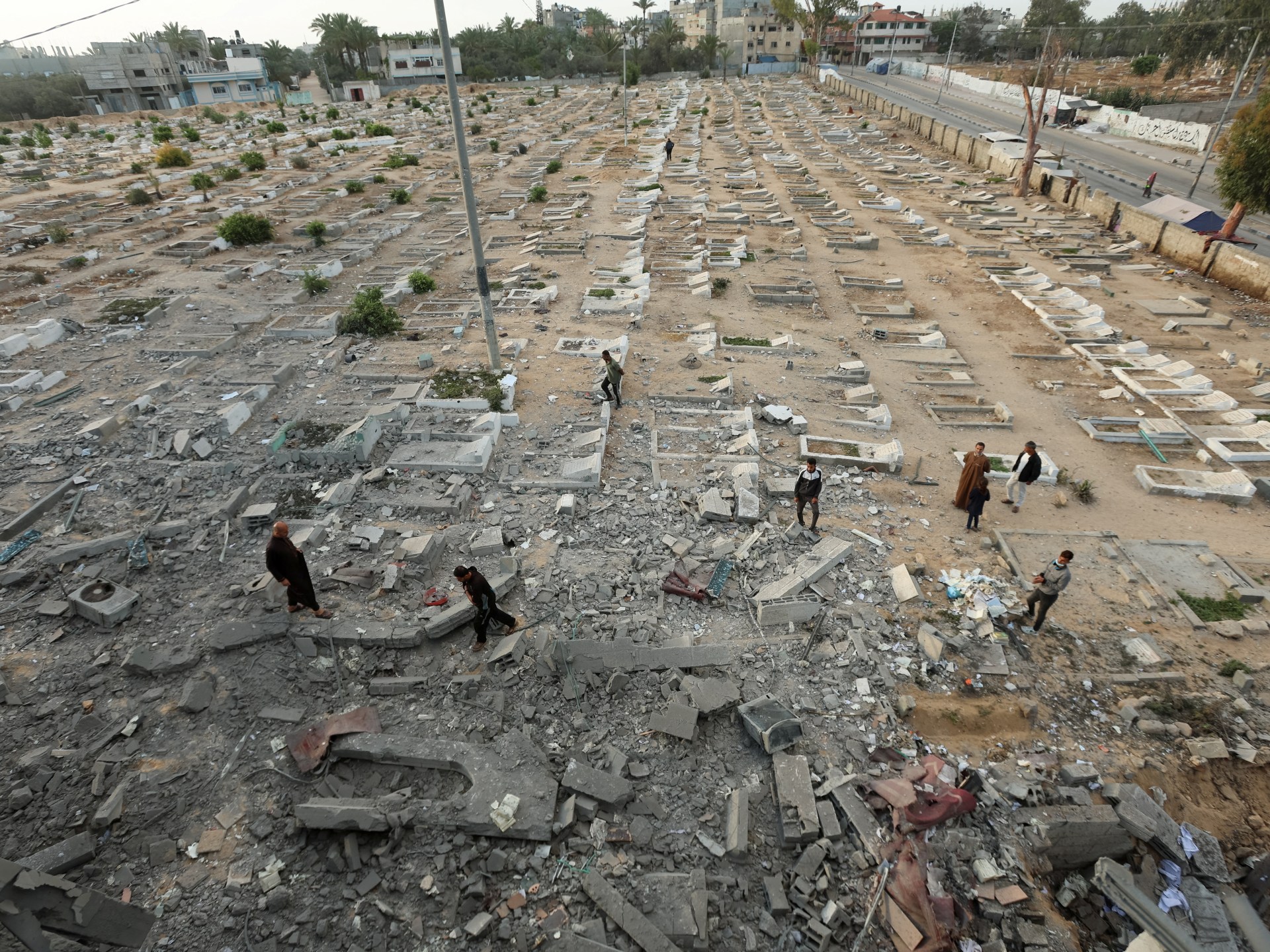
On Tuesday, Israeli Prime Minister Benjamin Netanyahu hailed what he called an “extraordinary achievement”. Israeli forces retrieved the body of Ran Gvili, an Israeli man, who died on October 7, 2023, from a Palestinian graveyard in northern Gaza. Israeli TV showed Israeli soldiers singing a Hebrew song at the site. Western media spoke about the importance of the operation and this “moment of national healing”.
Here in Gaza, the Israeli operation to retrieve the body spread fear, pain and death. Israeli soldiers killed four Palestinians near the graveyard and desecrated hundreds of Palestinian graves. Hundreds of Palestinian families now have to search for and gather the remains of their loved ones, and four families have had to dig new graves.
What was presented to the rest of the world as a “standard military operation”, was in reality, a serious crime under international law. Grave desecration constitutes a violation of a key provision of the Geneva Convention, which stipulates that dead bodies and graves must be respected.
In the Palestinian context, the attack on cemeteries is yet another form of collective punishment. It sends a clear message: that the Palestinian people will be denied dignity even in death.
This is, of course, not the first time Israel has committed crimes against the Palestinian dead.
Throughout the war, Israel has been attacking, bulldozing and digging up graveyards across the Gaza Strip. By January 2024, CNN reported that at least 16 Palestinian cemeteries in Gaza had been desecrated. Israel justified its actions by claiming that Hamas was using the cemeteries for “military purposes”. Satellite imagery and footage revealed that entire cemeteries were levelled, with Israeli troops converting some into military positions.
The excuse that Palestinian graveyards are desecrated only out of military necessity does not hold, however. Palestinian burial sites in the occupied West Bank are also regularly attacked. Just earlier this month, Israeli civilians stormed a Muslim cemetery in Jerusalem and destroyed graves. In January 2023, a Christian cemetery, where a lot of senior Christian leaders were buried, was also defaced in Jerusalem.
And it is not just resting places for the dead that Israel is ravaging. Even Palestinian dead bodies themselves are a target. Last year, the Israeli army sent hundreds of bodies of Palestinians to Gaza. Many of them had clear signs of torture; others were so mutilated that they could not be recognised, forcing the local authorities to bury them in mass graves.
In other cases, the Israeli authorities have withheld Palestinian dead bodies from their families as yet another form of collective punishment. Currently, Israel holds the bodies of Palestinians who died as far back as the 1967 war. In 2019, the Israeli Supreme Court officially allowed the Israeli state to hold bodies for the purpose of “negotiations”.
All of this – the desecration, the exhumation, the mutilation, the withholding of dead Palestinians and its legalisation – is meant to wipe out the memory of the deceased and prevent their loved ones from mourning them and having closure. It is meant to punish; it is meant to humiliate. Even in death, Palestinians cannot have safety and peace.
All of these crimes against the Palestinian dead have not received even a fraction of the media attention that the burial of the dead Israeli captives released from Gaza did. The humanising stories, the extensive photoshoots, the reports on official ceremonies were not afforded to Palestinian victims, whose bodies Israel has dug out and desecrated.
There were no reports on the Palestinian families who went to the graveyard and experienced the horror of seeing the remains of the graves of their loved ones scattered. There was no global sympathy for their suffering and pain.
By now, we have seen and experienced all kinds of unimaginable crimes committed by Israel. What has made them that much worse has been the global silence about them.
It is tragic that we should have to remind the world that graves are sacred and protected spaces under international law, including Palestinian ones.
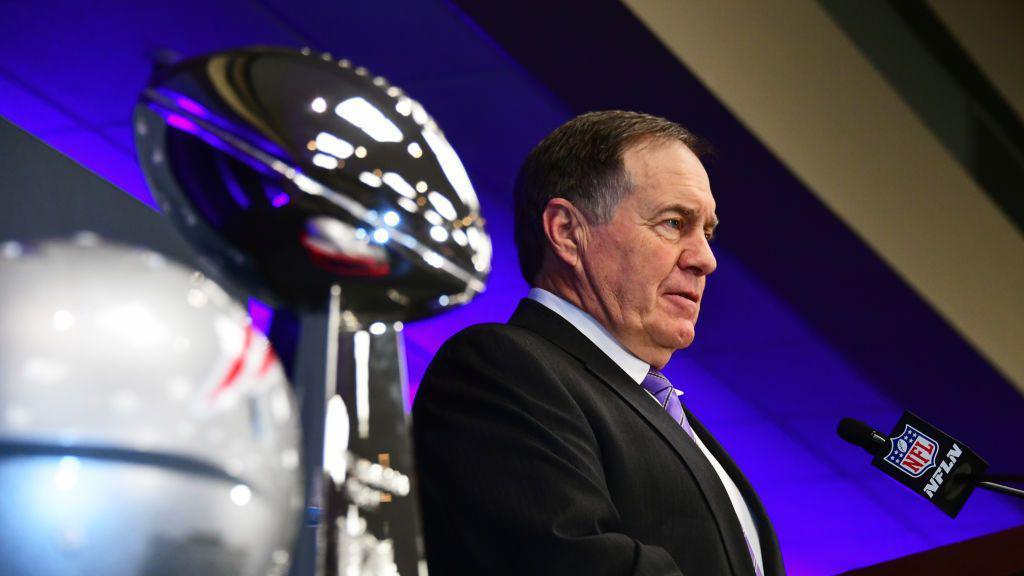
US President Donald Trump has joined extensive criticism of legendary former NFL coach Bill Belichick being reportedly denied first-ballot induction into the Pro Football Hall of Fame.
Belichick is widely considered the greatest coach in NFL history, having won six Super Bowl titles as head coach of the New England Patriots and two as defensive co-ordinator with the New York Giants,
He reportedly fell short of the 40 out of 50 votes needed for induction in his first year of eligibility.
Trump posted on social media to say it was “ridiculous and should be overturned”.
His comments followed those of Kansas City quarterback Patrick Mahomes, who wrote on X: “Insane… don’t even understand how this could be possible.”
Meanwhile, NBA great LeBron James posted: “Man there’s no way I read that right! Right? Ain’t no way Bill Belichick ain’t 1st Ballot HOF!! That’s impossible, egregious, and quite frankly disrespectful!”
The first, in 2007, saw the team heavily fined and a first-round draft pick taken away after they were caught recording the New York Jets’ defensive coaches’ signals from an unauthorised location during a match.
In addition to his Super Bowl victories, Belichick won nine conference championships, 17 division titles and he is second on the all-time wins list, including playoffs, with 333.
He left the Patriots in January 2024 after 24 years and currently coaches the University of North Carolina in the college form of the game.
The Hall of Fame’s voting committee is made up of mostly veteran NFL reporters, but also includes former players and coaches.


Stranraer have missed out on a major pay day against Rangers after being expelled from the Scottish Cup for fielding an ineligible player in last week’s victory over Queen’s Park.
The League 2 club have estimated they will lose out on £200,000 that would “keep the club running for three or four years”.
The Scottish FA confirmed that Stranraer had been “ejected” from the competition following a tribunal on Wednesday.
The governing body has also confirmed that Championship strugglers Queen’s Park will instead visit Glasgow rivals Rangers in the last 16 on 8 February.
Accepting the inevitable decision, Stranraer said: “While we believe the circumstances surrounding the breach were unfortunate and exceptional, we recognise that the responsibility for player registration and selection ultimately rests with the club.”
Goalkeeper Lyndon Tas was signed on loan from Hearts on the day of the game and saved a penalty in the shootout after a 1-1 draw at Stair Park.
However, the tie had originally been scheduled for the previous Saturday and was called off because of a waterlogged pitch. Cup rules state that only players registered for the original date can play in the event of postponements, abandonments or replays.
The SFA can sanction emergency loans, but it says the move for 17-year-old Tas did not get such approval as Stranraer looked to replace Josh Lane, who had returned to Hamilton Academical at the end of his loan spell.
“This will come as an immense disappointment to all our supporters, staff, volunteers and players, particularly in view of the incredible effort to win our tie with Queen’s Park and the rewards that a tie against Rangers would bring,” Stranraer added.
“Naturally, we share this disappointment, particularly given the positive progress being made both on and off the pitch this season and would like to offer our sincere apologies to everyone involved with the club.”
Stranraer have lost once in 12 outings, moving up to fourth in League 2 and a possible place in the promotion play-offs.
Stranraer have missed out on a major pay day against Rangers after being expelled from the Scottish Cup for fielding an ineligible player in last week’s victory over Queen’s Park.
The League 2 club have estimated they will lose out on £200,000 that would “keep the club running for three or four years”.
The Scottish FA confirmed that Stranraer had been “ejected” from the competition following a tribunal on Wednesday.
The governing body is expected to confirm that Championship strugglers Queen’s Park will instead visit Glasgow rivals Rangers in the last 16 on 8 February.
Accepting the inevitable decision, Stranraer said: “While we believe the circumstances surrounding the breach were unfortunate and exceptional, we recognise that the responsibility for player registration and selection ultimately rests with the club.”
Goalkeeper Lyndon Tas was signed on loan from Hearts on the day of the game and saved a penalty in the shootout after a 1-1 draw at Stair Park.
But the tie had originally been scheduled for the previous Saturday but was called off because of a waterlogged pitch and cup rules state that only players registered for the original date can play in the event of postponements, abandonments or replays.
The SFA can sanction emergency loans but says the move for 17-year-old Tas did not get such approval as Stranraer looked to replace Josh Lane, who had returned to Hamilton Academical at the end of his loan spell.
“This will come as an immense disappointment to all our supporters, staff, volunteers and players, particularly in view of the incredible effort to win our tie with Queen’s Park and the rewards that a tie against Rangers would bring,” Stranraer add.
“Naturally, we share this disappointment, particularly given the positive progress being made both on and off the pitch this season and would like to offer our sincere apologies to everyone involved with the club.”
Stranraer have lost once in 12 outings, moving up to fourth in League 2 and a possible place in the promotion play-offs.
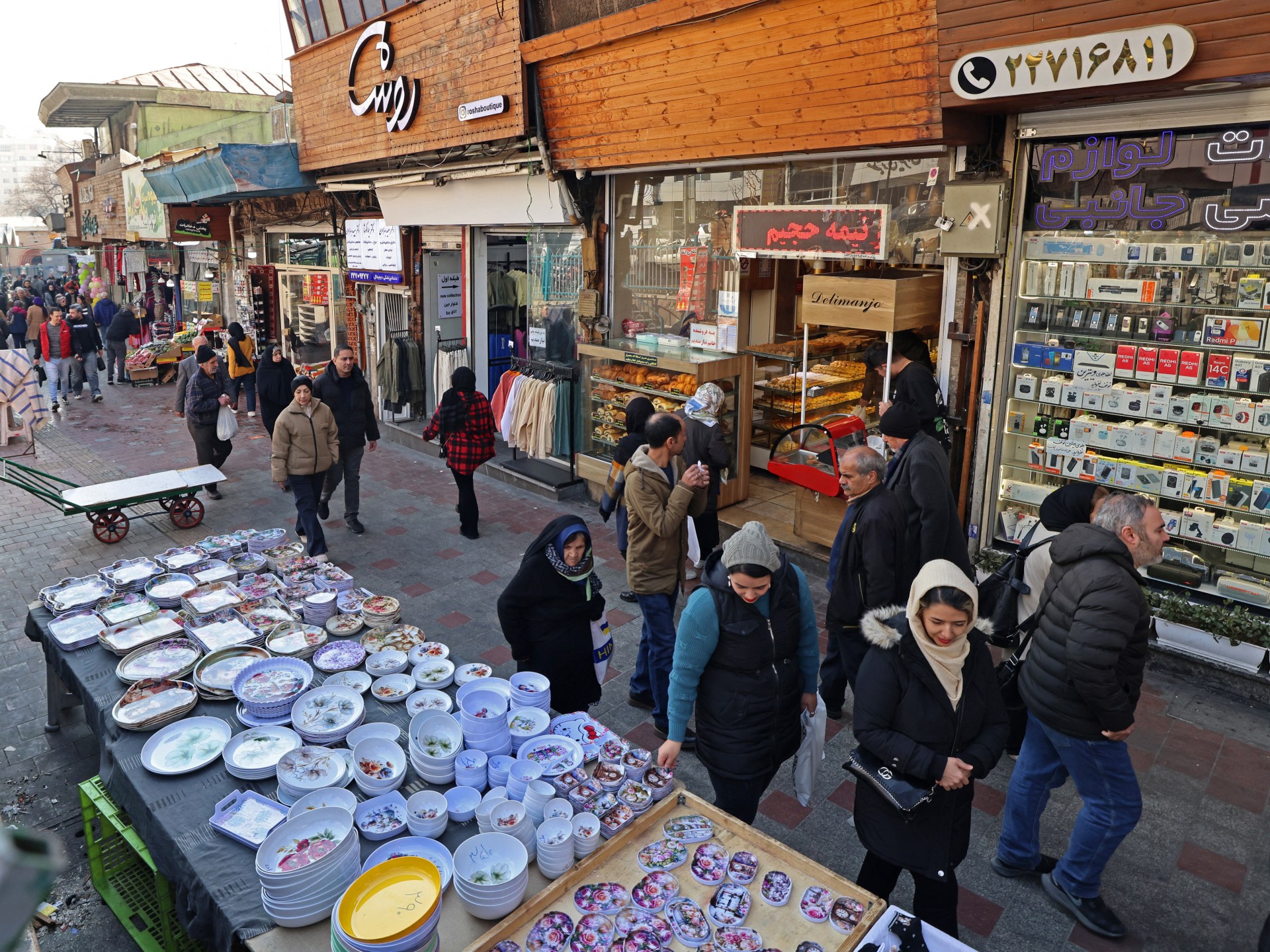
Tehran, Iran – The Iranian government is putting into place contingency plans for basic governance as the threat of another war with the United States and Israel looms large.
President Masoud Pezeshkian gathered governors of Iran’s border provinces as well as his economy minister in Tehran on Tuesday to delegate some responsibilities to the governors if a war breaks out, state media reported. A working group was also formed, tasked with ensuring the increased flow of essential goods, particularly food.
list of 3 itemsend of list
The governors have been given authority to import goods without using foreign currency, engage in bartering and allow sailors to bring in products under simplified customs rules, according to the government-run IRNA news agency.
“In addition to importing essential goods, governors now have the authority to bring in all goods that are directly linked with the livelihoods of the people and the needs of the market in order to balance the market and prevent hoarding,” Pezeshkian was quoted as saying at the meeting.
“Through enforcing this policy, a considerable part of the pressures resulting from the cruel sanctions are neutralised,” he said in reference to harsh restrictions imposed by the US as well as United Nations sanctions reimposed in September, which the Iranian government blames for the economic crisis the country is going through.
But while the government resorts to focusing on the basics, nearly all of Iran’s 90 million people and all sectors of the country’s beleaguered economy continue to suffer from an unprecedented internet shutdown.
The digital blackout was imposed by the theocratic state on January 8 as nationwide protests reached a boiling point, followed by the killings of thousands of Iranians.
The intranet set up to offer some basic services during the state-imposed shutdown is slow and has failed to shore up online businesses. Traditional shops are also struggling to bring in customers.
Amid a large deployment of armed security personnel, most shops are now open in Tehran’s Grand Bazaar – where the protests against the poor economic conditions started on December 28 – and other downtown business districts.
But a shopkeeper at the Grand Bazaar told Al Jazeera that business activity is a fraction of what it was several weeks ago.
“There’s not much life and energy in the markets these days,” he said on the condition of anonymity. “The worst thing is that everything is still so unpredictable. You can see that in the currency rate too.”
Iran’s rial has been in freefall after markets partially reopened this week, degrading trust in the national currency.
The rial hit a new all-time low of about 1.6 million per US dollar on Wednesday. Each greenback had changed hands for about 700,000 rials a year ago and about 900,000 in mid-2025.
However, Central Bank of Iran chief Abdolnasser Hemmati said at the meeting with the governors in Tehran that the currency market was “following its natural course”.
He said $2.25bn worth of foreign currency deals have in recent weeks been registered in a state-run market set up to manage imports and exports, which he described as an “acceptable and considerable figure”.
The comments from Hemmati – who was also the Central Bank chief from 2018 to 2021 and was impeached as economy minister in March – immediately drew fire from the ultraconservative Keyhan newspaper, whose editor-in-chief is directly appointed by Supreme Leader Ali Khamenei.
The newspaper said his comments run counter to the reality in the tumultuous currency market as well as Hemmati’s promises of price stability for essential goods when he re-emerged as the Central Bank governor last month.
While dealing with foreign pressure, Pezeshkian’s government has also been hounded by hardliners at home who have demanded immediate changes to his relatively moderate cabinet.
The infighting became so serious that the supreme leader publicly intervened, telling lawmakers in parliament and other officials during a speech last week that they are “forbidden” from “insulting” the president at a time when the country must focus on providing essential goods to the people.
For his part, Pezeshkian has kept his rhetoric focused solely on “combating corruption” through an initiative that has eliminated a subsidised currency rate used for imports of certain goods, including food.
Pezeshkian’s government argued the subsidised allocated currency was being misused by state-linked organisations. The scheme was supposed to deliver cheaper imported food, but that has not been the case.
The money freed up by the initiative has been distributed as electronic coupons among Iranians to buy food from select stores at prices set by the government.
But each citizen will get only 10 million rials per month for four months. That figure amounted to just over $7 when it was announced during the protests early this month, but it is now worth closer to $6 as the fall of the national currency further erodes purchasing power.
To add insult to injury, the announcement of the subsidy scheme contributed to an abrupt tripling or quadrupling of prices for some essential goods, including cooking oil and eggs. Iran’s annual inflation rate remains untamed at nearly 50 percent and has been on a rising trajectory in recent months.
The top two state-run carmakers, which hold a large monopoly in Iran’s auto industry, have also been positioning themselves for yet another price hike as the end of the Iranian calendar year approaches in March.
One of the firms, Iran Khodro, said on Tuesday that it would increase prices by up to 60 percent while local media reported that the other, Saipa, was expected to follow suit. The government has reportedly intervened to delay or slow the price hikes.